Adult Snow Goose on Willow Pond
There were several hundred Canada Geese on the pond and because I have seen reports of Cackling and Snow Geese in the area I scanned the pond with my lens and spotted a lone Snow Goose.



There were several hundred Canada Geese on the pond and because I have seen reports of Cackling and Snow Geese in the area I scanned the pond with my lens and spotted a lone Snow Goose.

Near the auto tour route though I saw what appeared to be 250 to 300 Red-breasted Mergansers on the Bear River. I think it was the largest raft of Red-breasted Mergansers I have ever seen.

Red-breasted Mergansers do not breed in Utah, they breed much further north in Alaska, across northern Canada to New Newfoundland and the Great Lakes of Michigan but they do migrate through this area.

Bear River Migratory Bird Refuge hosts up to 13,000 Tundra Swans during November through December where they utilize the freshwater wetland habitats on the refuge.

This beautiful Northern Shoveler drake in breeding plumage was photographed in one of those no hunting areas on New Years Day 2015 at Farmington Bay.

I photographed this Red-breasted Merganser floating on the Gulf of Mexico on an April morning from the shoreline at Fort De Soto, Florida in April of 2008.
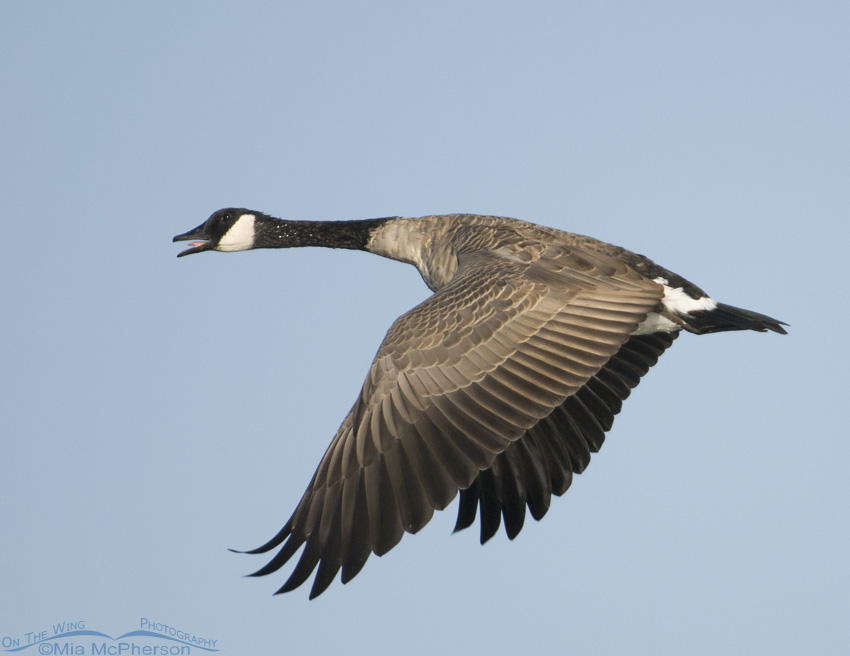
I photographed this Canada Goose calling in flight six years ago as it flew over Glover's Pond at Farmington Bay.
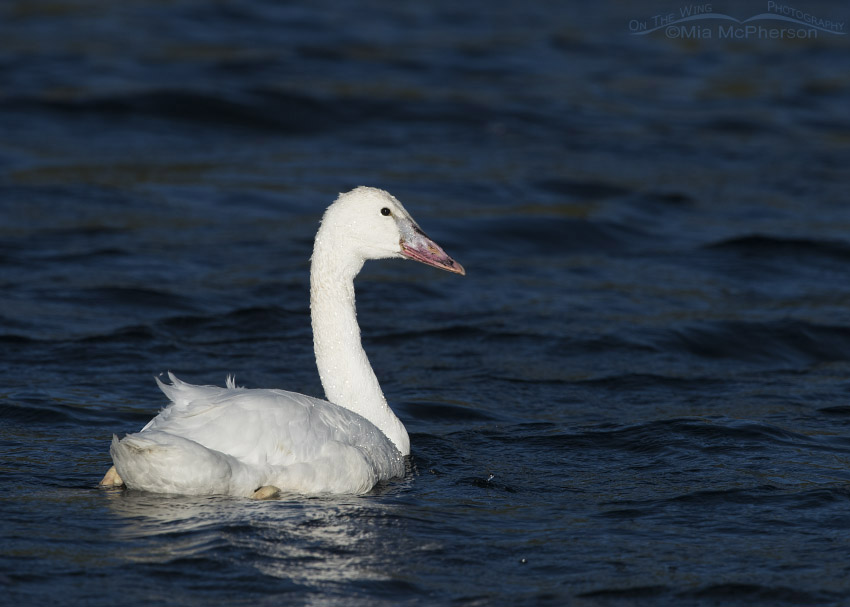
One of my favorite photo sessions of that trip last fall was an evening spent with the Trumpeter Swans of southwestern Montana in gorgeous evening light.

On the day I photographed this Wood Duck hen with her duckling the duckweed covered the surface.

Because I was close I wasn't able to get a single image with all of the ducklings and the hen in the frame so I focused on the Mallard hen and with one duckling resting right behind her.
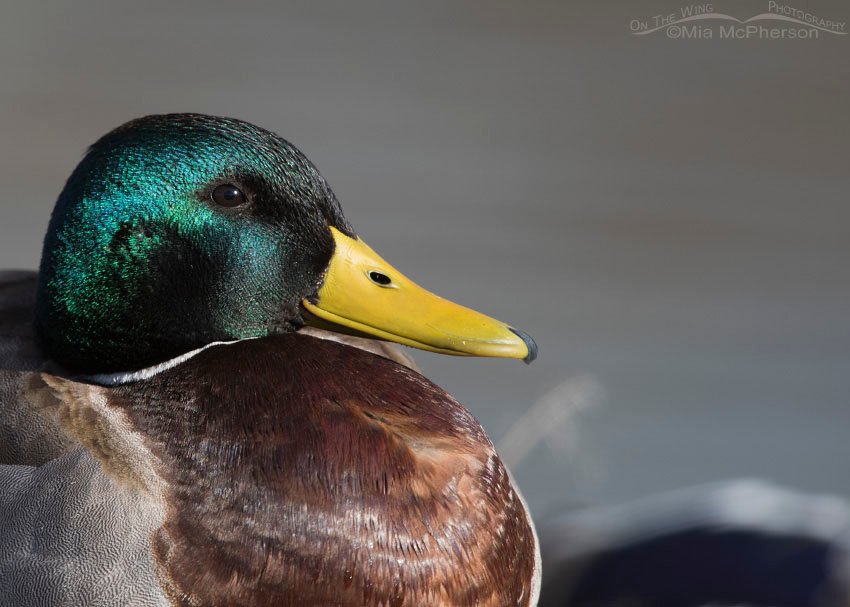
I was able to take a Mallard drake portrait of one of the ducks that were close and loved how this showed the blue green iridescence.

Watching and photographing the Tundra Swans lifting off from Bear River Migratory Bird Refuge yesterday was slightly bittersweet for me because I know they will soon be heading north to mate.

It is interesting to see this whirlpool effect of Northern Shovelers on the surface of the Great Salt Lake and to hear the sounds of their bills dabbling in the water.
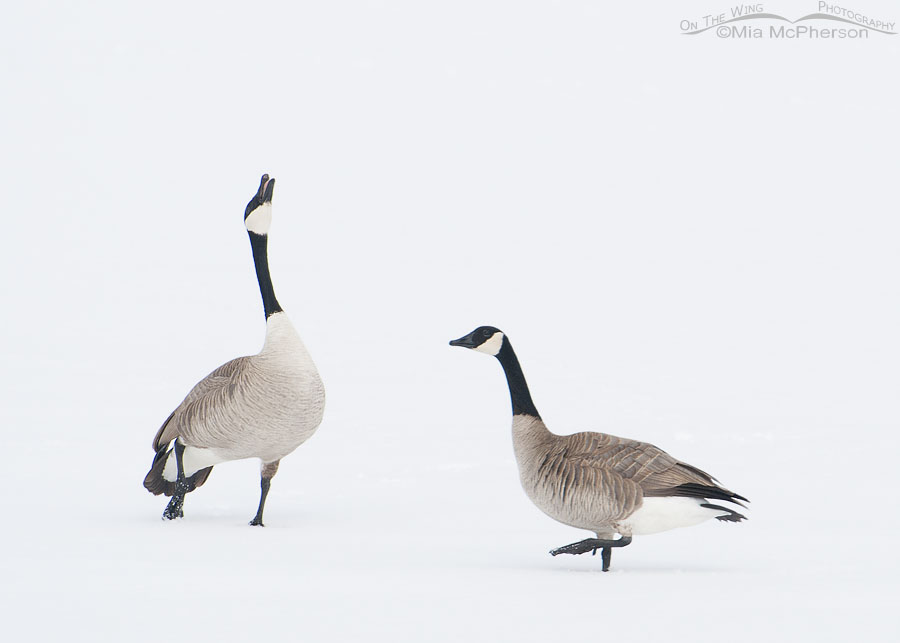
I think I am as excited as this Canada Goose calling in the snow that I photographed in February of 2013 along the causeway to Antelope Island State Park.
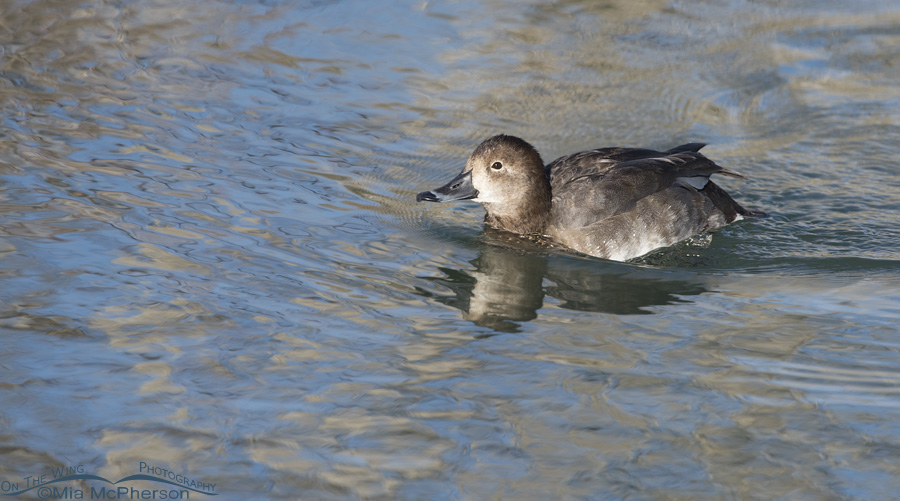
I photographed this Redhead hen yesterday morning at the Bear River Migratory Bird Refuge as she floated on the Bear River.
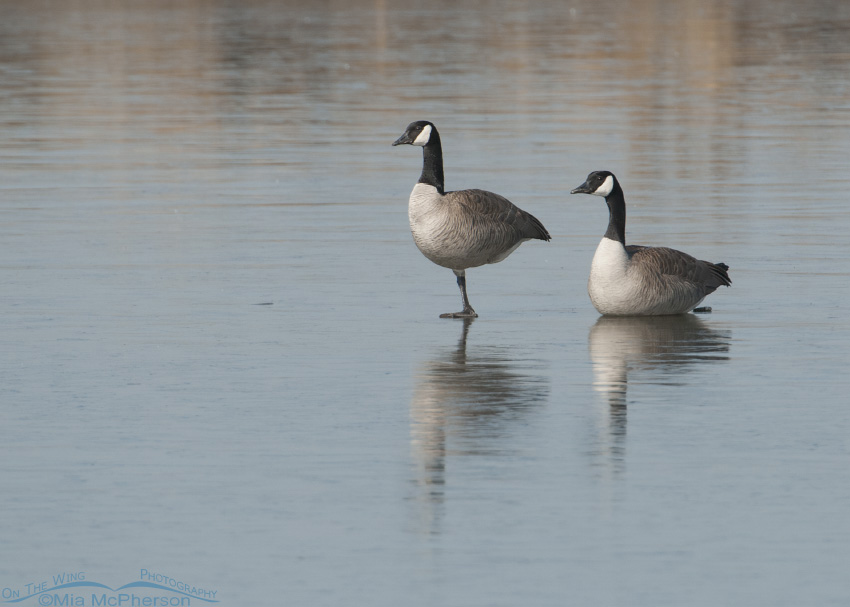
Canada Geese are very common here in northern Utah and in other parts of North America.

There has only been a few times that I have had the opportunity to get a Red-breasted Merganser portrait and each time it occurred in Florida.

Last December on the way off of Antelope Island I saw huge flocks of Northern Shovelers feeding on the Great Salt Lake and liked how they appeared through my viewfinder.
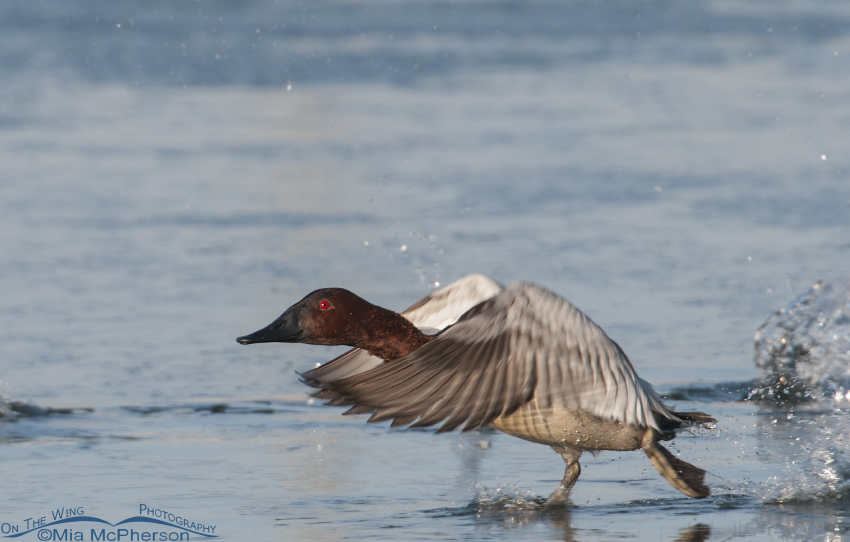
When I came across the Canvasback drake on a frigid February morning at a pond near where I live I simply had to get a few images of him.

I haven't posted any Common Mergansers lately and today I thought I would because we should start seeing them soon here in northern Utah.

We've still been having record breaking high temperatures here in northern Utah but the forecast shows some cooler weather is about to arrive. I'm glad. It is about time.
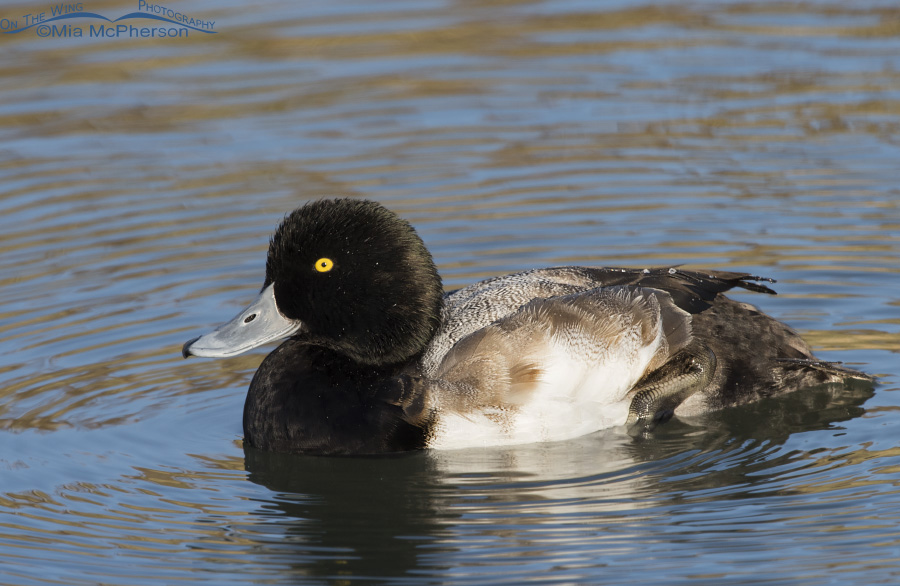
Last autumn I was able to get up close to a drake Greater Scaup at Bear River Migratory Bird Refuge and I'm hoping that I see more of them this year.
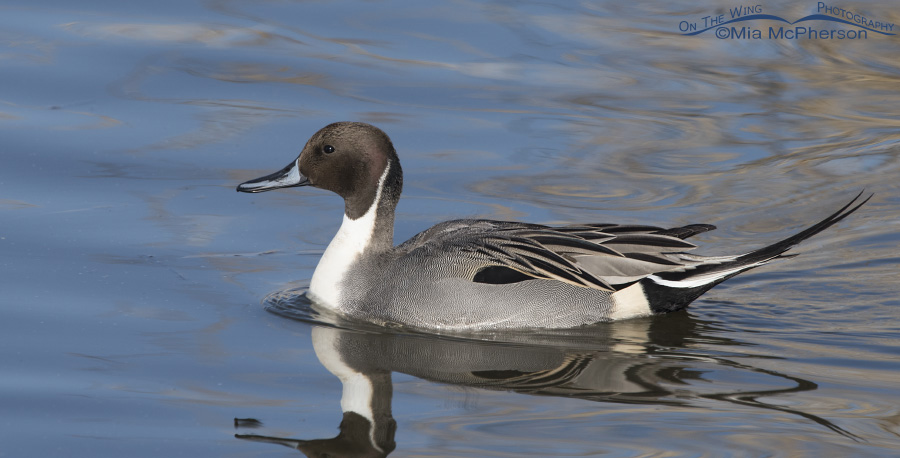
I've been thinking about this upcoming winter wondering if we will get a normal amount of snow and of course about the birds I will see on cold mornings at Farmington Bay.
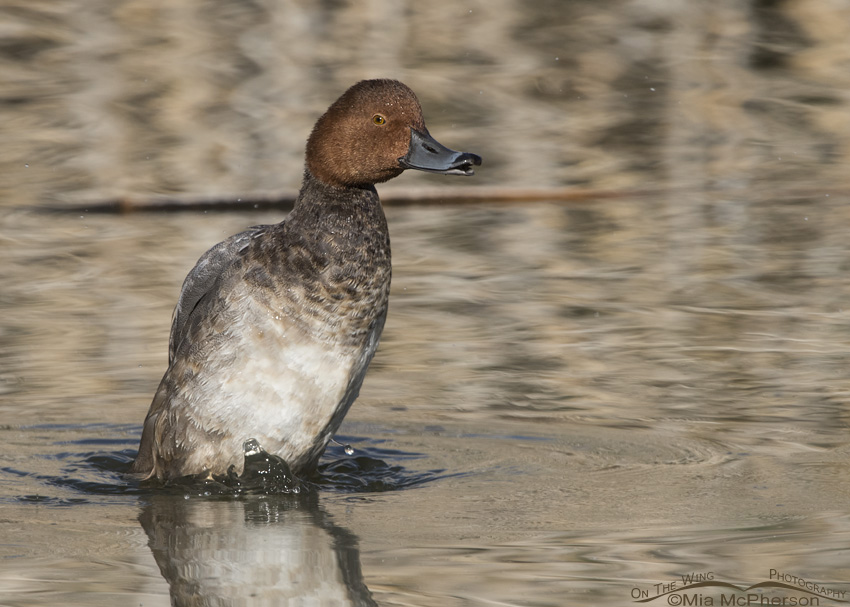
The Redheads at Bear River Migratory Bird Refuge are getting closer to being in their breeding plumage which they normally show from October through June.
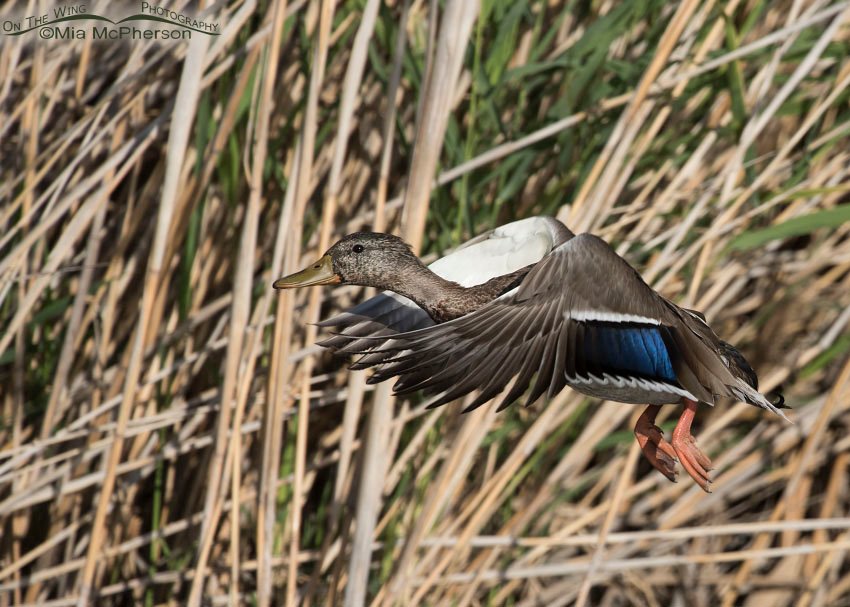
Yesterday at Bear River Migratory Bird Refuge I was able to photograph a Mallard drake as it lifted off from the water on the south side of the auto tour loop.
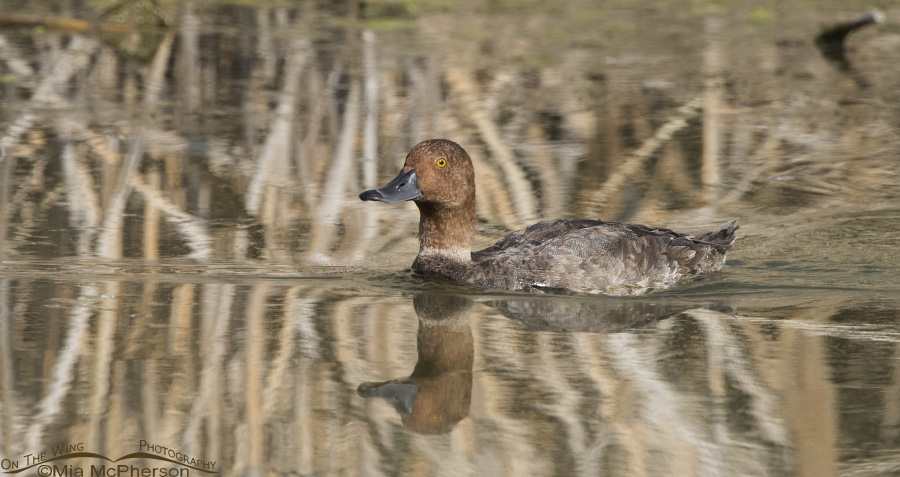
Over the past couple of weeks I have noticed that Bear River Migratory Bird Refuge is getting duckier. I am seeing more ducks in the water and flying over head now than I had in July.

Sometimes after a period of high activity I simply need to rest and relax or duck out into nature's wild grandeur to refresh.

Last week I posted some Tundra Swan images and mentioned that two of the swans I saw had markers on their necks, these are those swans flying together over the marsh.
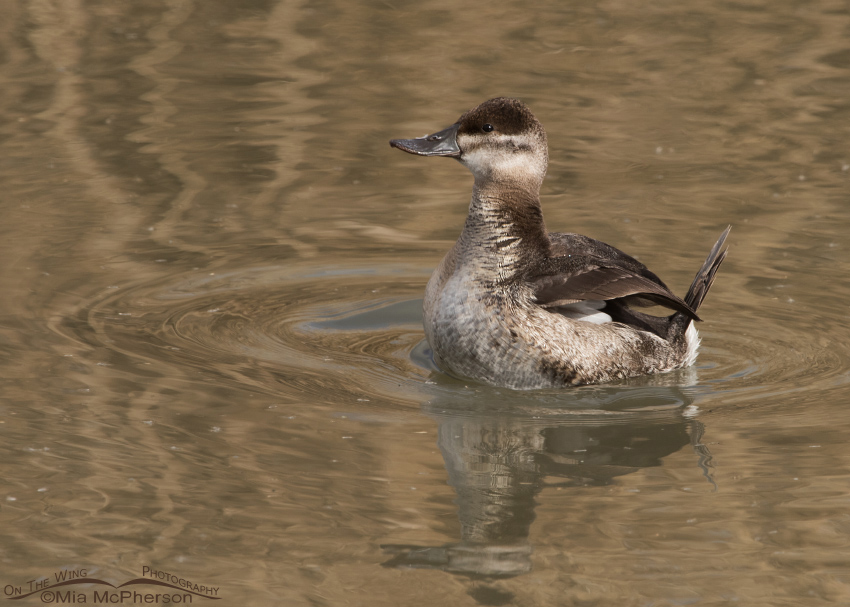
This series of Ruddy Duck images took just a little less than 8 seconds and then she tucked her bill back under her scapular and closed her eyes again.
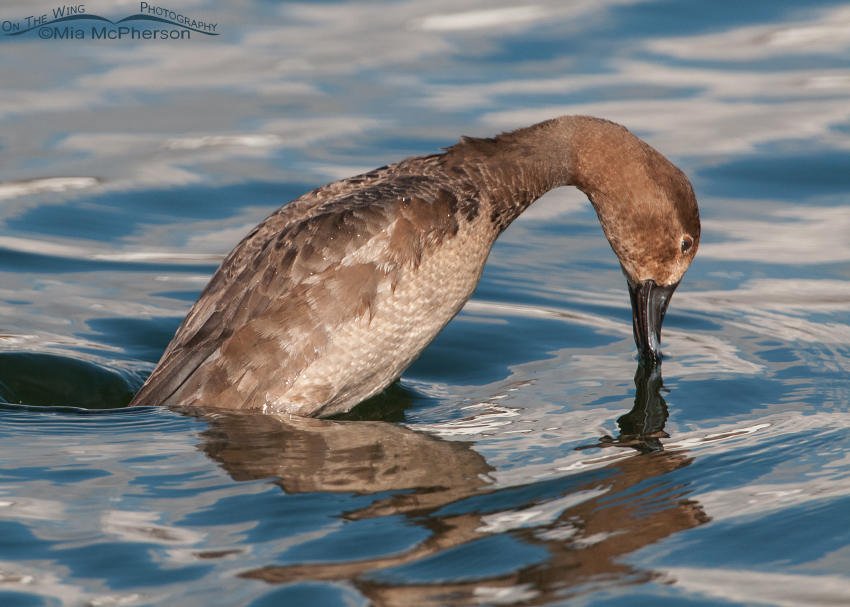
Last February; when there was actually snow on the ground, I photographed a pair of Redhead ducks at a pond near where I live.