Adult Male American Avocet Stretching His Wings
Six years ago in early April I went to Bear River Migratory Bird Refuge and photographed this male American Avocet stretching his wings while his head was low to the water.


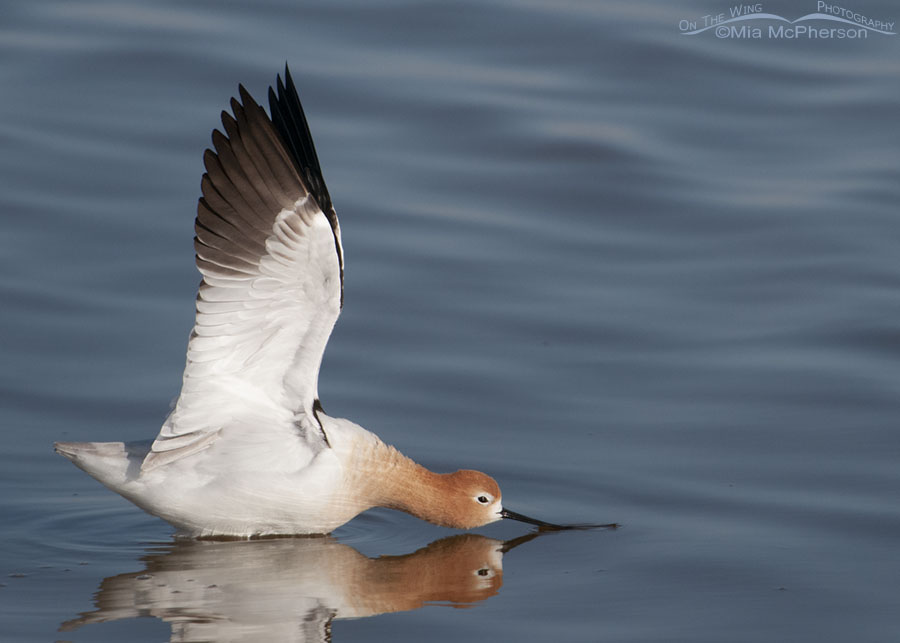
Six years ago in early April I went to Bear River Migratory Bird Refuge and photographed this male American Avocet stretching his wings while his head was low to the water.

My rare Mountain Plover sighting happened almost seven years ago on Antelope Island State Park when I spotted, identified and photographed of the plovers during spring migration.

I had my best opportunities to take close up photos of Killdeer that I have ever had and I took full advantage of each chance I had with them.

Two days ago I heard and saw my first of the season Long-billed Curlews while looking for birds to photograph in northern Utah and I could barely contain my excitement.

When the Willets first arrive I often hear them before I see them, they can be quite the chatterboxes early in the spring. Later in the season they aren't quite as vocal.
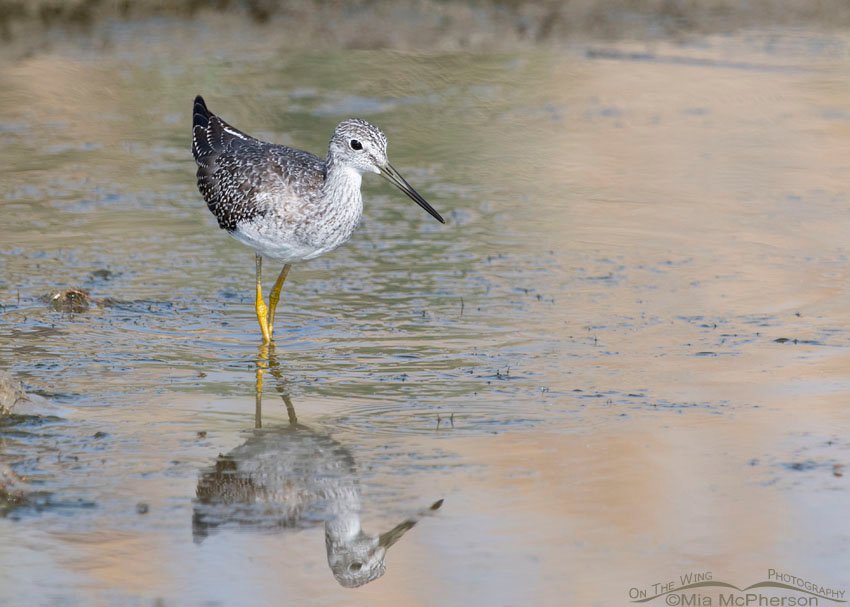
I also heard but didn't see my first of year Greater Yellowlegs and although their calls aren't as melodic as those of Savannah Sparrows it was still music to my ears.
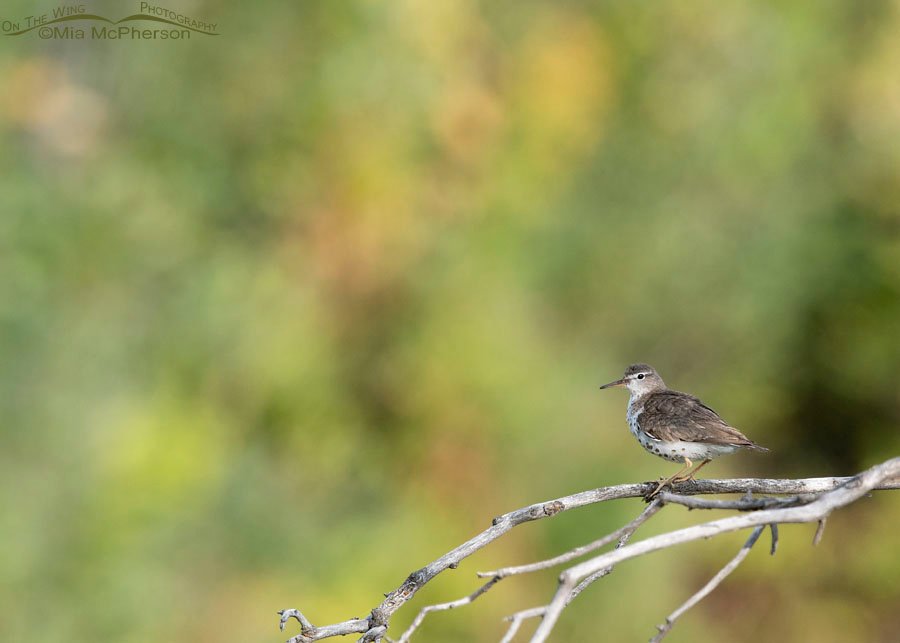
I don't often see Spotted Sandpipers perched in trees so I was enchanted when this one landed on the bare branches that hung over a slow flowing creek.

Birds that we might think are too delicate to survive the freezing temps, howling winds and driving snow can and do surprise us with their strength and tenacity.

I'd watched the Greater Yellowlegs foraging and most of the time the prey was too tiny to see but this little fish was a nice catch for the shorebird and for me.

I was able to get back out into the field yesterday and I had a marvelous time photographing young Spotted Sandpiper chicks and learning more about their behaviors near a creek in the Wasatch Mountains.

I was excited and enchanted by seeing and photographing at least two Spotted Sandpiper chicks yesterday morning near a creek up in the Wasatch Mountains.
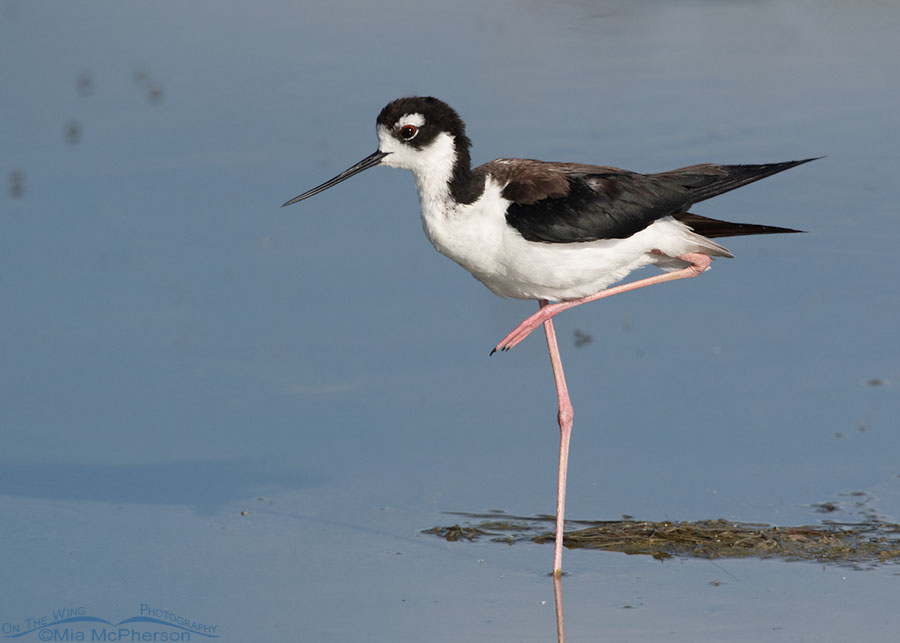
These two Black-necked Stilt photos were taken 9 days ago at Bear River Migratory Bird Refuge and I thought they could easily show the difference between the female and male of this species.
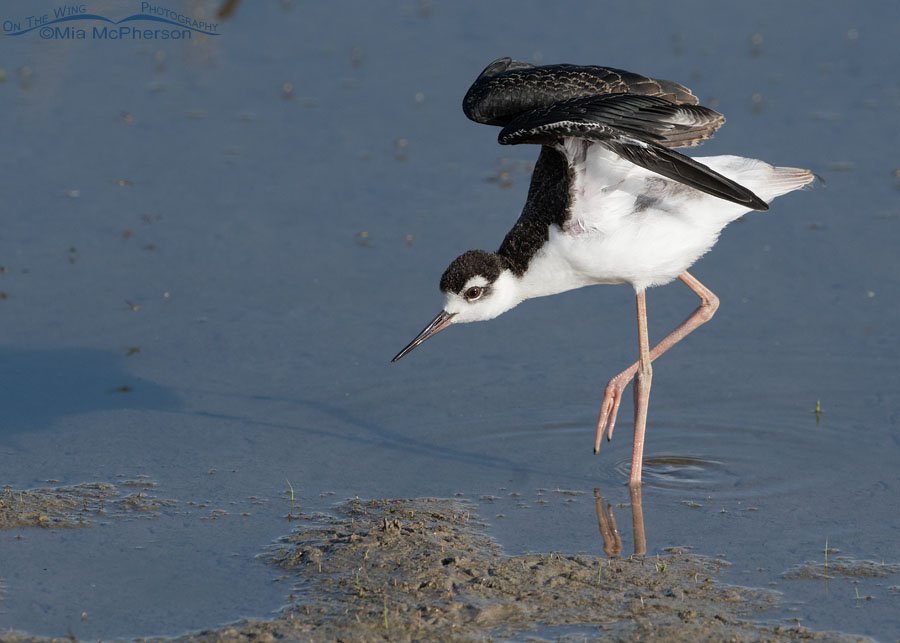
I spent part of my morning yesterday photographing American Avocet and Black-necked Stilt chicks from the auto tour route at Bear River Migratory Bird Refuge and it was a blast watching these young shorebirds.

Three days ago I was tickled to finally see some American Avocet chicks on the marsh at Bear River Migratory Bird Refuge, I've been waiting to see these little puff balls this year!

Both the female and male Killdeer incubate so there is no way for me to tell what the gender of this Killdeer is but it stayed on the scrape while I photographed it and didn't move.
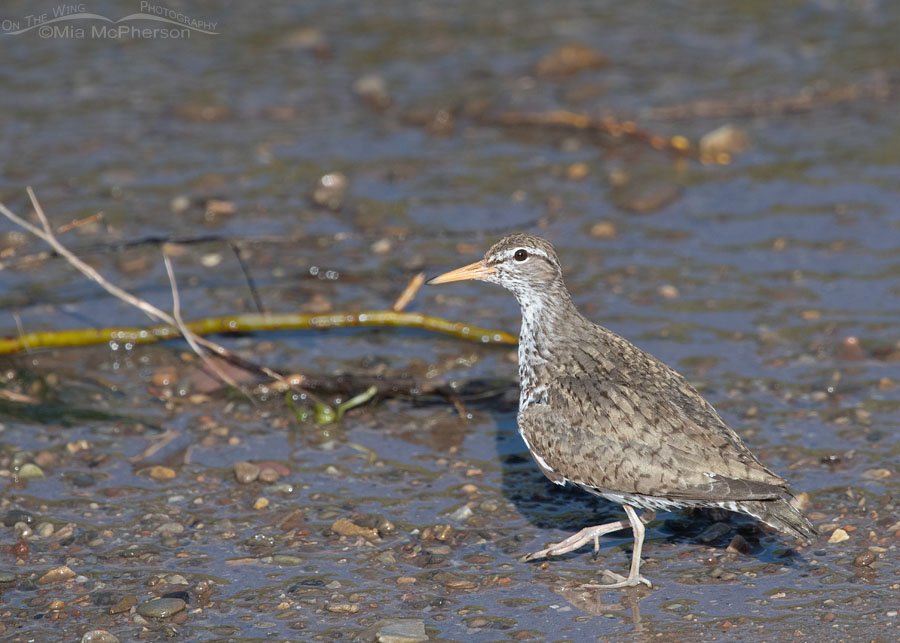
I only had this Spotted Sandpiper in my view for about 24 seconds and I'd say more than half of that was spent flying around so I am glad that I was able to take this photo at all.

When a bird photography trip up to Bear River Migratory Bird Refuge starts with me spotting not just one but two Snowy Plovers out on the flats I just know the day is off to a great start and that is what happened yesterday morning.

May is a time of renewal at Bear River Migratory Bird Refuge and as the marsh begins to green up the migrant birds return and along with the year round residents their songs and calls can be heard over the wetlands.
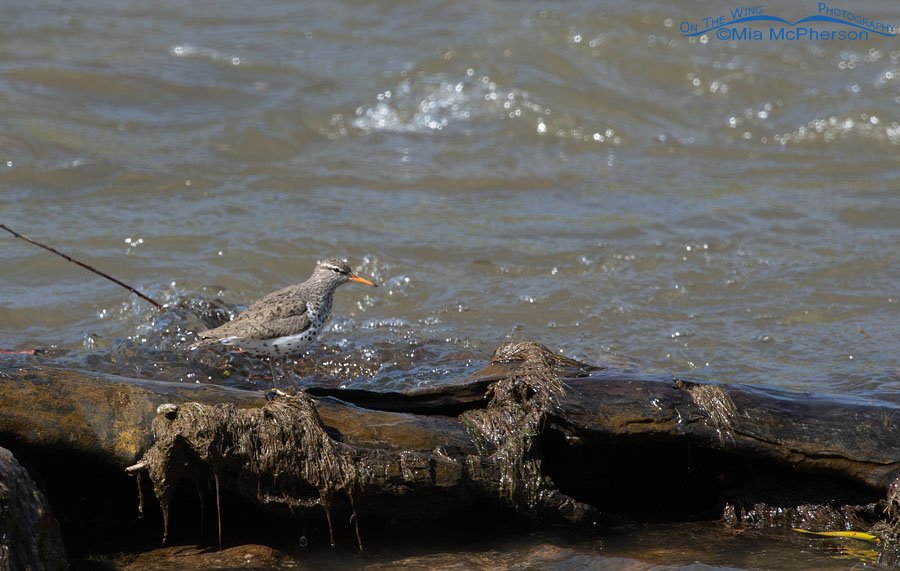
Two days ago while near the Weber River up in Summit County I heard a familiar sound and I knew from that sound that a Spotted Sandpiper was nearby.

It was a pleasure for me to see and photograph a Willet two days ago on Antelope Island State Park and this Willet even started calling which made it even more of a pleasure for me.
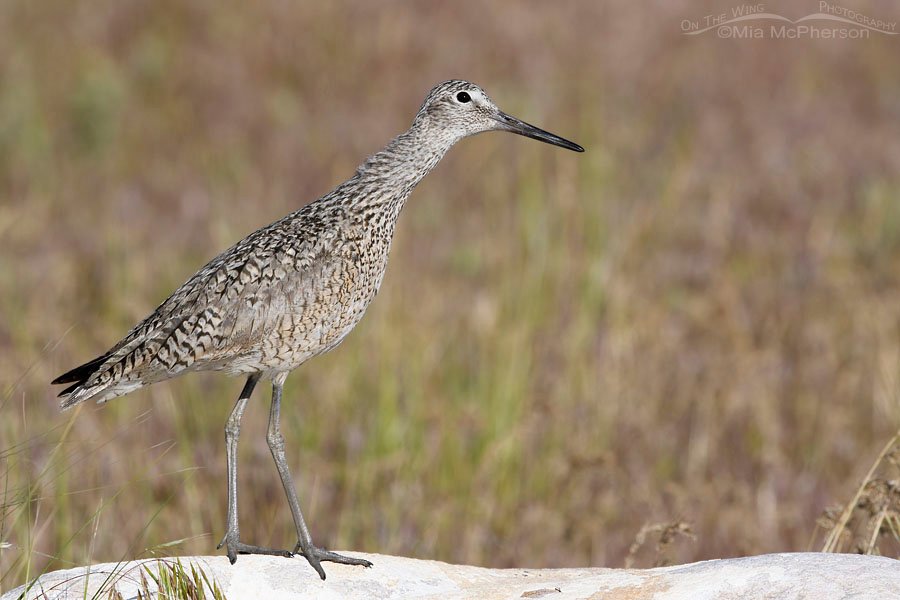
While looking for Sage Thrashers to photograph on Antelope Island two days ago I swear I heard a Willet call. It was just one distant call but my ears perked up right away.
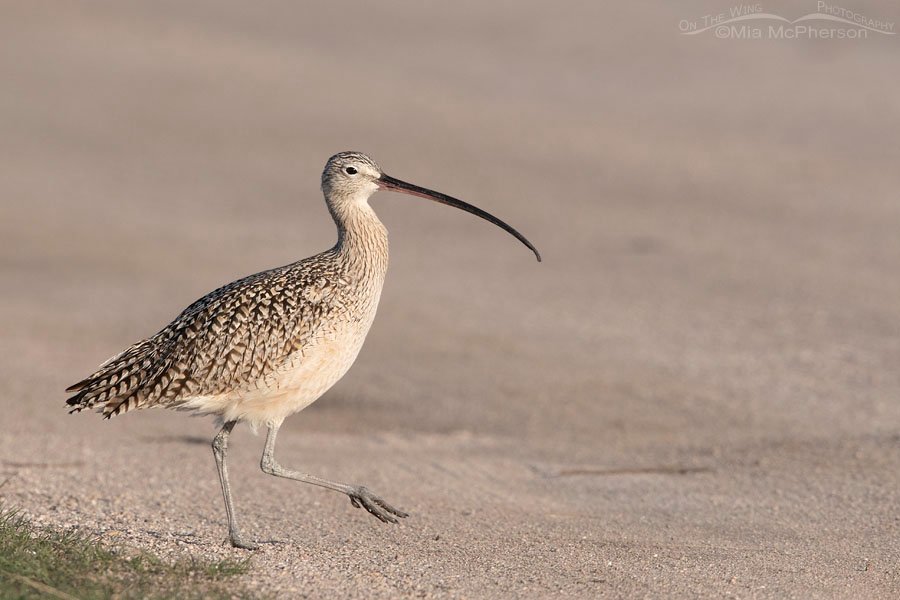
The road is nothing more than a sandy track that runs through a grassland area where in past years I have seen Long-billed Curlews displaying, fighting, courting and mating and I hoped to see that yesterday.

I spent my morning yesterday driving on the very muddy auto tour route at Bear River Migratory Bird Refuge and the birds that I photographed the most were Killdeer, it seemed like I saw them everywhere.

Yesterday when I saw, heard and photographed these Long-billed Curlews while on Antelope Island I was reminded of all the times I have taken photos of these large shorebirds here in Utah, Montana and in Florida and how I have enjoyed having an intimate view of their lives both through my lens and with my eyes.

This morning I'm thinking back on warmer days where I took photos of Spotted Sandpipers on the Gulf Coast as they scurried among those oyster beds looking for food and somehow I feel just a little bit warmer looking at this photo and the howling wind doesn't seem quite so loud.

I've been seeing lots of Greater Yellowlegs recently at Farmington Bay WMA here in northern Utah and that might seem unusual because signs of winter have already shown but it really isn't that unusual at all for this species of shorebirds.

Water levels have been dropped in some units at Bear River Migratory Bird Refuge for dike maintenance and this made me think of what might happen in the future due to climate change and if more dams are built on the Bear River and how the reduction of water reaching the refuge might be a huge issue

Because of the avocet's determination to chase off this Greater Yellowlegs I was able to photograph it lifting off from the water with water still dripping from its feet and with the shorebird's head framed by its wings.
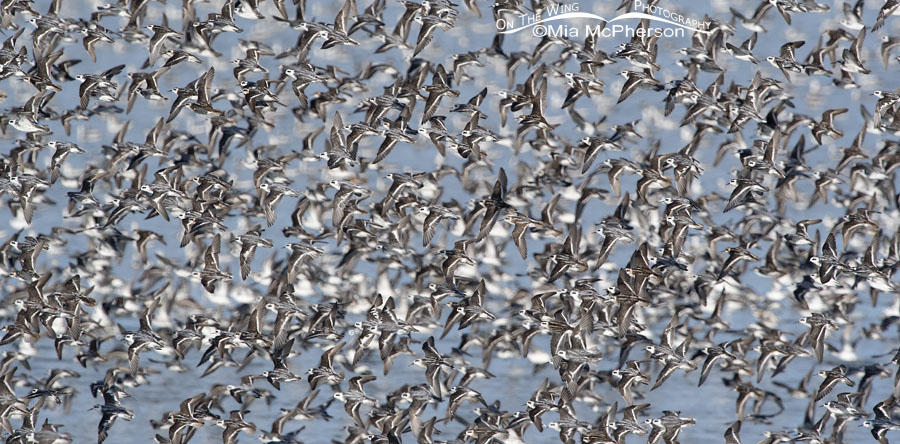
Red-necked and Wilson's Phalaropes have started their fall migration and one of the places where they gather in large numbers is the Great Salt Lake where they show up in the tens of thousands to feed and rest before continuing their journey.

It is always nice to be able to point out a lifer bird to someone else and that is what I did on June 25th after I spotted a tiny Snowy Plover at Bear River Migratory Bird Refuge foraging in the mud.