American Herring Gulls
Two Herring Gulls (Larus argentatus) at different stages of life, one an adult in breeding plumage, the other an immature gull in flight.



Two Herring Gulls (Larus argentatus) at different stages of life, one an adult in breeding plumage, the other an immature gull in flight.

White-winged Doves (Zenaida asiatica) are one of the larger gray-colored dove species in North America and they are more at home in semi-arid and desert areas than Mourning Doves.

It dawned on me this morning that I haven not posted an image of a Western Sandpiper here yet so I pulled this one out of my archives that I photographed at Fort De Soto as the small shorebird ran in front of me on the shoreline.

This Snowy Egret image was taken just after the sun had risen above the horizon in about the same location as the egret image I posted yesterday but at a completely different time of the year.
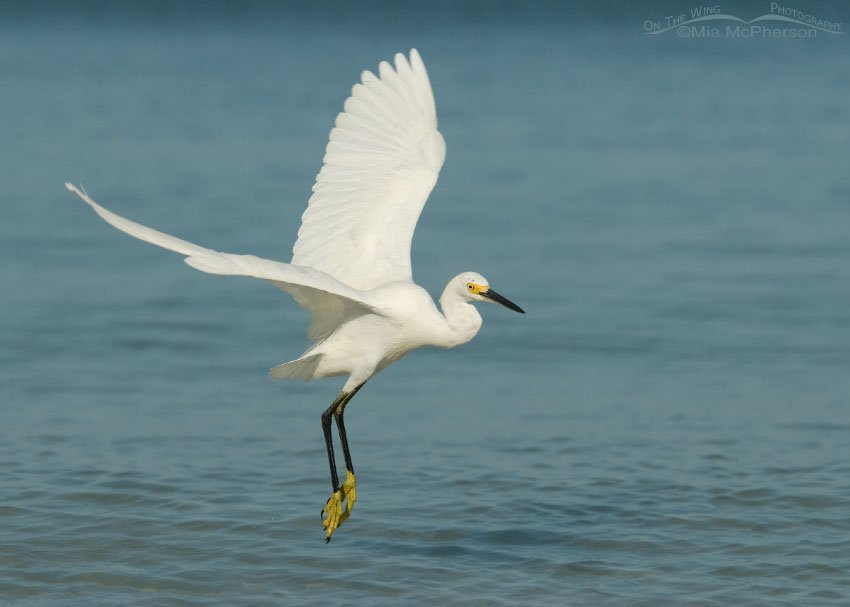
I was photographing at Fort De Soto's north beach on May 30th, 2008 when I had a very cooperative Snowy Egret start fishing in the warm waters of the Gulf of Mexico right in front of me.

Some images remind me of the wonderful day I had when I created a certain image, this photo of a Tricolored Heron in breeding plumage photographed at the north beach of Fort De Soto, Florida is one of those files.
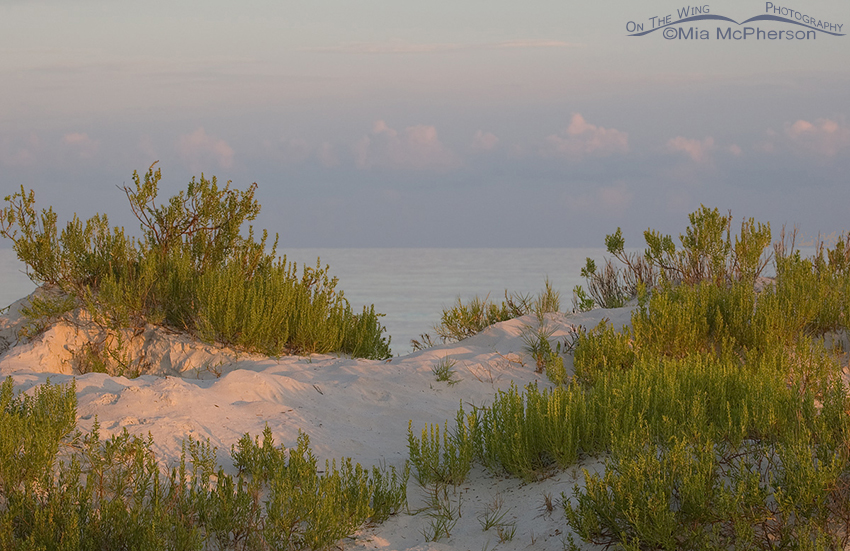
While looking through my archives a few days ago I came across two images, one of sand dunes at Fort De Soto County Park in Florida and the other of sand dunes on Antelope Island State Park in Utah. I remember that I took both images because I loved the sky, the vegetation on the dunes and how they both make me feel so connected to these two locations that I am deeply attached to.

Getting "Down & Dirty" is a way of being at eye level with your subject which brings the viewer into the bird's world and it can make the image feel more intimate too. Achieving those low angle perspectives can be quite messy and/or uncomfortable depending on the habitat.

You don't always need to have long focal lengths to get close up images, this image was taken with a moderately priced Nikkor 70-300mm VR at only 220mm and it is practically full frame.

Willets have returned to Utah, on the causeway to Antelope Island hundreds of them can be seen in the shallow water. They seem to spend some time there fattening up after migration before they get down to the serious business of mating and rearing their young.

There were two Reddish Egrets (Egretta rufescens) on the north beach of Fort De Soto that day and it was a blast to watch them race around catching the small fish.

As much as I like to compose images that are full frame I find that I often allow myself a touch of extra space around my subject so I can recompose in post processing by making different crops.

Short-billed Dowitchers feed on insects, crustaceans and aquatic mollusks. Quite often when I lived in Florida I would see them feeding on Coquinas which are small bivalves or tiny Fiddler Crabs.

These two photos are of the same adult American Oystercatcher (Haematopus palliatus) in sequential order taken at Fort De Soto County Park in Florida. I was laying in the sand while I created the images to get a low angle and the bird was on a ridge elevated slightly higher than my location.

I love the challenge of photographing white birds and getting the exposures right, I like to nail it. Snowy Egrets (Egretta thula) are great birds to practice getting exposures of the whites set correctly.

Brown Pelicans (Pelecanus occidentalis) were common year round along the Gulf coast when I lived in Florida. I would see them floating in the water, resting on sandbars and beaches, diving for prey and in flight.
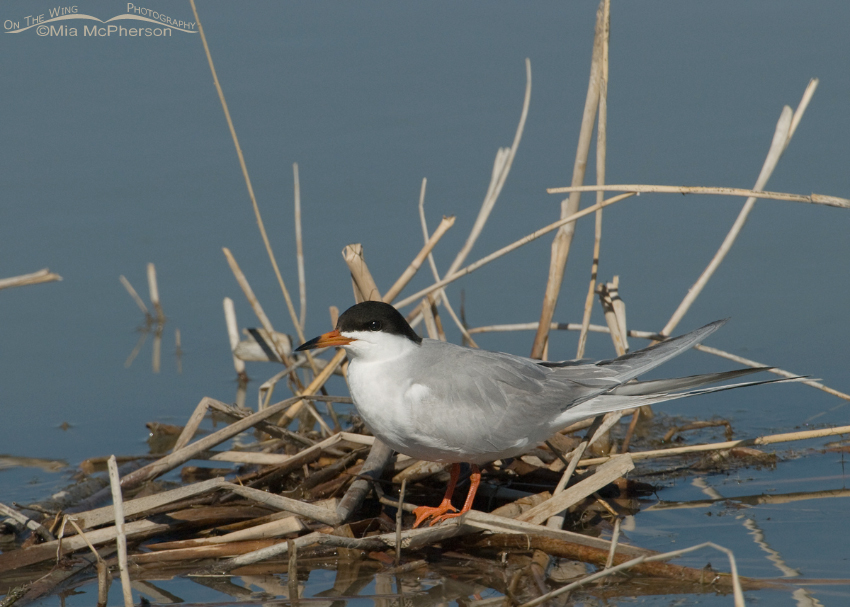
When I moved from Florida to Utah I felt it was fortunate that some of the nonbreeding birds I used to see in Florida during the winter I now get to see in breeding plumage on their nesting grounds.
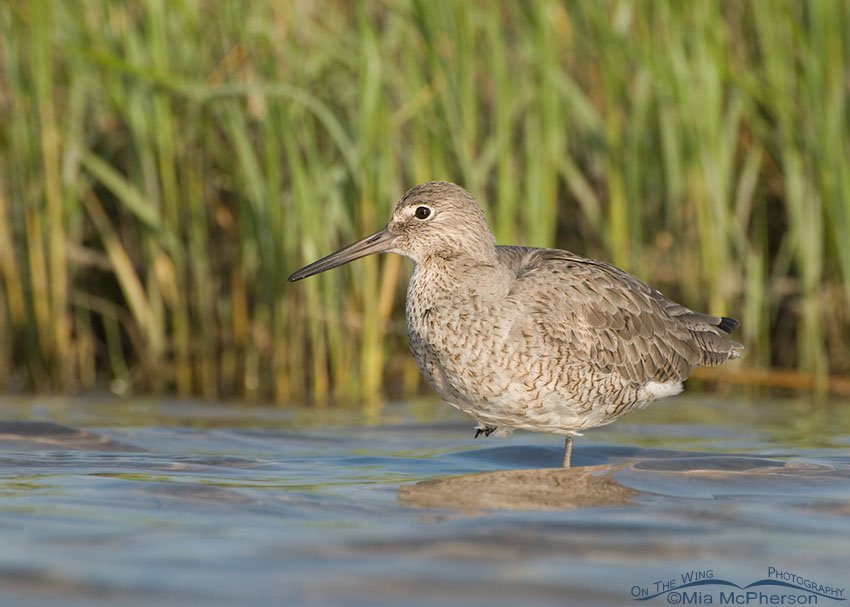
The image above was taken at Fort De Soto on Florida's Gulf coast. The Willets there are habituated to people and because they are it is easier to approach them than it is here in Utah.
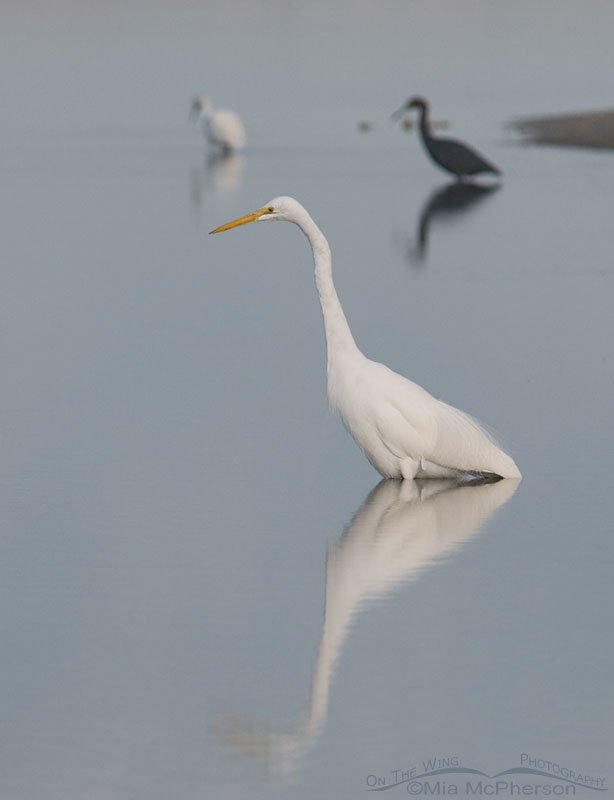
I've always liked the calm mood this image conveys partially because the stalking pose of the Great Egret (Ardea alba), the silky smooth surface of the water, the reflection and how the out of focus Snowy Egret and Little Blue Heron give the frame a depth that wouldn't be there without them.

When I photographed Semipalmated Plovers in Florida I found that if I got down to their level and laid still they would approach me very closely. That takes patience but the effort is well worth it.

I've always liked this photo because it shows how this American Oystercatcher (Haematopus palliatus) is using its long bill to pry open a shell.

A few days ago I read that a Long-billed Curlew had been spotted on Antelope Island State Park and that got me excited. I've waited to see them again since they left last fall and I simply can not wait to hear their mysterious and hauntingly beautiful call.

Red-winged Blackbirds are birds that I associate with spring, the males begin calling perched on top of reeds, cattails, grasses and shrubs and flash their brightly colored coverts to attract a mate.

Piping Plovers nest in shallow scrapes in sand, gravel, salt flats or dunes which leaves their nests vulnerable to predators and in danger of being accidentally stepped on.

I'm glad I didn't turn around to head home when I saw the thick sea fog that morning, if I had I may have missed photographing some of these beautiful things.
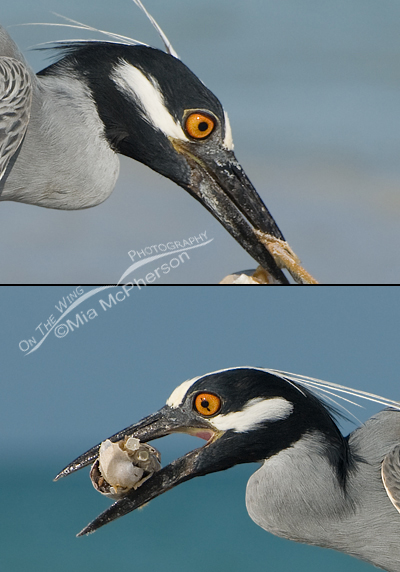
I recently read about a congenital condition in humans called "iris colobomas" which is also found in other mammals and birds and have begun to wonder if that might not be the cause of the abnormal pupils I see in some species of birds instead of an injury to the eye.

The sun had not yet crested the eastern horizon when I photographed this Great Blue Heron as it hunted in the shallow waters on the shoreline of the Gulf of Mexico.
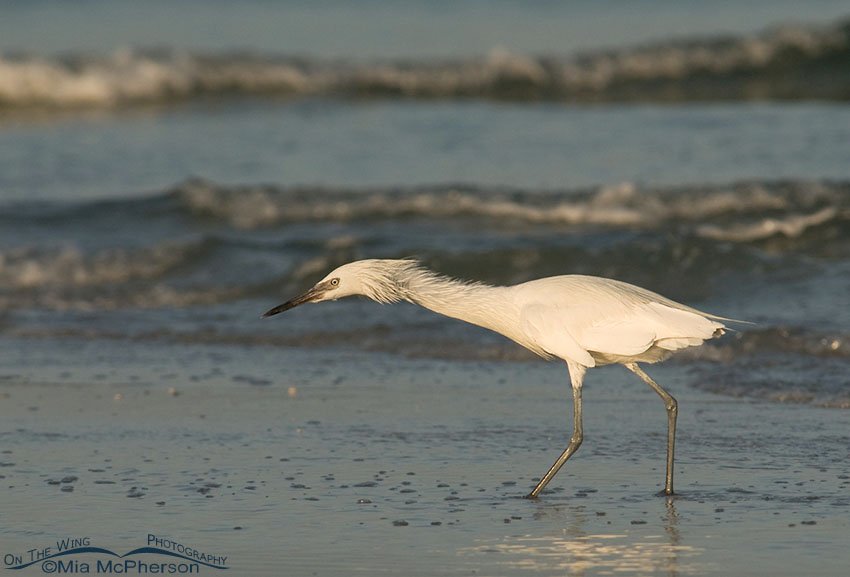
While I lived in Florida I simply adored being able to photograph Reddish Egrets, they can be graceful or goofy looking, they twirl, dash and dance.

I was laying down in the wet sand with my lens about an inch from the surface of the beach when I photographed these shorebirds, one needs to watch out for those rogue waves because they don't only wash away the bird's prey... they can soak your lens & camera too!

Double-crested Cormorants are the most widespread of North American cormorants where they are found in salt and freshwater habitats.