What Utah Birds Do When The Heat Is On…
I don't know if the birds think the water of the Great Salt Lake looks refreshing but when the heat is on like today, I sure do!



I don't know if the birds think the water of the Great Salt Lake looks refreshing but when the heat is on like today, I sure do!
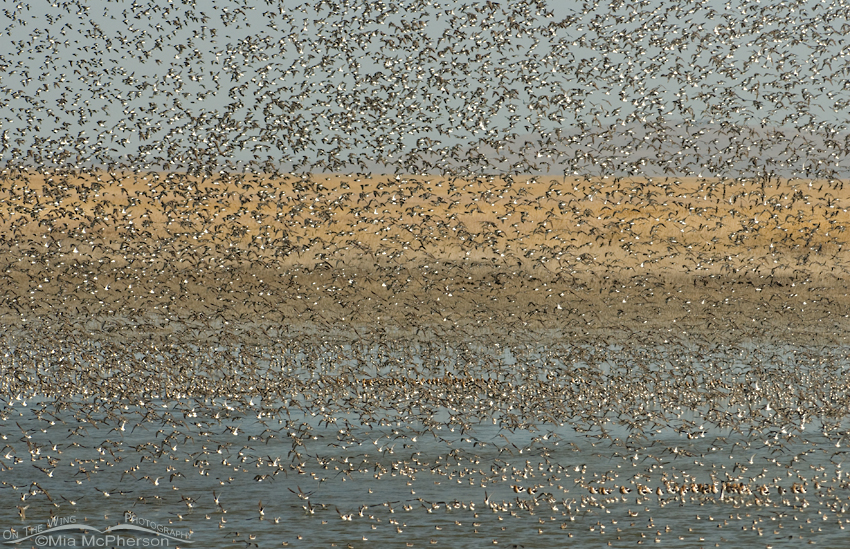
There were hundreds of thousands of Wilson's Phalaropes near the shoreline of the causeway, whirling around in the water and along the marshy areas not far from the park entrance.
Currently I am considering pursuing legal action against a commercial web site in Layton, Utah that has stolen 4 of my copyrighted images and used them on their site. The process of making a legal claim is daunting to me, however; I feel that I have to stand up and fight for what is legally mine AND protected by law.
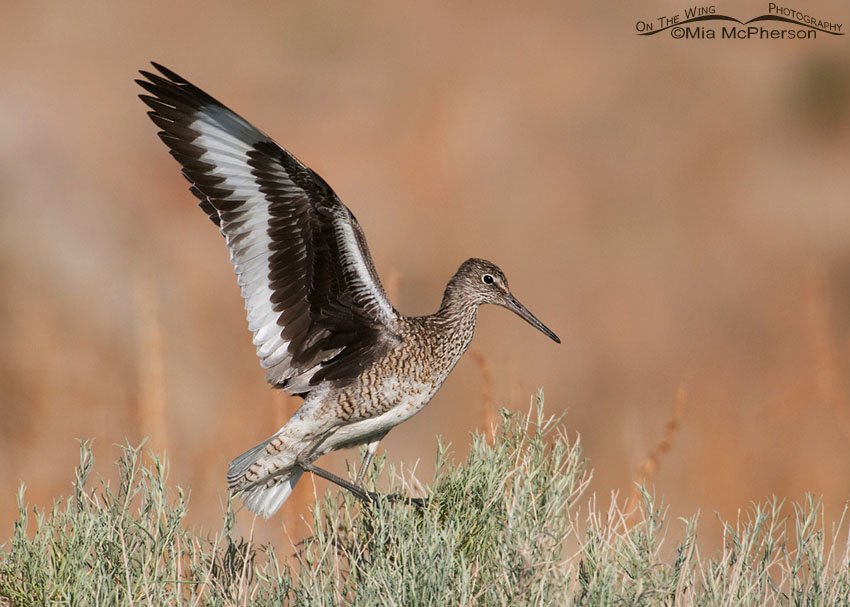
I've heard people call Willets "Plain Brown Birds". I reckon they may have never seen one looking like this Willet.
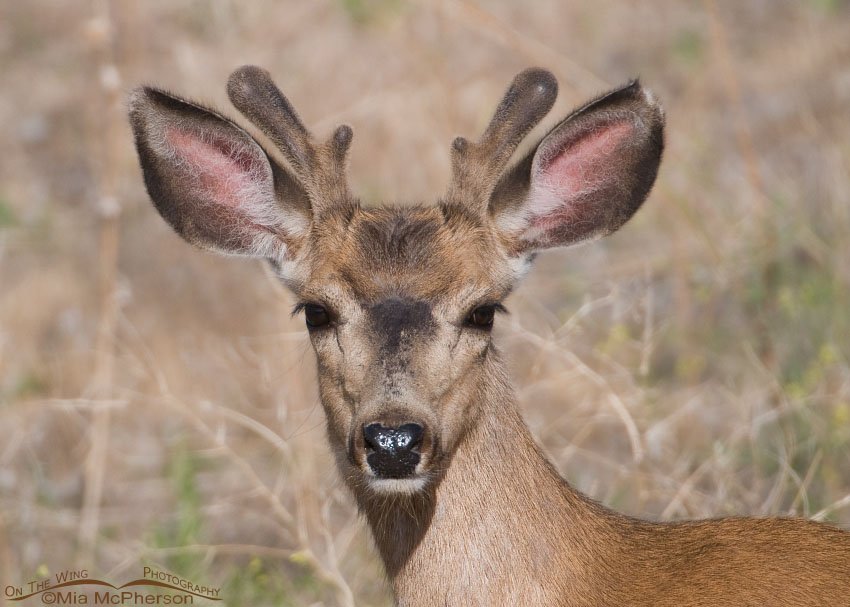
While out on Antelope Island State Park the other day I spotted a Mule Deer (Odocoileus hemionus) that was almost hidden by tall grasses and stopped to get some images.

I bet you are wondering what I mean by "Poopy perches", I know I would be if I saw that title. Am I talking about perches that are man-made and ugly? Or perches that are just not all that appealing visually?
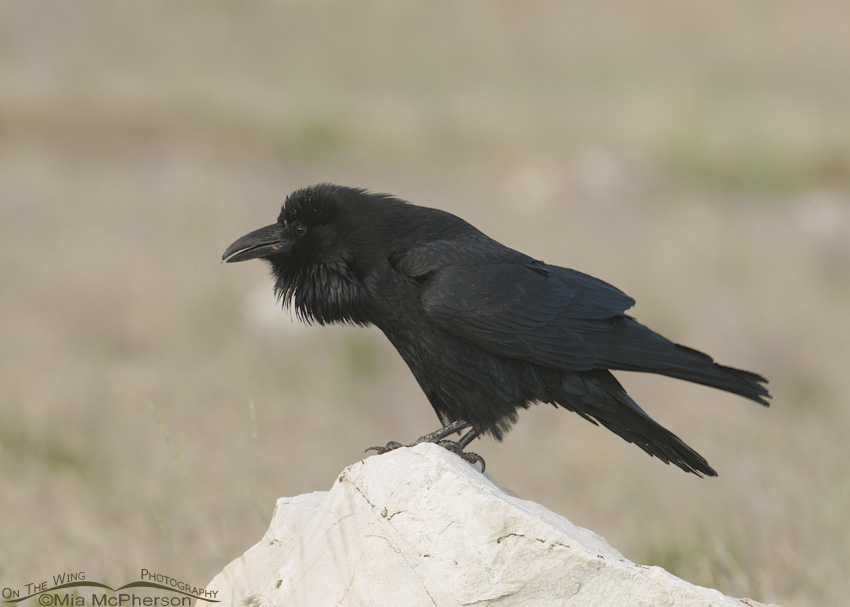
I came across this Common Raven perched on a small rock in an open field that had been feeding on roadkill on the shoulder of the road.

I had some luck with a cooperative Lark Sparrow this past Sunday where the handsome bird stuck around for quite a bit on several different perches.

Cheatgrass is invasive but I sure think it can be pretty especially with a lovely bird amongst it like this male Long-billed Curlew that I photographed on Antelope Island State Park recently.
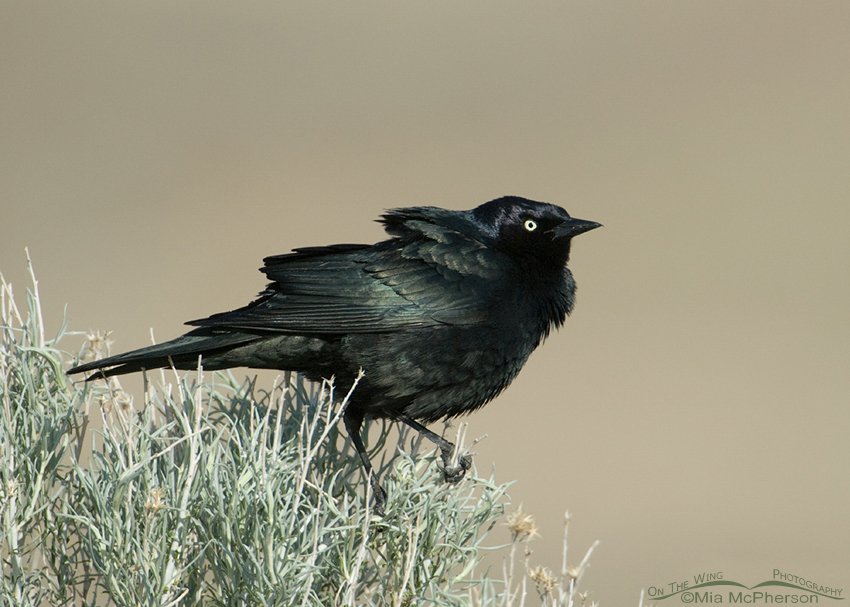
While out on Antelope Island State Park on Friday I spotted a male Brewer's Blackbird on top of a bush, the light was just great for viewing and photographing the iridescent teals, blues, greens and purples that can show up on these "black" birds.

It was the first time I have been able to photograph a California Gull with nesting material so I was quite pleased.
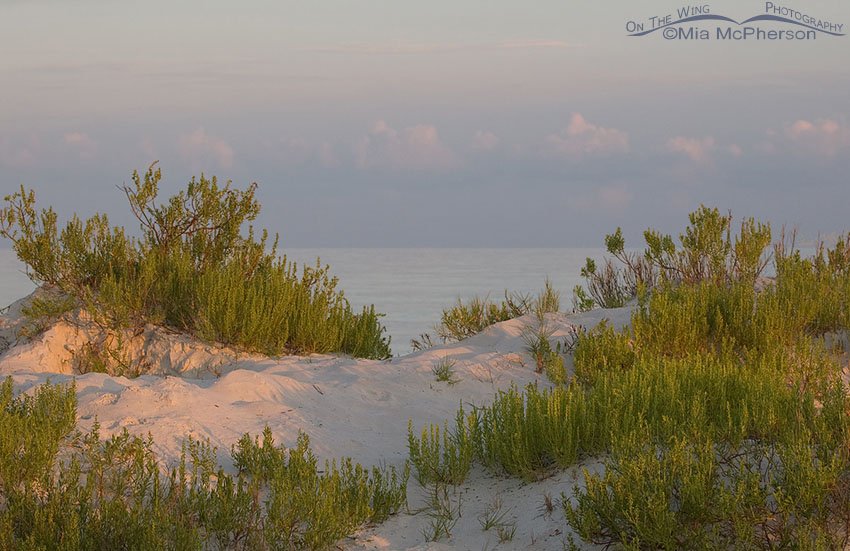
While looking through my archives a few days ago I came across two images, one of sand dunes at Fort De Soto County Park in Florida and the other of sand dunes on Antelope Island State Park in Utah. I remember that I took both images because I loved the sky, the vegetation on the dunes and how they both make me feel so connected to these two locations that I am deeply attached to.
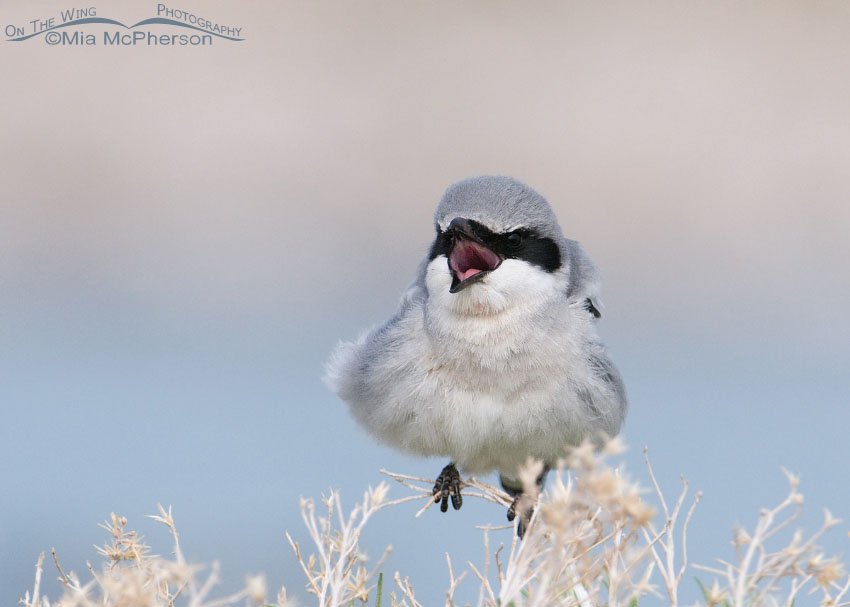
A few weeks ago I was able to photograph a Loggerhead Shrike near the marina on Antelope Island State Park, Utah. It was an interesting experience for several reasons.
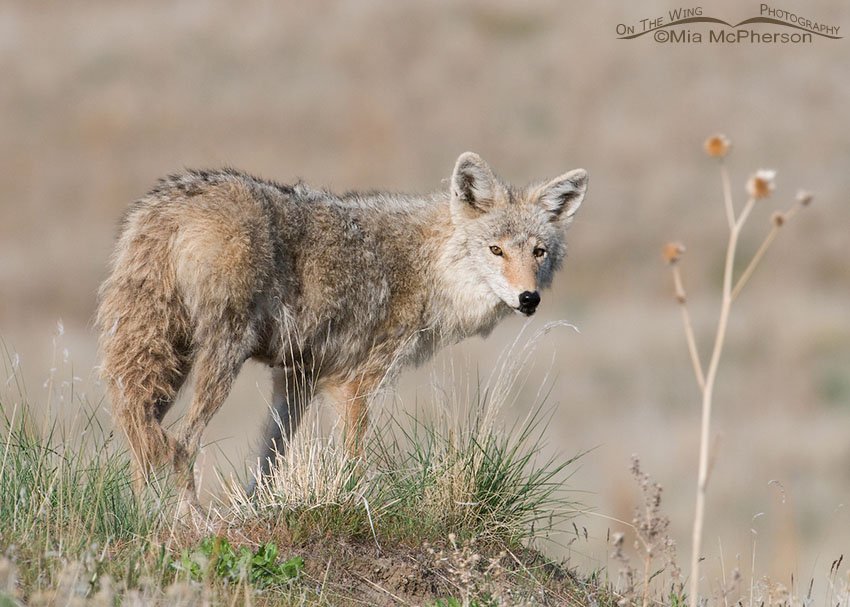
I look at this image and I see intelligence in the Coyote's eyes. I see a warm blooded creature who is doing what it needs to do to survive. I see a female who is nursing pups. I see beauty.

Willets have returned to Utah, on the causeway to Antelope Island hundreds of them can be seen in the shallow water. They seem to spend some time there fattening up after migration before they get down to the serious business of mating and rearing their young.
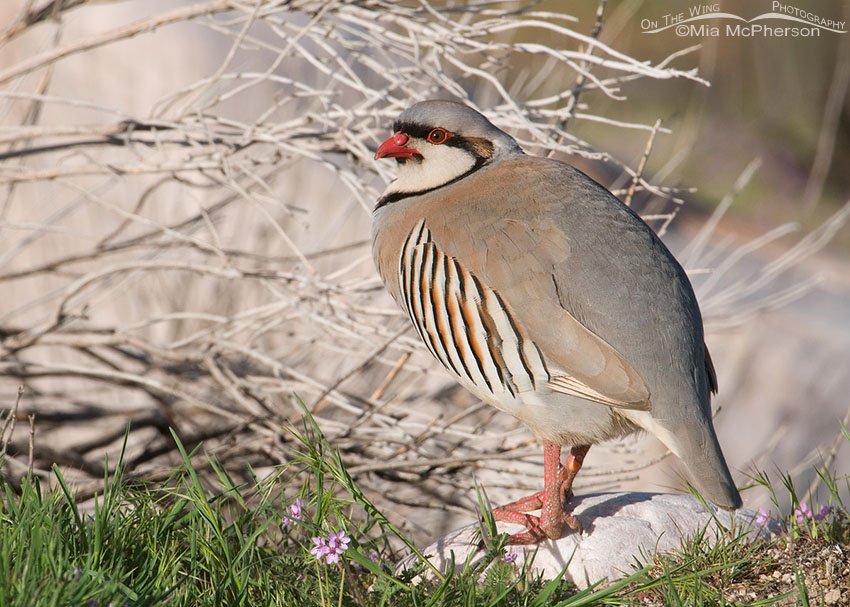
I liked that this spring time Chukar perched on a rock where a few of the Redstem Filaree were visible.

This is the closest I have been to a Lark Sparrow to date and this was a very cooperative bird too!
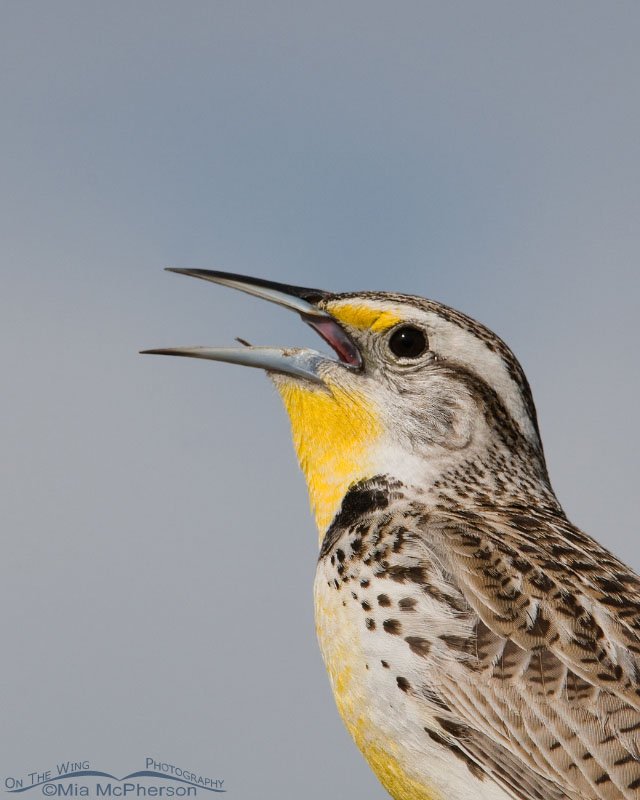
During the spring Western Meadowlarks (Sturnella neglecta) can be easy to locate and then approach because they spend so much time singing from the tops of boulders, bushes, posts and other manmade objects.
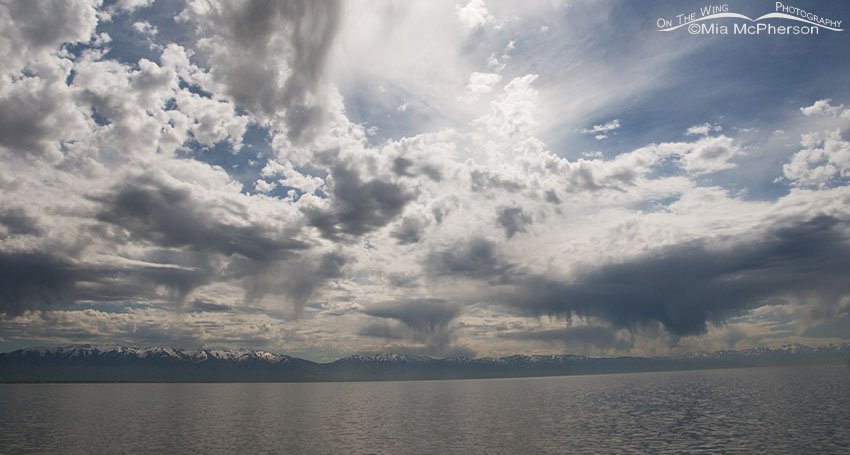
Once again the weather forecasters blew it. Their predictions were wrong. They missed the boat. If weather predictions were a dice game... they crapped out.

During the winter months I miss seeing large flocks of American White Pelicans (Pelecanus erythrorhynchos) soaring in the thermals, in the past few weeks I have been delighted to see them again.

Last week I wrote about Long-billed Curlews having a Territorial Encounter but earlier that same morning I had another wonderful photographic encounter thanks to a scruffy looking, rain soaked Coyote waking up at the top of a ridge.

Yesterday on Antelope Island State Park I witnessed and photographed a territorial encounter between two Long-billed Curlew (Numenius americanus) males that occurred while a female was nearby.

Yesterday while I was out photographing Long-billed Curlews this California Gull (Larus californicus) flew in so close that all I could do was take portraits of the bird.

This past week I have seen a few Sage Thrashers on Antelope Island State Park and although none of them were close enough to photograph I know it won't be long before I will be able to create new images of them.
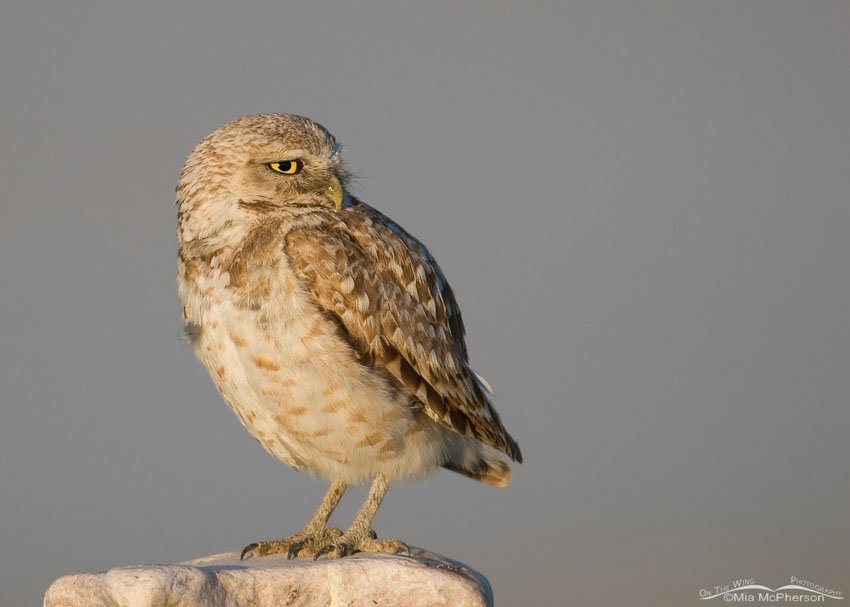
I've selected a few Burrowing Owl (Athene cunicularia) images taken a few years ago to post today.
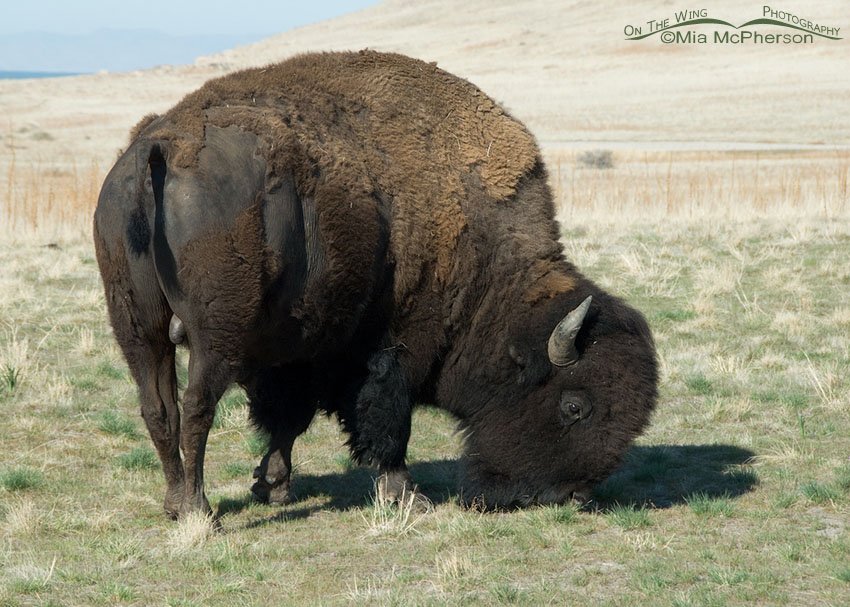
Every day that I spend in the field is always marvelous but it seems especially wonderful during the change of seasons because I feel a heightened sense of anticipation for the first of the year birds, the first spotting of wildflowers blooming or the seasonal changes that wildlife exhibits in behavior or appearance.
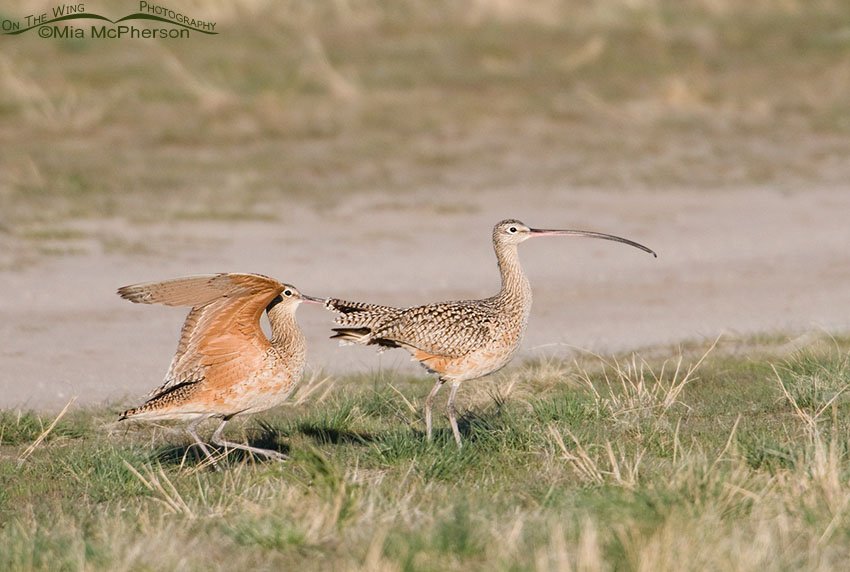
I had a wonderful photographic opportunity yesterday seeing a Long-billed Curlew mating display on Antelope Island State Park.
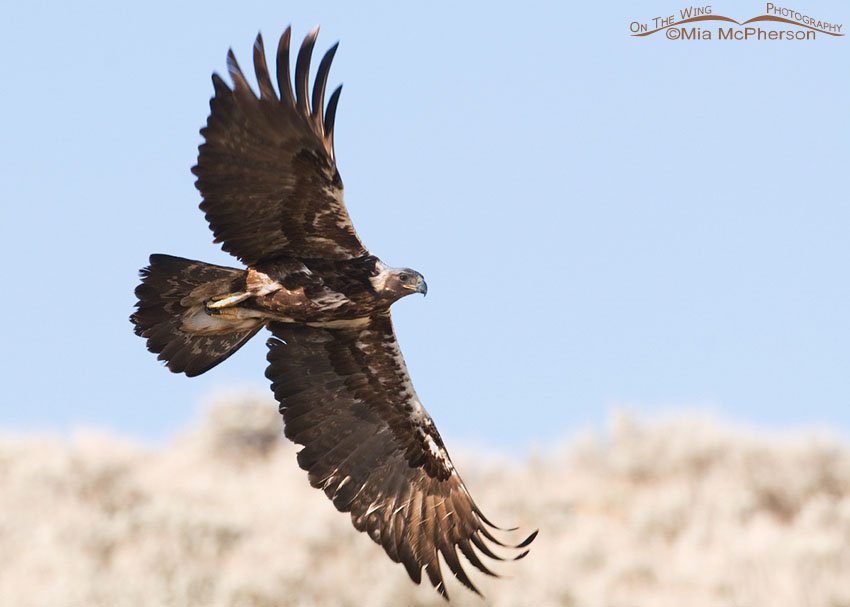
Golden Eagles (Aquila chrysaetos) have thus far been a nemesis bird for me and when I spotted one yesterday I thought I might finally get the shots I have long wanted.
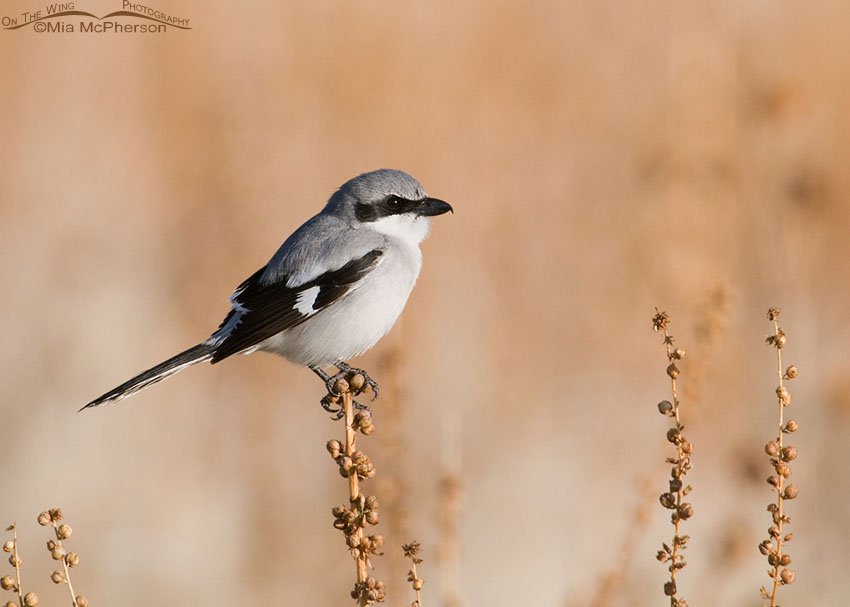
I've been seeing more and more Loggerhead Shrikes (Lanius ludovicianus) pairing up the past week or so which means it won't be long before they are on their nests.

Had I not seen that moving, tan blob beyond my viewfinder I could have easily missed being able to create these Chukar images. Sure, I have hundreds (if not thousands) of Chukar images but I am always looking for different poses, light conditions and settings to photograph my subjects in and this worked out very well.