Bird Sampler for April 28 through May 4, 2013
I wanted to share a sampler of bird images that I have taken over the past week in Davis and Box Elder Counties.



I wanted to share a sampler of bird images that I have taken over the past week in Davis and Box Elder Counties.

Two days ago I spotted this Chukar on Antelope Island State Park on the edge of the road near the marina, the Chukar was at road level but just beyond the rock there is a slope that drops about 25 to 30 feet.
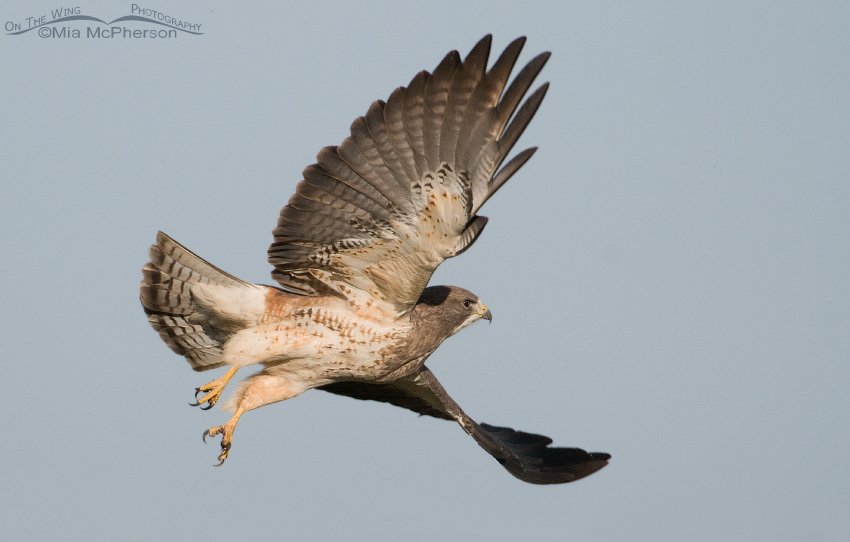
This is an adult Swainson's Hawk just after it lifted off from the barb wire on top of a fence on Antelope Island State Park a few days ago.
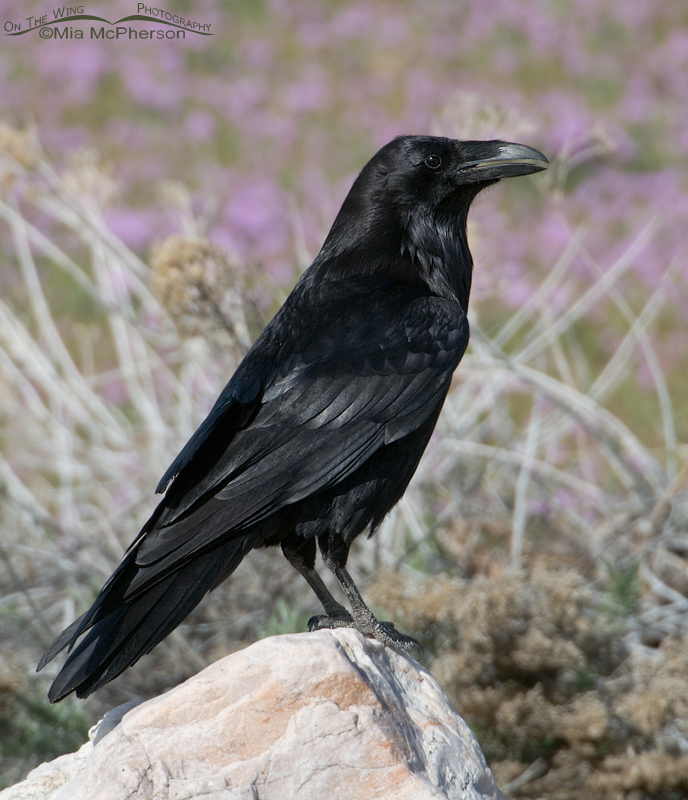
Yesterday I was lucky enough to find and point out this springtime Raven perched in front of a field of pink Filaree, a wildflower from the Geranium family.
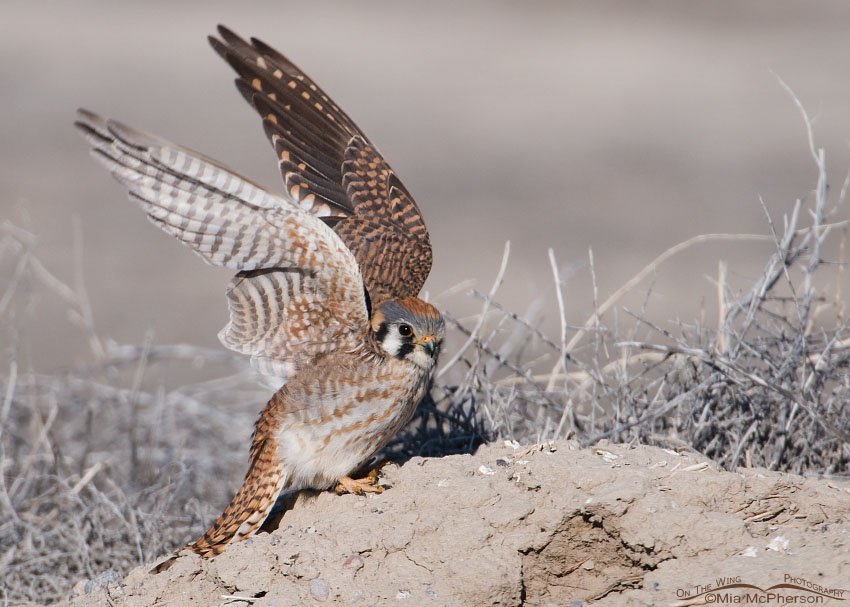
A few days ago I spotted this female American Kestrel on the road to Fish Springs National Wildlife Refuge, and I do mean in the road. She almost didn't move even when the pickup was 20 feet from her as we rolled to a stop.

The Willets are moving into their nesting territory on Antelope Island State Park and I am excited about that. What I am not excited about is that the biting gnats (no-see-ums) are back too.

This is a rather short tale about a Red-tailed Hawk although the tail of the Red-tailed Hawk is no shorter than any other Red-tailed Hawk.

Among the shorebirds I enjoyed seeing and photographing while I lived in Florida were Whimbrels, I could see flocks of 25 or more during the winter along the coast.
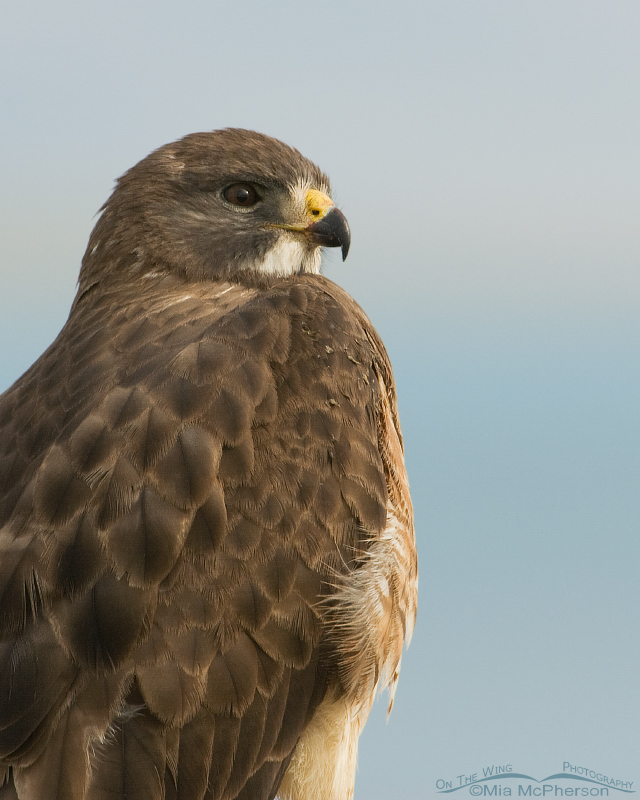
The other day I came across that post and felt very embarrassed because on that post I realized I had incorrectly ID'd this bird as a Red-tailed Hawk.

This is just a simple Long-billed Curlew post with images I took not long before I discovered the Mountain Plovers on April 10th on Antelope Island State Park.

Five years ago today I was laying in the warm wet sands of Fort De Soto County Park's north beach as the salty water from the Gulf of Mexico soaked my skin while photographing a Ruddy Turnstone doing what they do best, turning things.

Great Horned Owls and Horned Larks are species of birds that have tufts that I photograph regularly here in Utah.
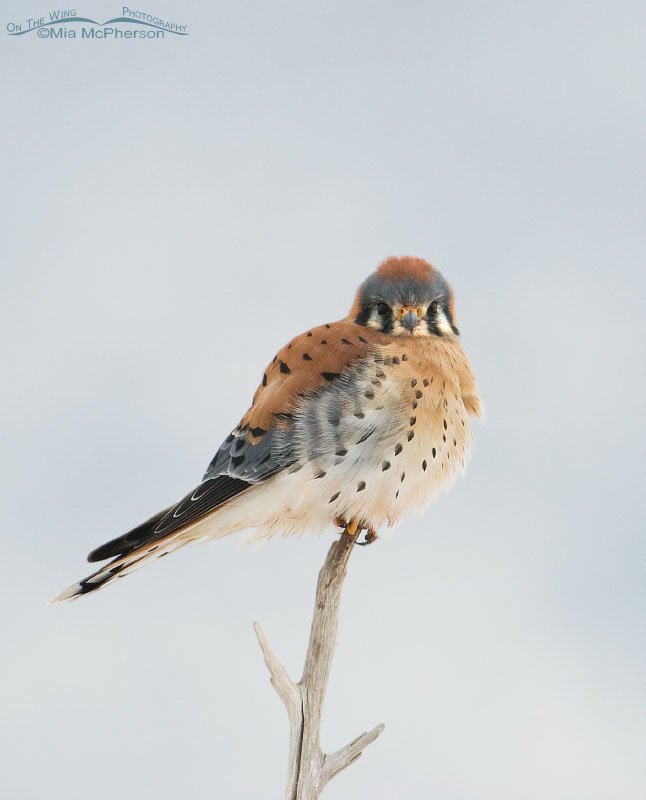
Male American Kestrel in low light

What I saw through my lens was a Mountain Plover, a bird I have long dreamed of seeing. A rarity here in Utah.

American Oystercatchers were among my favorite shorebirds to photograph at Fort De Soto County Park's north beach when I lived in Florida.

This female Great Horned Owl was resting at the opening of an old granary in Glacier County, Montana when I photographed her.

Northern Rough-winged Swallows have a wide range in North America but because of their drab colors they are often overlooked by bird photographers, they are the "plain brown bird" of the swallow family.

Male Boat-tailed Grackles have velvety black feathers that glow in the right light with iridescence purples, blues, teals and greens.

I photographed this male Long-billed Curlew last week as he was starting to lift off.

I photograph tons of male Horned Larks but don't have that many images of female Horned Larks, I was happy to find this beautiful female dancing and singing on a boulder in early morning light yesterday in Tooele County, Utah.
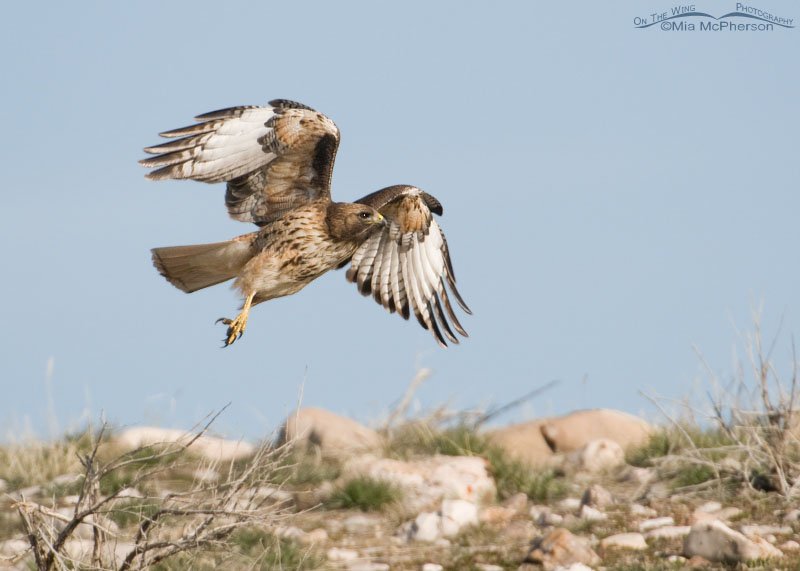
Tooele County beckoned yesterday and I am glad it did because of coming across this adult Red-tailed Hawk.
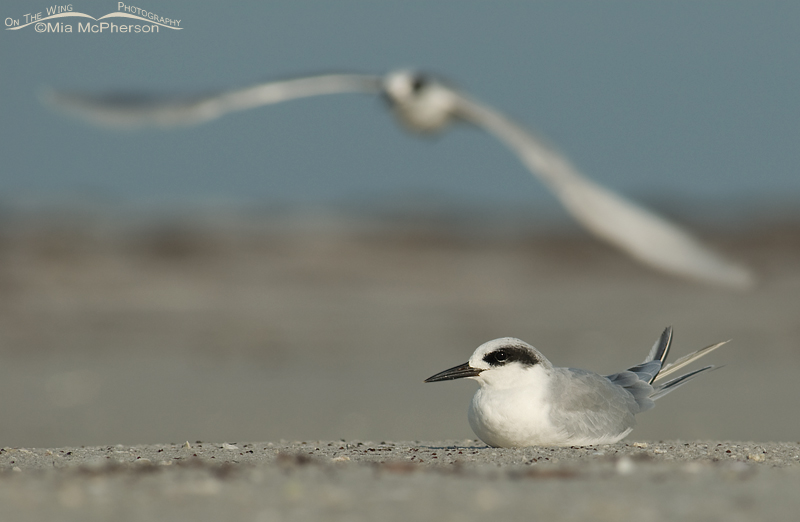
This Forster's Tern image was taken several years ago on Fort De Soto County Park's north beach while it was resting on the sand as another tern was flying towards us both.

Early morning light is a delight and adds a nice mood to images like this one of a Willet in flight.

This male Tree Swallow in flight image was taken two years ago at Red Rock Lakes National Wildlife Refuge in Montana and for some reason I had not processed it until now.
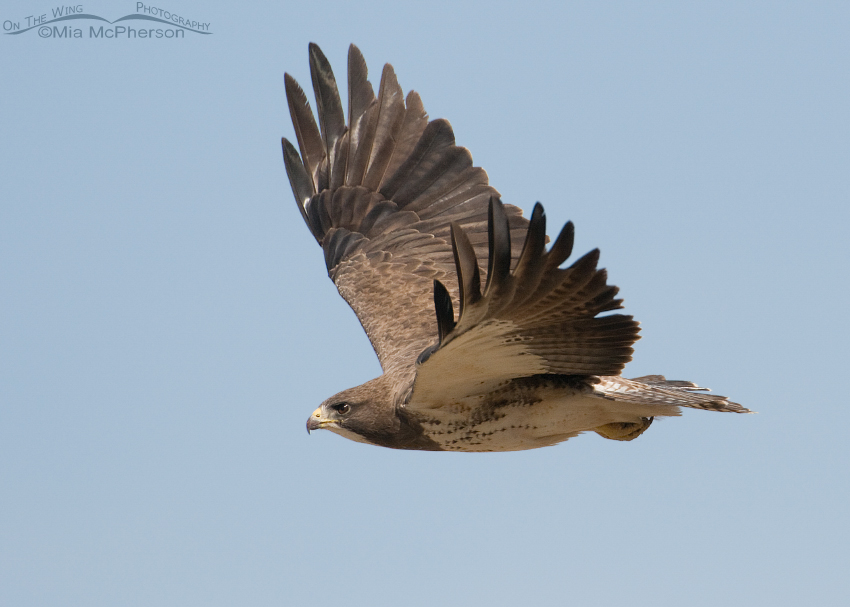
As soon as this cold front passes I will be out looking for the birds of spring including these majestic Swainson's Hawks.
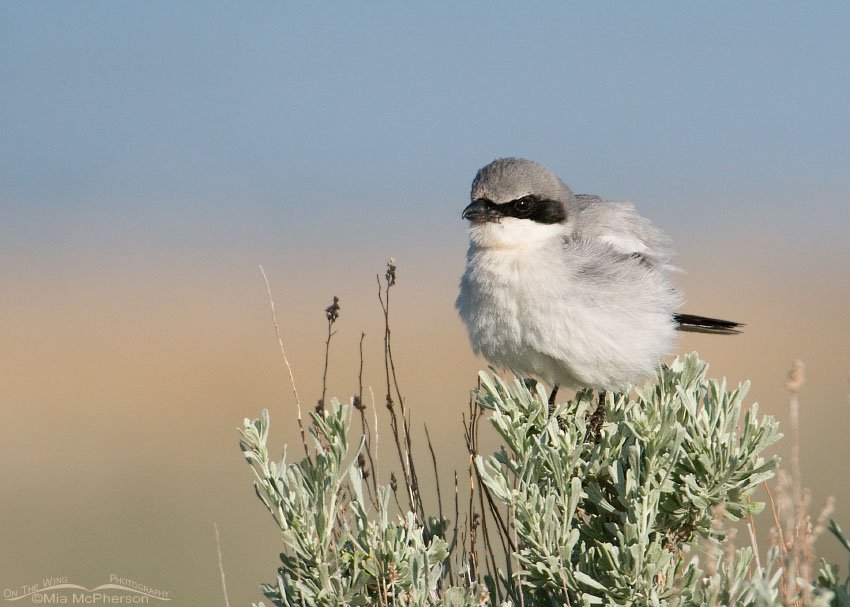
I'm used to seeing Loggerhead Shrikes all year round here in northern Utah but they have been MIA for quite some time.
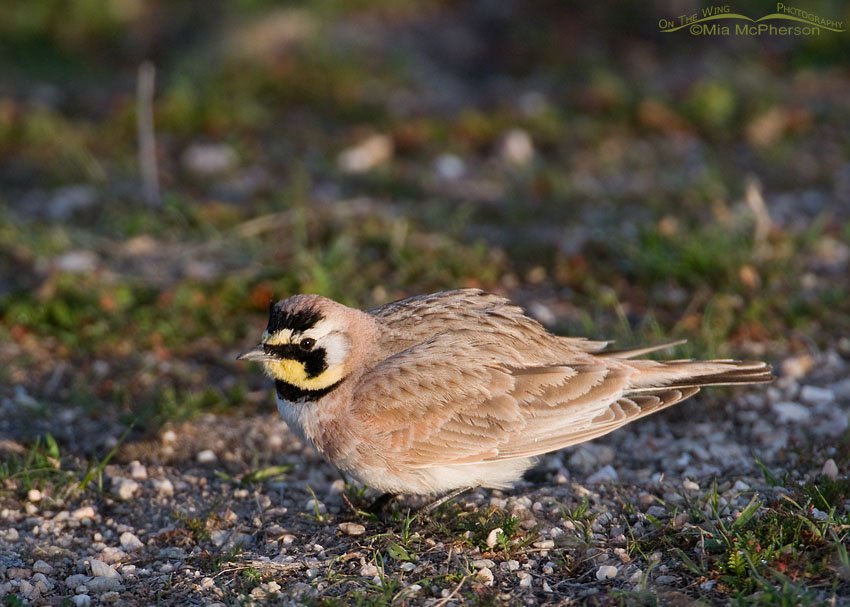
I photographed this male Horned Lark just two days ago and I'm tickled that I can see new growth of grasses in the frame.
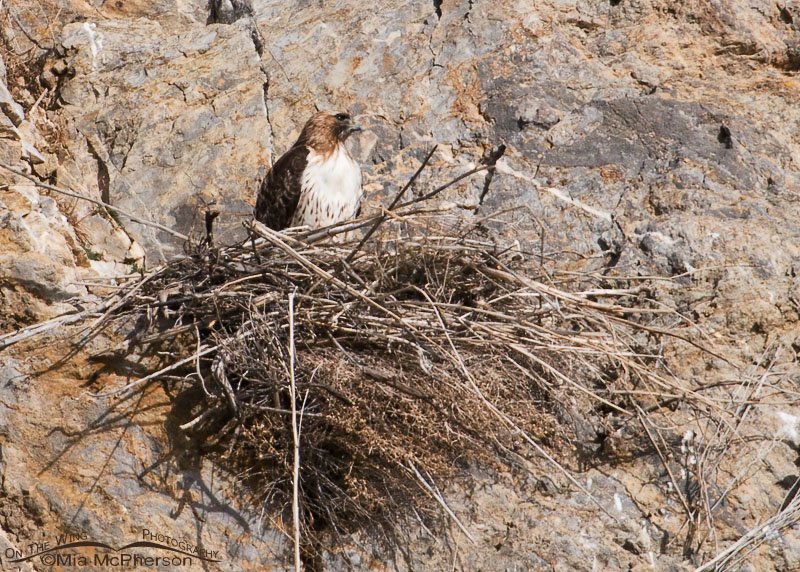
The weird Canada Geese behavior on the top of the cliff led me to finding a Red-tailed Hawks nest though and I am tickled about that.

Normally we have Western Meadowlarks year round here in the Salt Lake Valley but because this past winter was harsh it seemed that they moved south for a bit. They are back now and singing their songs of spring.
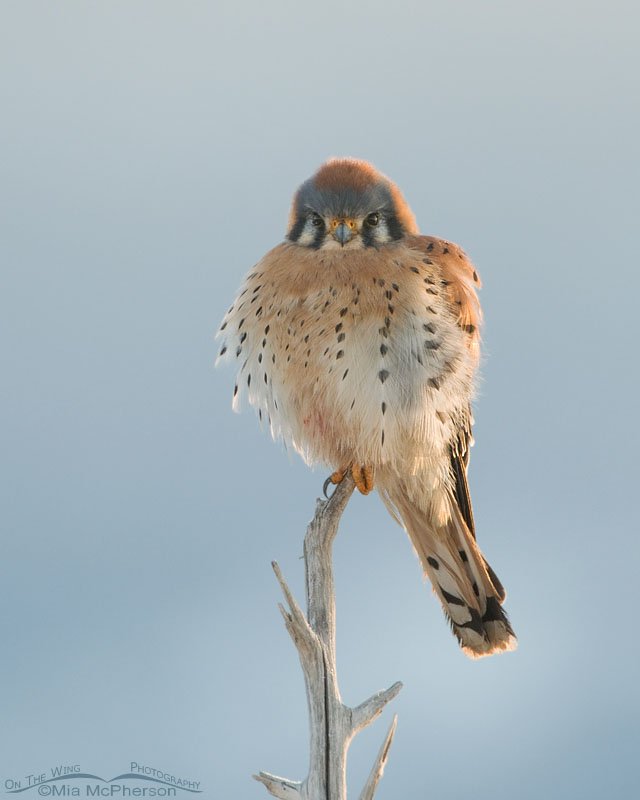
I came across this American Kestrel image yesterday while moving images to a new external hard drive and realized I hadn't edited any of the photos in the series yet, so I did.