Male Tree Swallow In Flight
This male Tree Swallow in flight image was taken two years ago at Red Rock Lakes National Wildlife Refuge in Montana and for some reason I had not processed it until now.



This male Tree Swallow in flight image was taken two years ago at Red Rock Lakes National Wildlife Refuge in Montana and for some reason I had not processed it until now.
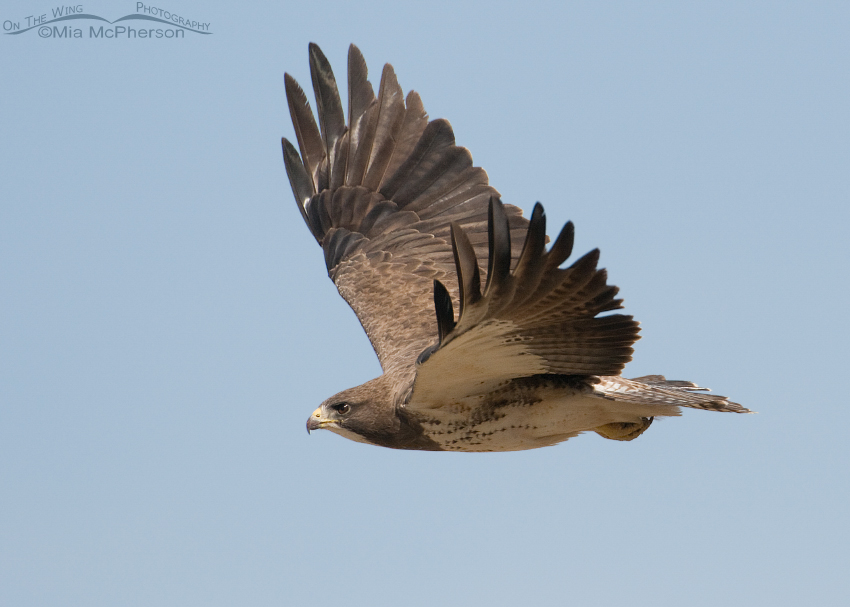
As soon as this cold front passes I will be out looking for the birds of spring including these majestic Swainson's Hawks.
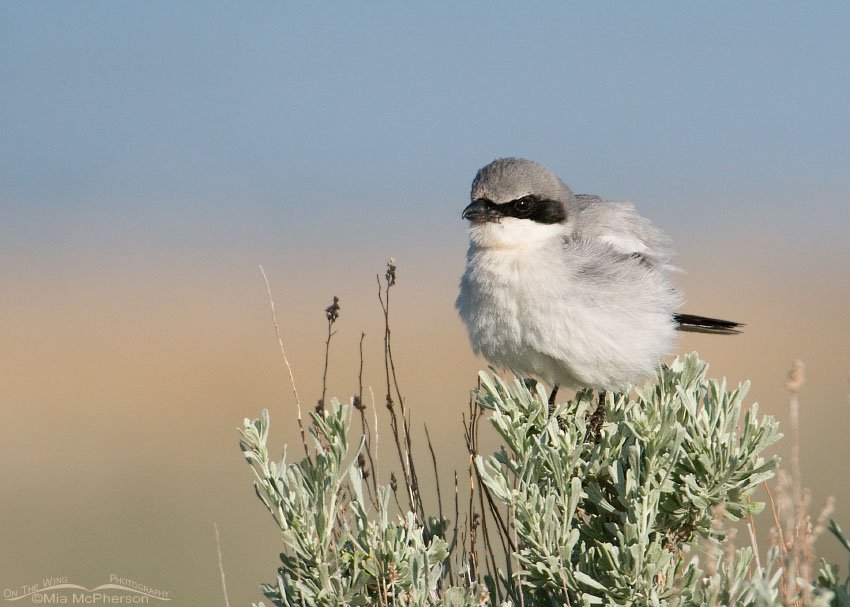
I'm used to seeing Loggerhead Shrikes all year round here in northern Utah but they have been MIA for quite some time.
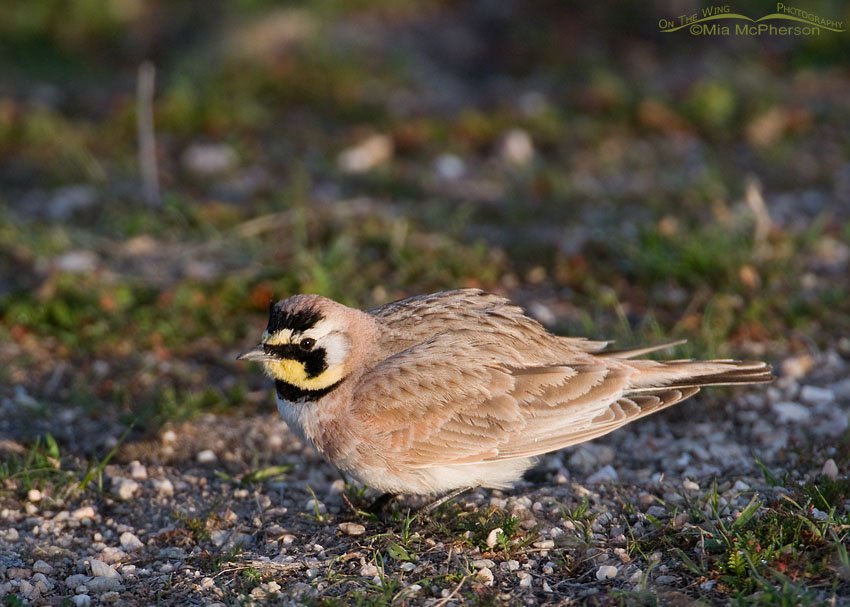
I photographed this male Horned Lark just two days ago and I'm tickled that I can see new growth of grasses in the frame.
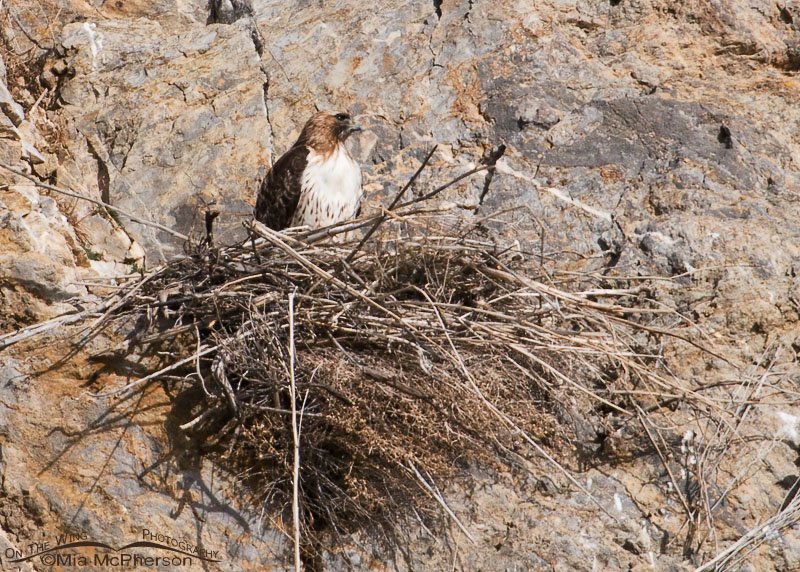
The weird Canada Geese behavior on the top of the cliff led me to finding a Red-tailed Hawks nest though and I am tickled about that.

Normally we have Western Meadowlarks year round here in the Salt Lake Valley but because this past winter was harsh it seemed that they moved south for a bit. They are back now and singing their songs of spring.
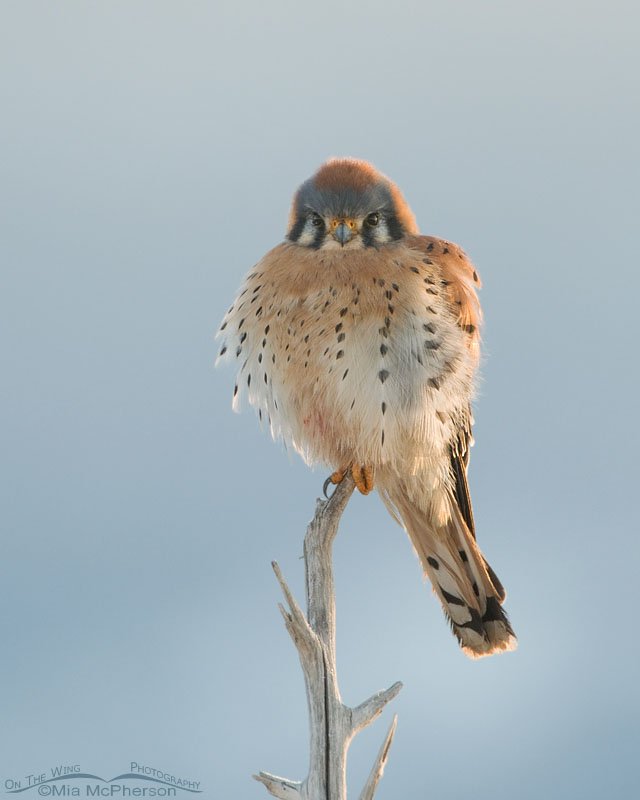
I came across this American Kestrel image yesterday while moving images to a new external hard drive and realized I hadn't edited any of the photos in the series yet, so I did.
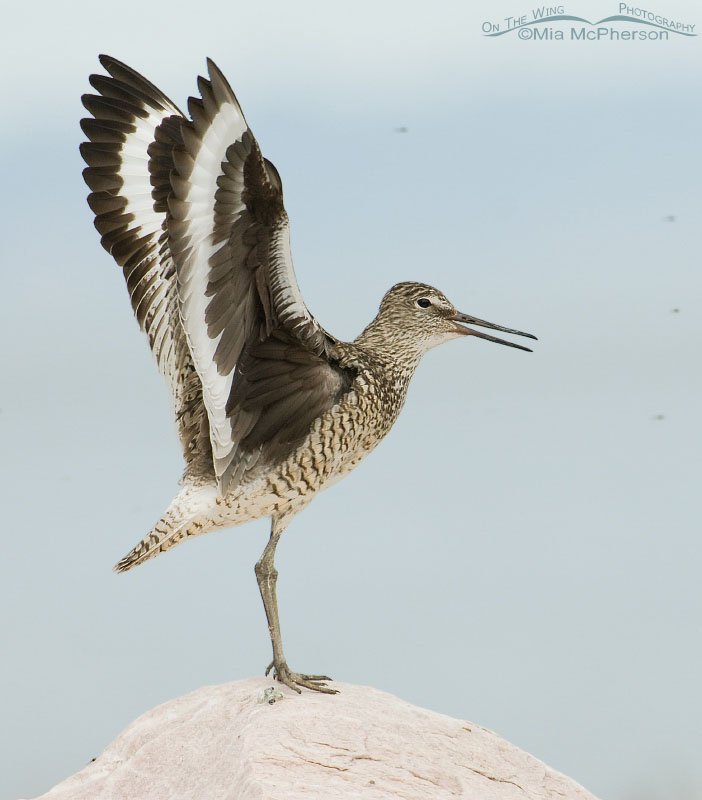
March is a month when I begin to anticipate the arrival of Willets, I have been listening carefully for them and hoping to catch sight of them along the causeway to Antelope Island any day now.

There was a sharp, cold wind blowing from the north yesterday and before I was finished photographing these Black-billed Magpies my hands had gone numb.

I'm hoping to go on a "Goose Chase" this morning, the sky is supposed to be clear so there should be good light and I would be delighted to see some snow, Snow Geese that is!
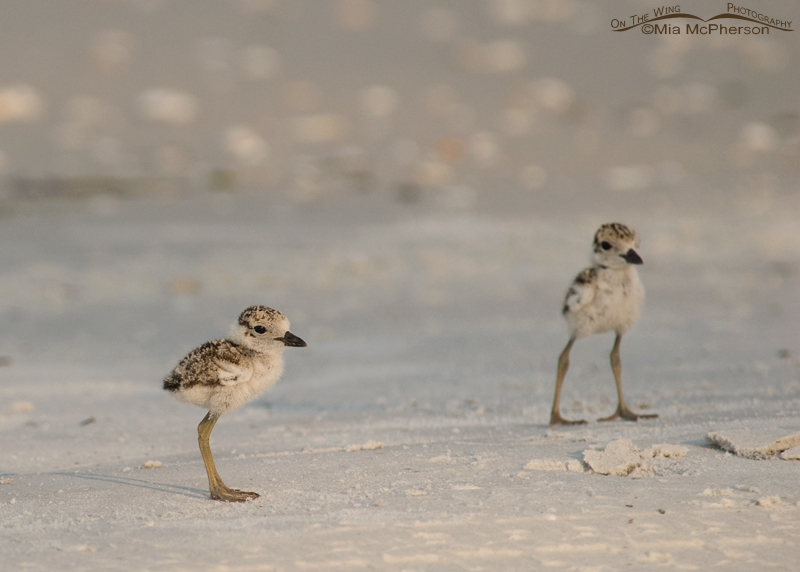
I enjoyed my brief, long distance opportunity to photograph and observe these Wilson's Plovers and chicks, it was a small window into their life.

Fairly soon I'll be seeing many more of the male Red-winged Blackbirds perching at the top of rushes and cattails singing springtime serenades for the females and flashing their brilliantly colored epaulets

This mated pair of Great Horned Owls were resting in the opening of an old granary in Glacier County, Montana when I photographed them in June of 2009.
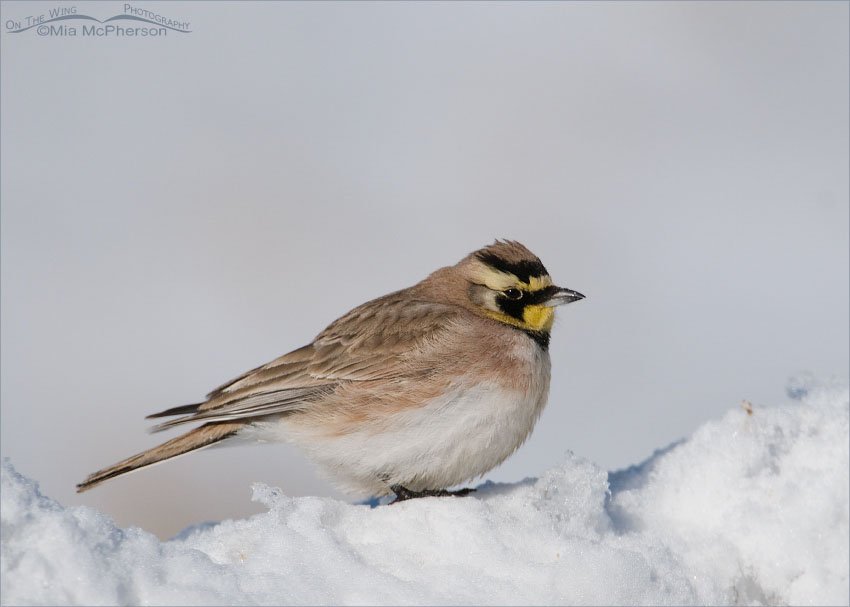
I spotted a flock of Horned Larks in Box Elder County, some were foraging on the road and a few were perched on mounds of snow that someone had plowed. It seemed like the ones on the snow were just enjoying the sunshine.

Last month I was able to take images of American Tree Sparrows on two different days in very different conditions in about the same location on Antelope Island State Park.

Just a simple high key image of a hen Ring-necked Pheasant this morning that was taken in January at Farmington Bay WMA in Davis County, Utah.

It is cloudy and snowing hard outside this morning so I dug into my files and edited these nesting Osprey images I took last year at Flaming Gorge National Recreation Area in Utah.

The forecast is calling for snow today and there is already a heavy cloud cover so looked back through my files and found some Brown Pelican images taken on a warm February morning in Florida to post today.
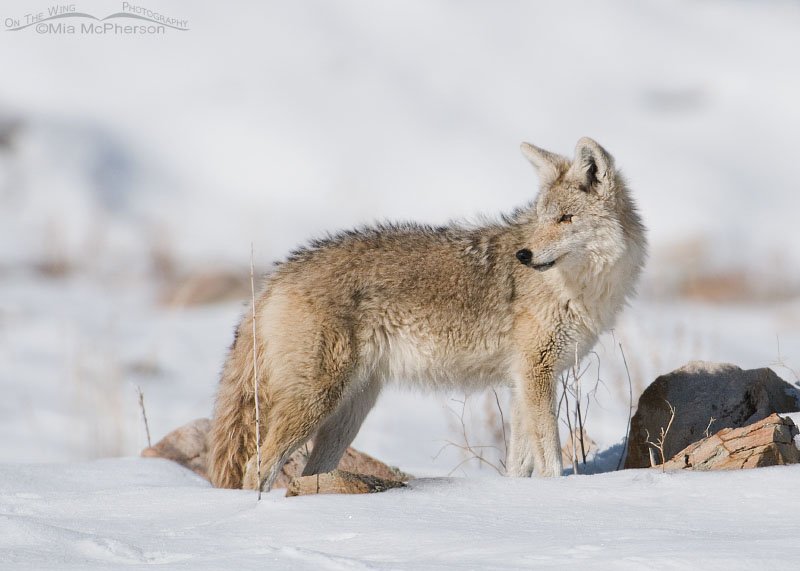
Yesterday I spotted a Coyote on Antelope Island, it was down a slope near a herd of Pronghorn and not in the best of light. I noticed almost right away that the Coyote was limping rather badly.

Yes, more Chukars in the snow! I spotted this Chukar on top of a mound of snow that the plow had pushed to the side of the road on Antelope Island State Park.

This photo shows a Roseate Spoonbill and Wood Stork on the shoreline of a tidal lagoon at Fort De Soto County Park in Florida and it shows how the Wood Stork can dwarf the Roseate Spoonbill in height.

I can recall clearly the day I took this photograph of Sandwich Terns mating. I was sitting very low in a tidal lagoon on the north beach of Fort De Soto County Park in Florida.

Great Blue Herons are year round residents in both Florida and Utah although conditions during the winter months can be starkly different for these large wading birds in the two locations and climates.

Since I moved to Utah I think of Long-billed Curlews as my personal harbinger of spring.

Perched American Barn Owl images might not be as dynamic as those when the owl's are in flight but I enjoy them just as much as I do those with more action.

When I look at these two snowy Chukar images I sense a moodiness in the first image that the second one doesn't seem to convey.

Isn't this Short-eared Owl lovely with her big yellow eyes? It had been a while since I had seen a Short-eared Owl and I was quite surprised when I spotted her on top of some snow-covered Rabbitbrush late last month along the causeway to Antelope Island State Park.

Just a few Red-tailed Hawk images that I have been meaning to process and share.

This Western Tanager was photographed last summer at Red Rock Lakes National Wildlife Refuge in the Centennial Valley of Beaverhead County, Montana.

I've always liked this image of a Tricolored Heron in breeding plumage that flew past me while I sat in the water of a tidal lagoon near a Spartina marsh in Florida. Warm water, a sea breeze, birds, nature and photography.