Savannah Sparrows in Glacier County, Montana
During my travels in Montana earlier this month I saw loads of Savannah Sparrows and although there were many in southwestern Montana I only photographed the ones on the farm in Glacier County.


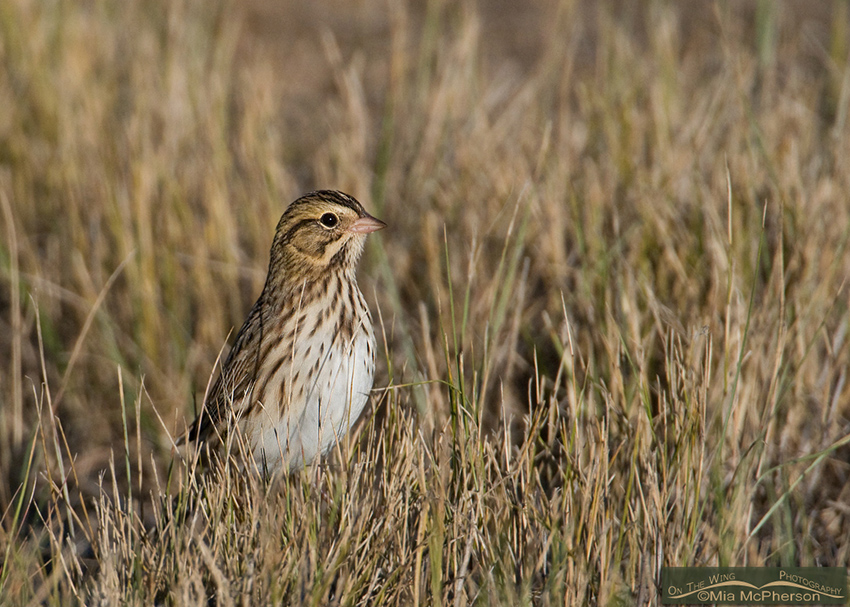
During my travels in Montana earlier this month I saw loads of Savannah Sparrows and although there were many in southwestern Montana I only photographed the ones on the farm in Glacier County.

Not that long ago Common Gallinules (Gallinula galeata) were called Common Moorhens (Gallinula chloropus), it will take me some time to get used to the new name.

Ruddy Turnstones in breeding and nonbreeding plumage can appear to be two different species to novice birders and bird photographers as can several other bird species.

Dunlins exhibit a vast difference between nonbreeding and breeding plumage, so different that a novice birder might mistakenly believe that they were two different species.
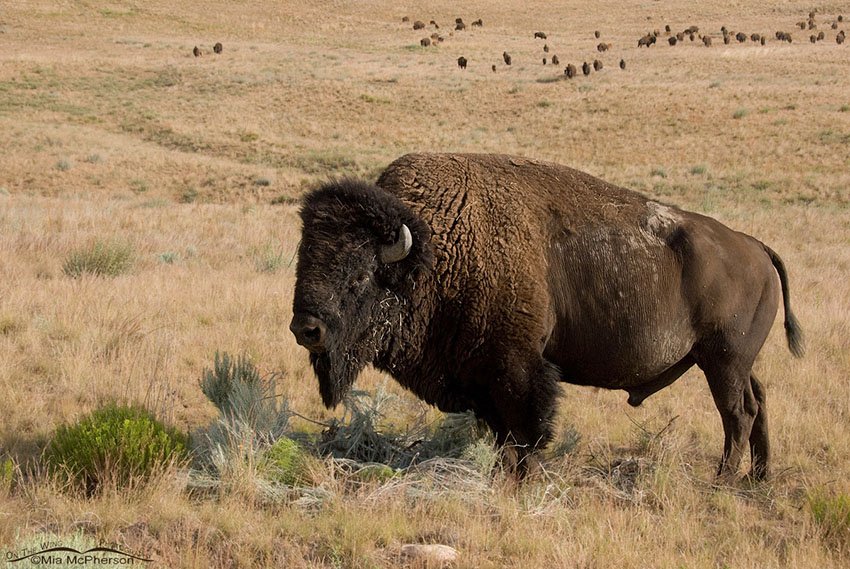
During the heat of summer the Bison on Antelope Island State Park wander down from the hillsides to the freshwater springs on a daily basis, can't say I blame them because it has been plenty hot here.
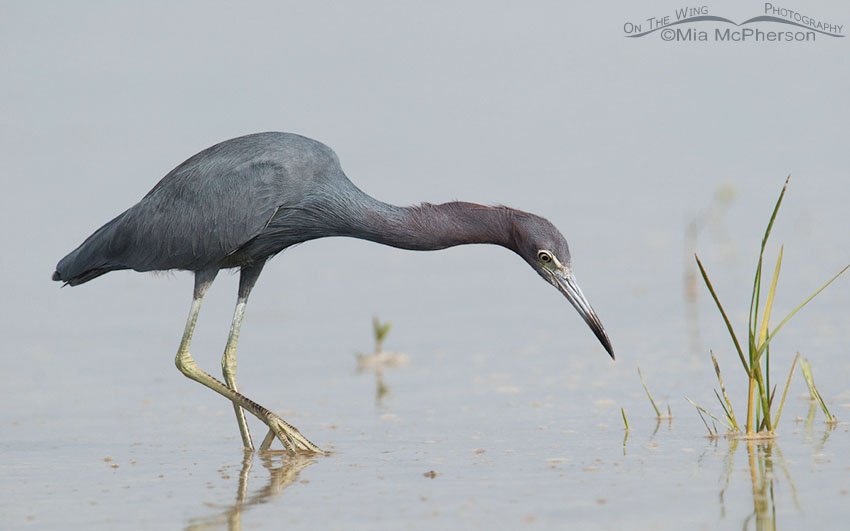
This Little Blue Heron (Egretta caerulea) was photographed in Florida as it hunted for prey in a shallow lagoon the edge of a marsh in late afternoon light.

Why would a Moose (Alces alces) kiss a Porcupine? I'm really not sure, perhaps this Moose cow was curious about a slow-moving Porcupine on the ground and got a touch too close.

Least Sandpipers (Calidris minutilla) are the world's smallest shorebird, weighing in at a mere 0.7 ounces (20 g), a length of 6 inches and a wingspan of 13 inches.

These images were taken at Red Rock Lakes National Wildlife Refuge in southwestern Montana. There were two juvenile Willets plus an adult on the shoreline of the lower lake that delighted me.
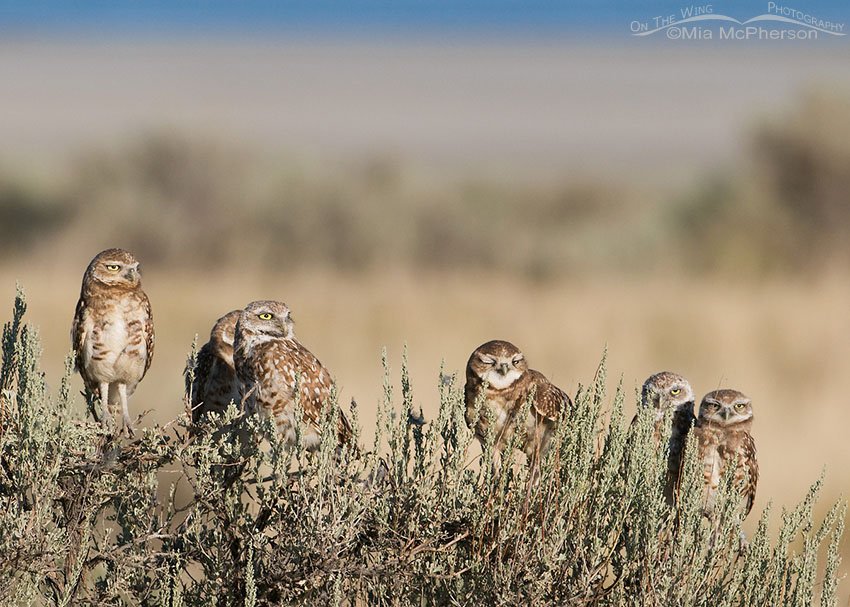
I should mention that not all of the Burrowing Owls from this family are shown in this frame, there are possibly 4 more owlets that aren't perched on the sagebrush

This Marbled Godwit had been feeding on the mudflats of a tidal lagoon at Fort De Soto's north beach.

I photographed this Reddish Egret (Egretta rufescens) in October of 2008 at Fort De Soto's north beach.
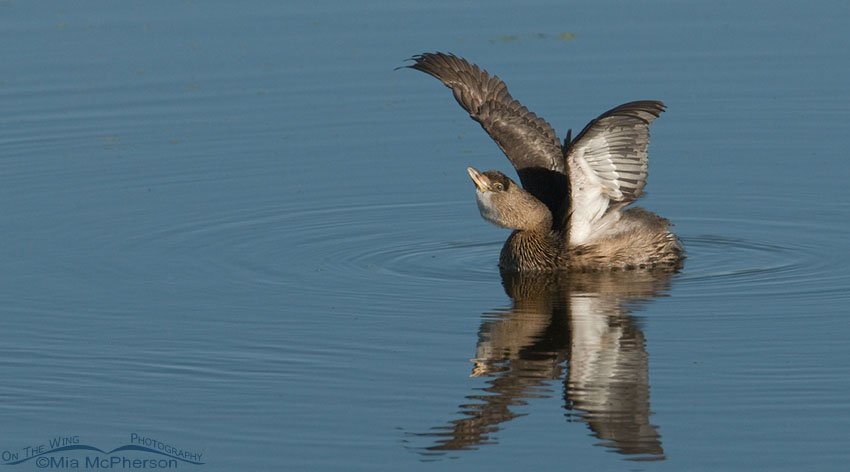
This Pied-billed Grebe; photographed at Farmington Bay Waterfowl Management Area in northern Utah, is a tease. Really, it is.

I think it is great to see a bird with sea blue eyes feeding along a shoreline with water nearly of nearly the hue.
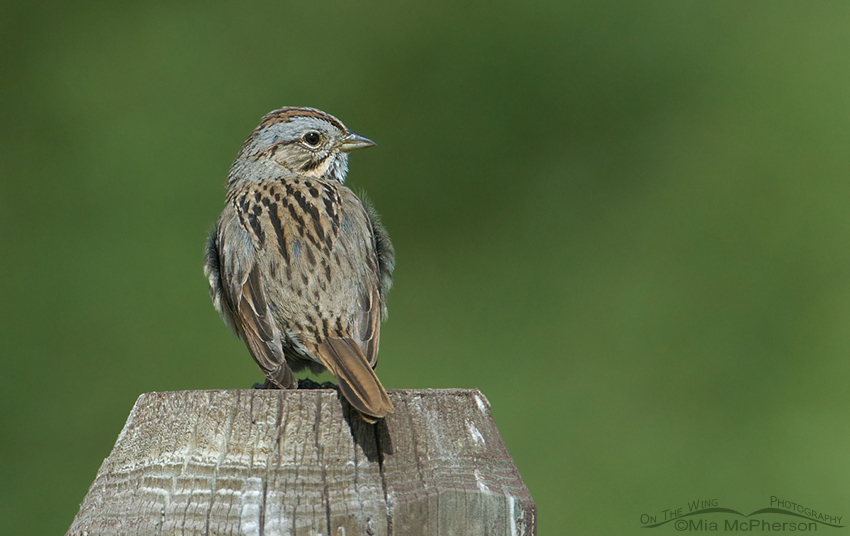
This Lincoln's Sparrow was photographed last month at Red Rock Lakes National Wildlife Refuge, the spring green leaves in the distant background sure don't compete with the subtle beauty of this sparrow.
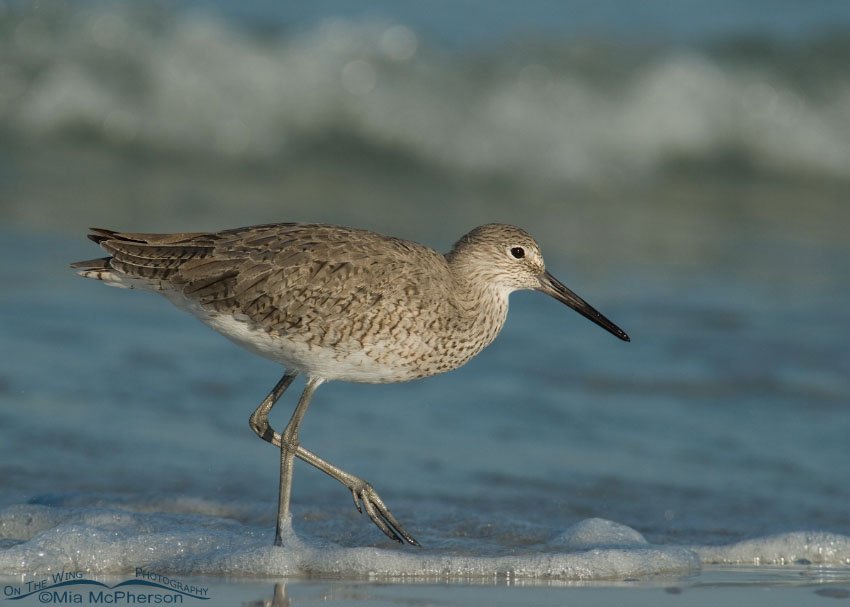
Getting "Down & Dirty" pays off when photographing shorebirds like this Willet in the surf I photographed in Florida as it walked along the shoreline of the Gulf of Mexico.
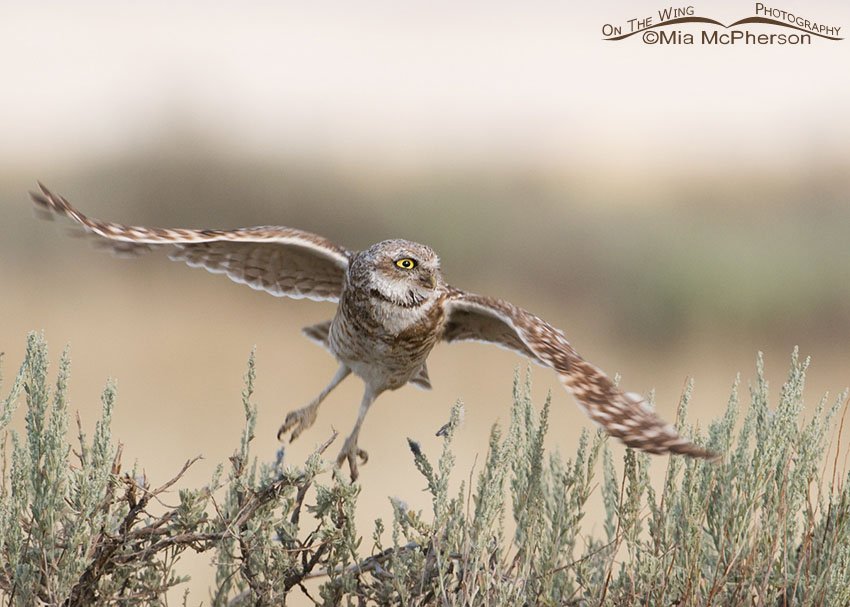
I've been having fun photographing Burrowing Owls (Athene cunicularia) lately and it is a joy to have them in my viewfinder again.
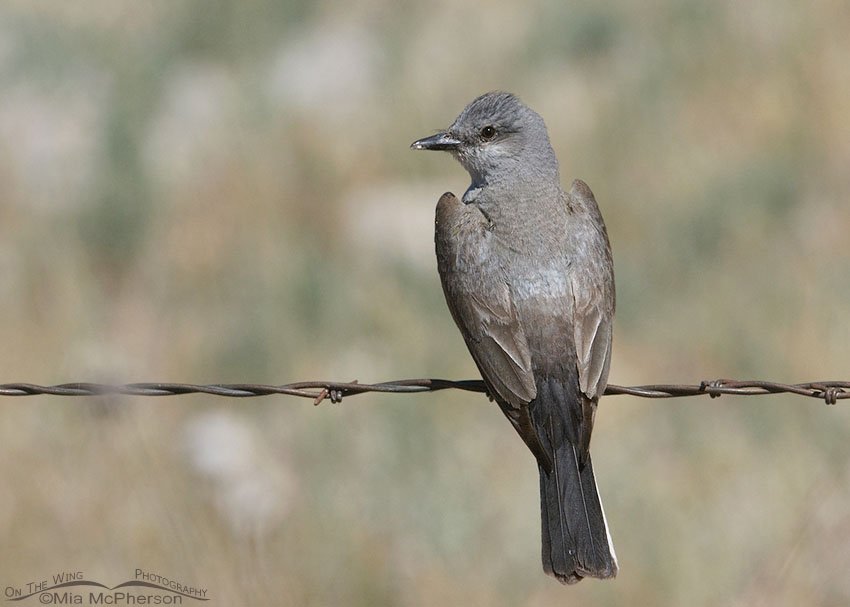
Western Kingbirds appear to have had a wonderful nesting season here in Utah because there are plenty of young birds perching on wires and branches loudly demanding food from the frazzled looking adults.

I spent yesterday morning photographing at Bear River Migratory Bird Refuge in Box Elder County, Utah. Black-crowned Night Herons seemed to be everywhere on the south side of the auto tour loop, both adults and hatch year birds.

I photographed this little Cottontail Rabbit yesterday on Antelope Island State Park. Black-tailed Jackrabbits are far more common on the island so I was tickled to see this Cottontail near the haybarn.

I've been working up images for a long post and this American Oystercatcher (Haematopus palliatus) image is a clue as to what that post will be about.

I always look forward to seeing and photographing Eastern Kingbirds (Tyrannus tyrannus) during the warmer months of the year. I was fortunate to see a few yesterday at Bear River Migratory Bird Refuge in northern Utah.
Currently I am considering pursuing legal action against a commercial web site in Layton, Utah that has stolen 4 of my copyrighted images and used them on their site. The process of making a legal claim is daunting to me, however; I feel that I have to stand up and fight for what is legally mine AND protected by law.

I love how peaceful this image is with the Marbled Godwit (Limosa fedoa) paying absolutely no attention to me as I sat very still in the warm waters of a tidal lagoon photographing it.
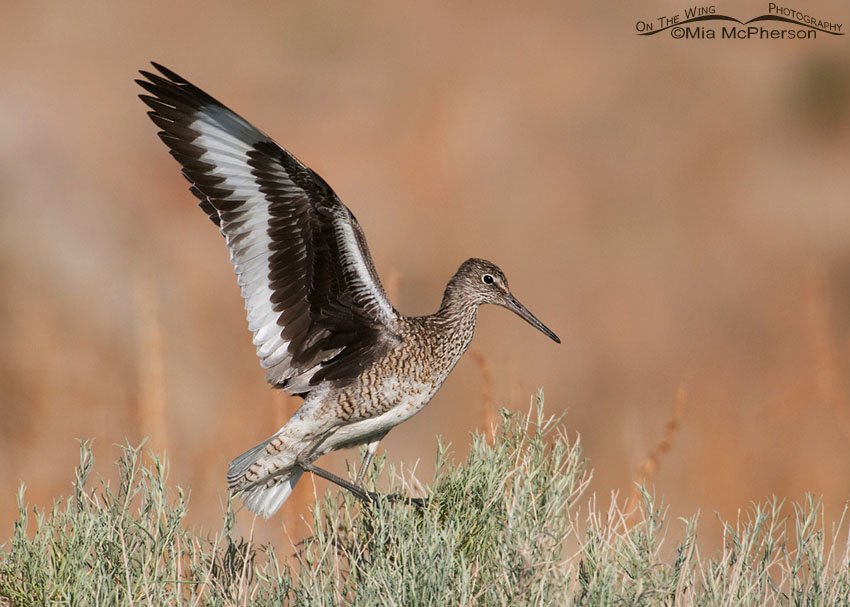
I've heard people call Willets "Plain Brown Birds". I reckon they may have never seen one looking like this Willet.
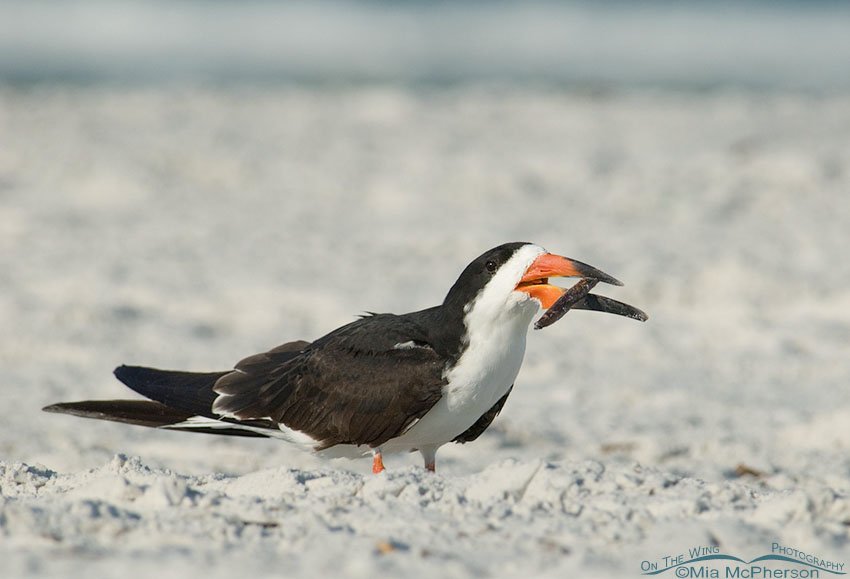
The Black Skimmer had a Mangrove seed pod in its bill and it was twirling the seed pod with its bill, at times the seed pod even went over the top of the bill but unfortunately I didn't get any images of that.
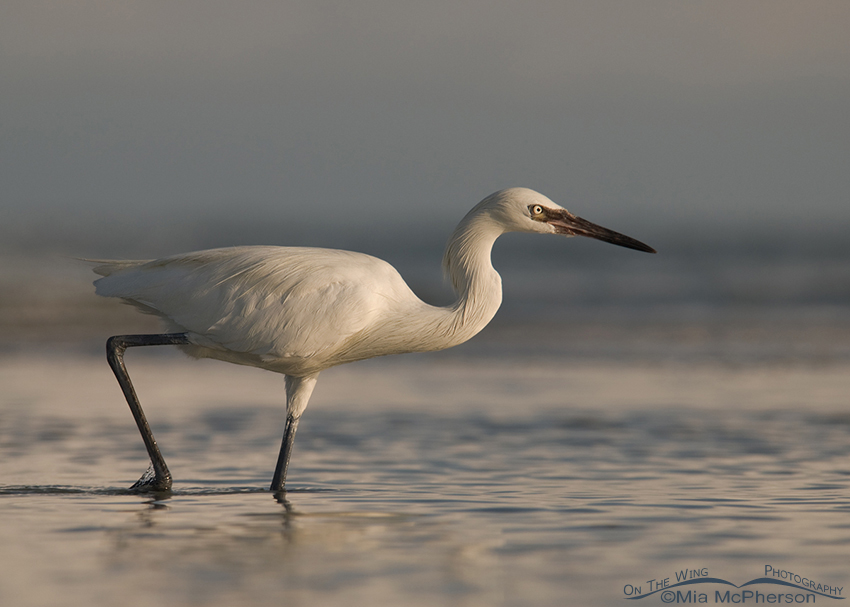
In my two previous posts of a Snowy Egret and a Great Egret I mentioned how the early morning light and a nearby storm gave those images a feeling of drama. These white morph Reddish Egret images were taken that same morning not long after I created the Great Egret photos.

Yesterday I posted a Snowy Egret hunting in early morning light and mentioned that early morning or late afternoon light can add drama to an image, in today's post I will explain a bit more about the dramatic light in the Snowy Egret image and these images of a Great Egret (Ardea alba).

Light plays a huge part in my photography, I try to be at my location just before the sun comes up or goes down to take advantage of the beautiful light that occurs at those times of the day.

Bear River Migratory Bird Refuge is an excellent location for finding and photographing American White Pelicans who have wing spans of over nine feet.