Birds of Bear River MBR – Snowy Egrets
Recently I spent two days in a row photographing birds at Bear River Migratory Bird Refuge (aka Bear River National Wildlife Refuge) and found plenty of birds to aim my lens at.



Recently I spent two days in a row photographing birds at Bear River Migratory Bird Refuge (aka Bear River National Wildlife Refuge) and found plenty of birds to aim my lens at.

Two Herring Gulls (Larus argentatus) at different stages of life, one an adult in breeding plumage, the other an immature gull in flight.

Okay. At least this female Osprey (Pandion haliaetus) is landing with flared wings and tail!

There are times when I go out to photograph a specific species but come home with images of birds I didn't expect to see.

White-winged Doves (Zenaida asiatica) are one of the larger gray-colored dove species in North America and they are more at home in semi-arid and desert areas than Mourning Doves.
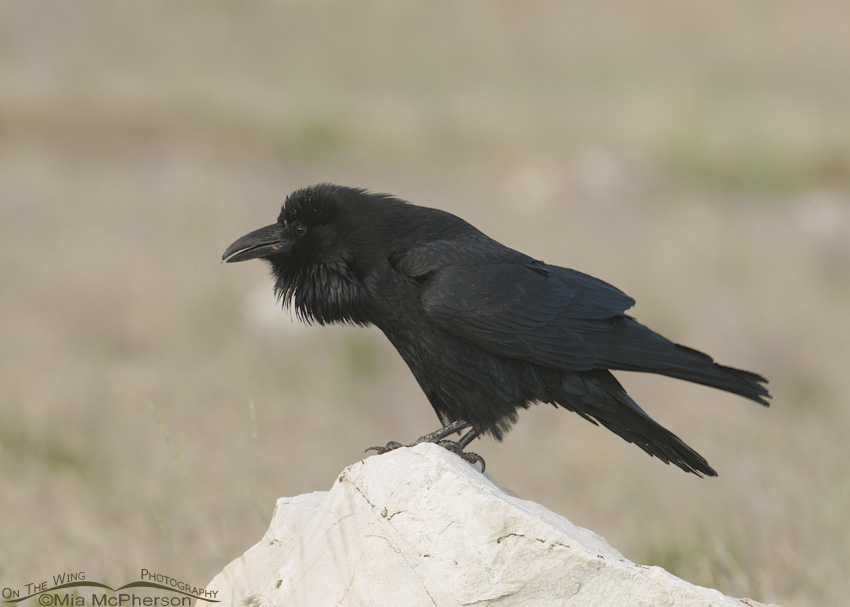
I came across this Common Raven perched on a small rock in an open field that had been feeding on roadkill on the shoulder of the road.

It dawned on me this morning that I haven not posted an image of a Western Sandpiper here yet so I pulled this one out of my archives that I photographed at Fort De Soto as the small shorebird ran in front of me on the shoreline.

I had some luck with a cooperative Lark Sparrow this past Sunday where the handsome bird stuck around for quite a bit on several different perches.

Cheatgrass is invasive but I sure think it can be pretty especially with a lovely bird amongst it like this male Long-billed Curlew that I photographed on Antelope Island State Park recently.

This Snowy Egret image was taken just after the sun had risen above the horizon in about the same location as the egret image I posted yesterday but at a completely different time of the year.
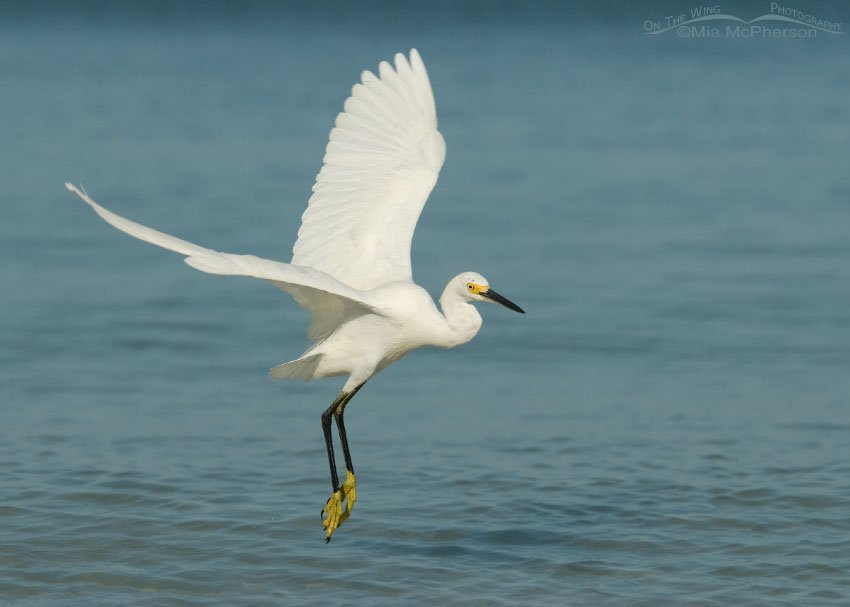
I was photographing at Fort De Soto's north beach on May 30th, 2008 when I had a very cooperative Snowy Egret start fishing in the warm waters of the Gulf of Mexico right in front of me.

I was able to take a nice series of images of the Black-crowned Night Heron lift off and when the heron was in flight as it flew past me

Some images remind me of the wonderful day I had when I created a certain image, this photo of a Tricolored Heron in breeding plumage photographed at the north beach of Fort De Soto, Florida is one of those files.
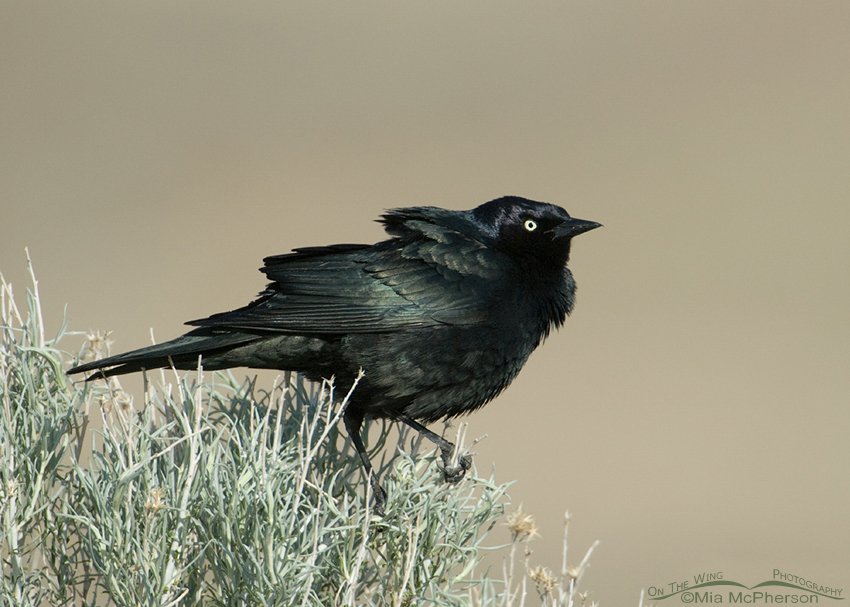
While out on Antelope Island State Park on Friday I spotted a male Brewer's Blackbird on top of a bush, the light was just great for viewing and photographing the iridescent teals, blues, greens and purples that can show up on these "black" birds.

It was the first time I have been able to photograph a California Gull with nesting material so I was quite pleased.

During spring and fall migration there can be so many Eared Grebes (Podiceps nigricollis) on the Great Salt Lake that they are impossible to count.
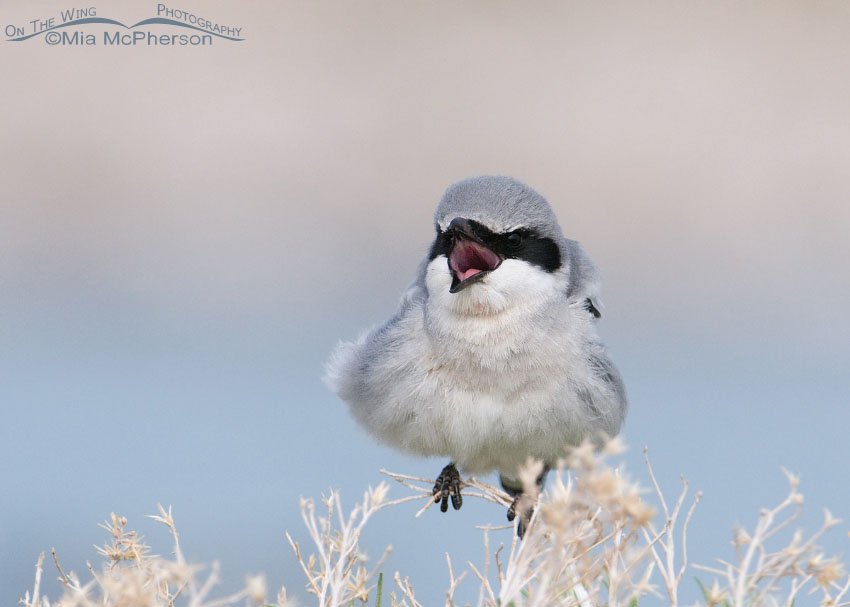
A few weeks ago I was able to photograph a Loggerhead Shrike near the marina on Antelope Island State Park, Utah. It was an interesting experience for several reasons.

You don't always need to have long focal lengths to get close up images, this image was taken with a moderately priced Nikkor 70-300mm VR at only 220mm and it is practically full frame.

Willets have returned to Utah, on the causeway to Antelope Island hundreds of them can be seen in the shallow water. They seem to spend some time there fattening up after migration before they get down to the serious business of mating and rearing their young.

Last week I photographed a Killdeer bathing at Farmington Bay Waterfowl Management Area in Davis County, Utah.
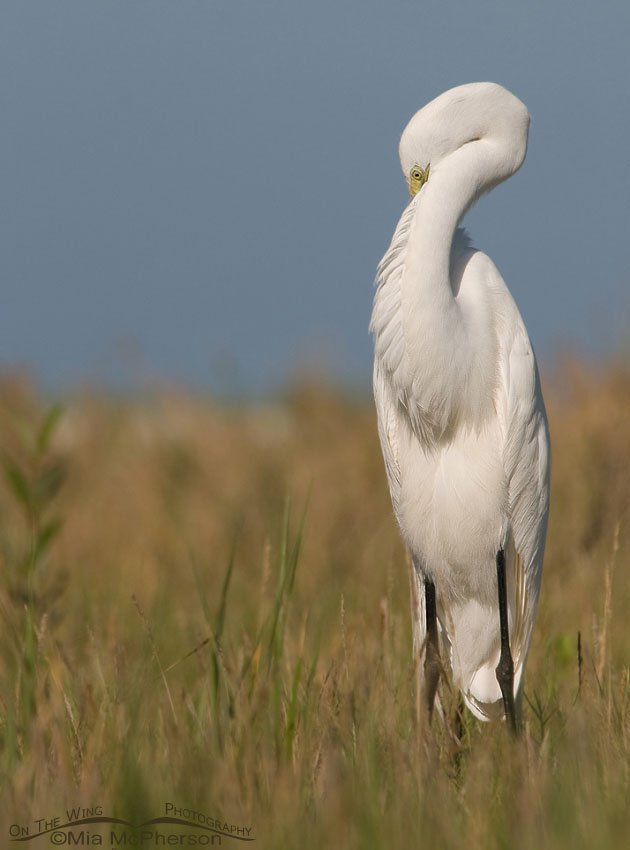
Just a simple Great Egret (Ardea alba) image that always seems to tickle my funny bone when I view it because of the pose.

This is the closest I have been to a Lark Sparrow to date and this was a very cooperative bird too!

Just a simple image of a Snowy Egret (Egretta thula) today. I photographed this Egret as it stalked along the shore of the Gulf of Mexico in Florida.
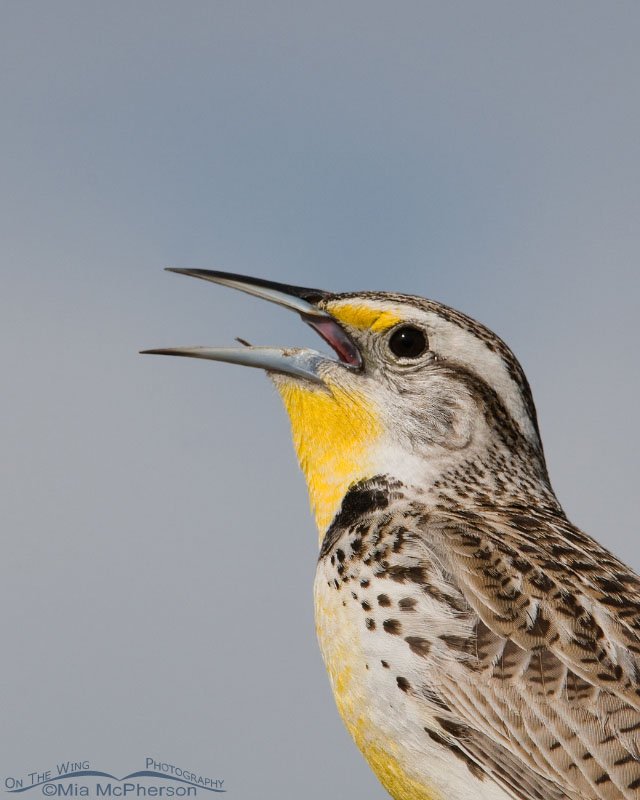
During the spring Western Meadowlarks (Sturnella neglecta) can be easy to locate and then approach because they spend so much time singing from the tops of boulders, bushes, posts and other manmade objects.

Yellow-headed Blackbirds (Xanthocephalus xanthocephalus) can perch on cattails, reeds, rushes or mounds of vegetation and snatch Midges right out of the air.

I photographed this female Greater Sage-Grouse while up in the Wasatch Mountains of Utah.

Last week I wrote about Long-billed Curlews having a Territorial Encounter but earlier that same morning I had another wonderful photographic encounter thanks to a scruffy looking, rain soaked Coyote waking up at the top of a ridge.

Short-billed Dowitchers feed on insects, crustaceans and aquatic mollusks. Quite often when I lived in Florida I would see them feeding on Coquinas which are small bivalves or tiny Fiddler Crabs.
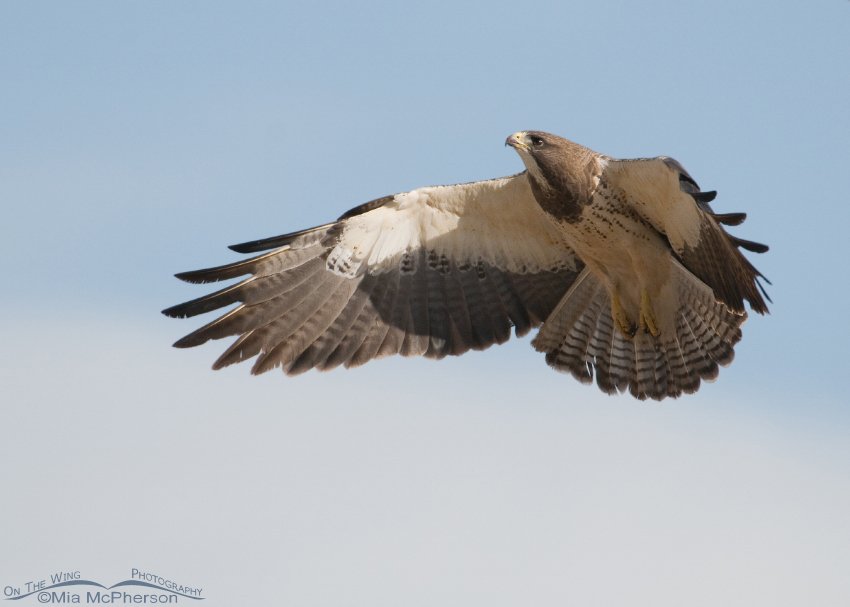
Last week while searching for Golden Eagles to photograph in Box Elder County, Utah I spotted two Swainson's Hawk (Buteo swainsoni) adults; my first of the year sightings, the first one perched on a power pole.

Yesterday on Antelope Island State Park I witnessed and photographed a territorial encounter between two Long-billed Curlew (Numenius americanus) males that occurred while a female was nearby.