Montana Short-eared Owls
I will soon be on the road back to Red Rock Lakes National Wildlife Refuge in southern Montana, another one of my favorite locations on this planet.



I will soon be on the road back to Red Rock Lakes National Wildlife Refuge in southern Montana, another one of my favorite locations on this planet.

I know this photo will always remind me of the great times I had photographing birds at Fort De Soto, one of my favorite places on earth.
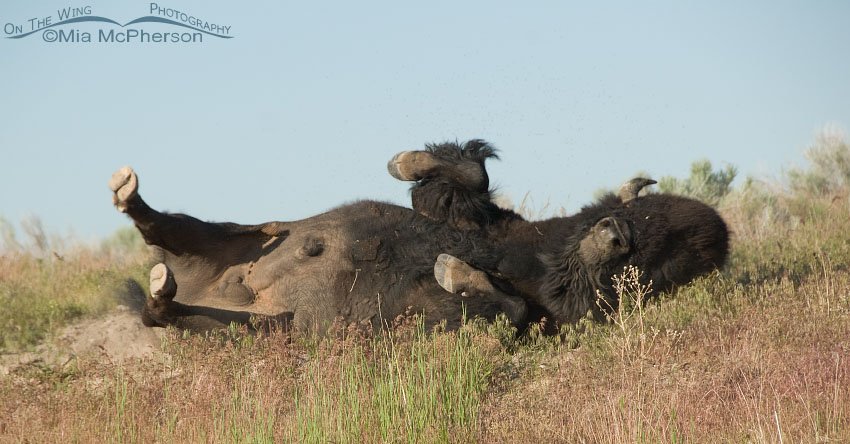
I think it is amazing to see a huge Bison; weighing up to and over 2200 pounds, rolling around on the ground with apparent ease.

One of the habits I have developed after becoming a serious bird photographer is observing and learning about bird behavior and the habitats
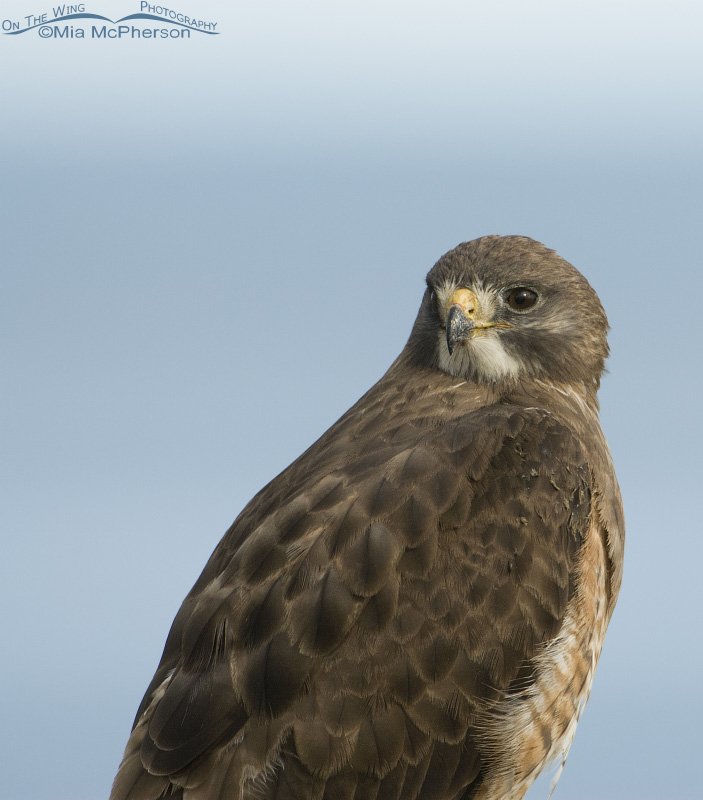
Last Friday I came upon this Swainson's Hawk; not just once but twice, perched on signs very close to the road.
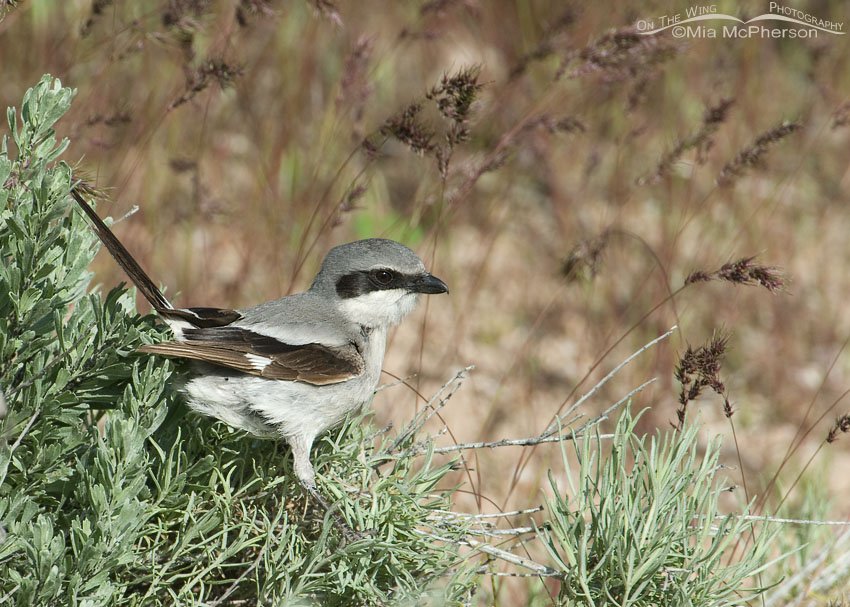
There are days when I see a certain species of birds quite often, depending on location it might be an Eagle filled day, or a Shorebird day. Today was a Shrike kind of day on Antelope Island State Park.
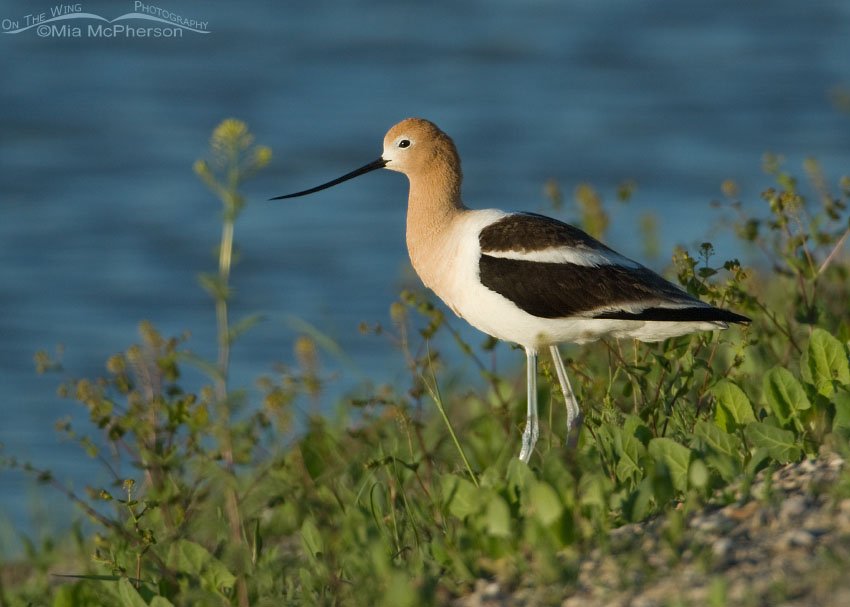
This is the time of the year that "midges" are as thick as flies on you-know-what at the Bear River Migratory Bird Refuge.

Tt was the first time that I have ever seen a Northern Harrier building a nest. It more than made my day!
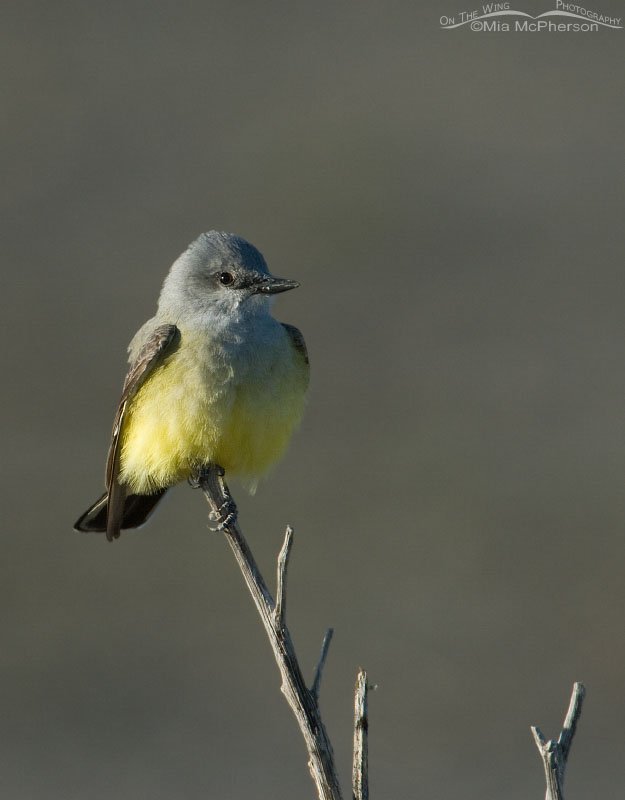
While I observed them one of the Western Kingbirds was actively hawking insects, swooping towards a bug then perching until it saw the next insect.

Huge flocks of California Gulls allegedly descended onto the grasshoppers in the valley and made tasty meals of the insects thus preventing the total loss of the crops as the story is told.
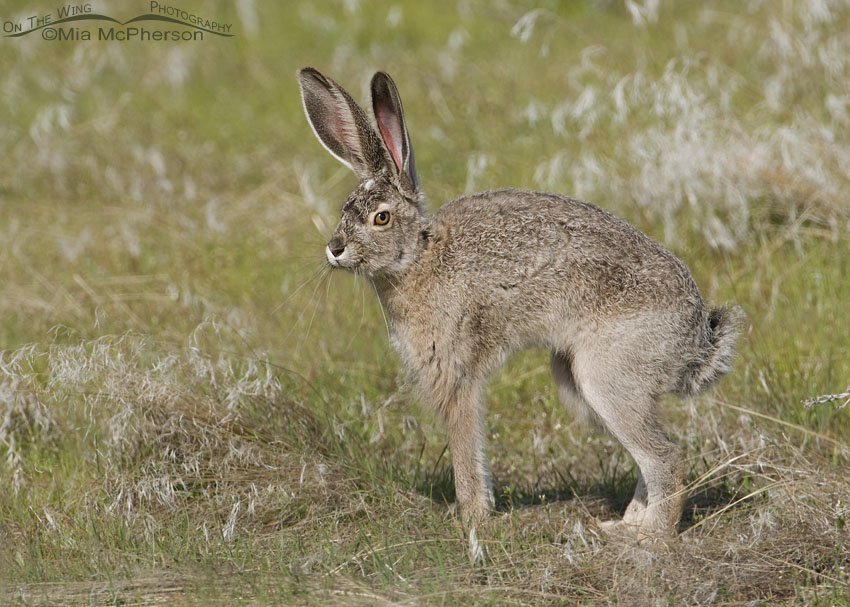
The Black-tailed Jackrabbit arched its back while still keeping an eye on me and I thought the arched back looked very similar to a domestic cat when it gets riled up or frightened about something.

I had a delightful experience this past week in northern Utah with an American Barn Owl that was flying along side the road that I was traveling on.

Male American Kestrel in flight with a vole chased off by an appraoching vehicle

Spotted Sandpipers are fun to watch as they walk along the shoreline as they teeter, bob and bounce their rear ends up and down.

I can take advantage of the sucker holes by photographing birds close to home when the sun breaks through the clouds.

Some women wish for diamonds, some men wish for fast cars while young children might wish for a pony or a trip to Disney. Me? I wish for birds. Pretty simple, huh?

Limpkins may not be as beautifully colored as a Roseate Spoonbill or as common as Sandhill Cranes in Florida but to me they are uniquely interesting and appealing birds.

In Florida White Ibis (Eudocimus albus) are a fairly common wading bird in Florida they are also seen along the coast of the Gulf of Mexico

What made me sick was that there were three of those people tromping around the owl's burrow. I mean RIGHT up on it. They had no need to be that close but they were.
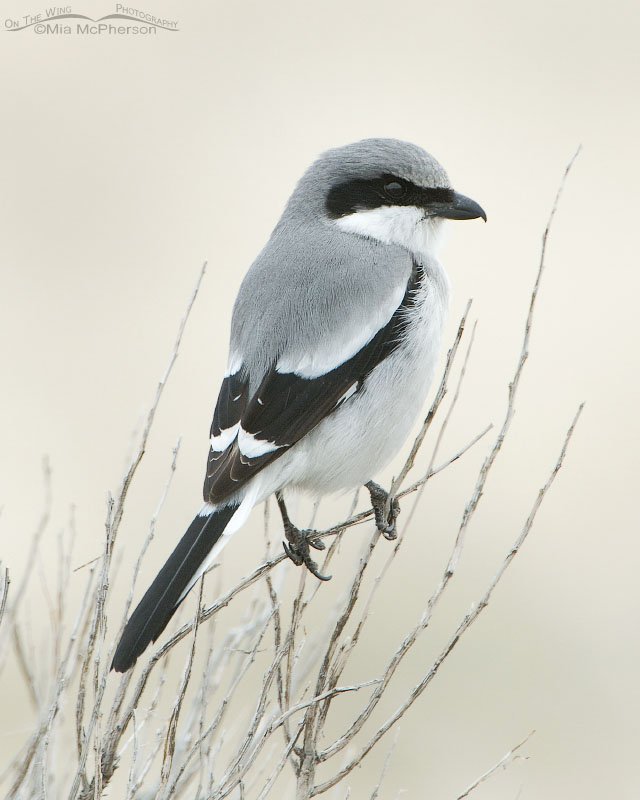
Last week I wrote that I was looking forward to the birds that arrive here in the spring and yesterday I was able to photograph some of the Loggerhead Shrikes that I mentioned.

I was tickled to photograph this Chukar calling in the snow near the parking area of Frary Peak trailhead with the snow-covered mountain in the background.

Any bird that eats those nasty sand spurs is a hero in my book and Nanday Parakeets are one of them.

After my experience with screwing my white balance up that day I had to make a note to myself to remember to check my white balance setting on the camera.

Fish Crows are fairly commonplace along the coast of Pinellas County and they are often ignored by photographers because they are a "plain" common bird.
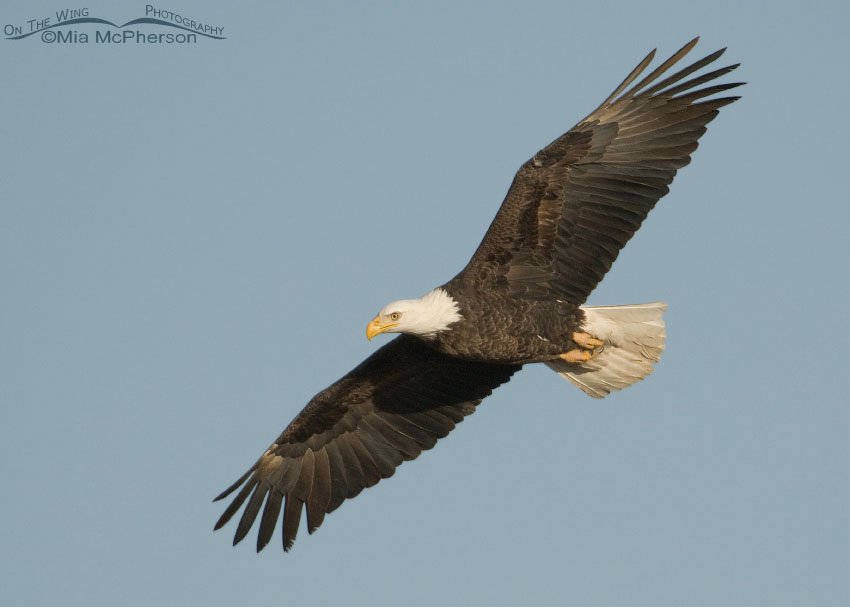
A simple guide to aging Bald Eagles by their plumage development, legs and their bills with images showing the age progression.
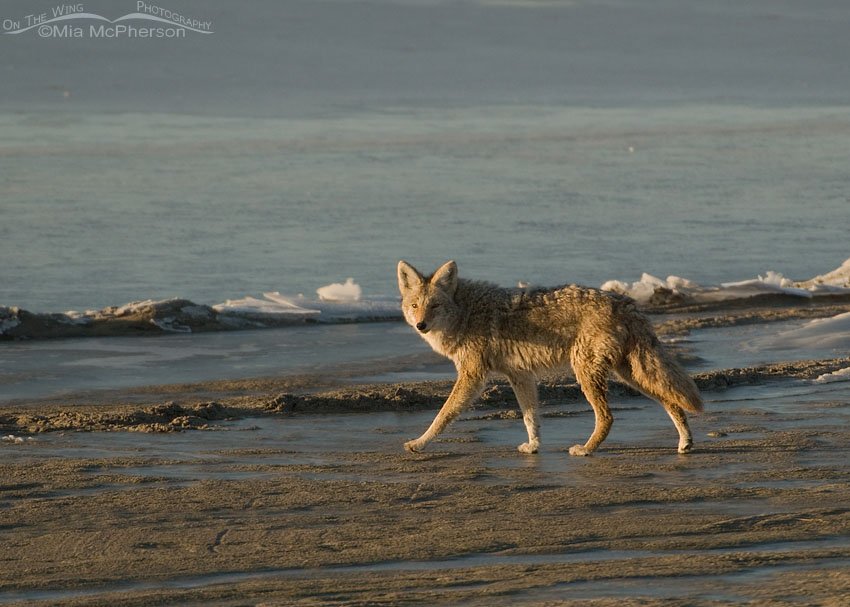
Yesterday I was tickled to spot not just one but a pair of coyotes on the causeway going to Antelope Island State Park

This morning when we had almost reached Antelope Island I spotted a huge flock of Northern Shovelers blasting off from the water

There were quite a few Laughing Gulls on and near the shoreline, a few Ring-billed Gulls and two Reddish Egrets hunting on the beach that day.
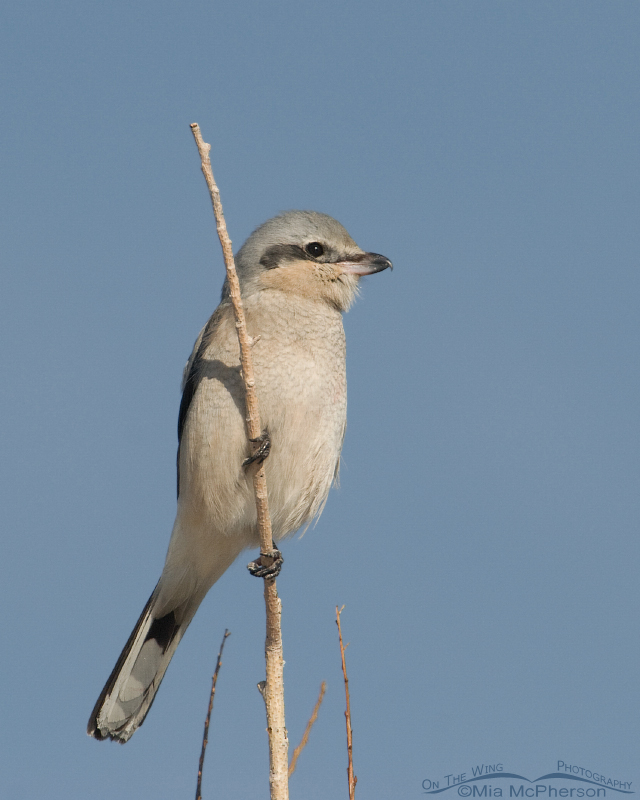
Today was a good day, I finally took some images of a Northern Shrike (Lanius excubitor) that weren't taken from too far away.

Male Ring-necked Pheasants are very colorful and sport red face wattles, iridescent ear tufts, the white neck ring and bronze colored chest and back with barring. I remember my grandfather using the pheasant feathers for the flies that he tied.