Great Horned Owl – Tiger of the Sky
My favorite name for Great Horned Owls is "The Tiger of the Sky" and it is very descriptive of this large, fierce owl.



My favorite name for Great Horned Owls is "The Tiger of the Sky" and it is very descriptive of this large, fierce owl.
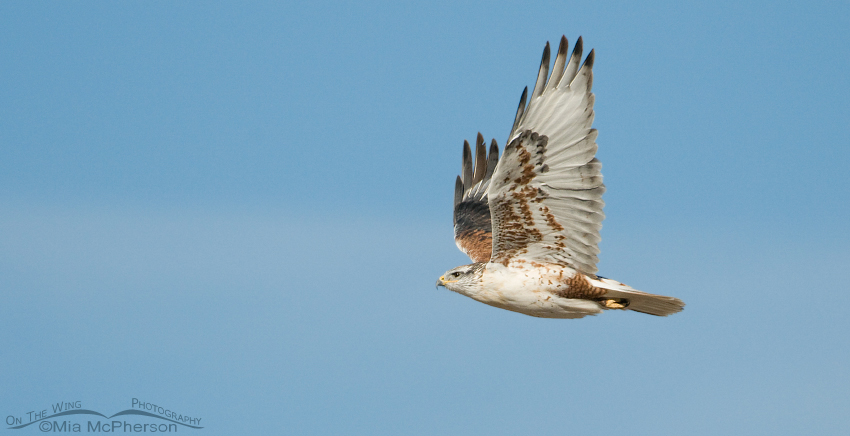
Ferruginous Hawks are the largest hawks found in North America, the "regalis" in the latin name means "kingly" or "regal" and I have to agree with those descriptions.
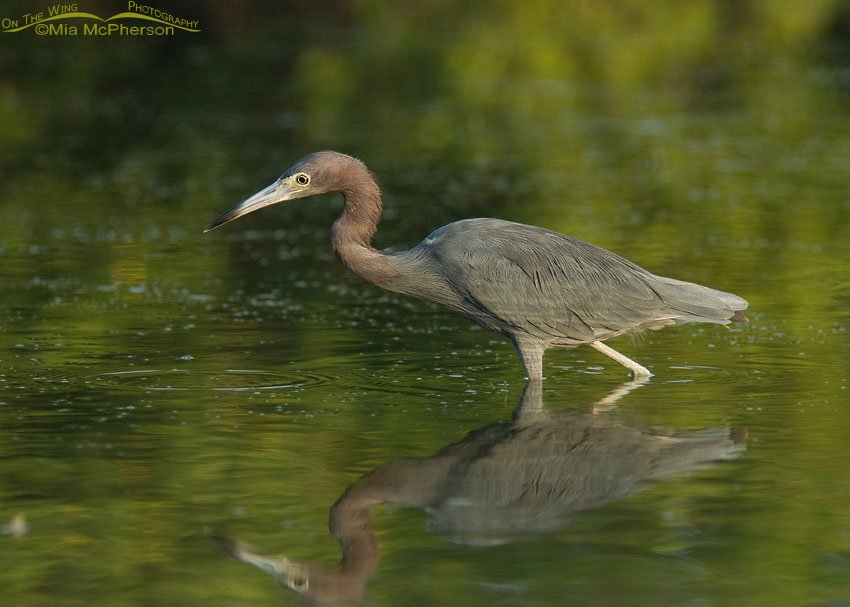
Little Blue Herons were a wading bird that I saw often in Florida. The day I photographed this Little Blue Heron I was sitting quietly in the shallow water of a lagoon when this bird flew in and began to hunt.
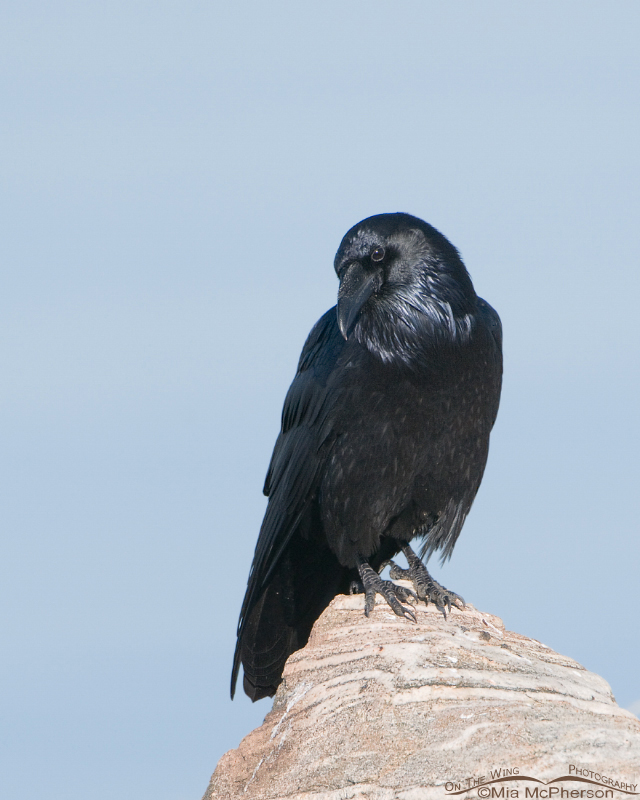
Ravens hold a special place in my heart because they are smart (actually brilliant for birds), collectors of things shiny and/or odd, they let you know about their presence with hoarse croaking sounds and they are very amusing to observe and photograph.

The Great Blue Heron images from the series I created that blustery November morning on Fort De Soto's north beach are still favorites of mine and likely always will be.
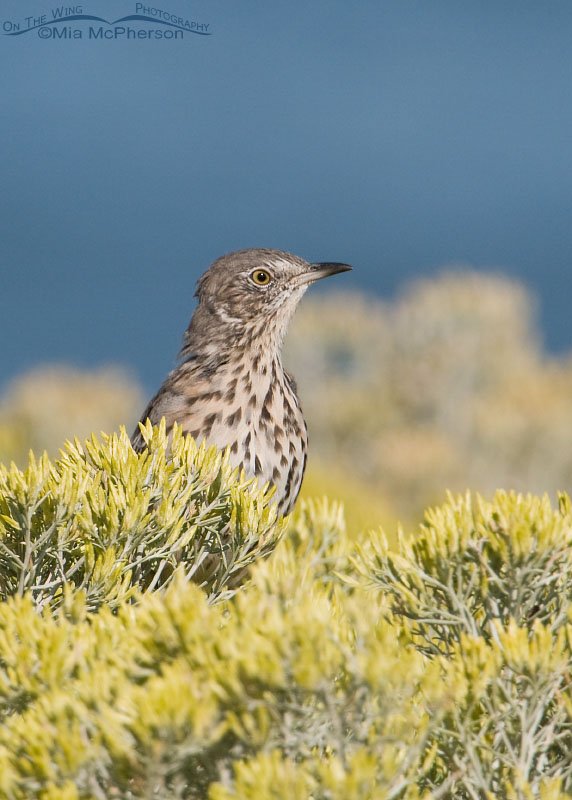
I can't acquire focus on the Lunatic Sage Thrashers because they don't ever stay still long enough, they race around willy-nilly until dizziness forces me to stop watching them. Think Ricochet Rabbit.

I could always tell when a flock of Black Skimmers were flying in to Fort De Soto's north beach when I was photographing there because I could usually hear their soft, nasal barking yips or yeps before I saw them.

Yesterday I came across this very cooperative male Horned Lark (Eremophila alpestris). This male bird preened for a full seven minutes and I took 256 images of it.

It didn't take long for me to check my ISO, my aperture and other techs as I dropped onto my knees before laying flat on my belly to photograph the flock of 20 or so Hudsonian Whimbrels.

Sanderlings can be a challenge to photograph because they move erratically at a very fast pace but creating images of them at their level is well worth the trouble of getting dirty and being exhausted by trying to follow the movements of these tiny dynamos.
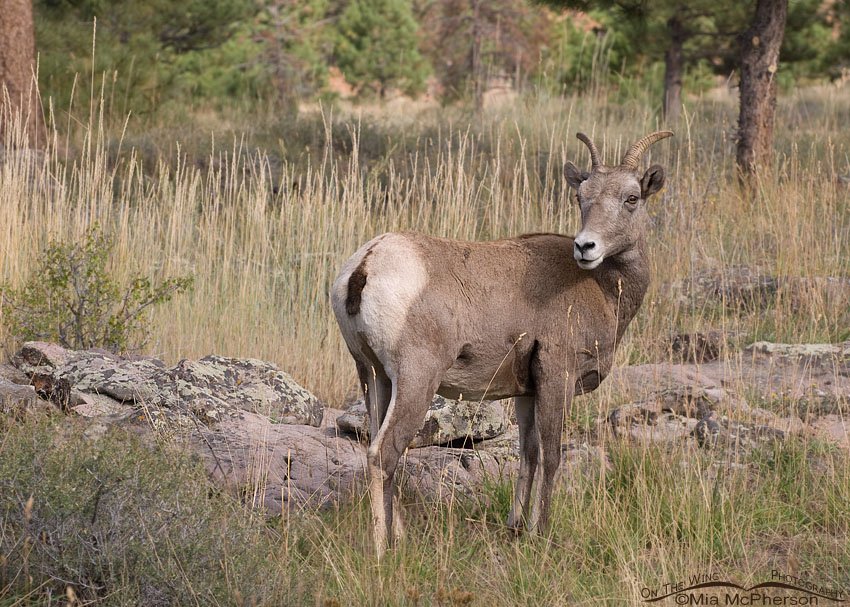
I've only photographed Bighorn Sheep (Mountain Sheep some people call them) a few times and here they were, calmly foraging close to where I was! I was thrilled and excited.
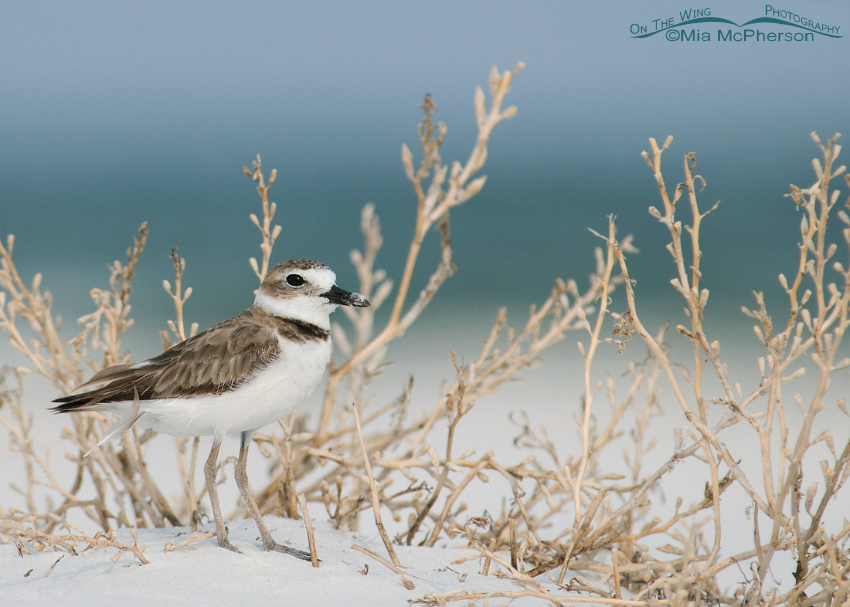
This Friday's Photo is that of a Wilson's Plover, a species I very much enjoyed photographing while I lived in Florida.

I love to photograph in pre-dawn light because of the subtle almost pastel tones that can be captured at that time of the morning.

Coyotes and wolves help to cull out the sick and weak animals in herds of deer, antelope and elk which in turn can help to keep those herds in better health

A few days ago I had the opportunity to take images of California Gulls feeding on brine flies along shoreline of the Great Salt Lake next to the causeway to Antelope Island

I am always looking for the unexpected birds to show up in locations where I might not expect them them to be and this Short-eared Owl was a bit of a nice surprise.

There were high thin clouds and that worked in my favor to photograph these large white birds without blowing out the whites.

This spring and summer I've a little been disappointed by how few Clark's Grebe images I have been able to take.

My friends say when my images have such a low angle that I must have been "Down 'n dirty". Well I know for sure I was dirty, I had sand everywhere!

Worth the sand in my clothes, scrapes on my knees and looking like something the cat had wanted to drag in but decided it was way too dirty? You betcha!

I watched this American Oystercatcher juvenile and its sibling from the time they were just tiny chicks beginning the day after they had hatched.
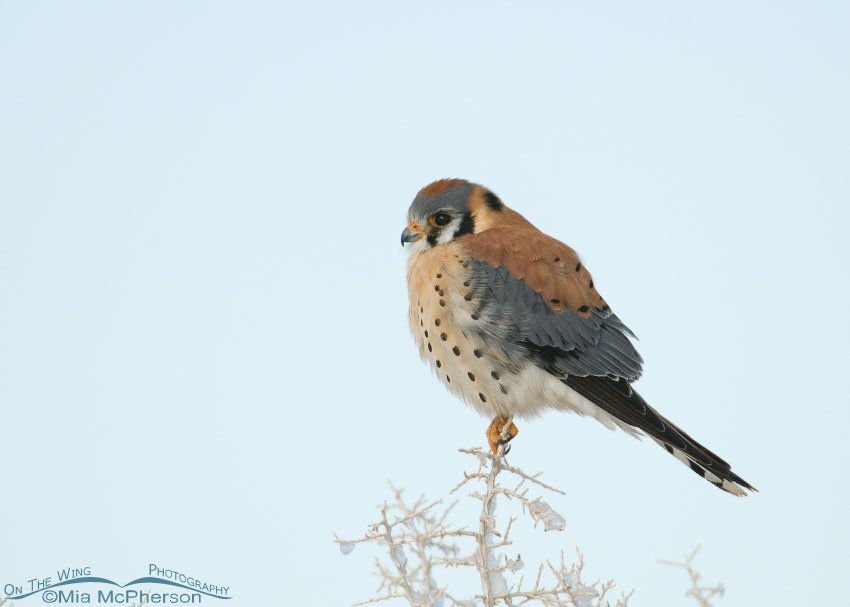
The American Kestrel is our smallest falcon in North America but what they lack in size I feel they make up for in attitude.
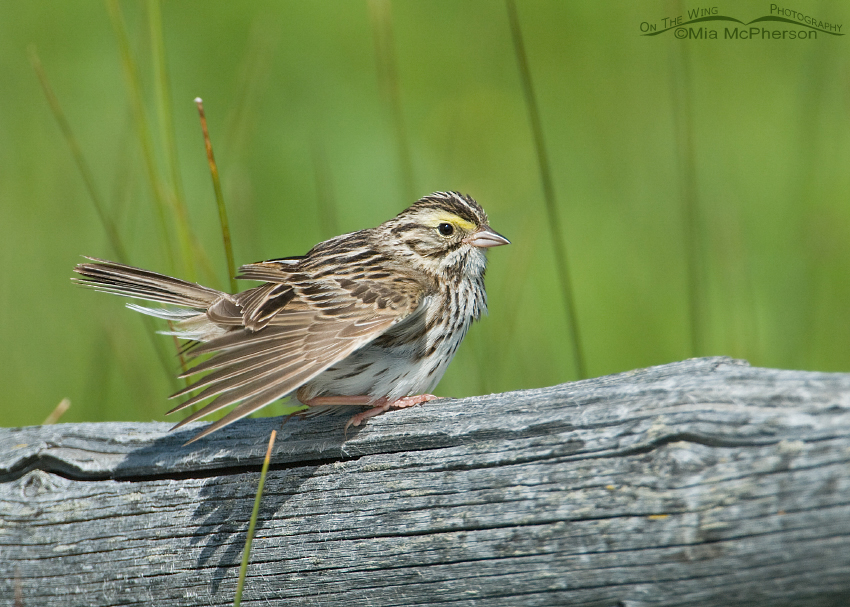
These Savannah Sparrows were nearly as much fun to observe as they were to photograph. They are very active birds and it was a challenge to keep up with them

Yesterday I observed an adult Willet defending its young from a group of Black-billed Magpies that were near the Willet's chicks.
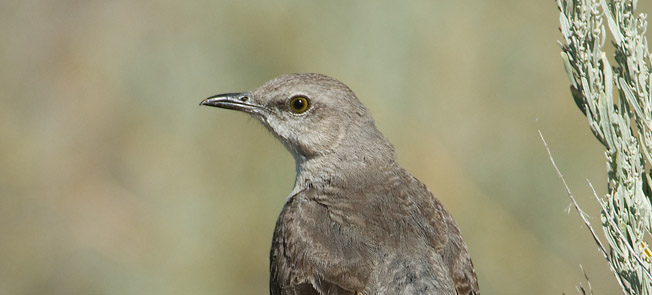
A Loggerhead Shrike flew into a sagebrush and right after that I could hear a bird that sounded upset. The upset bird was this Northern Mockingbird.
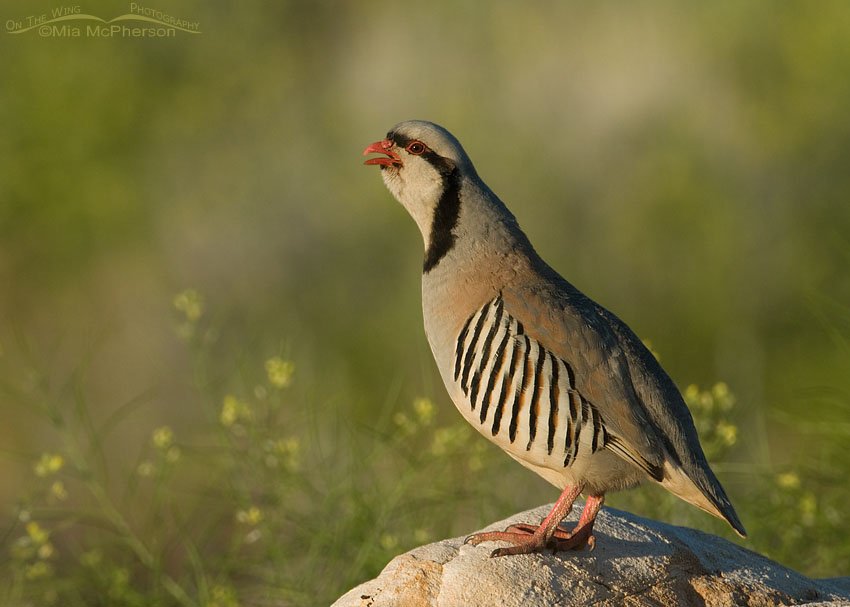
Photographs of the Chukars on Antelope Island State Park, Utah throughout the year.

As a "Nature" photographer one of my goals is to create images that show the bird or animal's natural habitat within the frame

The juvenile Long-billed Curlew was foraging and preening in the vegetation on the ground below the adult perched on the boulder

When looking at a Greater Yellowlegs there is NO mistaking how they got the name "Yellowlegs".
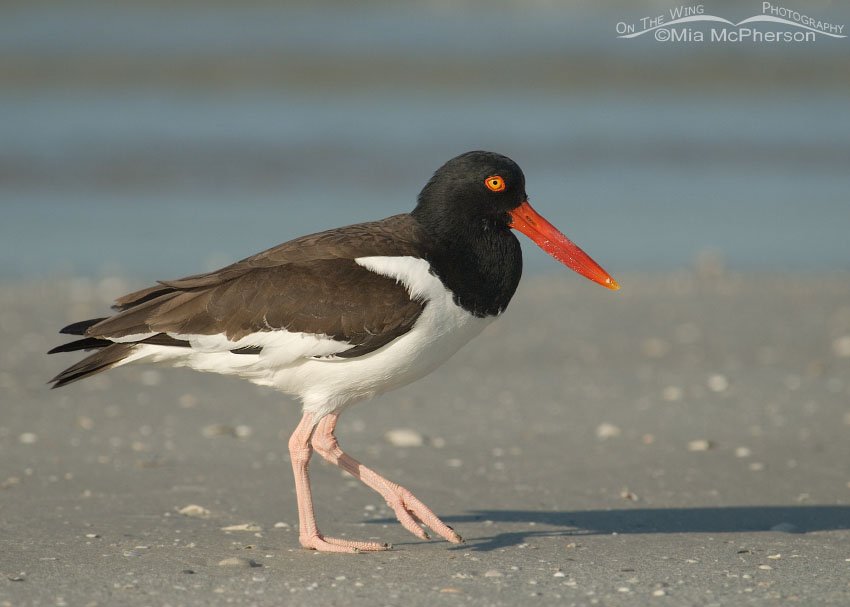
American Oystercatchers are fascinating birds to photograph, They can strike unusual poses and their plumage is spectacular in flight. I enjoyed watching them pry open bivalves with their long bill