Red-winged Blackbirds
Red-winged Blackbirds are birds that I associate with spring, the males begin calling perched on top of reeds, cattails, grasses and shrubs and flash their brightly colored coverts to attract a mate.



Red-winged Blackbirds are birds that I associate with spring, the males begin calling perched on top of reeds, cattails, grasses and shrubs and flash their brightly colored coverts to attract a mate.

Piping Plovers nest in shallow scrapes in sand, gravel, salt flats or dunes which leaves their nests vulnerable to predators and in danger of being accidentally stepped on.

The sun had not yet crested the eastern horizon when I photographed this Great Blue Heron as it hunted in the shallow waters on the shoreline of the Gulf of Mexico.

It was real slow for bird photography out on Antelope Island this morning but I did get a nice lift off shot from this Western Meadowlark.
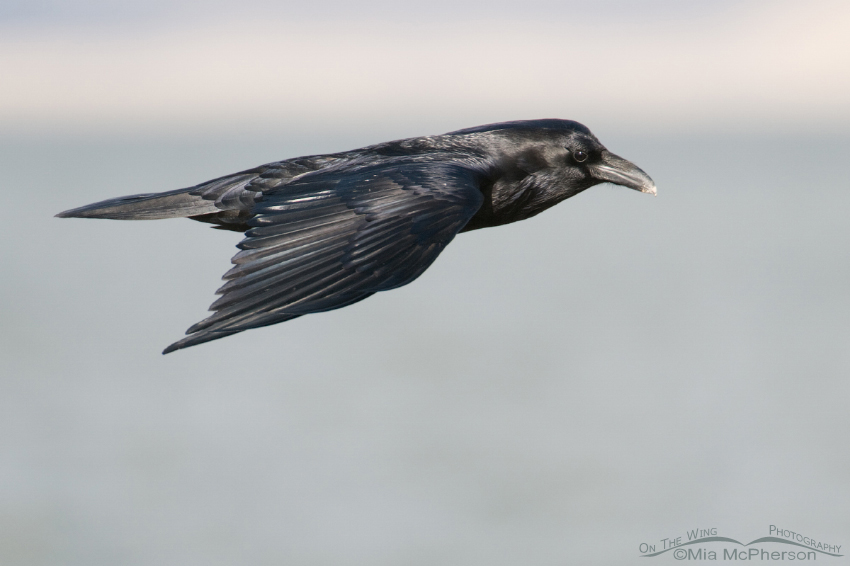
Ravens have always appealed to me even though some people might consider them "plain black birds". One of the reason I like them so much is that they are very smart and among the most intelligent birds in the world.
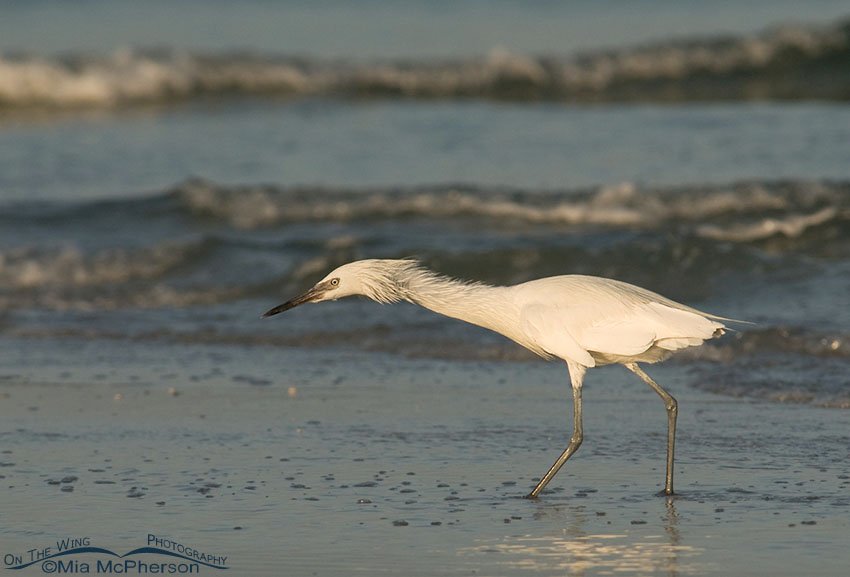
While I lived in Florida I simply adored being able to photograph Reddish Egrets, they can be graceful or goofy looking, they twirl, dash and dance.
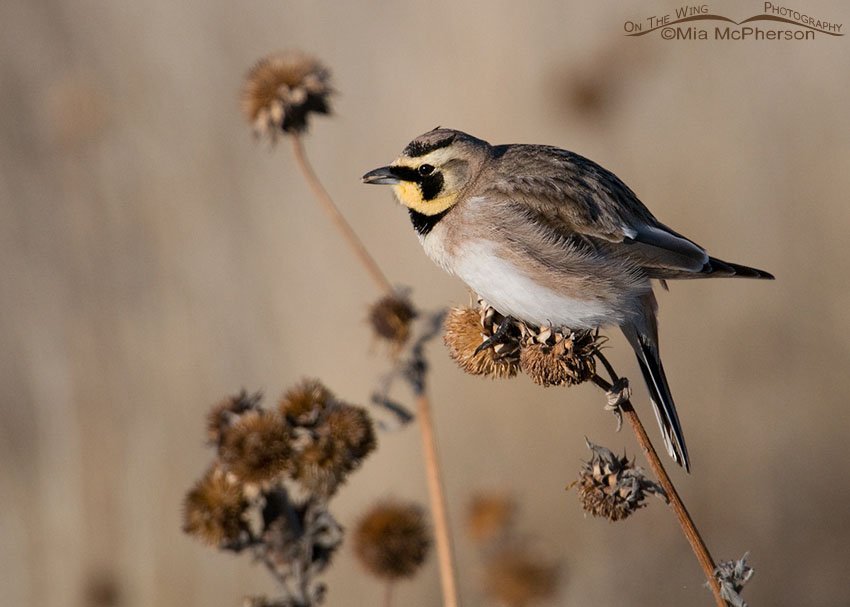
Yesterday I was delighted to be able to photograph this male Horned Lark perched high on dried sunflower seed heads as it ate.

I was laying down in the wet sand with my lens about an inch from the surface of the beach when I photographed these shorebirds, one needs to watch out for those rogue waves because they don't only wash away the bird's prey... they can soak your lens & camera too!
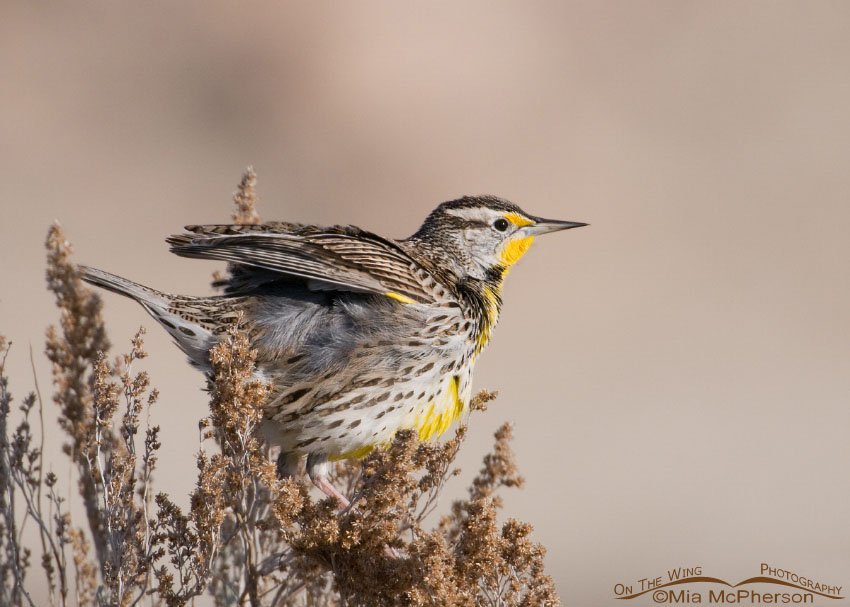
I couldn't resist posting another Western Meadowlark image that I created today even though I posted one earlier this morning.
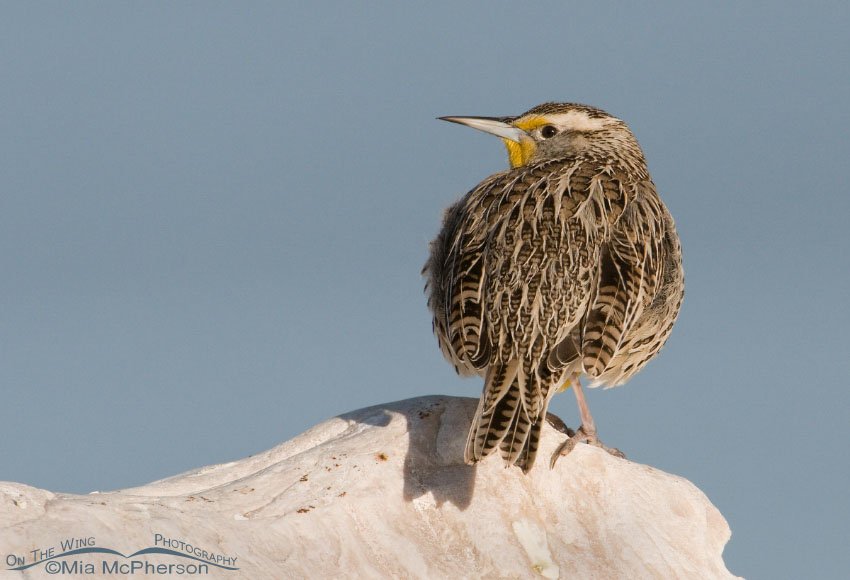
Tis the season of changes, for a bit it acts like winter and soon switches to act like spring. . The flute like call of Western Meadowlarks is a sound I associate with spring and lately I have been hearing them quite often.

I photographed this adult Bananaquit while on the island of Half Moon Cay in the Bahamas. The island was full of these birds.
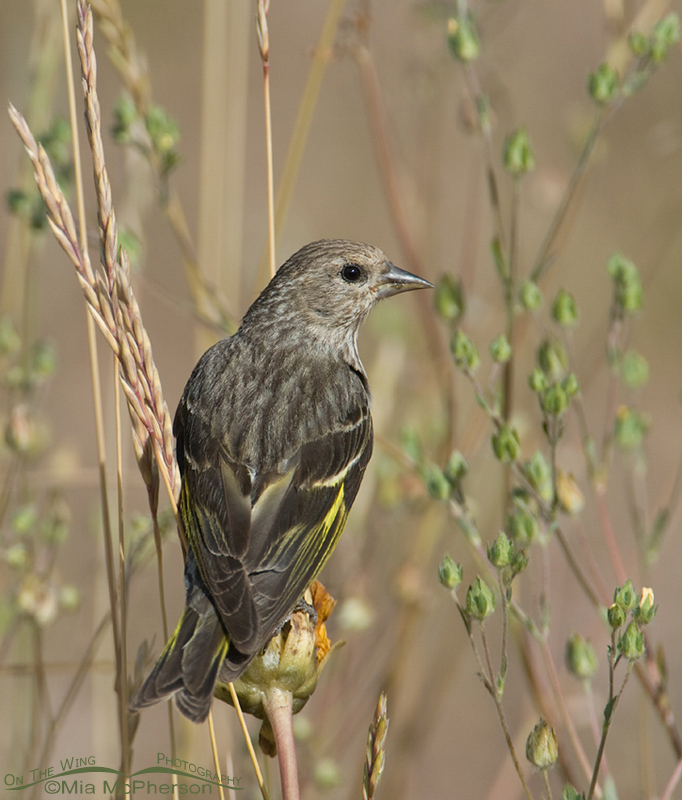
While exploring the area and it's breath taking beauty I spotted a large flock of Pine Siskins feeding on the seedheads of Mule Ears (Wyethia amplexicaulis).

Double-crested Cormorants are the most widespread of North American cormorants where they are found in salt and freshwater habitats.
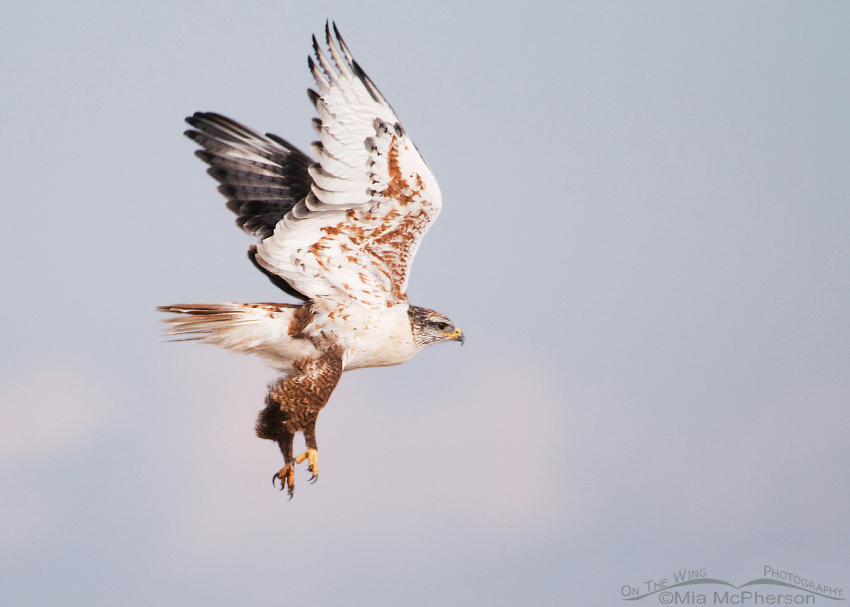
There aren't many people in the west desert of Utah thus the raptors and other birds that live there are not habituated to people so they are very skittish even when using a mobile blind.
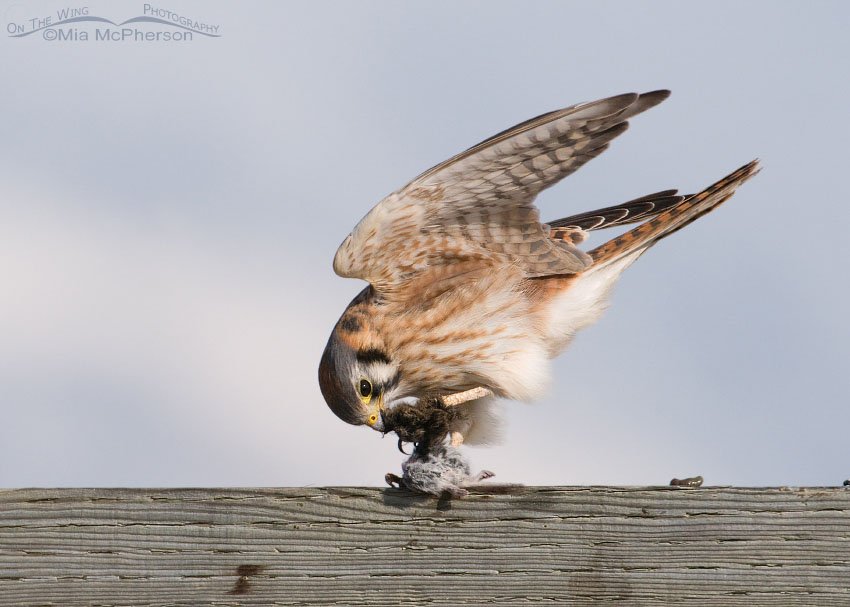
There are times when photographs speak for themselves, they tell a story or show behavior and with my bird and wildlife photography they also show the natural cycle of life. These images may be gruesome for some to view but they show this falcon's natural behavior quite well.

Obtaining a low angle with small shorebirds can bring the viewer into the birds world by being down to their level. When I photographed shorebirds in Florida I was either constantly covered in sand or mud, wet or all three.

This American Oystercatcher image was taken nearly three years ago, it seems difficult to believe that is has been that long but I like it as much today as the morning I photographed it.

American Coots are the most widely distributed members of the Rail family in North America and are very abundant in habitats with open water.

After I published my article titled Wild and Wonderful - Antelope Island - The Birds earlier this week I realized I didn't include any images of the doves found on the island so today I thought I would post a Mourning Dove.
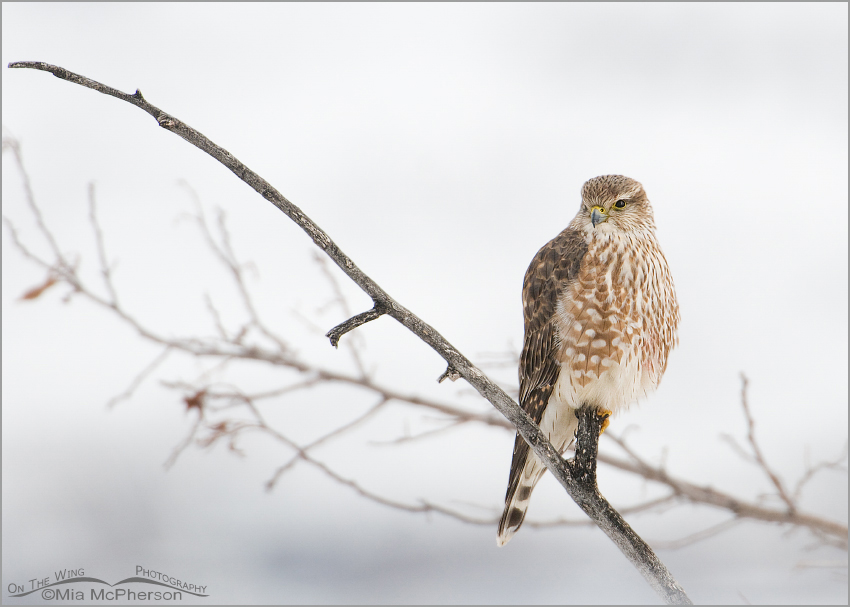
Merlins are winter visitors in the Salt Lake Valley so I have just a few more weeks to attempt photographing them. Merlins are used to be called "pigeon hawks" because their shape and flight patterns are similar to pigeons.
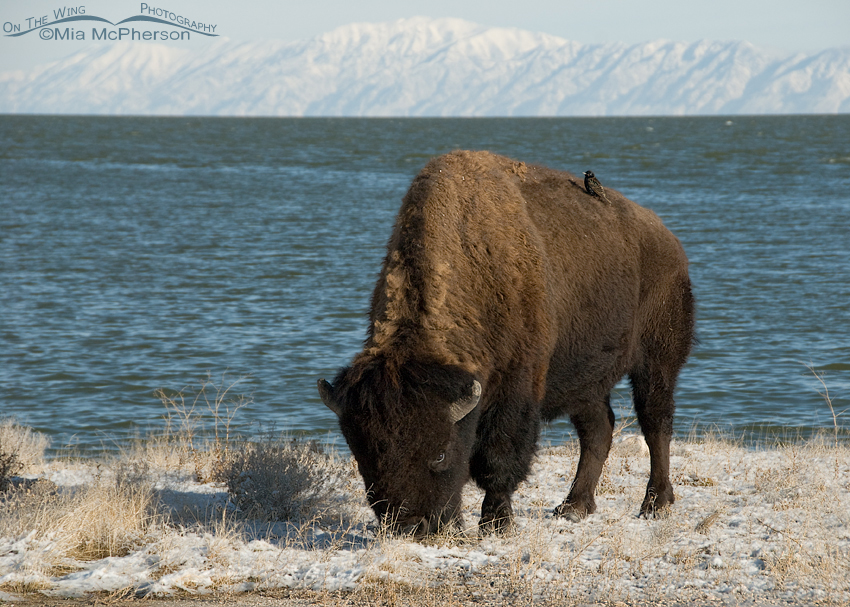
Since moving to Utah in the summer of 2009 I have wanted to get some images of an American Bison standing with the Great Salt Lake in the background.
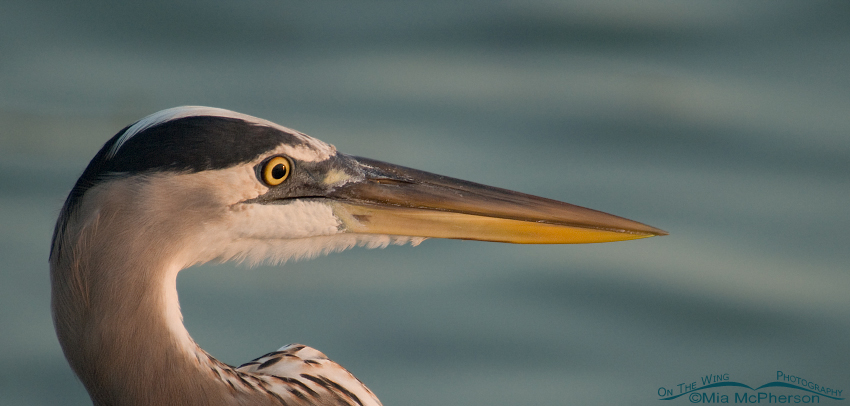
Another one of the reasons I enjoy this photo is that the eye of the Great Blue Heron has a colored catchlight that is from the sun glowing yellow on the eastern horizon.
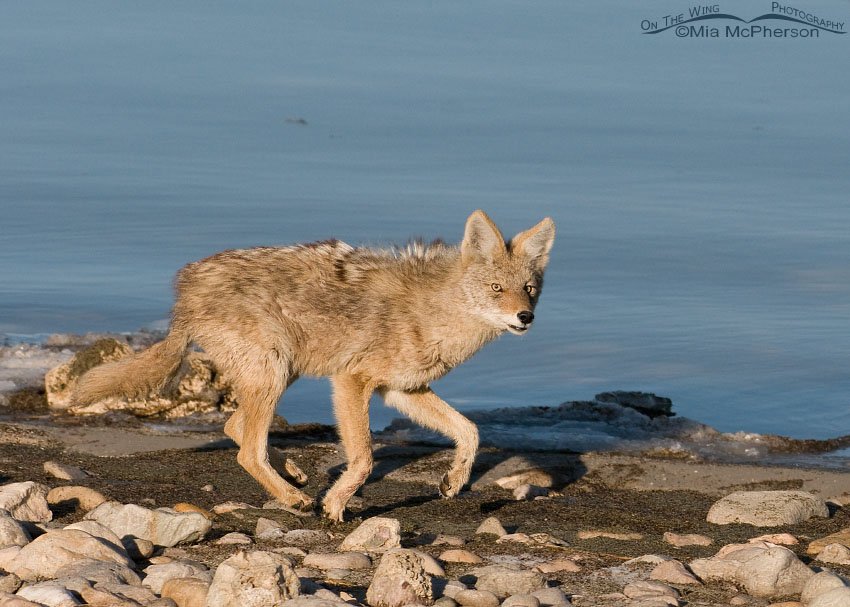
Last week I posted some fun images of a Coyote with Falcon leftovers taken along the shoreline of the Great Salt Lake with piles of ice in the background. Six days later, on January 1st, I had more fun with a Coyote in almost the same location.
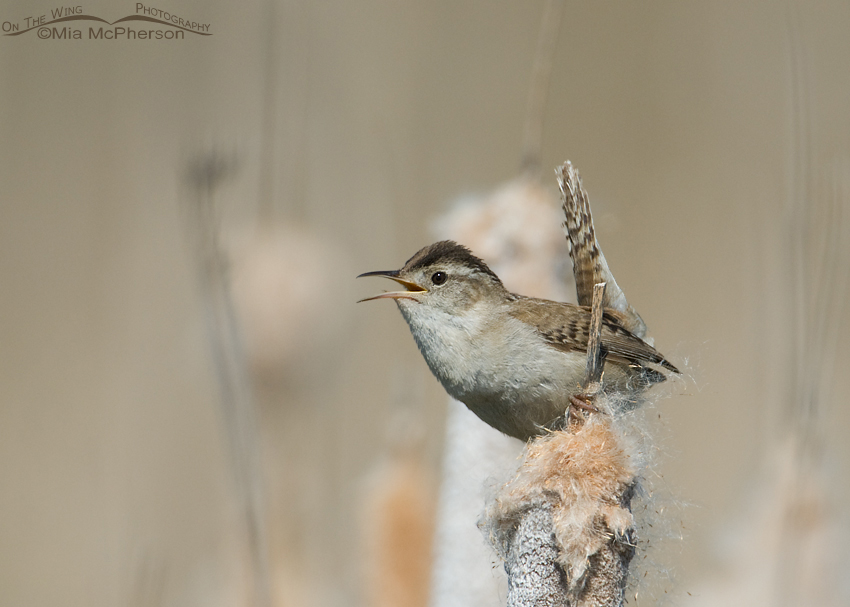
I photographed these male Marsh Wrens during breeding season when they were calling on their territories, while the male and female are alike in most aspects the exception is that only the males sing. And sing they do!
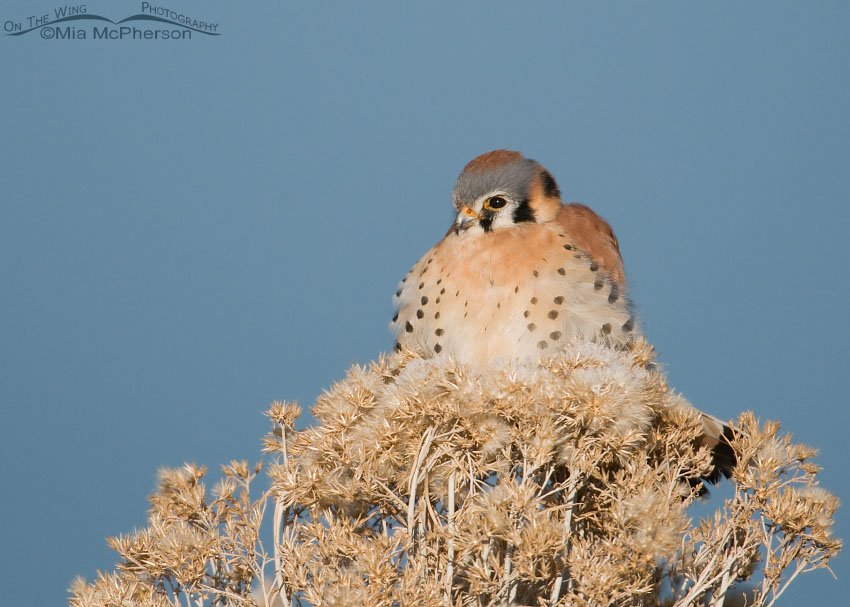
American Kestrels hold a special interest for me, they are North America's smallest falcon but what they lack in size they make up for in attitude. These falcons can be fiesty.

As 2011 comes to a close and 2012 is just hours away , I wanted to do one more blog post for the year.

This Great Egret hunting photo was taken early in the morning as the sun had just begin to touch the grasses, the bird and the water.
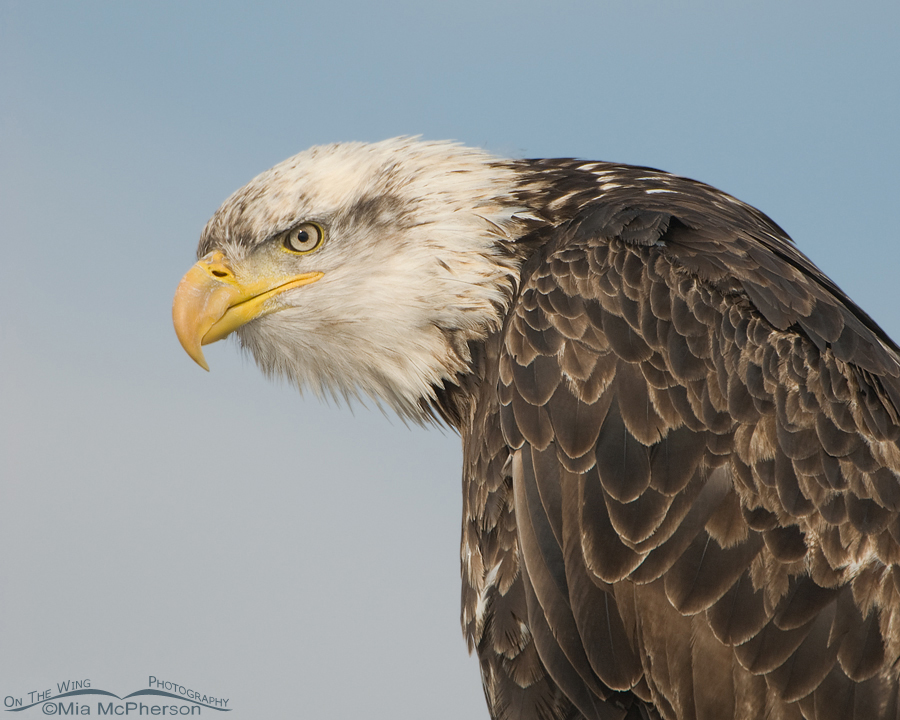
During the summer months I don't often see Bald Eagles unless I go up into the high country or travel north of Utah to Idaho, Wyoming or Montana but in the Salt Lake Valley many Bald Eagles come in to spend the winter.

It seems that people either love high key images or they hate them. Personally; I believe that when a high key image is done well that they can be very appealing and have a place for them in my portfolio.

I'm excited that two Great Horned Owls are using the same roosting location on Antelope Island.