What Is Wrong With This Coyote Picture?
That is dog food on a road on Antelope Island State Park. Someone threw it onto the road it didn't just fall from the sky.


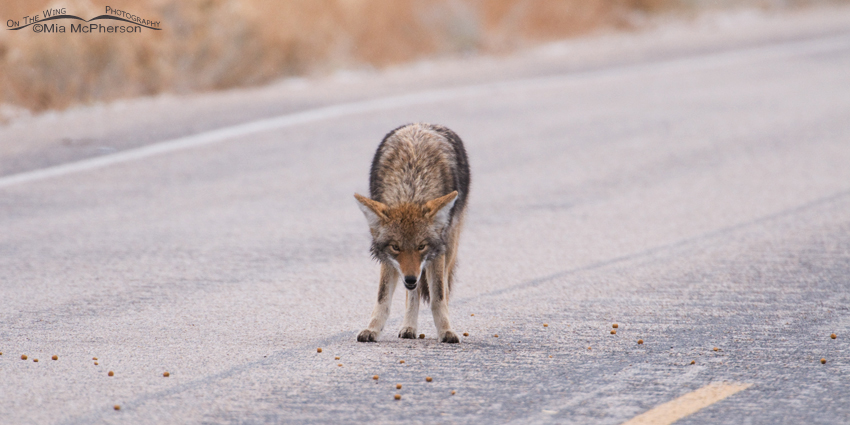
That is dog food on a road on Antelope Island State Park. Someone threw it onto the road it didn't just fall from the sky.
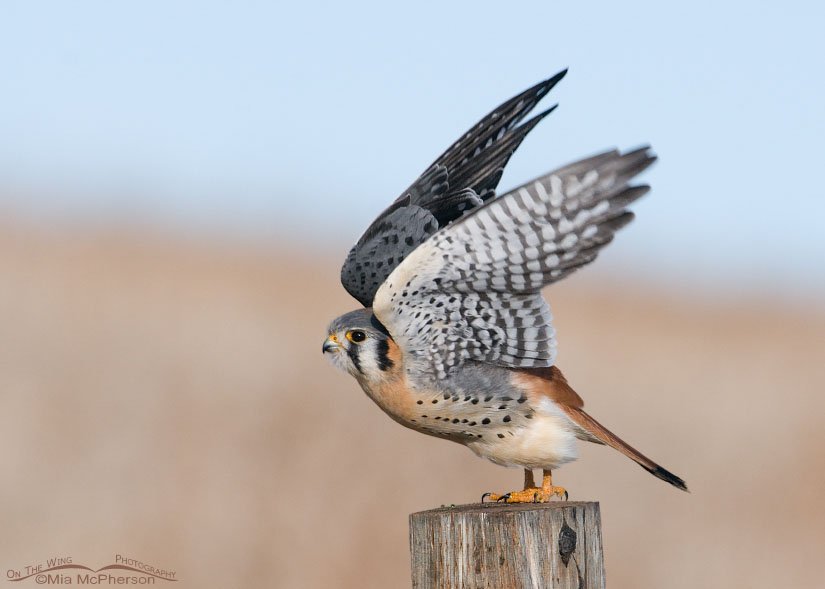
There is something about American Kestrels that speaks to me. They might be our smallest falcon in North America but they have big attitudes, fierce characters and are terrific hunters.
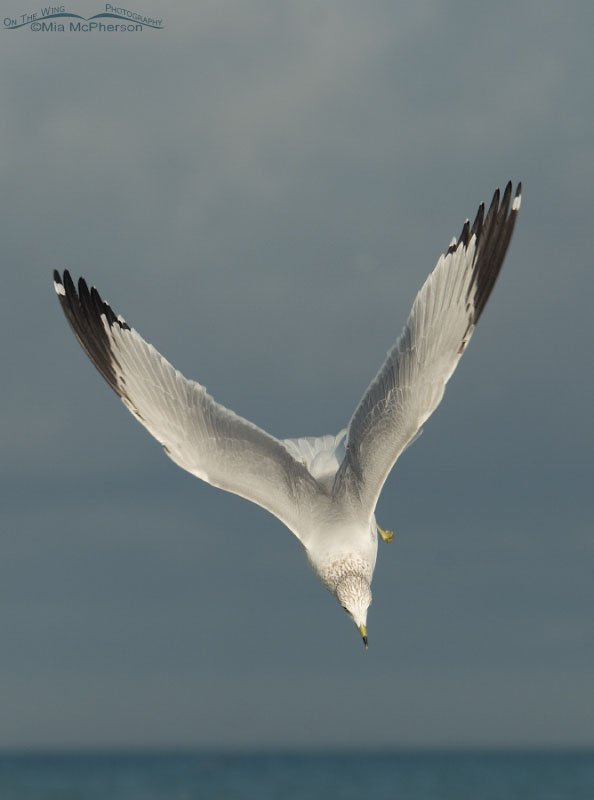
Just a simple image today that I have always liked because of the action even though I don't have great eye contact with my subject, a Ring-billed Gull.

Ring-necked Pheasants are colorful upland game birds that are native to Asia and were introduced into North America for recreational hunting purposes and now occur widespread across southern Canada and in many areas of the U.S. except for some of the southern states.

Typically I see far more Northern Harriers in the winter here in Utah than I do during the breeding season which might be partly due to the harriers preferring to nest within marshy wetland areas which are in abundance around the Great Salt Lake.

There was a bit of sun yesterday between snow falls and we headed out to Antelope Island hoping there would be light and birds. There was light and a few birds, this Black-billed Magpie was one of them.

Sanderlings look very different in appearance during breeding season and winter and novice birders might even think they are two different species.
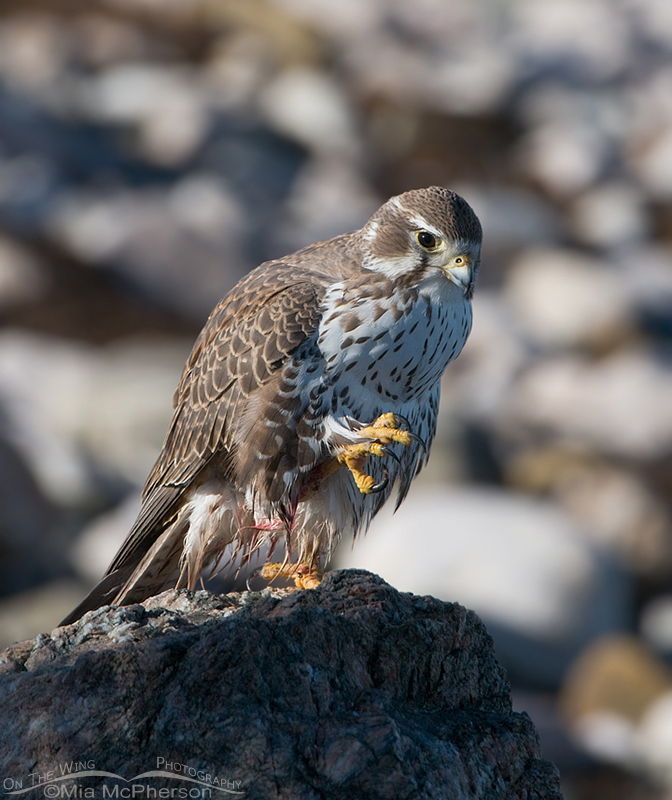
I wish I had been in a better position with a better angle of light but due to vegetation growing along the road there were just a few clear areas between the Rabbitbrush to get an unobstructed view of the Prairie Falcon but I do like how the photo shows off the full crop.

Song Sparrows are found throughout the U.S. and into Canada, some populations move south during the winter to southern states and northern Mexico. So far 30 subspecies of Song Sparrows have been described.
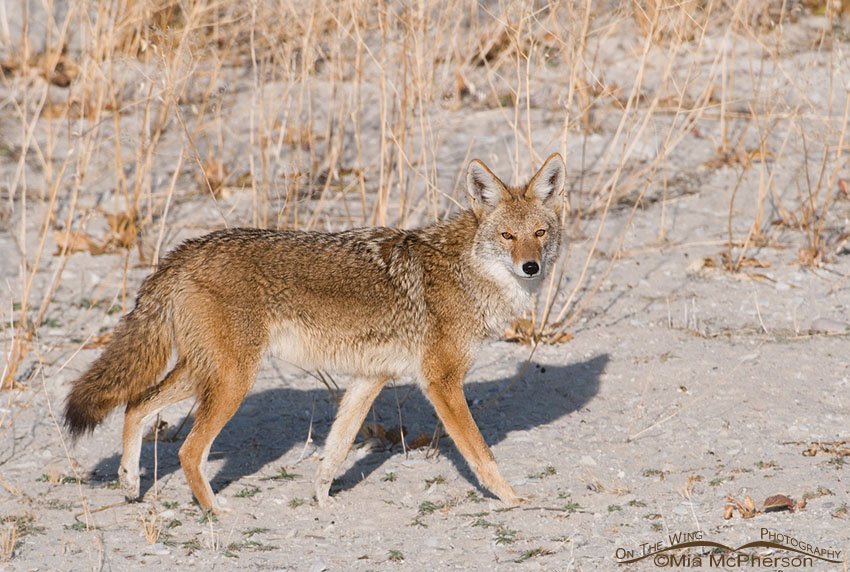
I hope that no one is getting sick of my Coyotes images. I took this Coyote photo two days ago as it walked on a Great Salt Lake beach.

This Western Meadowlark was a cooperative subject yesterday morning and allowed a close enough approach to get some frame filling images.

I'm pleased with this bison image because it contains so many icons of the western U.S., the bison grazing on prairie grasses, the Great Salt Lake and a mountain range in the background.

So, each time we see or hear Sandhill Cranes we are listening to and looking at a real living fossil.

Not long after arriving at Antelope Island yesterday I heard the sound of Coyotes singing, it is a sound that always brings a smile to my lips and delights me.
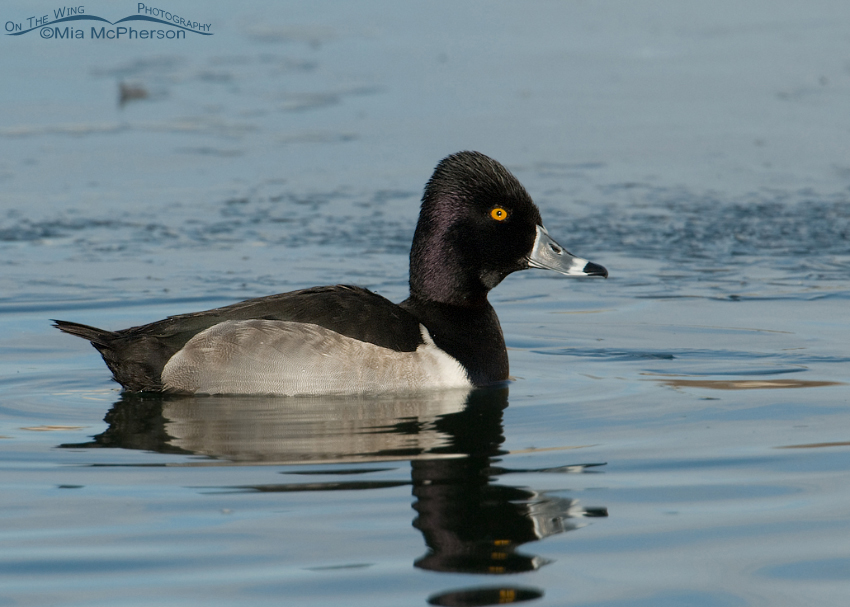
I photographed this drake Ring-necked Duck in breeding plumage a few years ago on a pond not far from where I live.
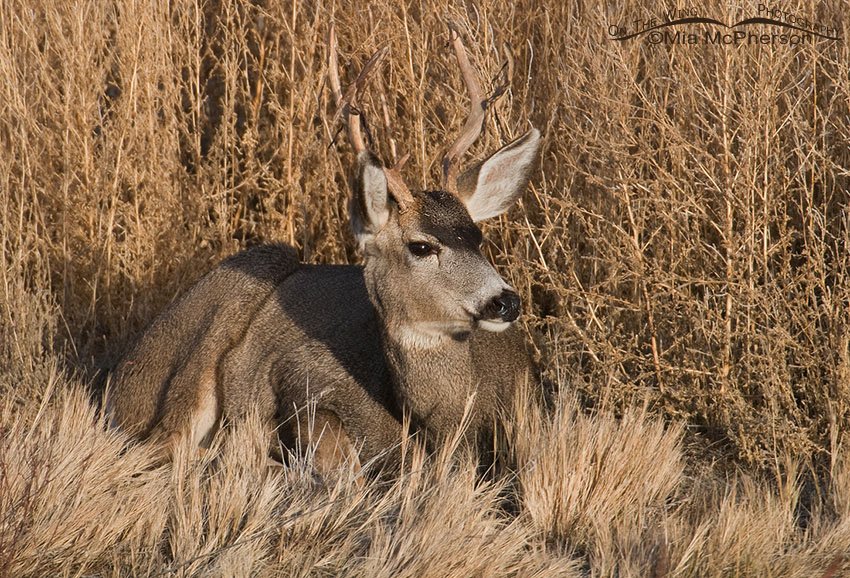
So, my best shots of the day were of this resting Mule Deer buck that I almost missed spotting because he blended in so well with the habitat.

I took this photo in Florida in 2008 as the adult Black Skimmer flew by whilst giving me "the eye". Isn't the color of the Gulf of Mexico behind the bird simply delicious?
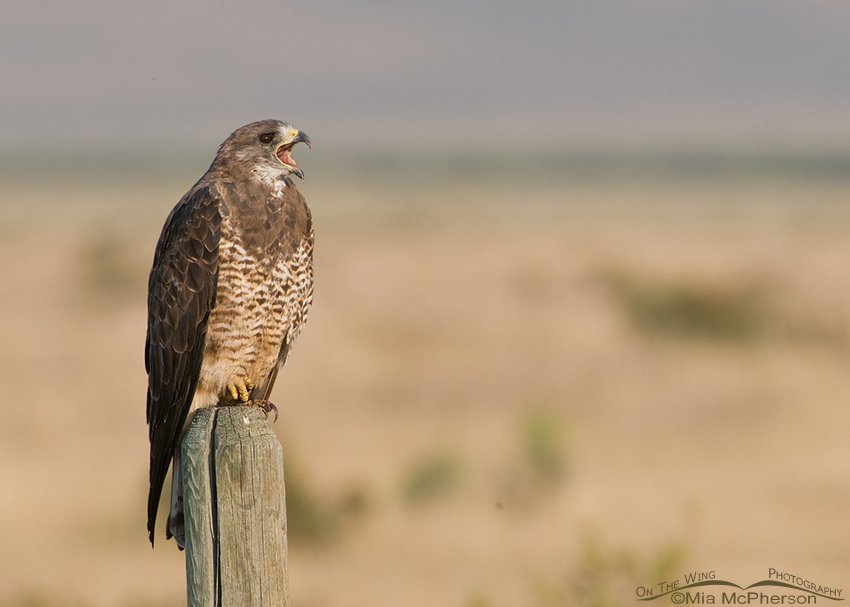
This adult Swainson's had two juveniles nearby that were perched on the conifer tree that their natal nest was in and the sun was getting close to setting. Sometimes I wish I could "speak" raptor so I could know what they are saying.

I was tickled to get these images and the others I created of these two Snow Geese yesterday, especially since they were close.

I remember the morning I took this photo well, it was a warm morning in February at Fort De Soto's north beach, the Great Egret was in the tidal lagoon near the Concession Stand and it had been actively hunting when it came up with this Mullet.
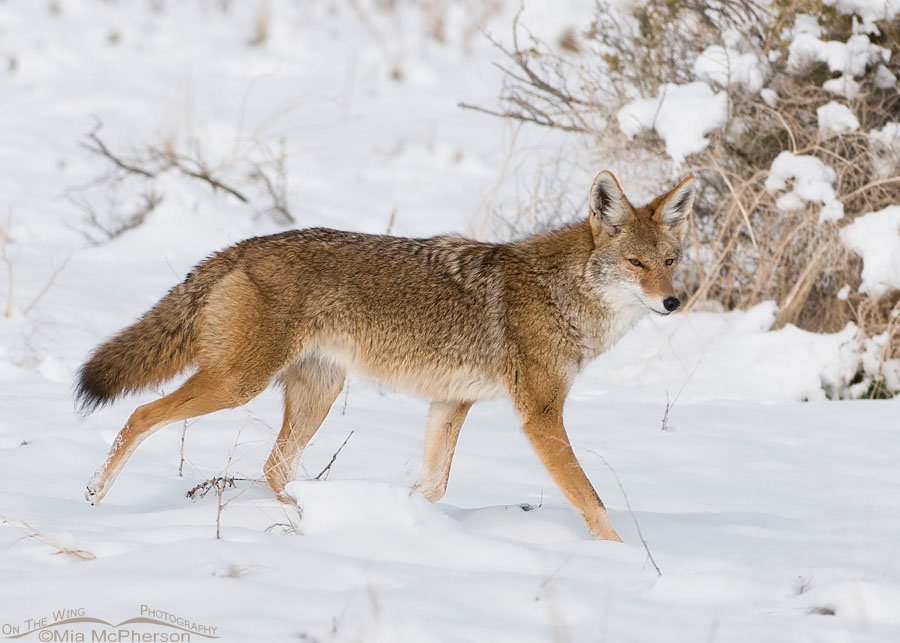
While looking for birds to photograph I spotted a pair of Coyotes hunting and roaming through the snow-covered landscape together.
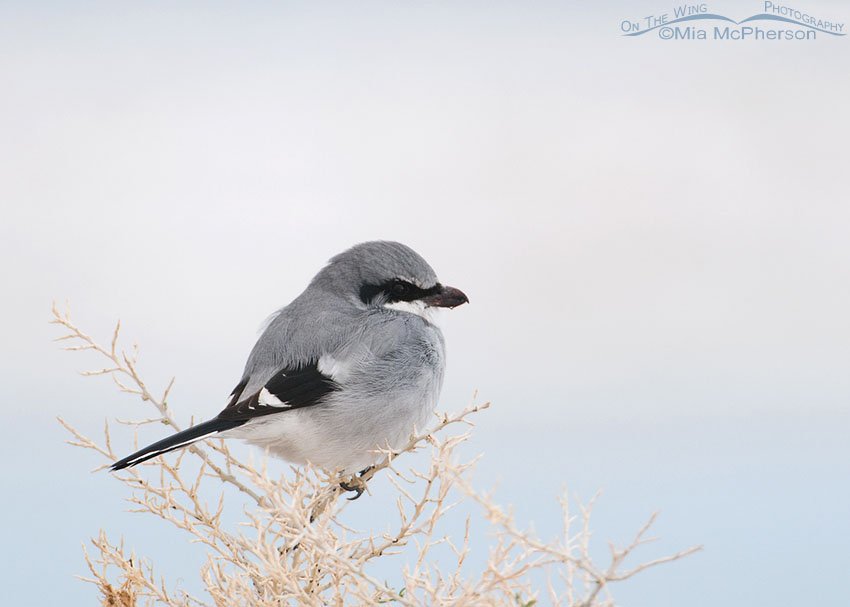
This Loggerhead Shrike was one of the few birds I photographed yesterday on Antelope Island before the Prairie Falcon with a Northern Shoveler as prey that I posted yesterday.

Earlier this morning I spotted a Prairie Falcon perched on a rock while on the Antelope Island Causeway, before we could get stopped and into position to photograph the falcon it took off over the water and attacked a Northern Shoveler.

We've gotten a lot of snow in the Salt Lake Valley since Friday, I swept at least a foot of snow off my vehicle yesterday and about 3 to 4 inches on Friday, as I write this the snow is still falling.

While in breeding plumage Tricolored Herons have redder legs, darker red eyes, blue lores and blue on the bill plus a longer, white occipital plume than they do during the nonbreeding season.
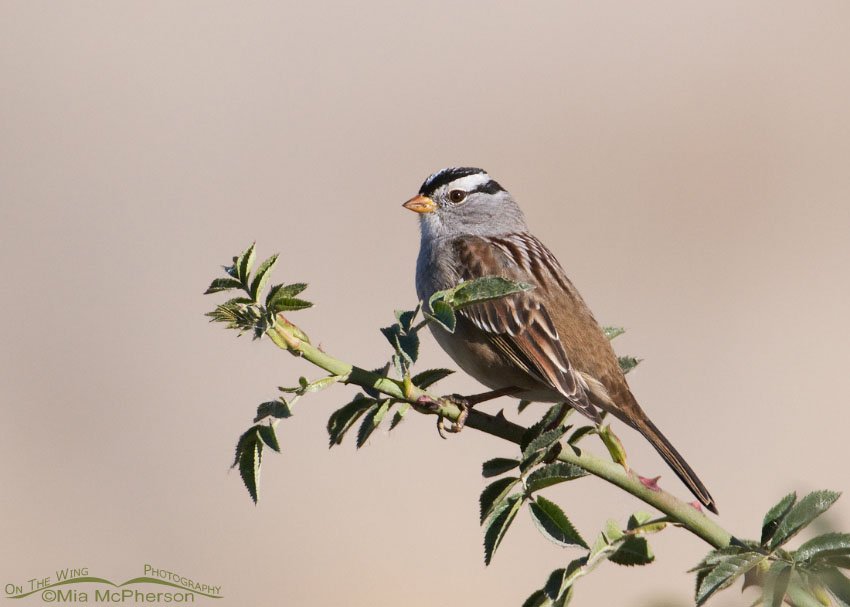
Just a few images from this past week.
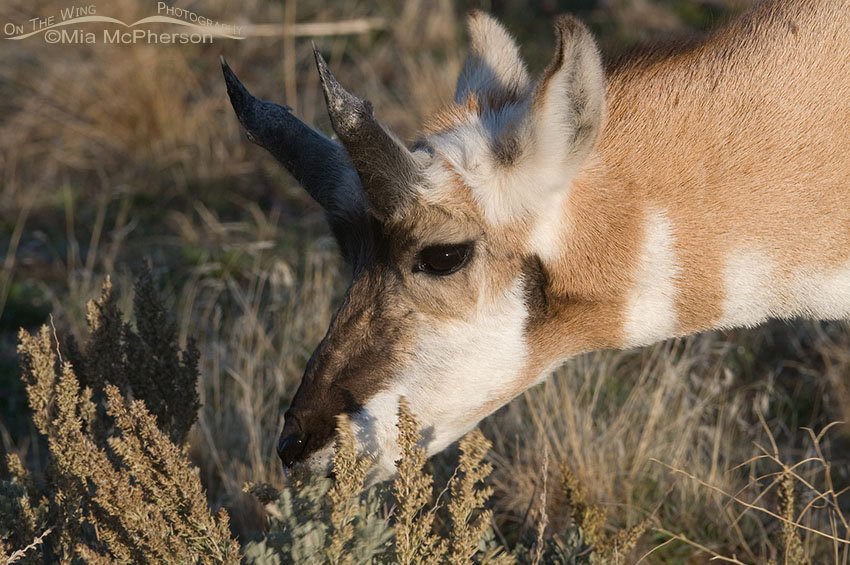
The horns of Pronghorns are composed of a permanent slender, laterally flattened blade of bone that is covered by a keratinous sheath.
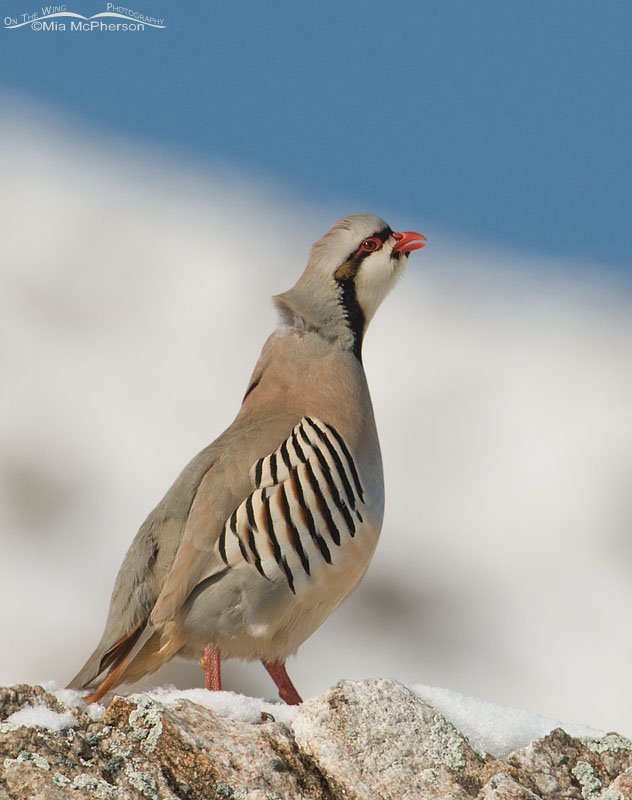
A simple image from a series of images I took last year of a Chukar calling on a rocky outcropping with a snowy mountain in the background.

Just a simple post today to show the differences in the breeding and nonbreeding plumage of Royal Terns.
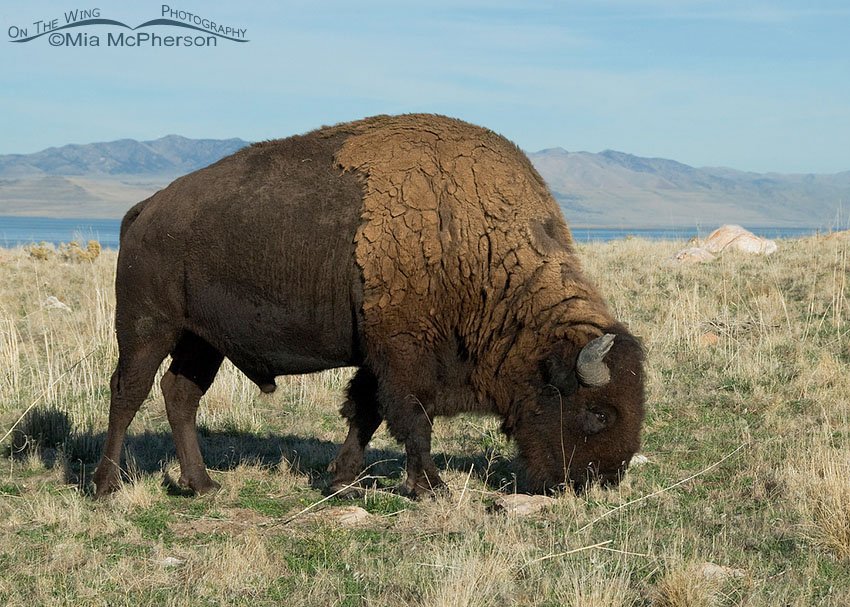
Yesterday I had an opportunity to photograph this Bison bull grazing on Antelope Island State Park with the mountains of Promontory Point in the background with just a small bit of the Great Salt Lake showing too.