Different Plumage Phases Of Red-breasted Merganser Drakes
Awhile back someone told me that Mergansers don't change their plumage seasonally, which is of course incorrect as all three species of mergansers that live in North America do.



Awhile back someone told me that Mergansers don't change their plumage seasonally, which is of course incorrect as all three species of mergansers that live in North America do.
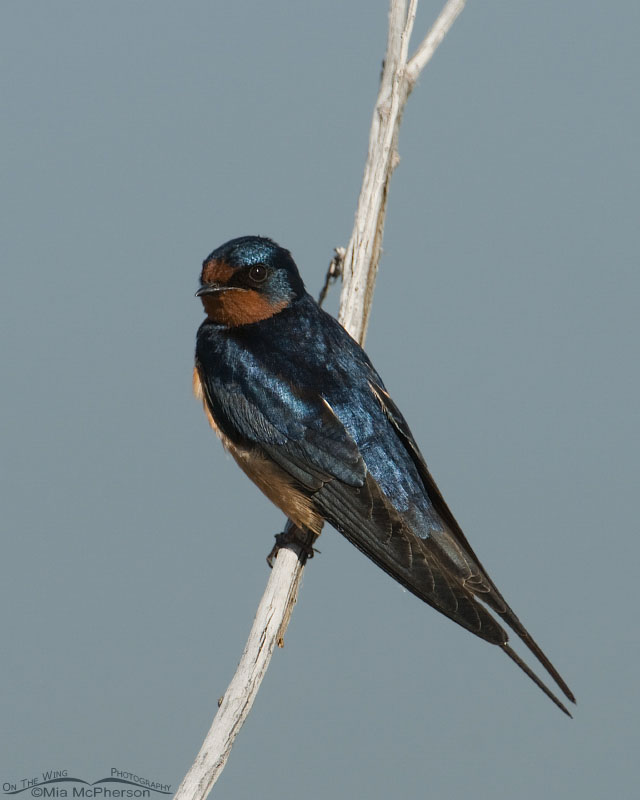
Bear River Migratory Bird Refuge has five species of swallows, they are Tree, Northern Rough-winged, Violet-green, Cliff and Barn Swallows.
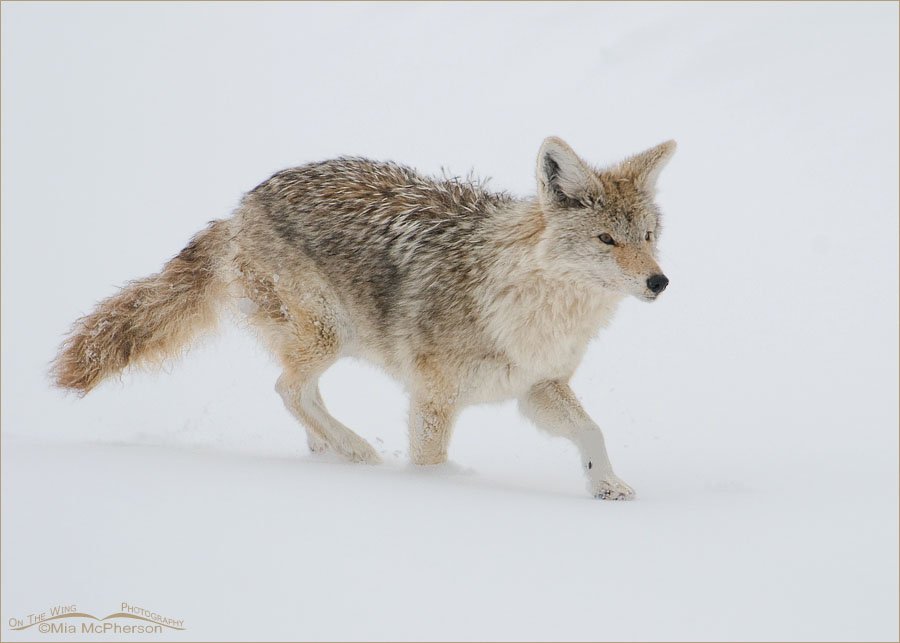
In my post yesterday I shared a Coyote photo in the snow and wanted to share a few more of the Coyotes I saw on Antelope Island State Park on Monday.
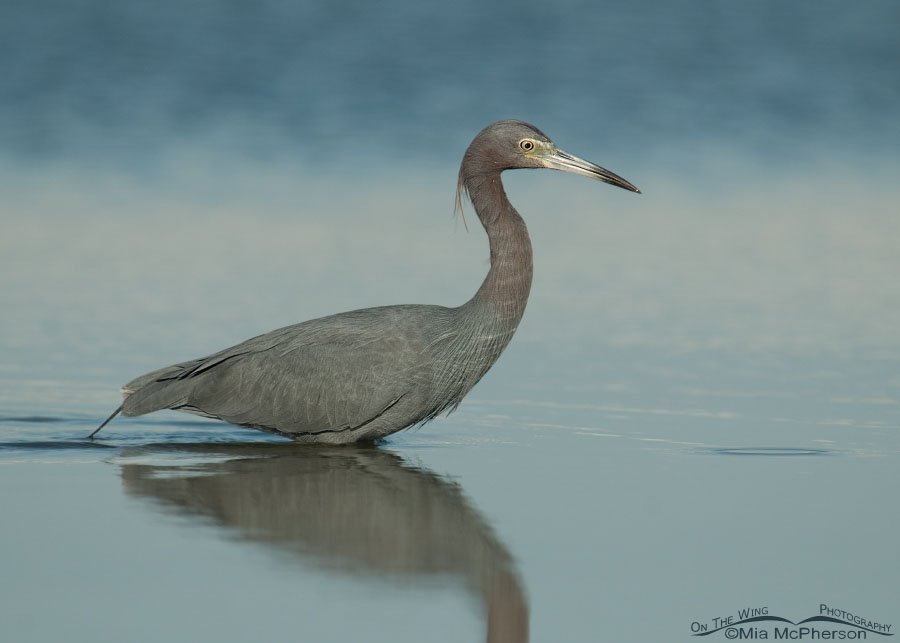
I don't know how much snow fell over night here in the Salt Lake Valley because it is still dark outside and while I am truly not "blue" about it I thought some images from warmer times of a blue bird might be in order for a Monday.

Fog can add a moody feel to images and yesterday there was plenty of fog at Farmington Bay WMA. There were a few Barn Owls hunting for food and I captured images of this one as it flew towards me.
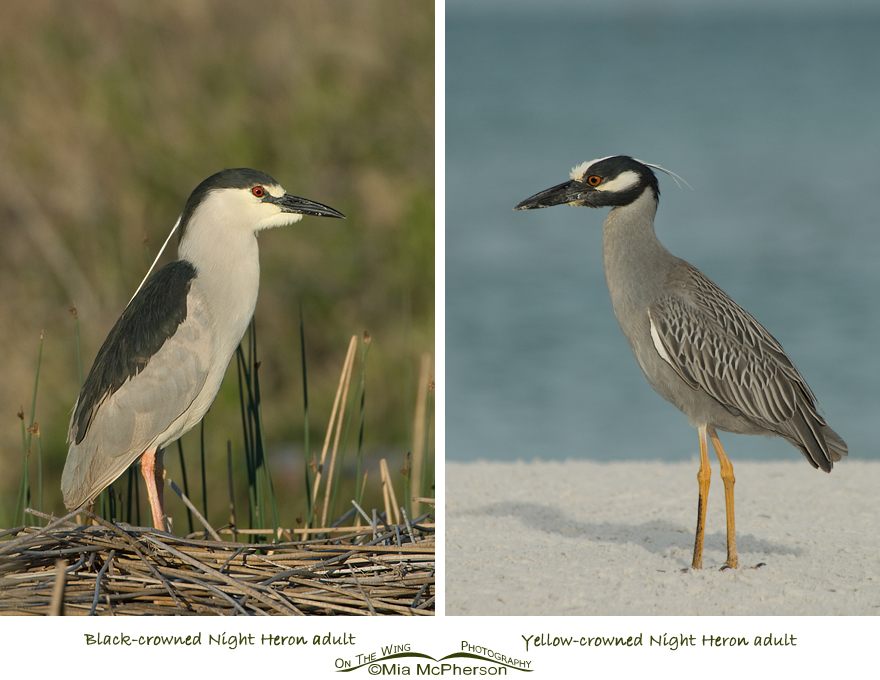
The adult Black-crowned and Yellow-crowned Night Herons aren't terribly difficult to tell apart though the juveniles can be more of a challenge.

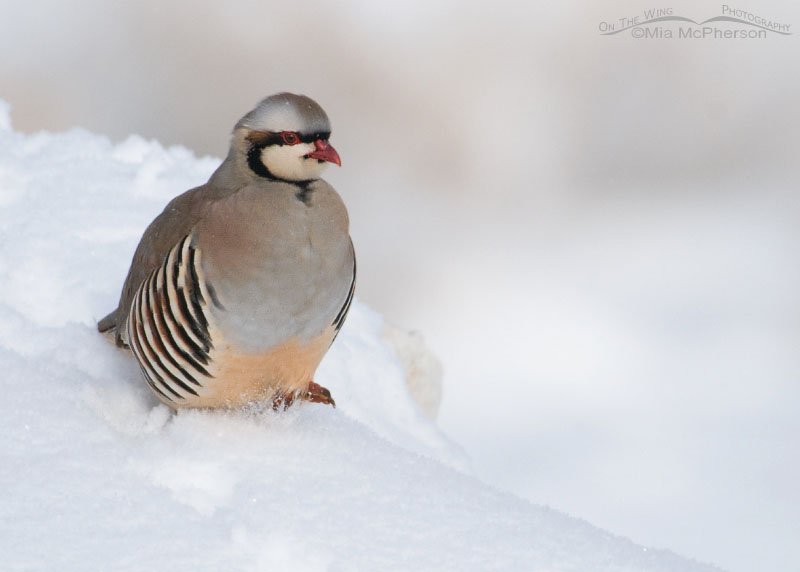
These Chukar images were taken last Friday and this bird is the same one in my post titled "Some fun with birds from yesterday", I wanted to share more photos of it.

Yesterday Ron, Brian Gatlin and I went to Bear River National Wildlife Refuge and the Golden Spike National Historic Site area in bad light, falling snow and lake fog looking for birds to photograph and we came up pretty much empty-handed but we did find this adult Bald Eagle perched on some snow-covered rocks going towards the Golden Spike National Historic Site Visitor Center as the snow fell.
A wonderful fun-filled day with great companionship and plenty of birds. I can't ask for more.
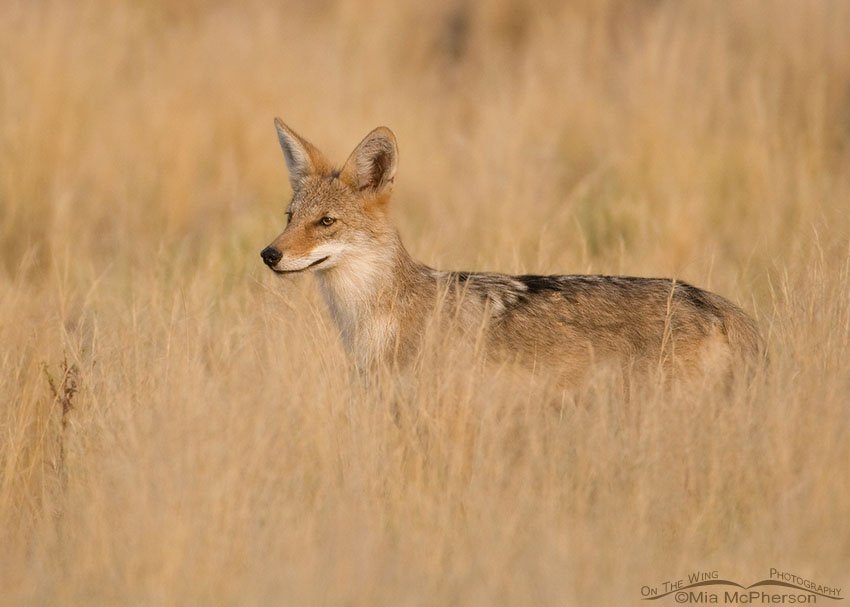
I dare news agencies to write factual articles about the inhumane practice of slaughtering Coyotes which has been proven by science to be largely ineffective in controlling their population, to observe the Coyotes being blown up in their dens and to witness the suffering of these animals when they are caught in traps.
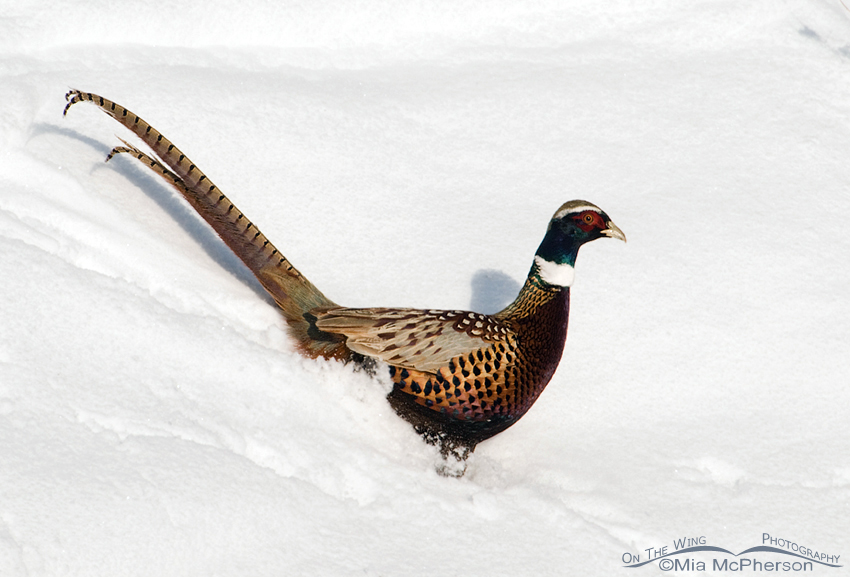
Ring-necked Pheasant males are far more colorful than the females and in snow they seem even more vividly colored.

I photographed this perched Barn Owl yesterday at Farmington Bay Waterfowl Management Area in northern Utah near a hill that was covered in snow which gave this image a high key effect.

I have been noticing more Ring-necked Pheasants than usual of late but that it mostly because the birds don't blend well into the snow and we have had plenty of the white stuff fall the past few weeks.
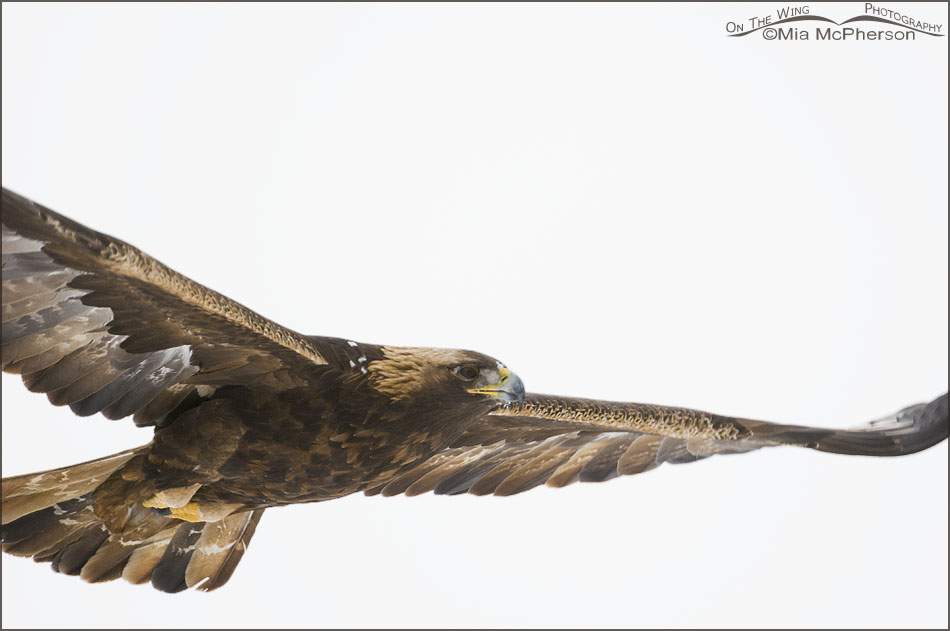
Early yesterday morning Antelope Island State Park did not have the best conditions for bird photography, there were clouds, a bit of lake fog and low light so when I spotted this Golden Eagle perched on a sagebrush in those conditions I was dismayed.
I spotted this Great Blue Heron yesterday at Farmington Bay Waterfowl Management Area and loved the setting with the fresh snow blanketing the steep creek bank.

It is almost hard to believe that in just two months these Chukars will be fighting for territories as they begin the mating season while there is over 9 inches of fresh snow on the ground where I live this morning.

The answer to the ID quiz is a female Green-winged Teal! Out of 49 people taking the quiz there were 6 votes for Mallard, 8 votes for Blue-winged Teal, 9 votes for Gadwall and 26 votes for Green-winged Teal.

One very foggy May morning I came across a small flock of Roseate Spoonbills in a tidal lagoon at Fort De Soto's north beach and photograph them for about 15 minutes before they flew off to find food.

This image soothes me because of the still water, the relaxed pose of the calm Snowy Egret and the memories of how delightful it was to be on the north beach of Fort De Soto
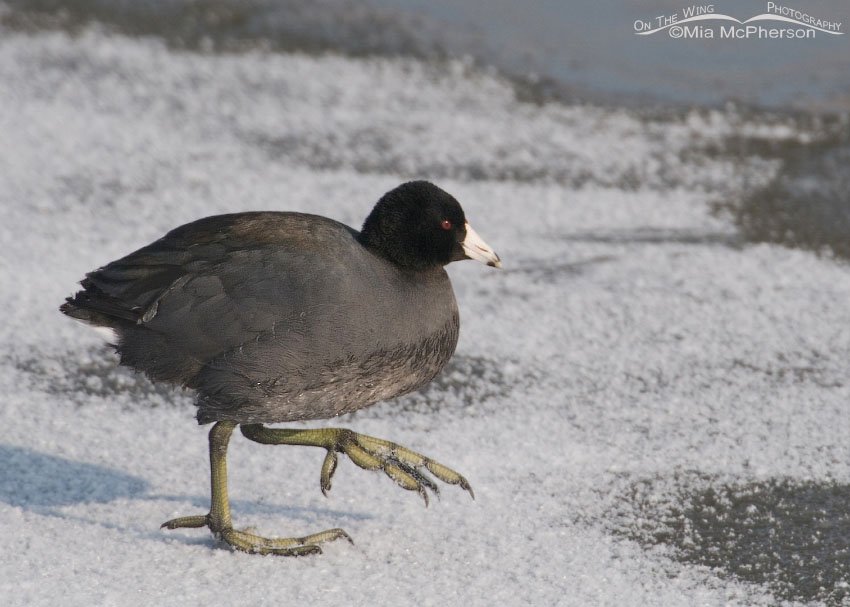
Looking at the huge lobed feet of American Coots is enough to make me laugh. Yesterday I just could not resist these birds.

These two "Great" images were taken two minutes apart of two different "Great" wading birds in Florida.

Yesterday I spotted a covey of Chukars on Antelope Island foraging in the snow, this Chukar was pulling guard duty and standing on top of a snow covered rock and for a bit it was calling.
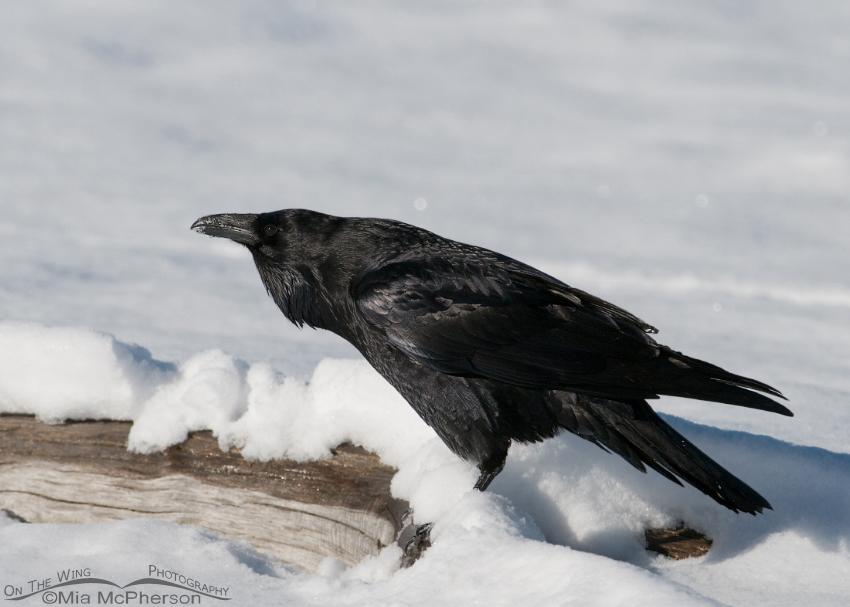
Photographing dark birds such as this Common Raven is a challenge and knowing how to expose properly as well as getting the right angle of light is critical in producing a quality image.

Fresh snow fell on Antelope Island last night and it made for wonderful settings for the subjects I photographed this morning like this Chukar. I haven't been seeing the Chukars regularly lately so I was very pleased to see them again.
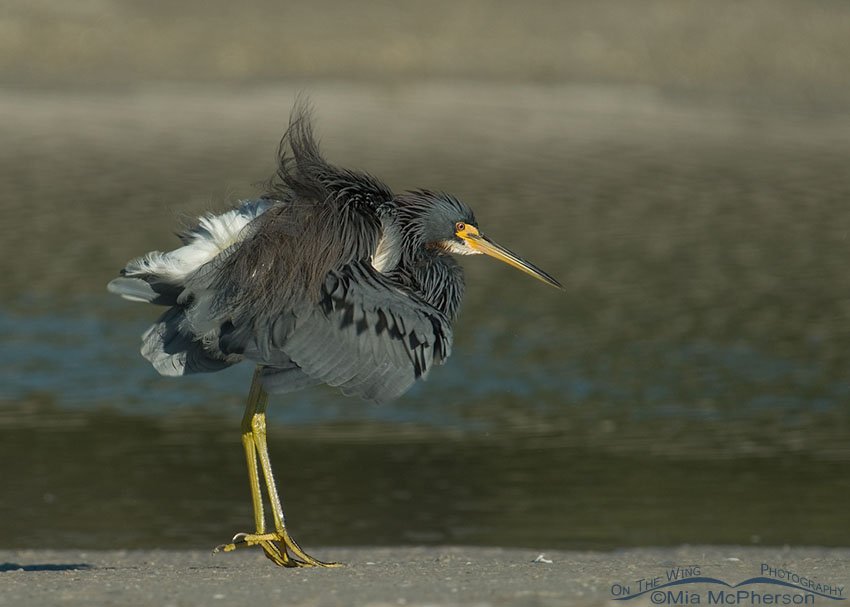
The Great Blue Heron I photographed on Christmas Day seems to have focused my attention on wading birds, yesterday it was Reddish Egrets and this morning I present a Tricolored Heron shaking its feather while on tip toes

These two Reddish Egrets; a dark and a white morph, were photographed on the same day at Fort De Soto's north beach in May of 2009 and both of them were showing signs of being in breeding plumage.

Evening can have marvelous light too though as shown in the Roseate Spoonbill image above that I photographed in Florida as it hunted for prey in a tidal lagoon.

This Great Egret image was taken in Florida in 2009, the beautiful blue in the background is the water of the Gulf of Mexico.

I photographed this Short-billed Dowitcher and the out of focus Sanderling the day after a storm had pushed mounds of Sargassum seaweed onto the wrack line and the birds were busy looking for food within it.
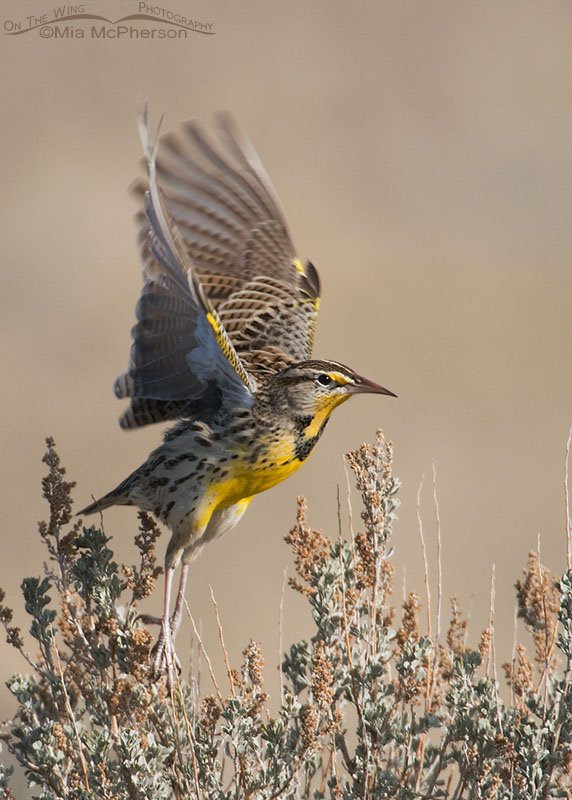
This Western Meadowlark image was taken last month on Antelope Island State Park. I meant to post it earlier but forgot because I got so busy trying to set up my new computer. Life outside of bird photography does get in the way at times.