Black-bellied Plovers in Breeding and Nonbreeding Plumage
Black-bellied Plovers in breeding and nonbreeding plumage can look like two different plover species but they aren't.



Black-bellied Plovers in breeding and nonbreeding plumage can look like two different plover species but they aren't.

Several people have remarked on how much they like the resting Black Skimmer juvenile image that was in my rotating banner at the top of this blog so I thought I would post it to show the whole bird.

Despite having "Night Heron" in their name Yellow-crowned Night Herons (Nyctanassa violacea) are not strictly denizens of the dark, they can and do stalk their prey during the daylight hours too.

A simple image of a beautiful Snowy Plover in a rather goofy looking pose. The plover had been preening and paused for a few frames with its tail lifted up

Ruddy Turnstones in breeding and nonbreeding plumage can appear to be two different species to novice birders and bird photographers as can several other bird species.

Least Sandpipers (Calidris minutilla) are the world's smallest shorebird, weighing in at a mere 0.7 ounces (20 g), a length of 6 inches and a wingspan of 13 inches.
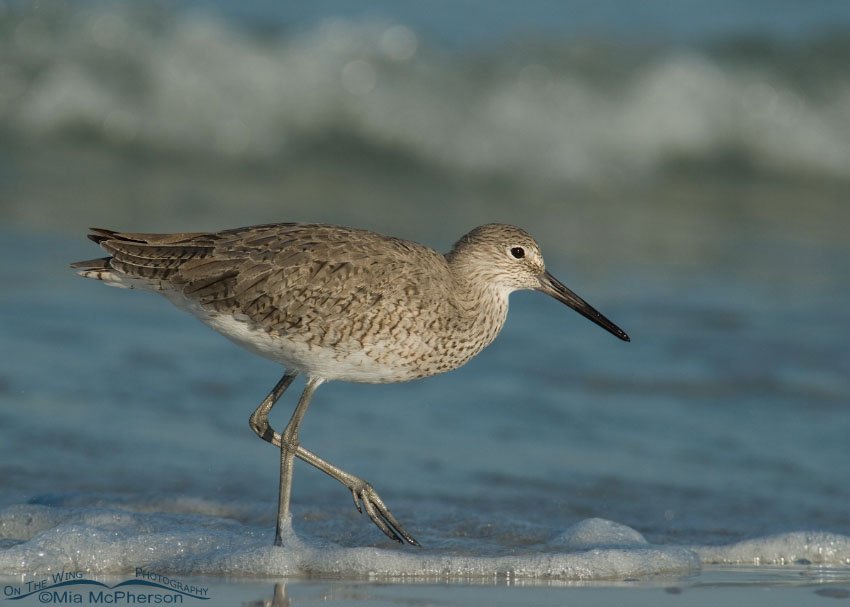
Getting "Down & Dirty" pays off when photographing shorebirds like this Willet in the surf I photographed in Florida as it walked along the shoreline of the Gulf of Mexico.
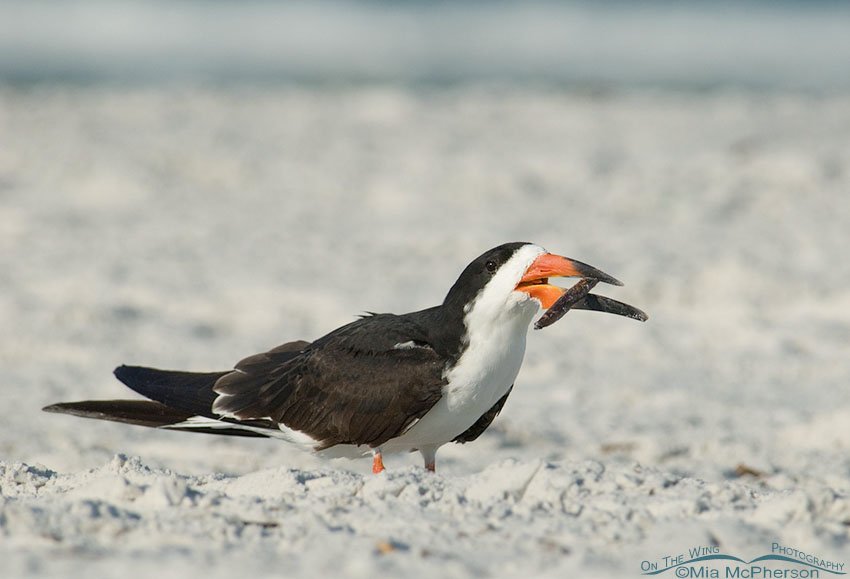
The Black Skimmer had a Mangrove seed pod in its bill and it was twirling the seed pod with its bill, at times the seed pod even went over the top of the bill but unfortunately I didn't get any images of that.

Two Herring Gulls (Larus argentatus) at different stages of life, one an adult in breeding plumage, the other an immature gull in flight.

One of the shorebird species I am able to see in Utah during migration that I photographed often while I lived in Florida are the lovely Black-bellied Plovers (Pluvialis squatarola).

It dawned on me this morning that I haven not posted an image of a Western Sandpiper here yet so I pulled this one out of my archives that I photographed at Fort De Soto as the small shorebird ran in front of me on the shoreline.

Willets have returned to Utah, on the causeway to Antelope Island hundreds of them can be seen in the shallow water. They seem to spend some time there fattening up after migration before they get down to the serious business of mating and rearing their young.
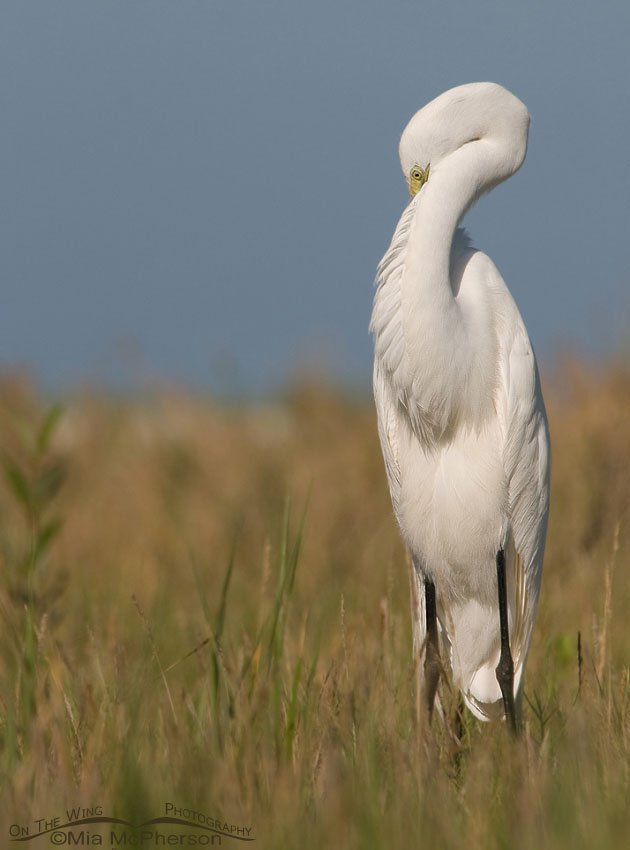
Just a simple Great Egret (Ardea alba) image that always seems to tickle my funny bone when I view it because of the pose.

These two photos are of the same adult American Oystercatcher (Haematopus palliatus) in sequential order taken at Fort De Soto County Park in Florida. I was laying in the sand while I created the images to get a low angle and the bird was on a ridge elevated slightly higher than my location.
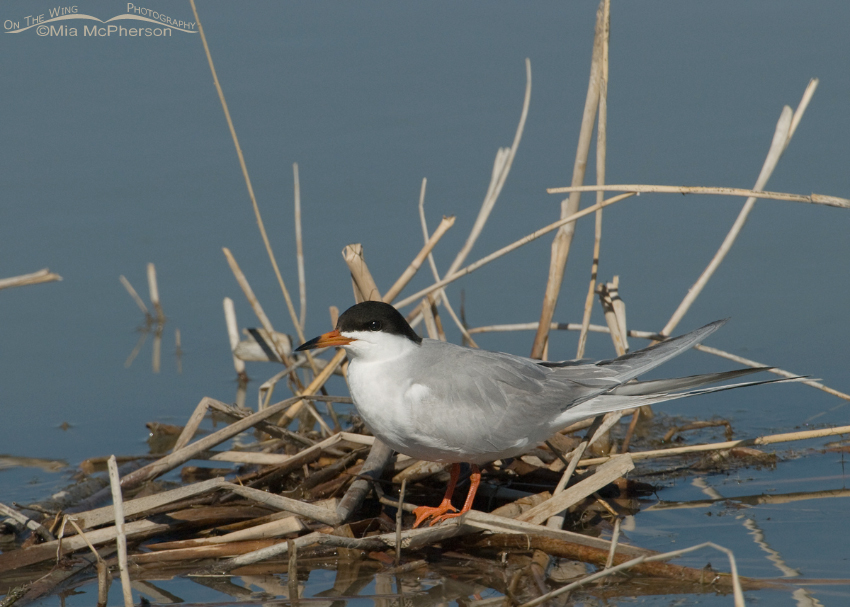
When I moved from Florida to Utah I felt it was fortunate that some of the nonbreeding birds I used to see in Florida during the winter I now get to see in breeding plumage on their nesting grounds.

I've always liked this photo because it shows how this American Oystercatcher (Haematopus palliatus) is using its long bill to pry open a shell.

Piping Plovers nest in shallow scrapes in sand, gravel, salt flats or dunes which leaves their nests vulnerable to predators and in danger of being accidentally stepped on.

I'm glad I didn't turn around to head home when I saw the thick sea fog that morning, if I had I may have missed photographing some of these beautiful things.

I was laying down in the wet sand with my lens about an inch from the surface of the beach when I photographed these shorebirds, one needs to watch out for those rogue waves because they don't only wash away the bird's prey... they can soak your lens & camera too!

Double-crested Cormorants are the most widespread of North American cormorants where they are found in salt and freshwater habitats.

This American Oystercatcher image was taken nearly three years ago, it seems difficult to believe that is has been that long but I like it as much today as the morning I photographed it.

When I am out in the field I take a large amount of photos and there are times I don't get around to processing them until much later, these are two such images taken at Fort DeSoto, Florida in 2008.

Because I live far from my family and have no children at home my yearly Thanksgiving tradition includes spending a part of my day out photographing birds, mostly early morning outings.

It didn't take long for me to check my ISO, my aperture and other techs as I dropped onto my knees before laying flat on my belly to photograph the flock of 20 or so Whimbrels.
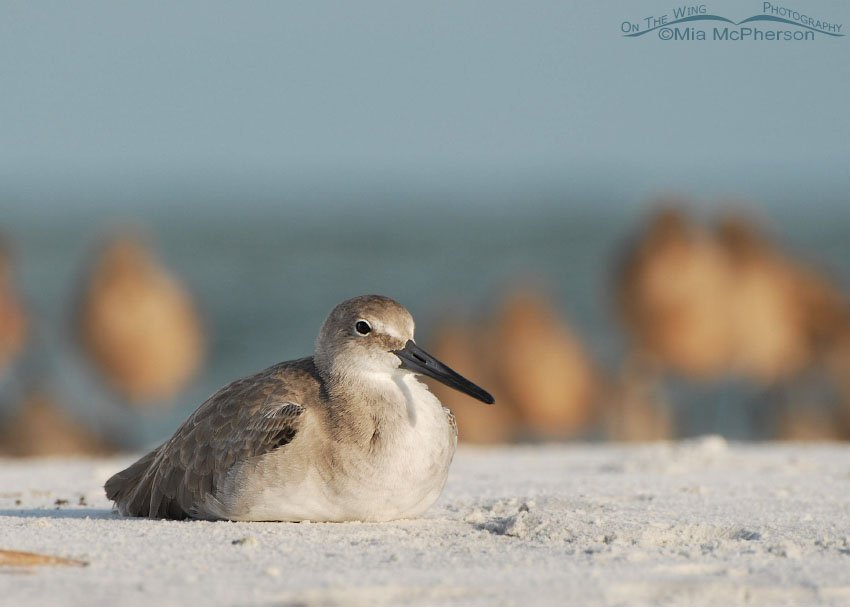
There are images that I have created that as soon as I see them on my monitor become listed as one of my favorites.

My friends say when my images have such a low angle that I must have been "Down 'n dirty". Well I know for sure I was dirty, I had sand everywhere!
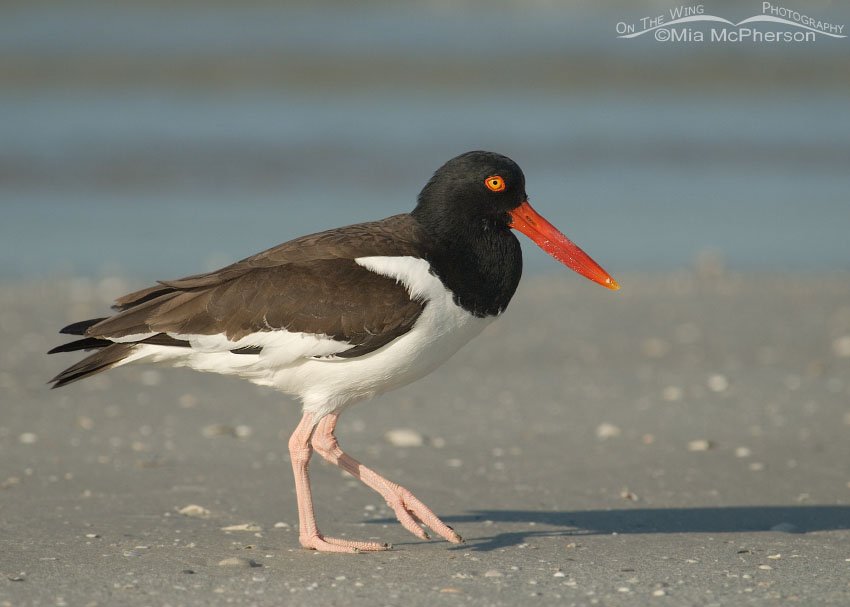
American Oystercatchers are fascinating birds to photograph, They can strike unusual poses and their plumage is spectacular in flight. I enjoyed watching them pry open bivalves with their long bill

Fish Crows are fairly commonplace along the coast of Pinellas County and they are often ignored by photographers because they are a "plain" common bird.

There were quite a few Laughing Gulls on and near the shoreline, a few Ring-billed Gulls and two Reddish Egrets hunting on the beach that day.

Laughing Gulls are quite common on the east and Gulf coastlines of the US, during breeding season they are usually found near saltwater but in nonbreeding season they are known to wander widely.