Almost – Golden Eagle In Flight
Golden Eagles (Aquila chrysaetos) have thus far been a nemesis bird for me and when I spotted one yesterday I thought I might finally get the shots I have long wanted.


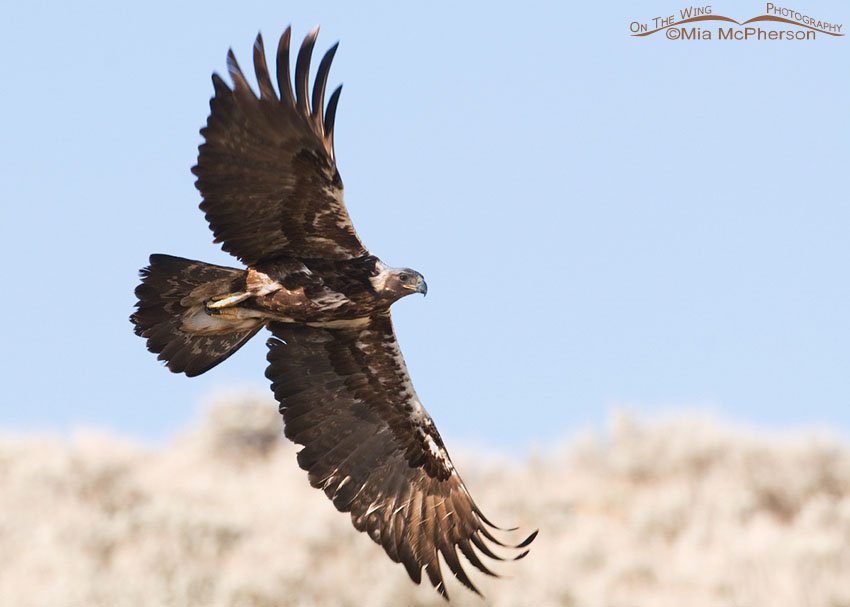
Golden Eagles (Aquila chrysaetos) have thus far been a nemesis bird for me and when I spotted one yesterday I thought I might finally get the shots I have long wanted.
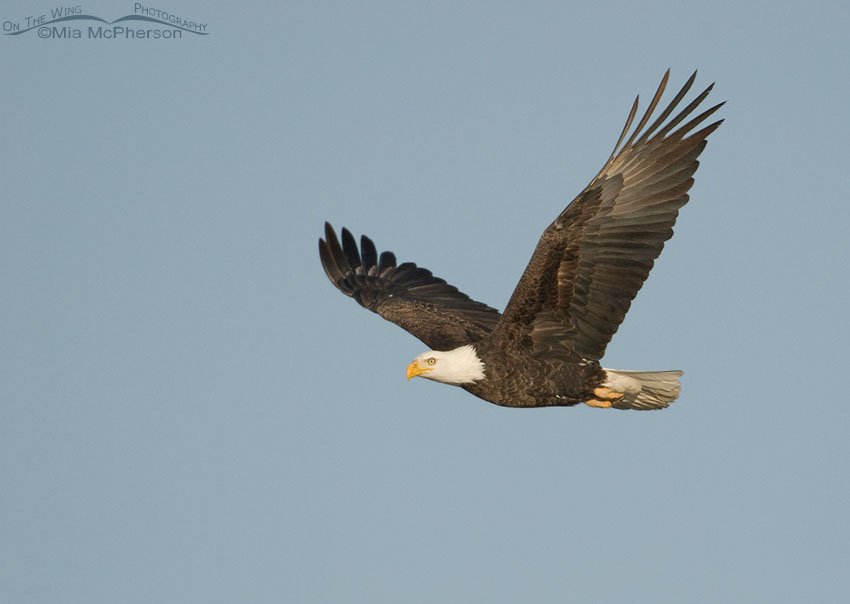
Normally during the month of February Farmington Bay Waterfowl Management Area has hundreds of Bald Eagles within its boundaries but that was not the case in February 2012.
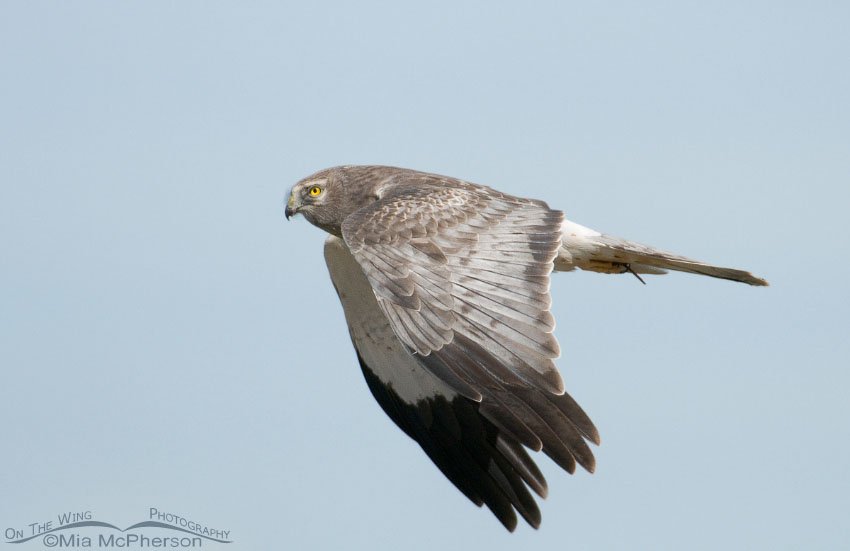
Just an image I took yesterday of this male Northern Harrier in flight. As simple as the image is I like the great eye contact it has.
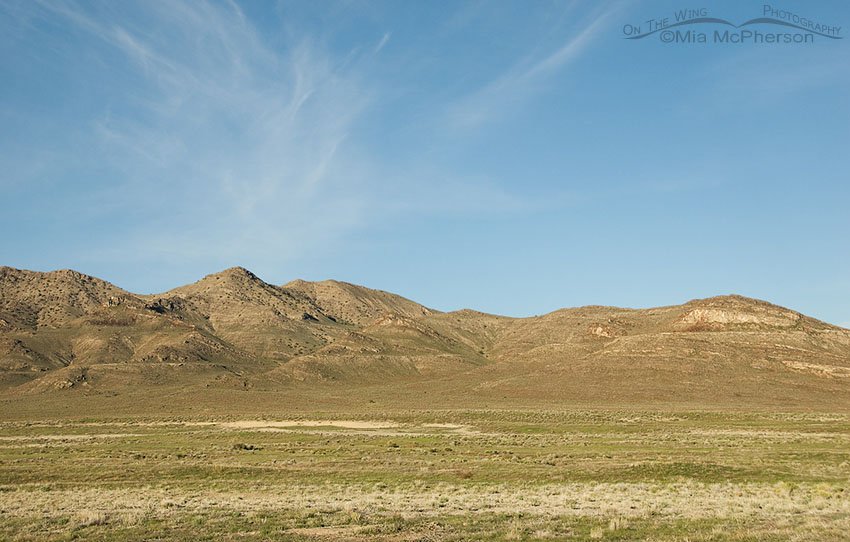
I am one of those people who love deserts and the West Desert of Utah is once again beckoning to me. The weather here in Utah is very changeable right now, it can feel like spring one day and the next it still feels like winter but it won't be long before the weather levels out and the west desert will begin to green up.
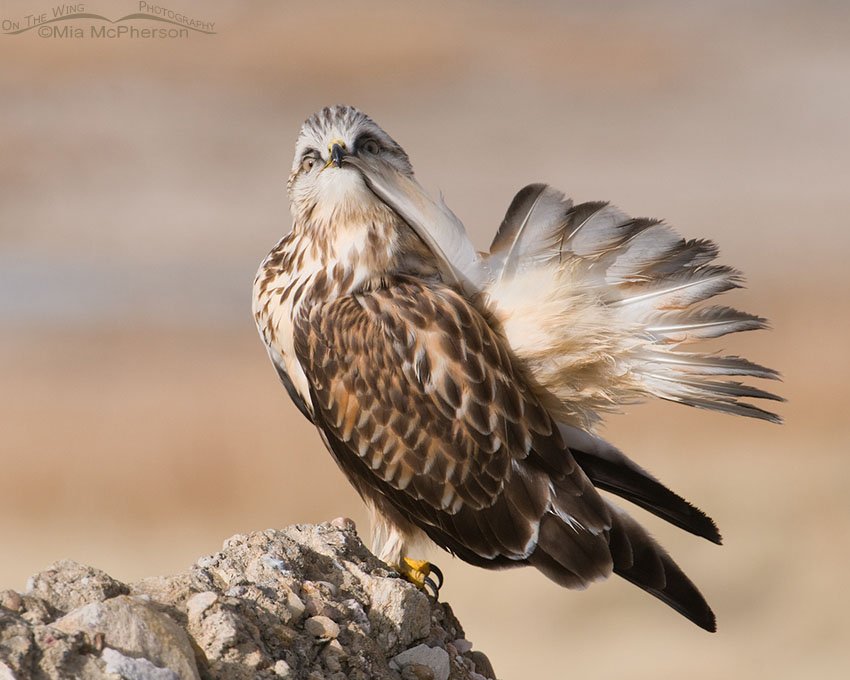
I have had such amazing experiences with Rough-legged Hawks this winter. I've captured them in flight, preening, eating, hovering, kiting, resting and so much more.
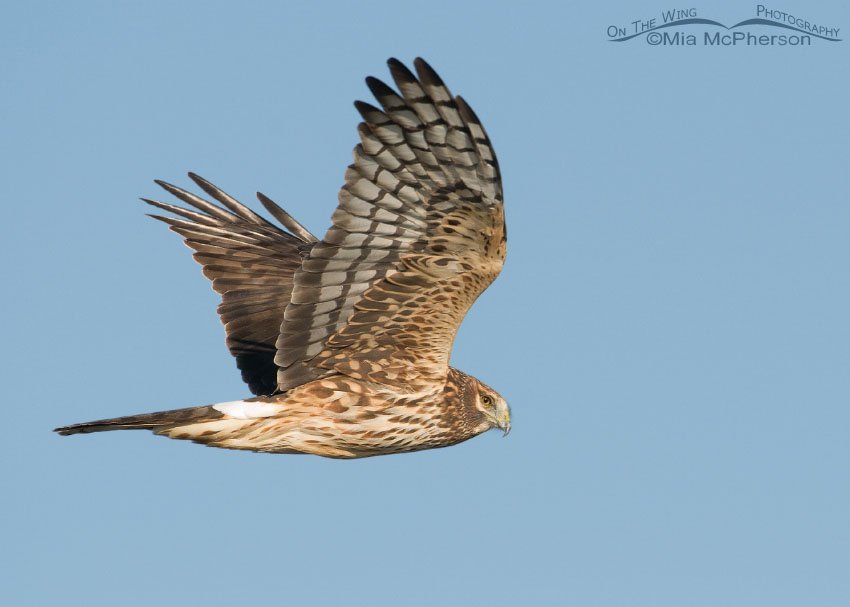
This female Northern Harrier was coursing along a road in search of prey and gave me great views of her pale yellow eye and bold barring under her wings.
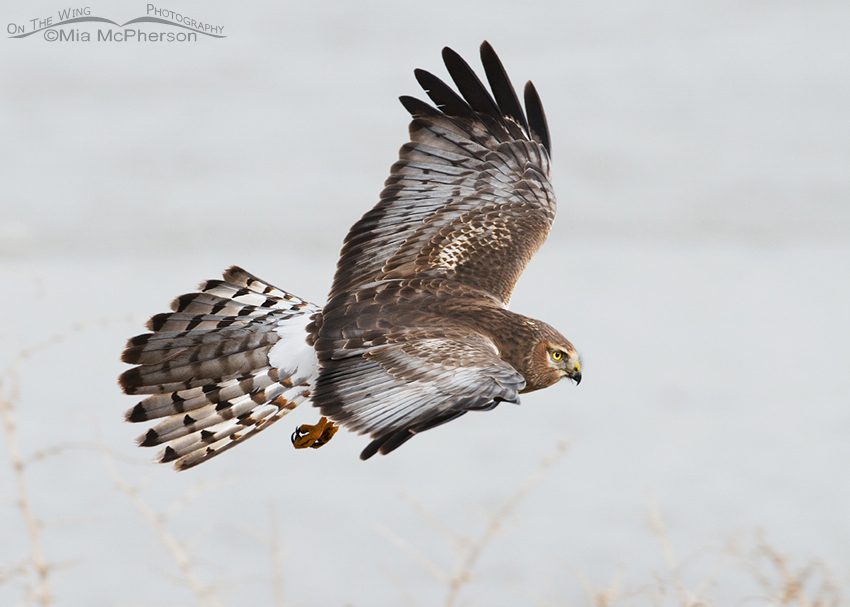
This Northern Harrier displayed interesting behavior, it didn't appear to be hunting but it would dive into the vegetation where it would make a sound that reminded me of parrots chattering.
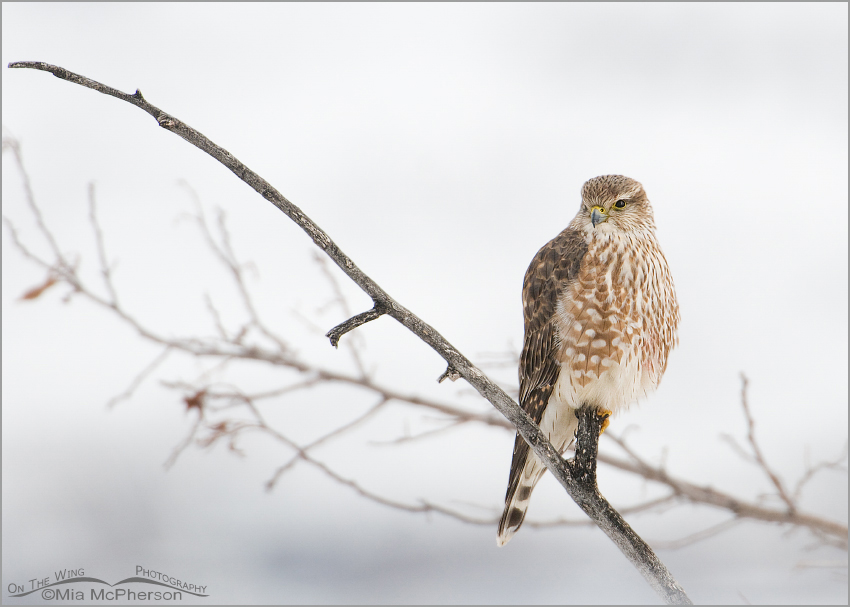
Merlins are winter visitors in the Salt Lake Valley so I have just a few more weeks to attempt photographing them. Merlins are used to be called "pigeon hawks" because their shape and flight patterns are similar to pigeons.

These images are from an afternoon just like that when I happened to find and point out a lovely Rough-legged Hawk on a breezy day.
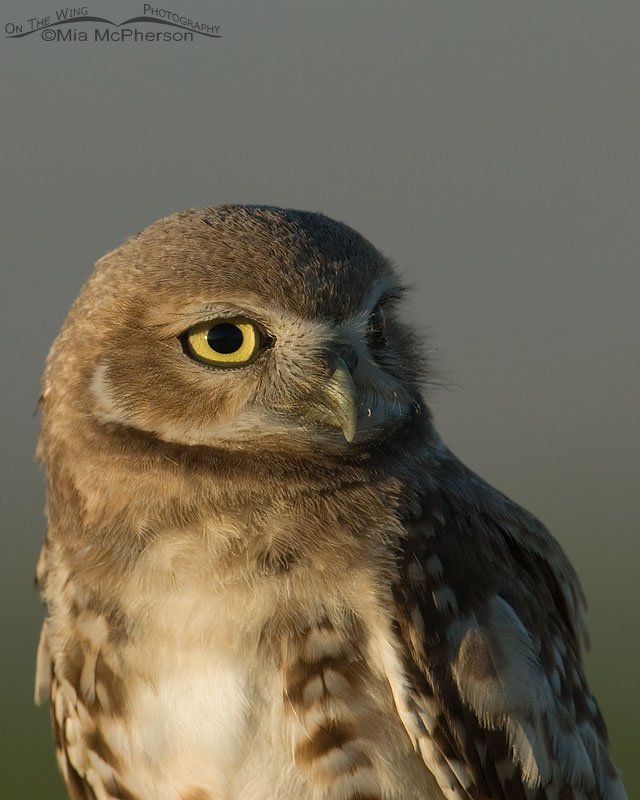
Burrowing Owls are beautiful birds with lemony yellow eyes, downy soft feathers and subtle coloration. It's hard to believe that they aren't that much different in size from an American Robin.

Where is the light when you want it? Yesterday it was hiding behind the clouds and lake fog when I spotted this Peregrine Falcon at a close distance, on prey and sticky.

Last week while out photographing I spotted a Prairie Falcon in the midst of a tussle with two Common Ravens in mid air. At times it seemed that the falcon was chasing the ravens and then the tables would turn and it appeared that the ravens were diving at the falcon.
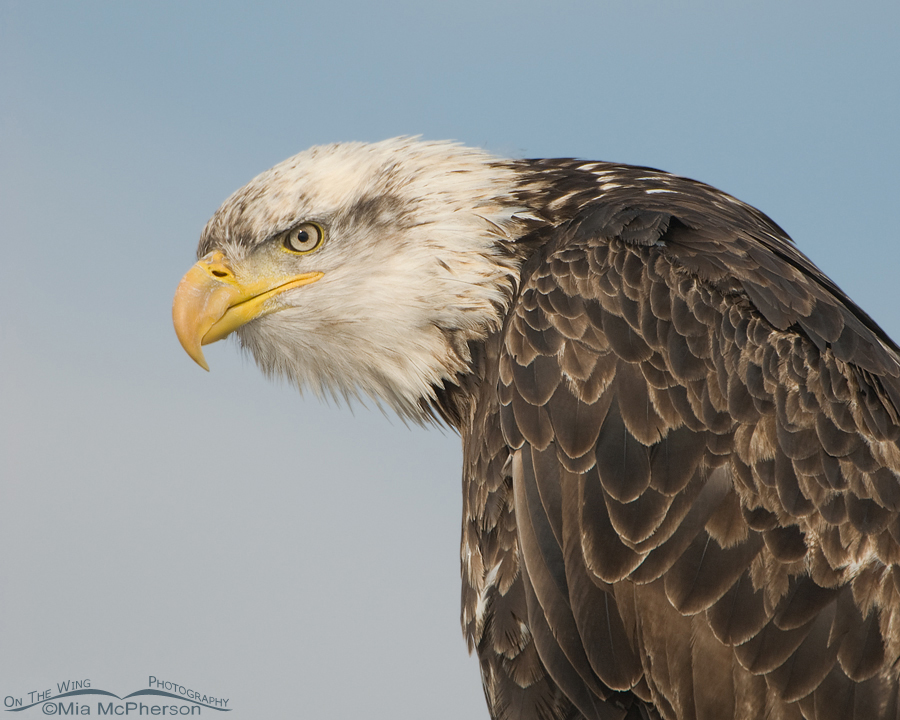
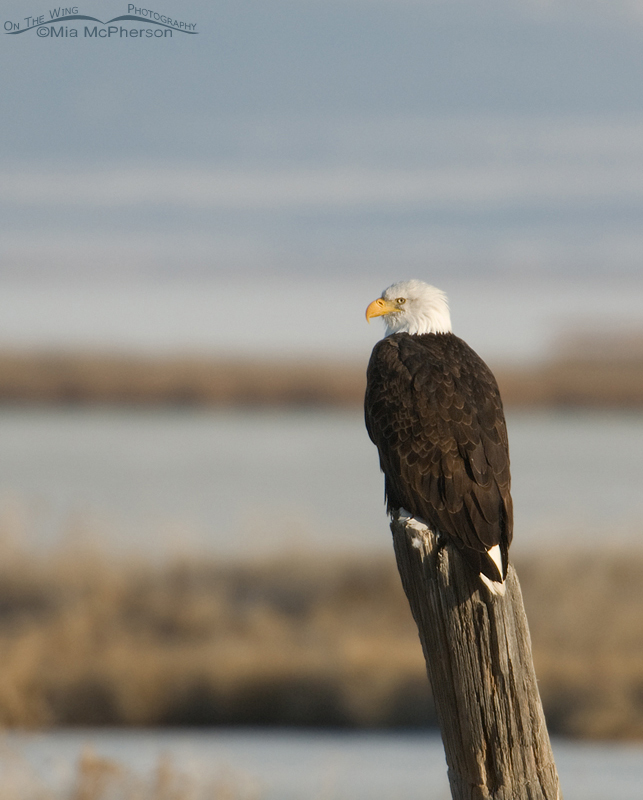
During the summer months I don't often see Bald Eagles unless I go up into the high country or travel north of Utah to Idaho, Wyoming or Montana but in the Salt Lake Valley many Bald Eagles come in to spend the winter.

Many of my regular readers probably know that I have been having a great time the past month photographing Rough-legged Hawks and Prairie Falcons so I selected an image of a Prairie Falcon to post for my Friday Photos today.

It seems that people either love high key images or they hate them. Personally; I believe that when a high key image is done well that they can be very appealing and have a place for them in my portfolio.

I can relate to the hawk in a way, just like it doesn't always get the prey it is intent on, I don't always get the shots I want.
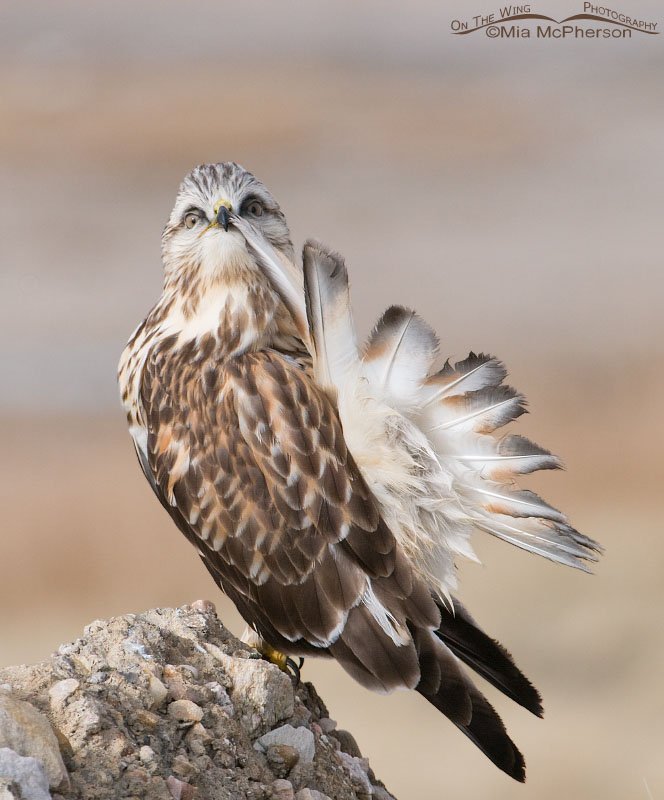
Last week though I had the opportunity to photograph a very cooperative Rough-legged Hawk preening.

I have been very pleased to add so many images of Rough-legged Hawks to my portfolio in just the past week and hopefully these Roughies will stick around until late February of next year so there will be many more opportunities.

Eureka! The Rough-legged Hawks are back from their high subarctic and Arctic breeding grounds and they seem to be showing up in larger numbers than I have seen them since I moved to Utah.
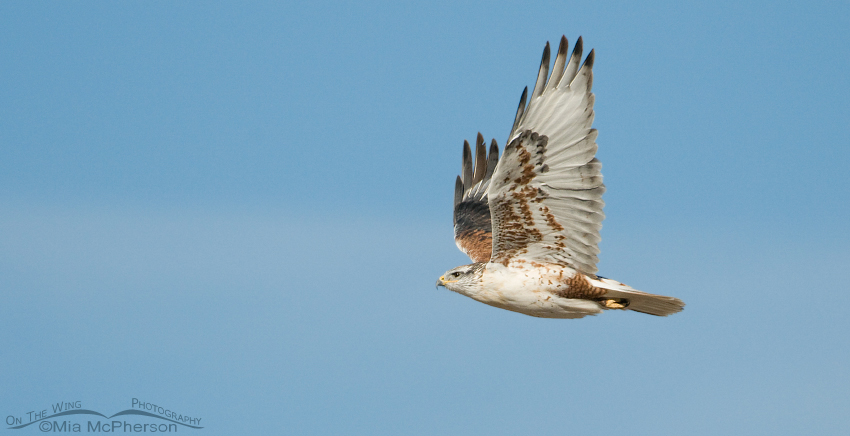
Ferruginous Hawks are the largest hawks found in North America, the "regalis" in the latin name means "kingly" or "regal" and I have to agree with those descriptions.
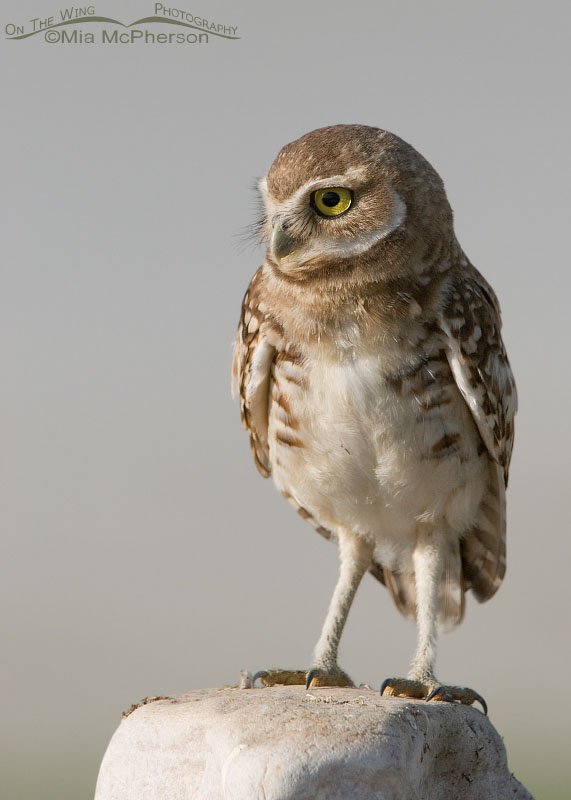
This is probably one of the moments where the juvenile Burrowing Owl looked more serious than at other times.

I don't mind the motion blur in these images and because northern harriers hunt by looking down at the ground for their prey I was very happy to get eye contact in both frames.

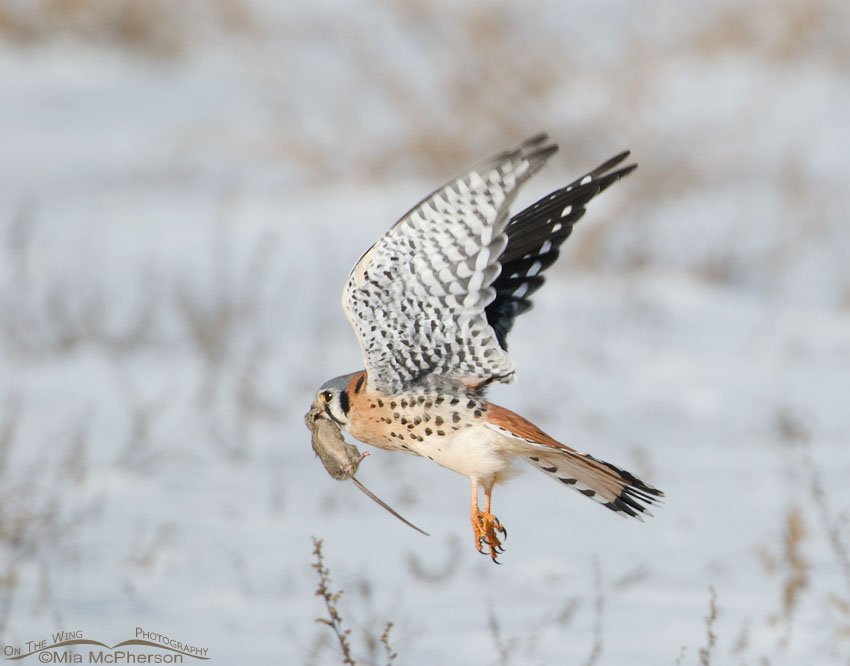
Male American Kestrel in flight with a vole chased off by an appraoching vehicle
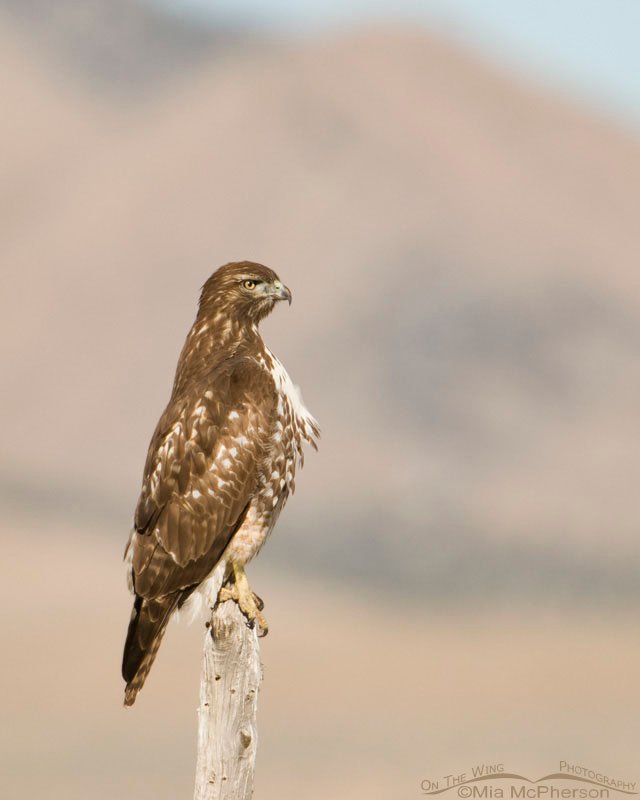
I'm looking forward to seeing red-tailed hawks in the high country of Utah and Montana this summer and hopefully getting some more images of both the juveniles and adult.
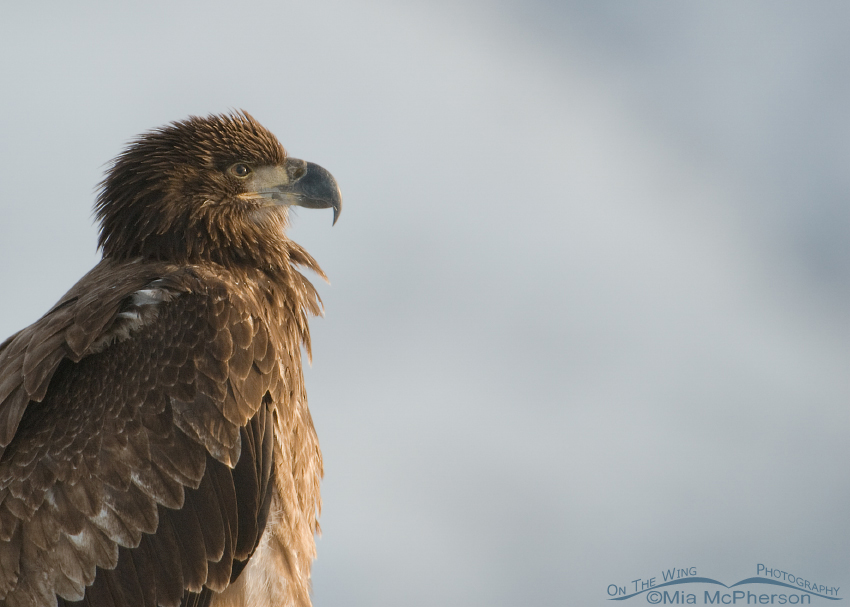
I've found Bald Eagles difficult to approach most of the time which is why a long lens is often needed. But not this one year old bald eagle.

I've enjoyed photography for a long time but for quite awhile I didn't understand the value or importance of honest self critique.

This is a second year Bald Eagle, and while the adult birds are probably the most photographed, I enjoy photographing all ages & phases of plumage of bald eagles.
Taking the time to review my "bad images" strengthens me as a photographer.
I believe these two eagle pictures illustrate what changes the depth of field settings can have on the appearance of an image.

There are times when I think an image might be worth a little extra work in post processing and this young male Northern Harrier image seemed worth the effort to repair a clipped wingtip.