Canada Geese Portraits
Three days ago when the sun broke through the clouds in the afternoon I went to the pond and was able to take several Canada Geese portraits with the blue water of the pond in the background.


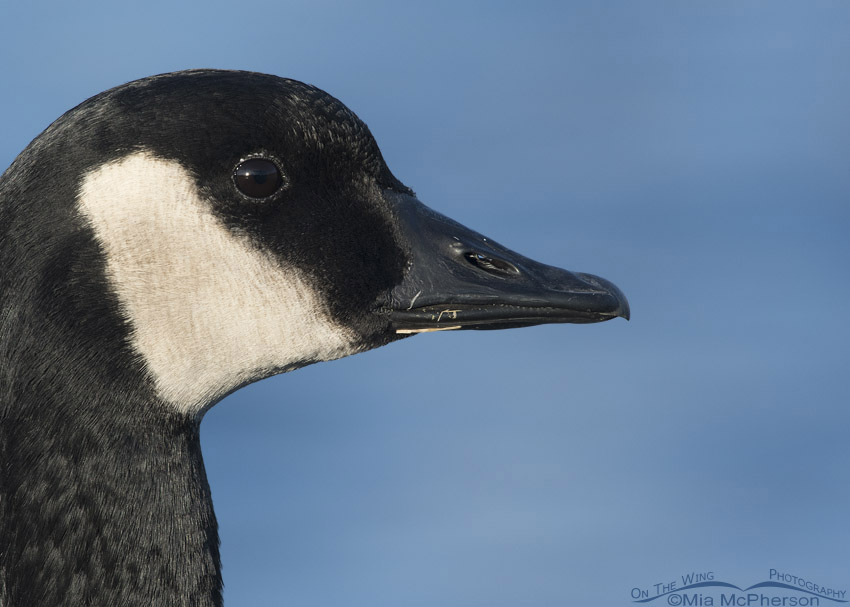
Three days ago when the sun broke through the clouds in the afternoon I went to the pond and was able to take several Canada Geese portraits with the blue water of the pond in the background.

The American Coot seemed to turn its head a few times to see if it was still being chased and when it saw that it was it it kept scooting across the surface of the pond and always kept its bill clamped down on its food.

It was fun photographing this Double-crested Cormorant with its catch yesterday afternoon close to home especially since I knew the weather was going to take a turn.
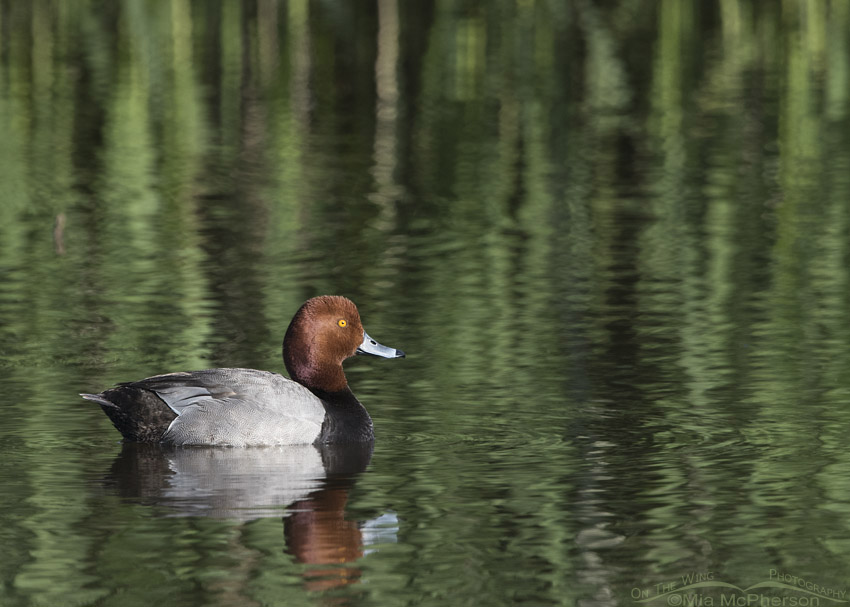
This Redhead drake photographed at the refuge in his breeding plumage sure stood out well from the water that was reflecting the spring growth of rushes and phragmites.

Photographing American Coots is a challenge because I want my exposure set bright enough so I can capture fine details in their dark plumage

There were several hundred Canada Geese on the pond and because I have seen reports of Cackling and Snow Geese in the area I scanned the pond with my lens and spotted a lone Snow Goose.
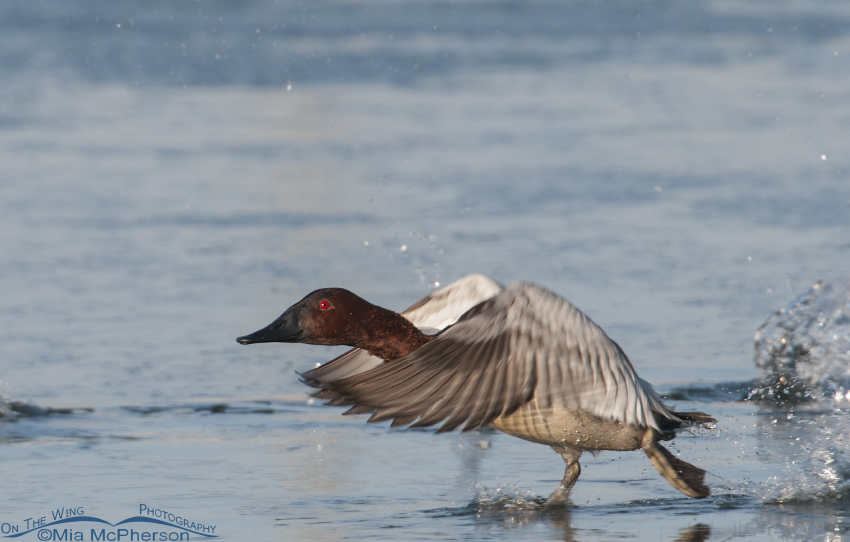
When I came across the Canvasback drake on a frigid February morning at a pond near where I live I simply had to get a few images of him.
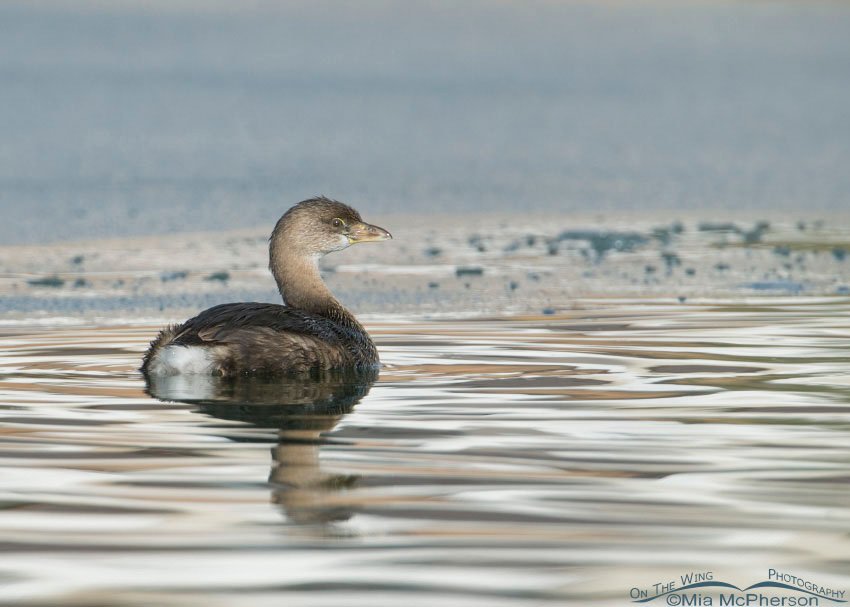
With the forecast of possible snow this week I've been thinking about how much fun it can be to photograph Pied-billed Grebes in the wintertime again.
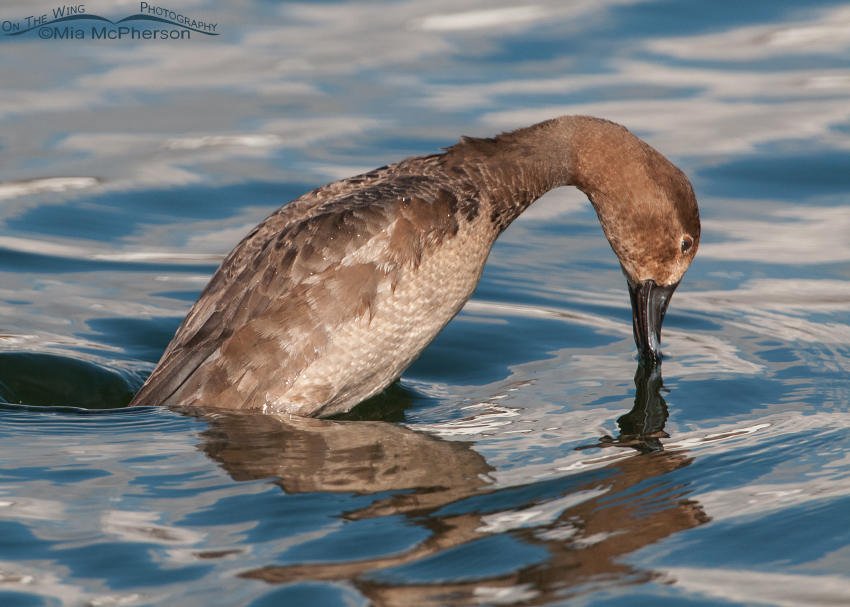
Last February; when there was actually snow on the ground, I photographed a pair of Redhead ducks at a pond near where I live.

American Coots are common birds and some folks might find them fairly plain but I like them and enjoy photographing them too.

The caruncle or horn is a growth on the bill of American White Pelicans that occurs yearly during the breeding season.

"Crazy Old Coot" is a term that many of us know and associate with a foolish person, especially an old man.
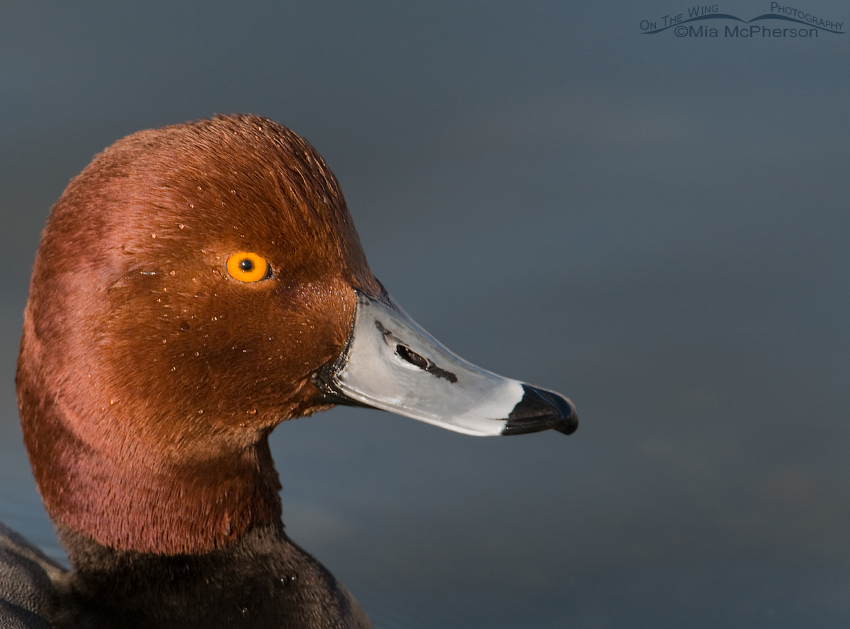
The sun came out for a few hours yesterday afternoon so I went to a pond near where I live and photographed some of the ducks including this very confiding Redhead drake.

I wanted to post a funny bird image today because I have the D.W.B. so I selected this American Coot that was scratching in a pond near where I live in Salt Lake County, Utah.

The horn is a growth on the bill of American White Pelicans that occurs during the breeding season and I am fortunate to live in a location where these big, white pelicans breed.
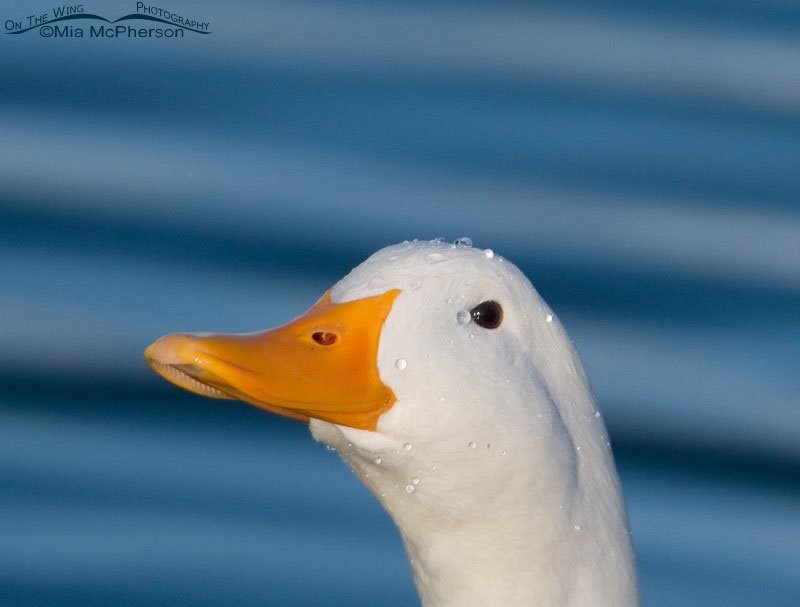
This domestic duck image has always made me laugh so I thought I would share it and ask you all to add your funny captions.
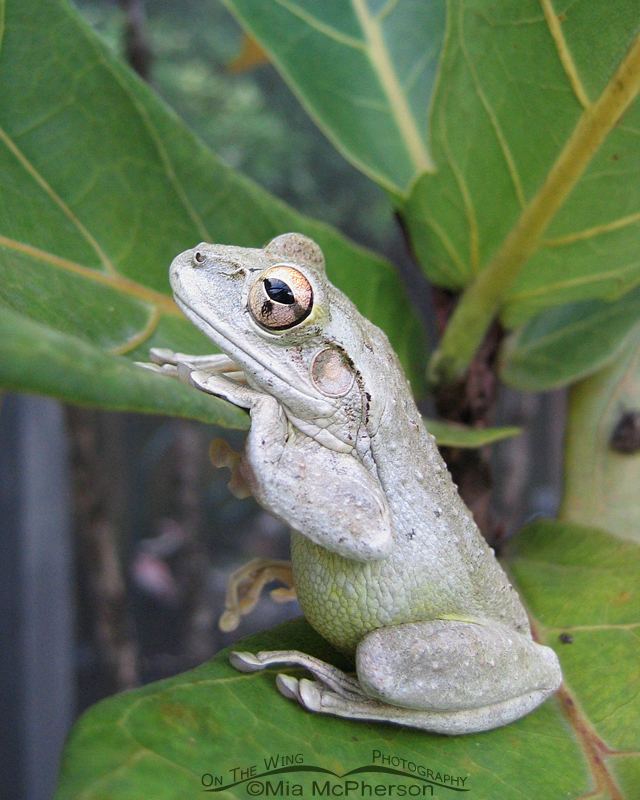
My blog is moving to a new hosting provider and I can't wait to hop on over there!

American Coots aren't thought of as "gorgeous" birds but I do find them appealing and a challenge to expose properly because of the high contrast between the very dark feathers and the whiteness of the ivory colored bill.
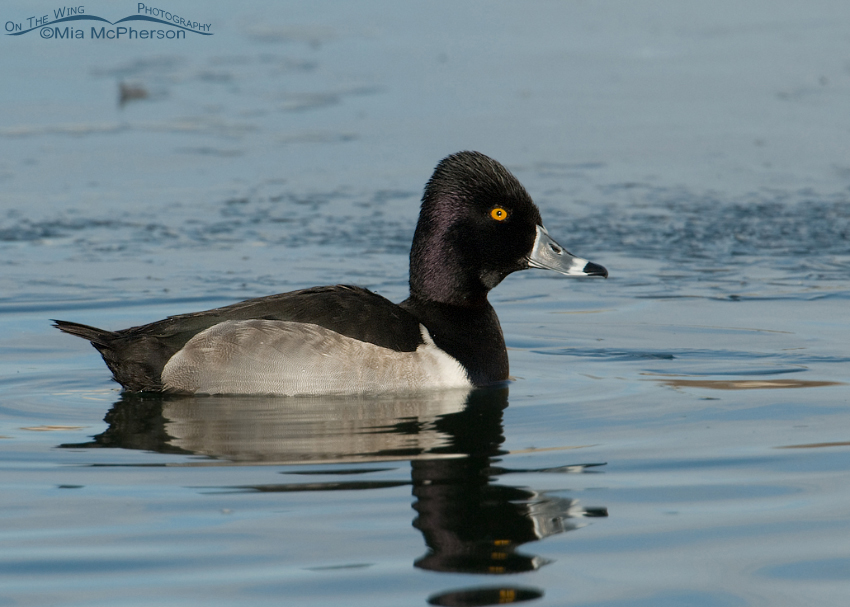
I photographed this drake Ring-necked Duck in breeding plumage a few years ago on a pond not far from where I live.

Yesterday I saw a female Black-chinned Hummingbird (Archilochus alexandri) checking out the feeder near my front window.

Some images are simply too funny not to share. Even with those huge feet this American Coot (Fulica americana) couldn't stay in top of the ice at a pond near where I live in Salt Lake County, Utah.

I was right on the ID and saw not just one but two of American Avocets in flying along the causeway. Wow, more "spring birds"!

American Coots are the most widely distributed members of the Rail family in North America and are very abundant in habitats with open water.

I'm looking forward to the crisp cool air after all the summer heat but most of all I am looking forward to the birds I have missed seeing during the hottest part of the year

I can take advantage of the sucker holes by photographing birds close to home when the sun breaks through the clouds.

American Robin juvenile photographed in my backyard in Utah as it perched above the grass. Robins are the largest and most abundant North American thrushes.