Yellow-bellied Marmot Pups in Northern Utah
I have been very successful spotting Yellow-bellied Marmots and their pups the past few weeks in northern Utah and it has been a delight for me to photograph and observe them.



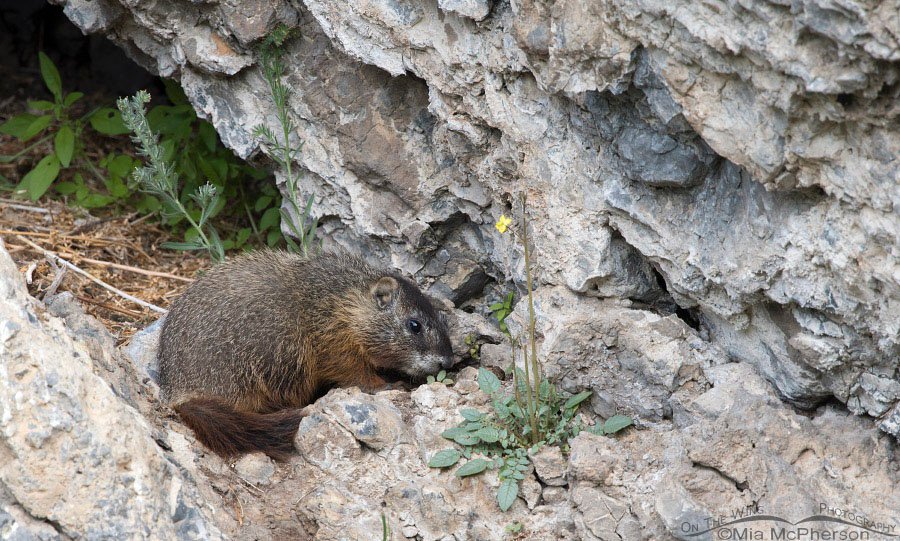
I have been very successful spotting Yellow-bellied Marmots and their pups the past few weeks in northern Utah and it has been a delight for me to photograph and observe them.

I love all birds, even birds that some people tend to ignore when it comes to bird photography but I have to admit that I am particularly fond of photographing owls, especially Burrowing Owls.

Normally I prefer natural perches for my subjects but I rather enjoyed photographing these Turkey Vultures and thinking of them as feathered gatekeepers.
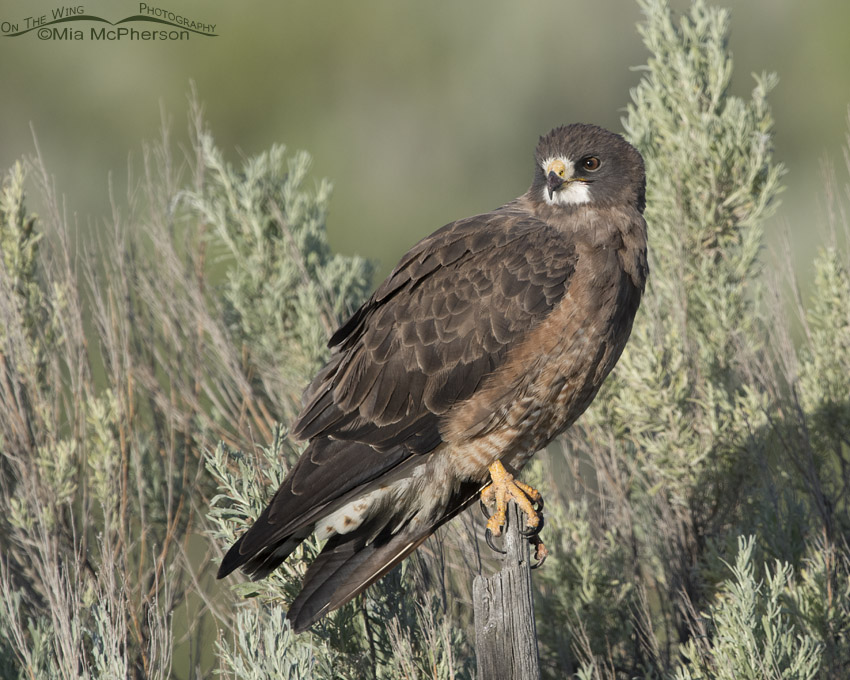
There are so many Swainson's Hawks in northern Utah right now, I see them perched, on their nests, hovering over fields and soaring on the thermals after the sun warms up the air.

There have been a few Short-eared Owls that I keep seeing in the same locations over a period of about a month and yesterday I believe that I saw and photographed a male Short-eared Owl hunting for prey for his chicks.
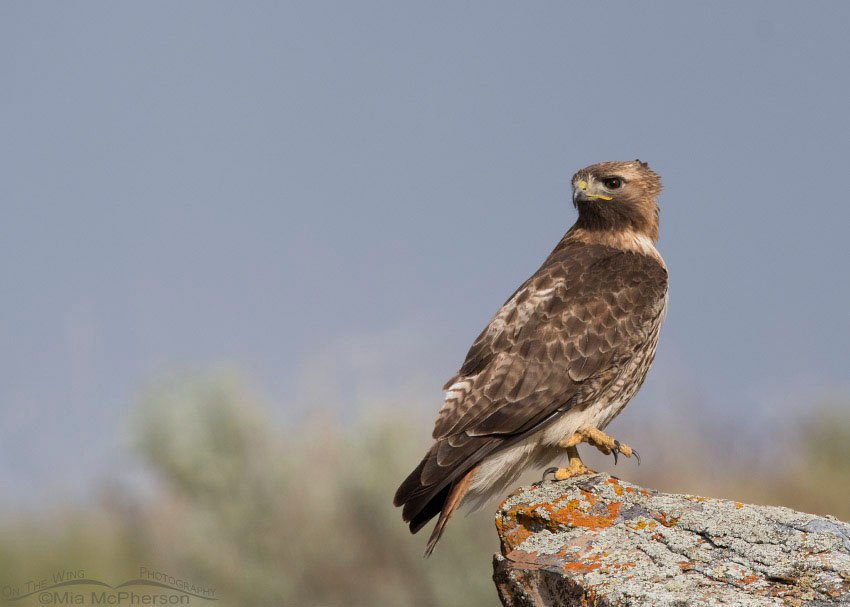
I was able to point my lens at this male Red-tailed Hawk on a lichen-covered perch for a few frames before he flew away.
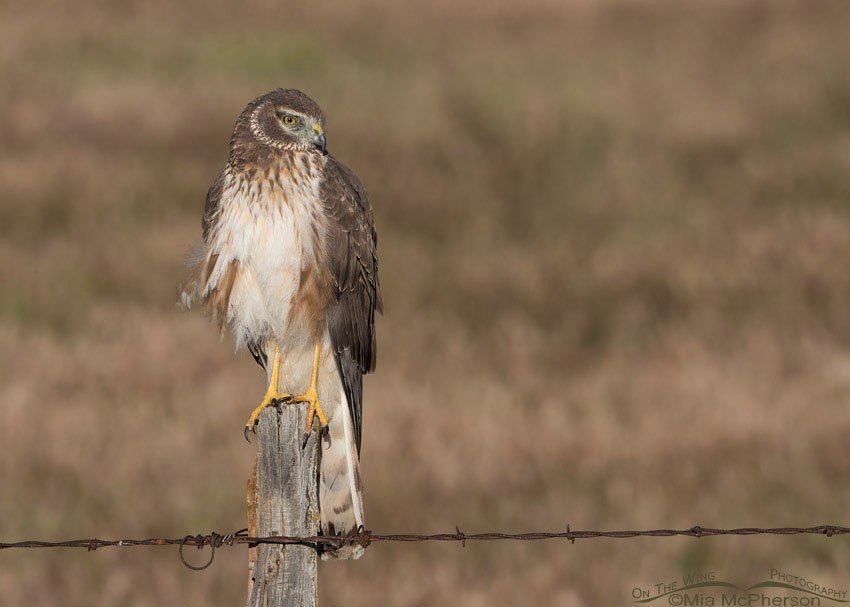
There was a very cooperative first spring male Northern Harrier in a location where I photographed Short-eared Owls last year in northern Utah and for two months I could reliably see and photograph it frequently.
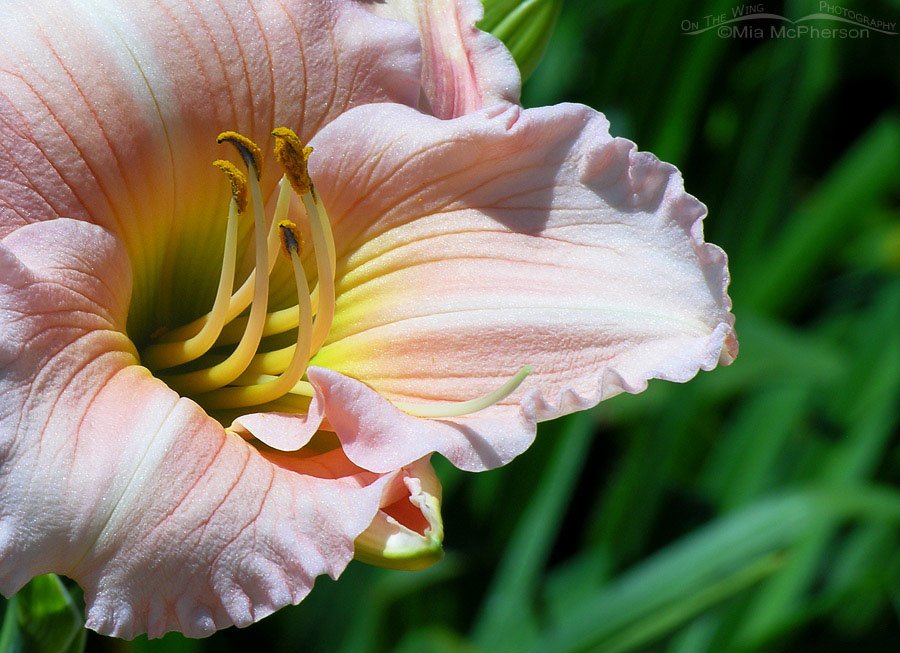
Last month I was looking through some of my earliest image archives and came across a photo of a peachy-colored Daylily that I had taken while exploring with my friend Patty at the Florida Botanical Gardens

I couldn't resist photographing this tiny Chipping Sparrow singing while perched on a "cedar" fence post with the sky and dark juniper behind it.

This beautiful little Lark Sparrow was so busy singing that it was a very cooperative subject and I took quite a few images of it as it sang and changed positions on the gnarly old fence post.

I also keep images of birds that look a bit messy because they are molting even if they aren't up to my standards, like this one-year-old Red-tailed Hawk that was rapidly molting the end of July in 2015.

I haven't seen many chicks yet this spring but yesterday I saw a Mallard hen with her ducklings swimming behind her on a local pond and I had to aim my lens at them.
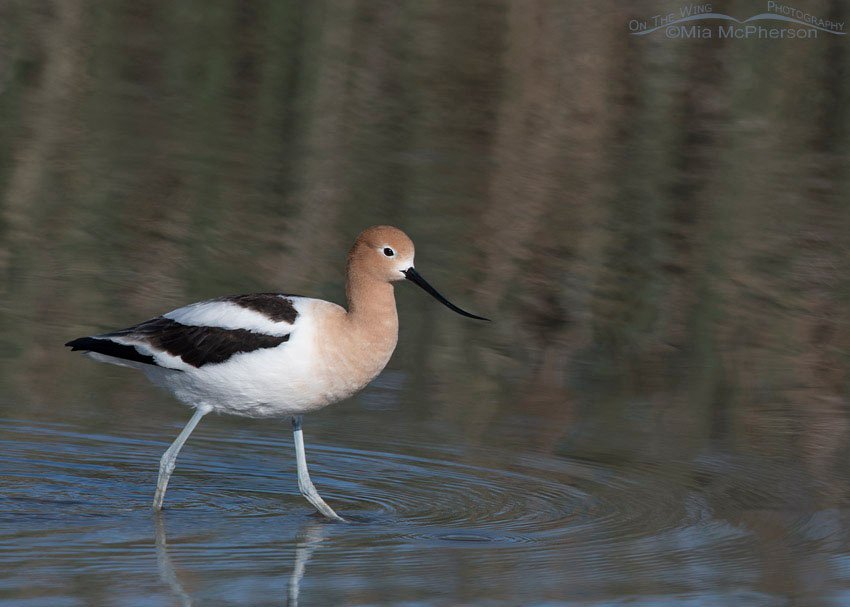
I'm happy with both images of this female American Avocet but I think I prefer the second image more because the reflections of the water add a sense of depth and more visual interest that I find lacking in the first photo.
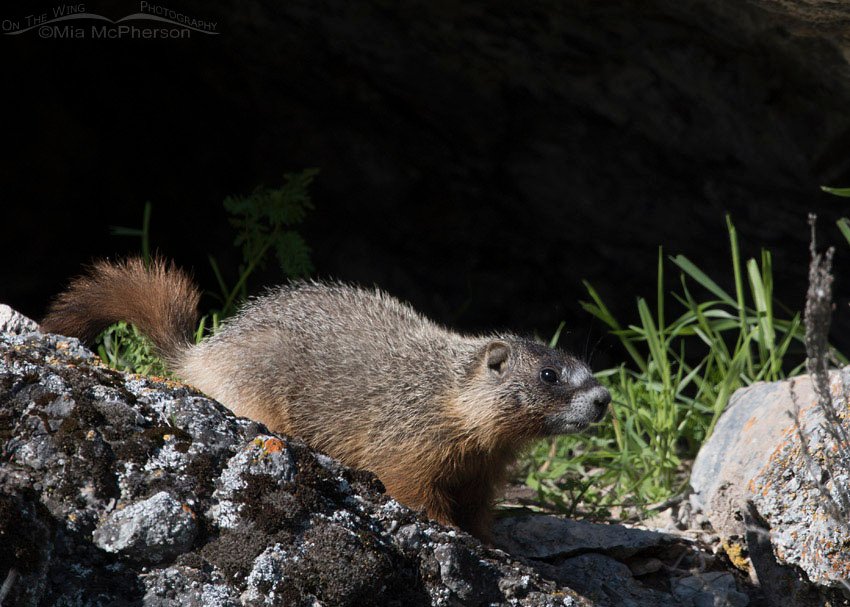
Yesterday I was able to photograph a Yellow-bellied Marmot with pups, these are photos I have wanted to take for years but until now haven't been able to create.

The movement and bird that caught my eye was a Spotted Sandpiper teetering on a rock right next to the water. I adore Spotted Sandpipers so I just had to take images of the butt bouncing bird.

I took way too many images of several approachable roadside Turkey Vultures sunning, preening, scratching and resting but I am happy with the photos of the birds.

Two years ago today I was in the Targhee National Forest of Clark County, Idaho photographing birds at what I called the "Magical Sapsucker Tree".
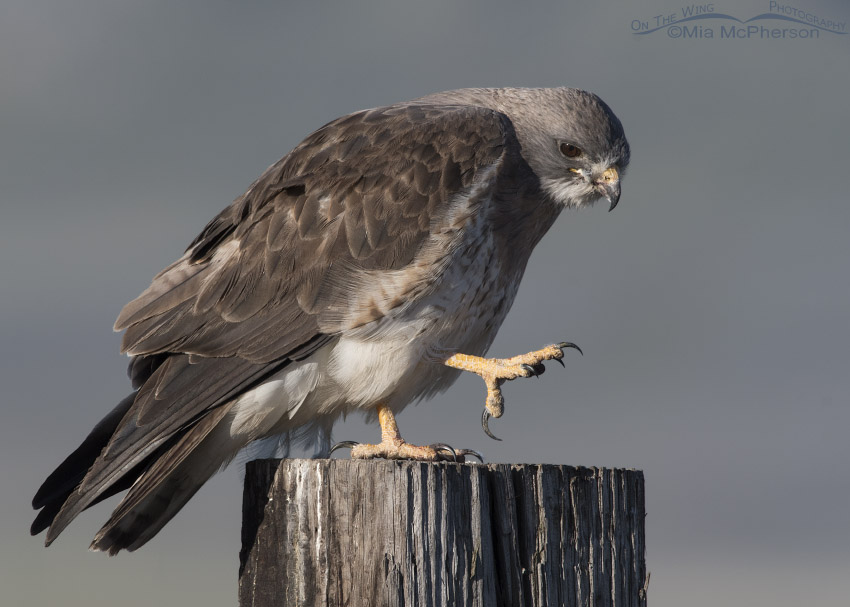
I always try to pay attention to what is going on in the background of my photos because by changing distance or angles the same bird, like this Swainson's Hawk, can look very different in my images.

Last week I photographed this adult Burrowing Owl in front of a green field in the bright morning light and loved the contrast between the warm tones of the owl's plumage and the deep greens in the background.

There is nothing special about this photo of a Red-tailed Hawk on a rock perch that I photographed yesterday in northern Utah but I quite like it for its simplicity.

When I was at Bear River Migratory Bird Refuge on the 12th of April I spotted a Snowy Plover way out on the flats and that thrilled me because it was only my second sighting since my move to Utah back in 2009.

What is really fascinating to me is that within two days of fledging Ruddy Turnstone chicks embark on their first migration to their wintering grounds.

The gray skies are getting old and I'm suffering from cabin fever and wishing for some bright bluebird skies to get out to photograph birds and to be able to relax and soak in nature.

The differences in breeding and nonbreeding plumage of Forster's Terns is enough that some bird watching and bird photography novices might even think that they are two different species of terns.

The "Circling" courtship behavior of Royal Terns was one that I found interesting because as the male circled the female she moved too and kept her sides facing him.
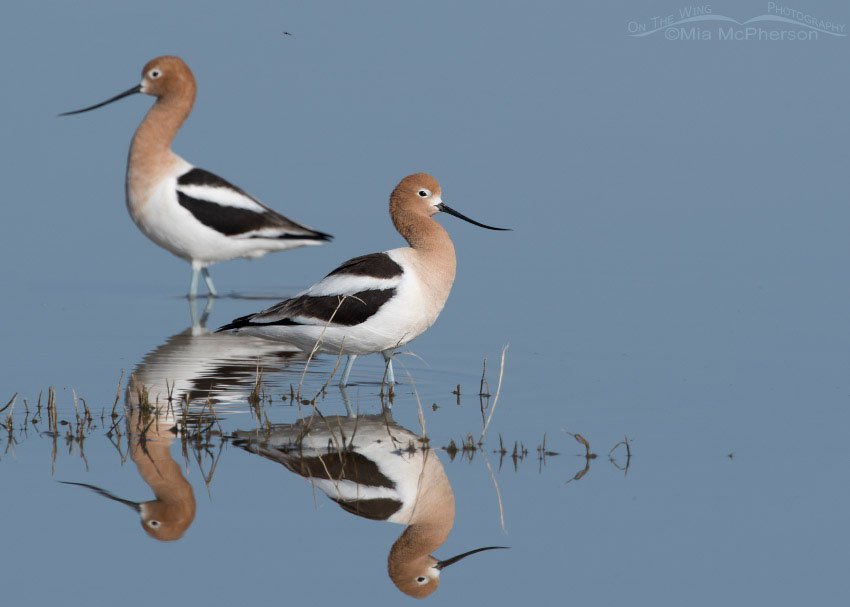
The pair of American Avocets were feeding in the grasses and the water right next to the edge of the grasses when I first saw them then the female squatted down on what I presume to be their nest.
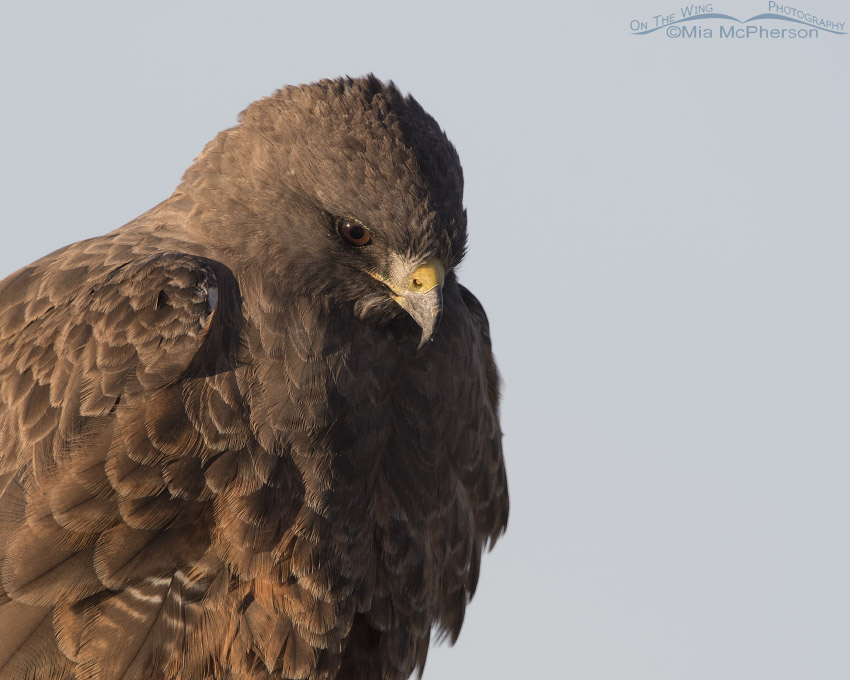
Yesterday morning in northern Utah I saw about a dozen Swainson's Hawks in about 2.25 miles, some were perched, some were in flight and all of them were wonderful to photograph.
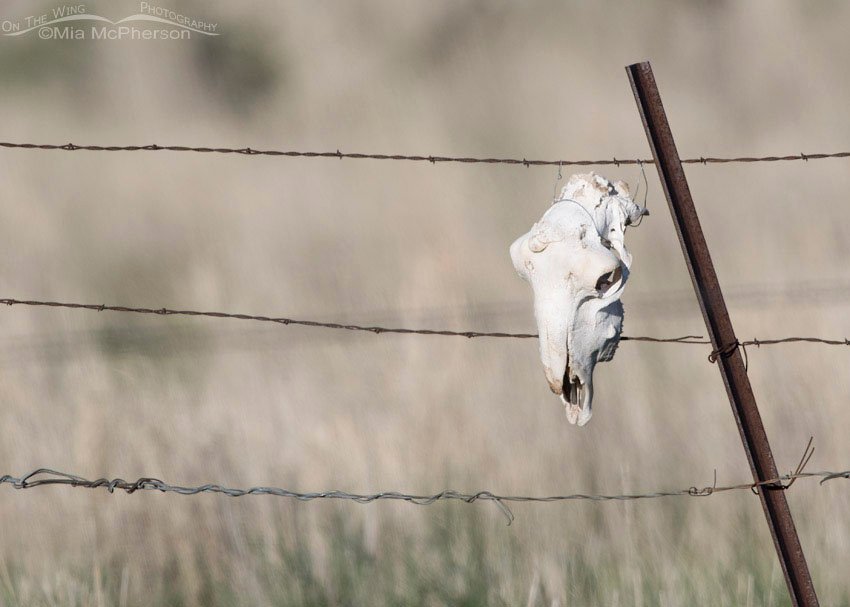
Why did I pick an animal skull hung on a fence with dry grasses in the background for my featured photo today? Because it represents what is already happening in some parts of the world due to climate change and drought.

Two mornings ago I photographed the side lit male Burrowing Owl with wildflowers in the background but with all the rain we have been having it won't be long before the vegetation completely obscures the burrow and the owls.
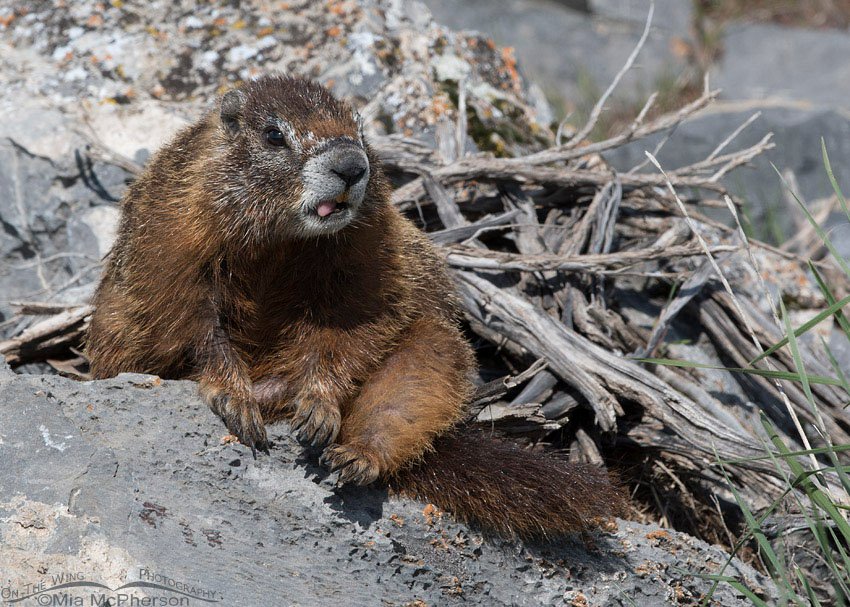
I had a great time photographing a roadside Yellow-bellied Marmot yesterday in northern Utah and the marmot was very cooperative. So cooperative that I took way, way too many images of it.