American Bison Tears
In this American Bison's tears I saw my own tears and deep concerns for what is happening to our environment now and the potential threats that future generations will have to face if we don't take action today.



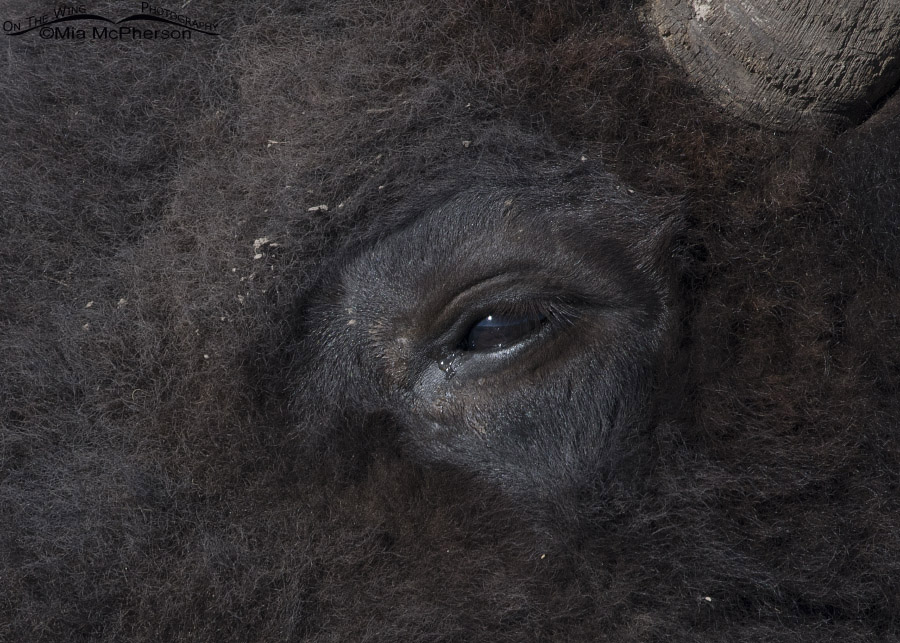
In this American Bison's tears I saw my own tears and deep concerns for what is happening to our environment now and the potential threats that future generations will have to face if we don't take action today.
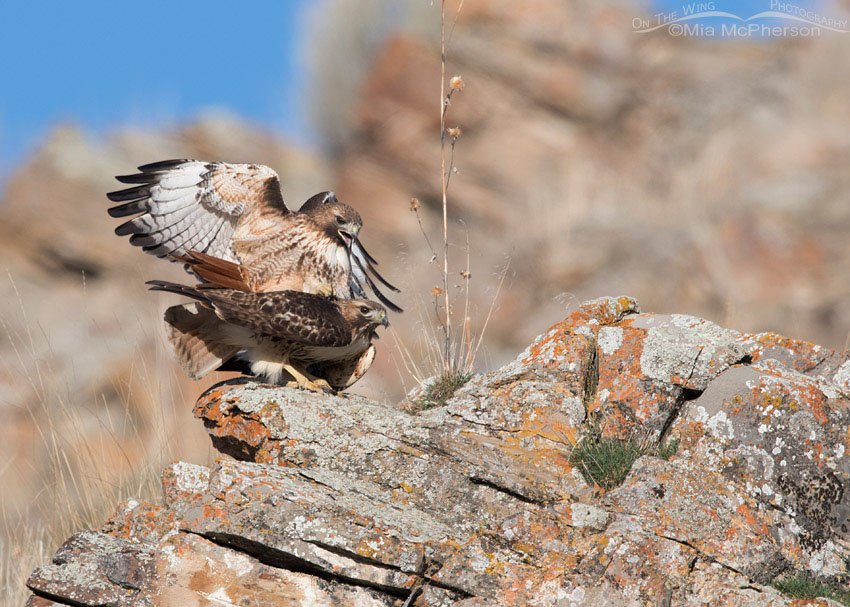
What I didn't expect yesterday was that I would be able to photograph the Red-tailed Hawks mating on the lichen-covered outcropping but that is what happened

I saw quite a few Long-billed Curlews yesterday wandering in the spring grasses and this time I was able to get nice images of them. Nicknames for Long-billed Curlews include "sicklebird" and "candlestick bird."
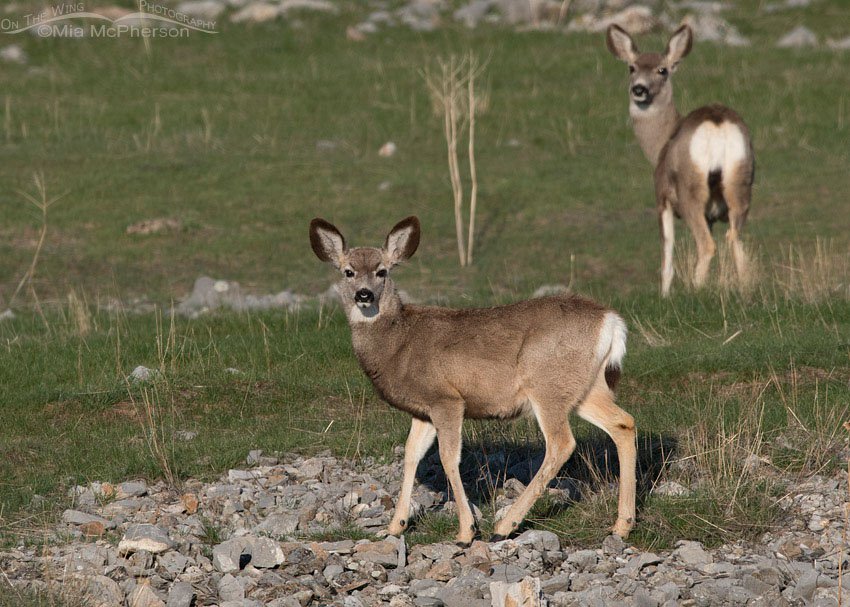
The warm temps and wet weather have produced lush, green spring grasses and forbs and the Mule Deer are now able to find fresh food without snow cover
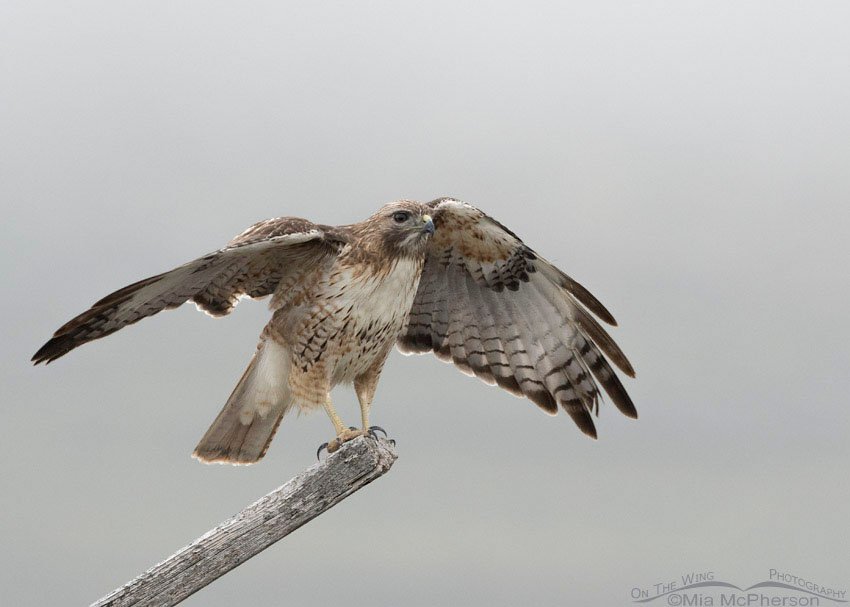
It wasn't "partly sunny" as predicted but I enjoyed myself while photographing the Turkey Vulture and Red-tailed Hawks on a foggy morning even though it tested my skills and techniques.

American White Pelicans are returning to their breeding grounds in Utah and I have already seen a few of them myself and though I haven't been able to photograph them yet I know I will soon.

I was pleased to see and photograph my first of the year Turkey Vulture perched on a fence post next to a road yesterday in northern Utah.

Spring means birds are getting ready to find mates, breed, nesting and raising their young.

The best bird photography opportunity of the day happened when I spotted a Burrowing Owl near its burrow and I took advantage of the nice light to take quite a few images of the owl framed by grasses and blooming Red-stem Filaree.

Little Blue Herons start off their lives with white plumage, then look piebald with blue and white fathers and finally look more "blue" as adults.

I got lucky and the first Mule Deer that leaped over the fence filled my viewfinder and I didn't clip anything.
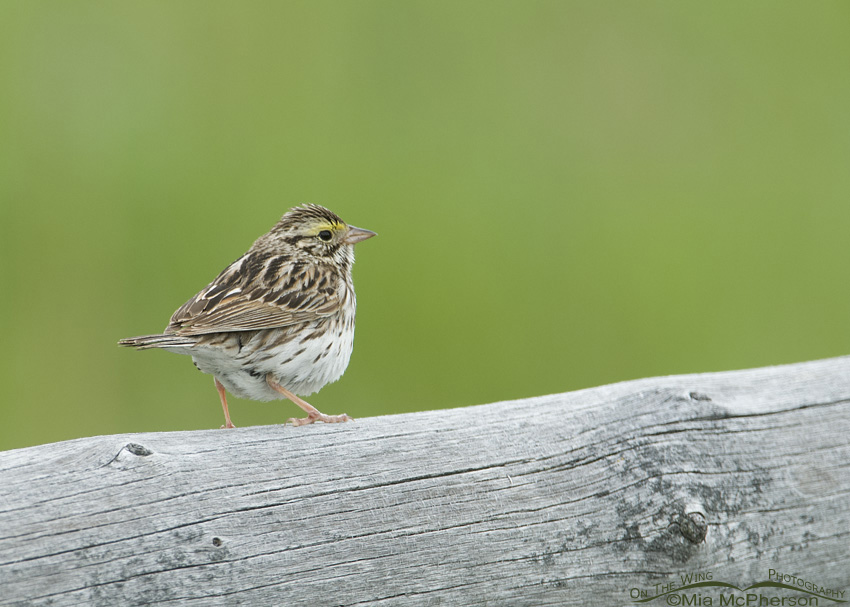
On my last two trips up to Bear River Migratory Bird Refuge I have heard Savannah Sparrows singing "sit sit sit sit suh-EEEEE say" from somewhere in the marshes.
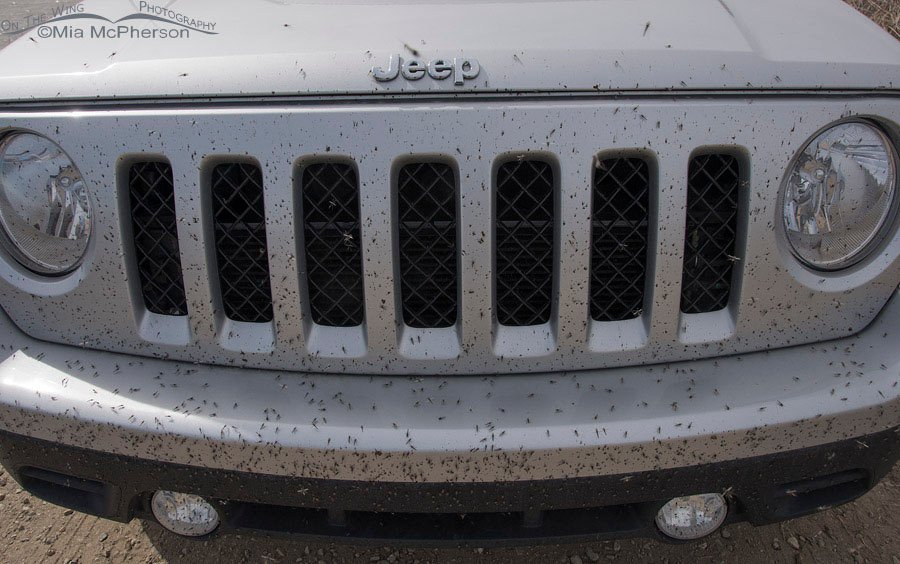
I have complained about the midges in this post because they are messy and annoying but one thing that I feel is critical to mention is that these midges are an important food source for the birds that live and breed at Bear River Migratory Bird Refuge.

Yesterday morning I was able to spend time photographing a pair of Chukars on Antelope Island State Park in a grassy area that has begun to turn green.

I'm happy that the Clark's and Western Grebes have returned for their breeding season at the refuge and I look forward to photographing them while they are here.

I saw and photographed a mated pair of Sandhill Cranes yesterday morning in the marsh from the auto tour loop and watched them search for food.
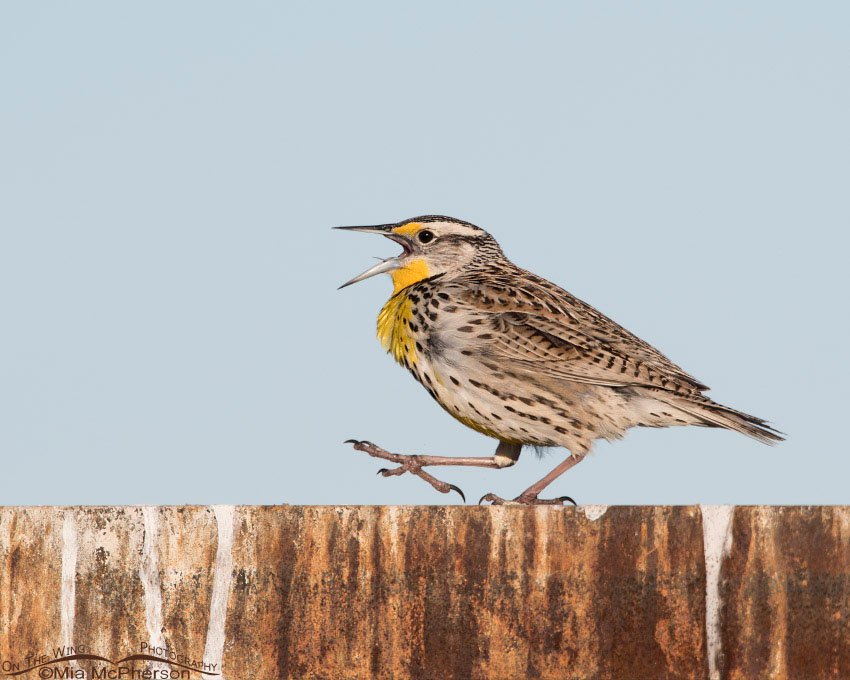
Western Meadowlarks are very active right now on the island, searching for insects, scurrying through the grasses and singing their hearts out from their favorite perches.

In bird photography there is such a thing as over processing mistakes and the mistake I see most often is adding way too much saturation.
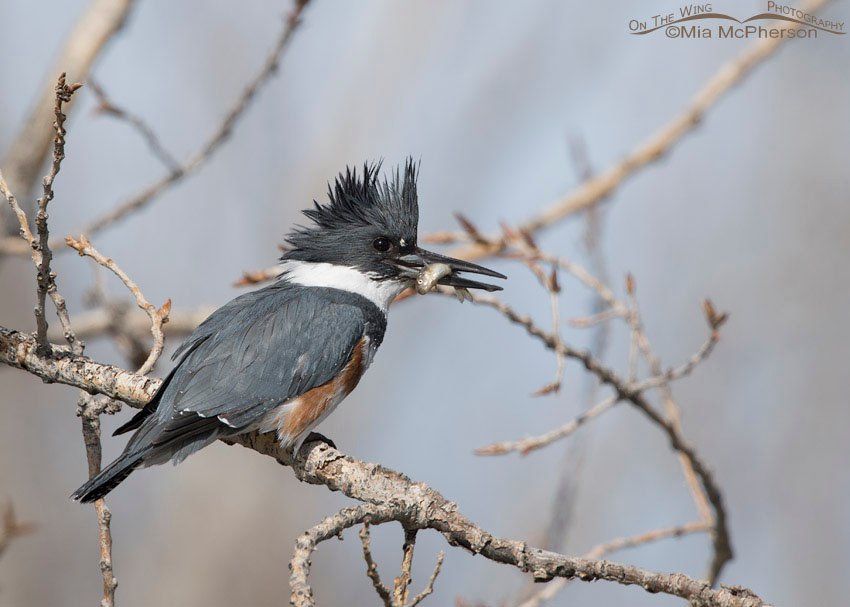
I took several hundred images of a female Belted Kingfisher looking for and catching prey while it was bright and sunny yesterday afternoon.

The Cooper's Hawk took flight without much warning at all and for a second I lost it while tracking the hawk but regained focus as it flew south past me.

Even though I can't see them with my eyes as I write this I can imagine Sandhill Cranes waiting for the first rays of the sun to reach the marshes where they spent the night.

The most interesting activities I saw yesterday were territorial behaviors and chases between two male Horned Larks in an open area of the park.

Two years ago in July I photographed this young Burrowing Owl on a post in morning light and I relaxed and let a smile form on my lips.
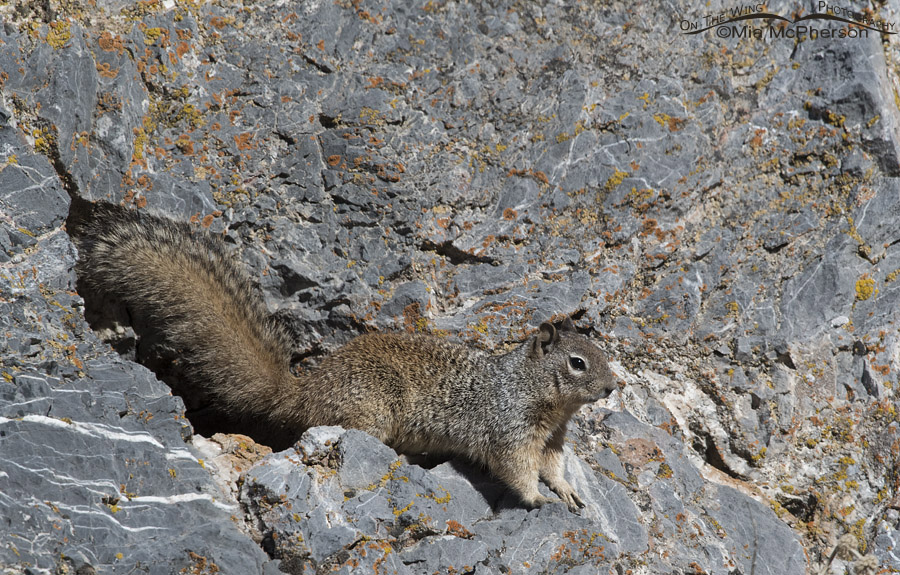
While up in Mercur Canyon I caught a flash of browns and grays on top of a rock and realized I was seeing the Rock Squirrel I photographed on the same slope last month.

When I found a Black-billed Magpie on the rocks close to the road below Frary Peak I was happy to photograph it there.

Winter is clashing with spring right now in northern Utah and those seasonal changes can make bird photography interesting.
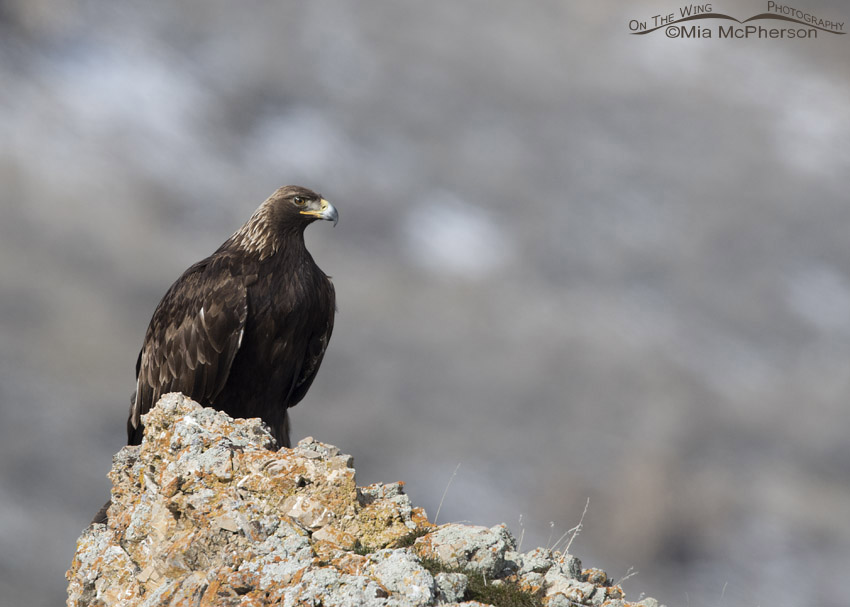
Two days ago this Golden Eagle was perched on a rocky outcrop but because of a blind spot I didn't see it quite soon enough but at least I was able to get a few decent images of it.
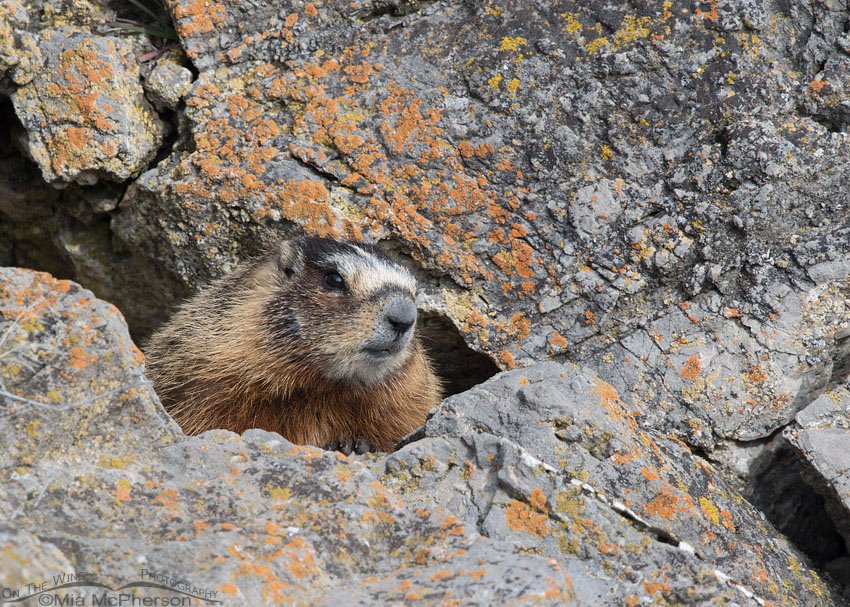
I am very fond of Yellow-bellied Marmots so when I spotted one clambering down some rocks into a crevice close to the road I became excited and as soon as I could I started taking photos of it.
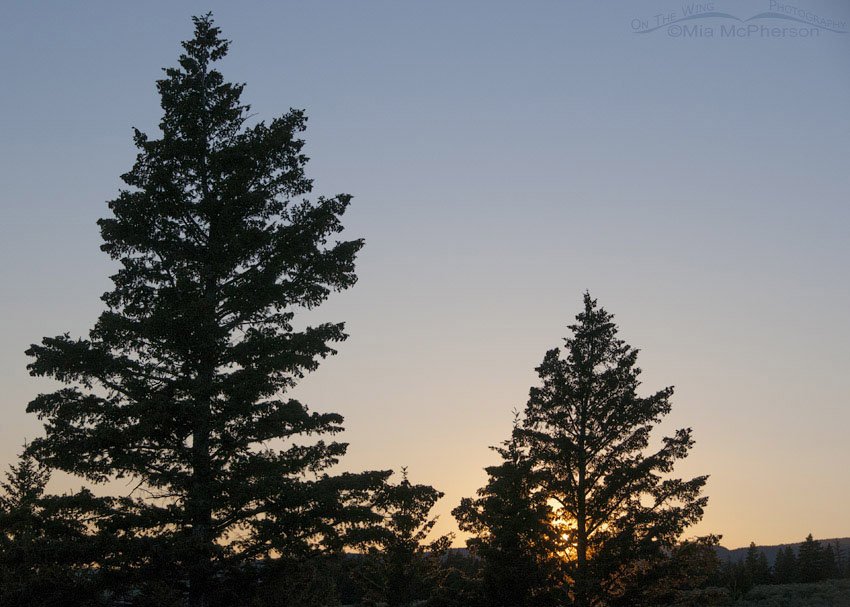
As the weather warms up I admit that I'm itching to hit the road to go camping, to get away from the city, the news and to immerse myself in natural surroundings.

The first of March always makes me think of and listen for Long-billed Curlews, our largest shorebird of North America.