Mating Killdeer at Bear River Migratory Bird Refuge
Last week when I took my Mom to Bear River Migratory Bird Refuge we were fortunate to see and photograph Killdeer mating while on the auto tour route.



Last week when I took my Mom to Bear River Migratory Bird Refuge we were fortunate to see and photograph Killdeer mating while on the auto tour route.

Eight days ago it was sunny and bright and I was out having fun photographing a pair of foraging American Avocets in breeding plumage at Bear River Migratory Bird Refuge in northern Utah.

Four days ago I was able to take my first photographs of Long-billed Curlews this year on Antelope Island State Park and although I was disappointed in the quality of most of the images I took I enjoyed seeing these large sandpipers again.

Taking photographs of shorebirds at eye level was very fulfilling for me and the images that resulted from my down & dirty technique have always made me feel an intimate connection to the birds.

It was one year ago today that I saw and heard my first Long-billed Curlews of the year and this morning as I sit here knowing there are cloudy skies outside I am wondering if the curlews have returned to northern Utah today as well.

A few nights ago I opened the door to check out the cloud cover and weather conditions before going to bed and for the first time since I moved to Utah I heard a flock of calling Killdeer flying past in the pitch black night.

After taking the quick bath in the tidal lagoon the Black-bellied Plover flew off towards the shoreline of the lagoon to shake and fluff its feathers until they were dry.

I'm excited that the American Avocets, American White Pelicans and Sandhill Cranes have returned to northern Utah because I look forward to seeing and photographing them again.
When I look up at the tops of the Wasatch, Oquirrh, Stansbury and Promontory mountain ranges and they look more like late April or May than they do on a normal winter because there is just so little snow up there.
On a May morning in 2008 while photographing this Wilson's Plover it began to scratch itself with its foot and when I took this photo it looked like the plover was dancing.

Among my favorite plovers to photograph when I lived in Florida were Semipalmated Plovers, I only saw them during their nonbreeding season where they spent time along the Gulf coast.

This Short-billed Dowitcher slowly made its way through the Sargassum on the wrack line as I laid in the damp sand photographing it and the other shorebirds that were searching the seaweed for food.
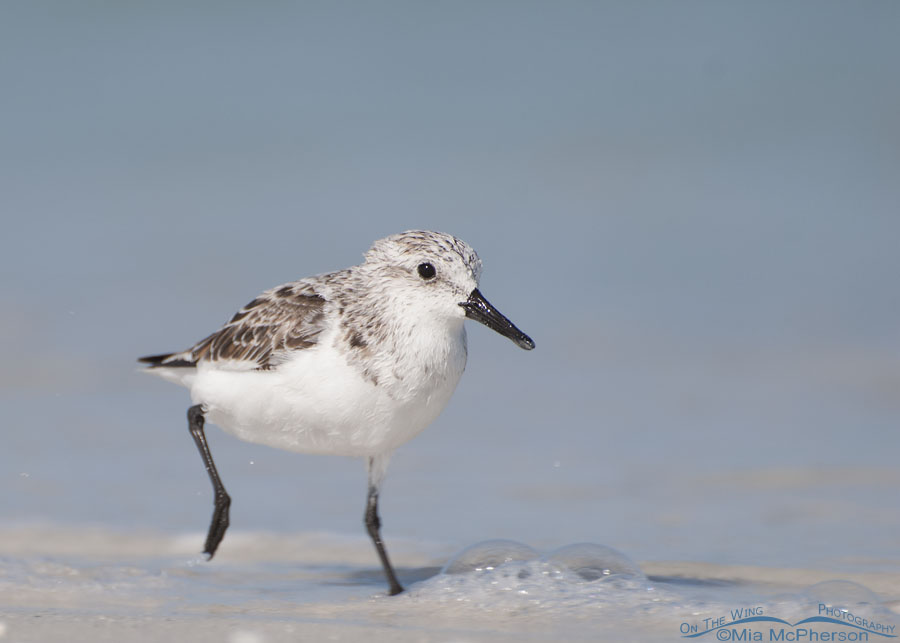
I wanted to share this photo of a Sanderling racing the waves at Fort De Soto County Park in Florida because I photographed it on a warm, sunny day.

There are big differences in the ways I photograph Greater Yellowlegs here in Utah than there were when I photographed them in Florida.

Last month I was able to photograph flocks of Red-necked Phalaropes on the Great Salt Lake when they were migrating through the area.

When I look at this photo of the juvenile Sanderling I see a bird that was so relaxed that it fell asleep while I photographed it because it was comfortable with my presence and I felt honored that it was.

Shorebirds begin their fall migration early and for those of us who live in the Great Salt Lake ecosystem that means looking for them in the marshes around the lake and on the lake itself.
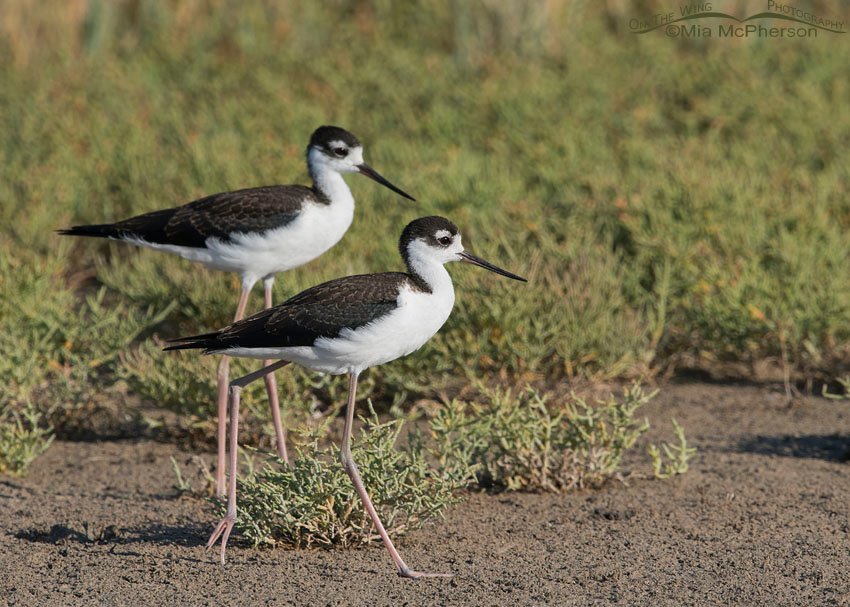
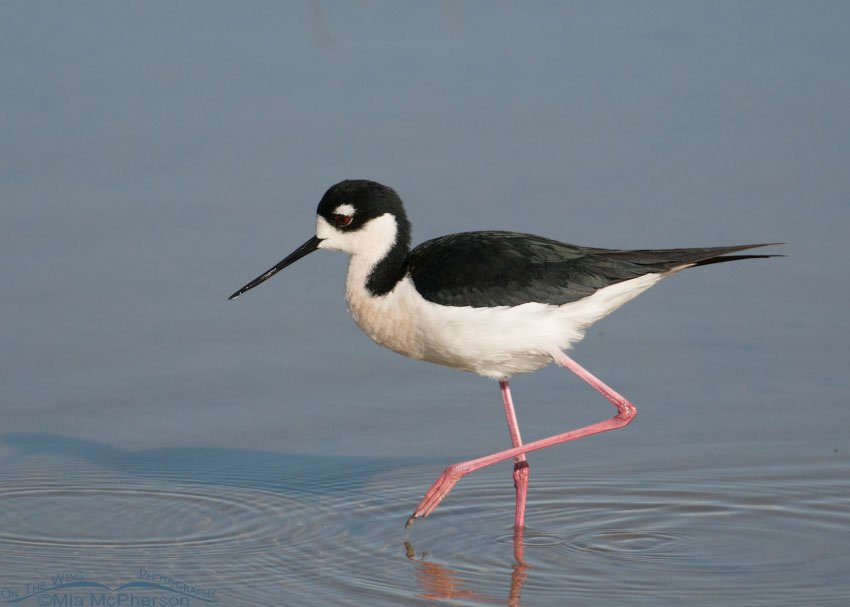
Thousands upon thousands of Black-necked Stilts make the marshes at Bear River Migratory Bird Refuge in northern Utah their home during their breeding season.
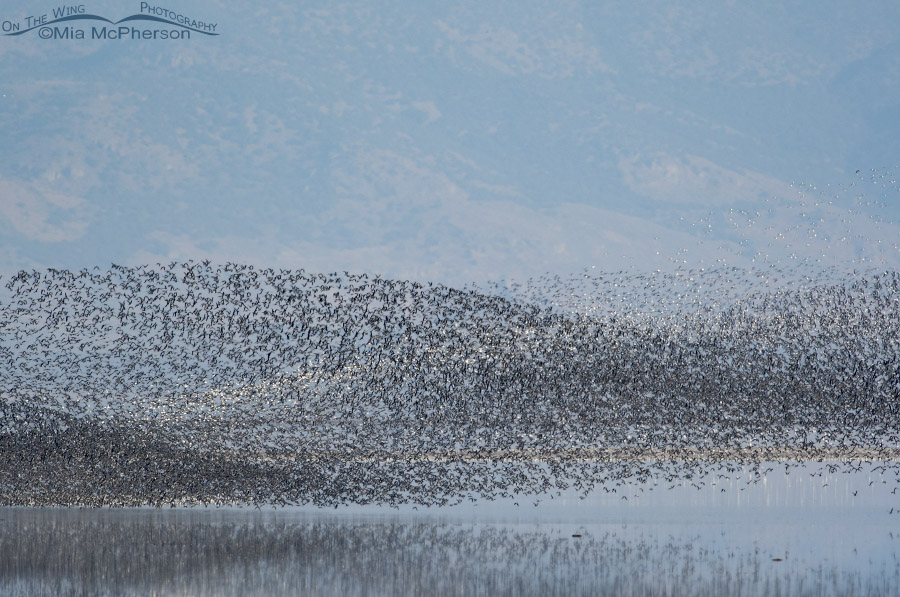
I know how blessed I am to be able to see and photograph the spellbinding spectacle of thousands and thousands of Wilson's Phalaropes lift off and take flight en masse

Just because Willets weren't split this year doesn't mean they won't be split in the future, who knows what changes will be made a year from now.
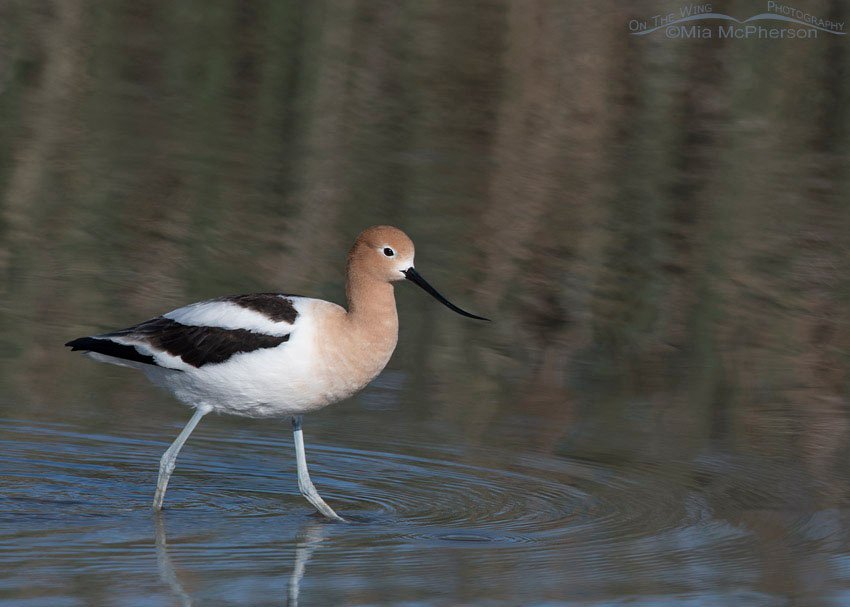
I'm happy with both images of this female American Avocet but I think I prefer the second image more because the reflections of the water add a sense of depth and more visual interest that I find lacking in the first photo.

The movement and bird that caught my eye was a Spotted Sandpiper teetering on a rock right next to the water. I adore Spotted Sandpipers so I just had to take images of the butt bouncing bird.

When I was at Bear River Migratory Bird Refuge on the 12th of April I spotted a Snowy Plover way out on the flats and that thrilled me because it was only my second sighting since my move to Utah back in 2009.

What is really fascinating to me is that within two days of fledging Ruddy Turnstone chicks embark on their first migration to their wintering grounds.
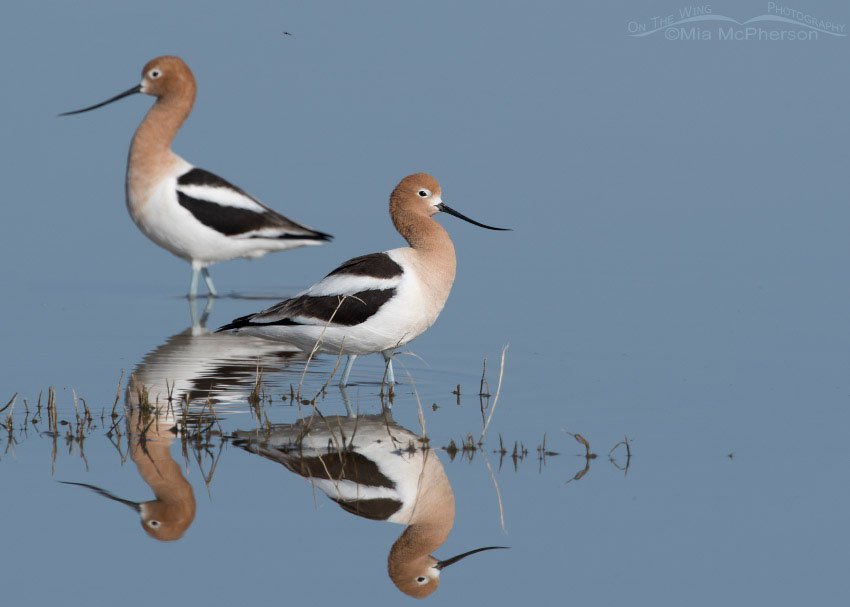
The pair of American Avocets were feeding in the grasses and the water right next to the edge of the grasses when I first saw them then the female squatted down on what I presume to be their nest.

Bear River Migratory Bird Refuge auto tour route is still closed and many of the birders, bird photographers and nature lovers are itching to know what birds are there because after all spring migration is an exciting time at the refuge.

I saw quite a few Long-billed Curlews yesterday wandering in the spring grasses and this time I was able to get nice images of them. Nicknames for Long-billed Curlews include "sicklebird" and "candlestick bird."

Spring means birds are getting ready to find mates, breed, nesting and raising their young.

In bird photography there is such a thing as over processing mistakes and the mistake I see most often is adding way too much saturation.

The first of March always makes me think of and listen for Long-billed Curlews, our largest shorebird of North America.