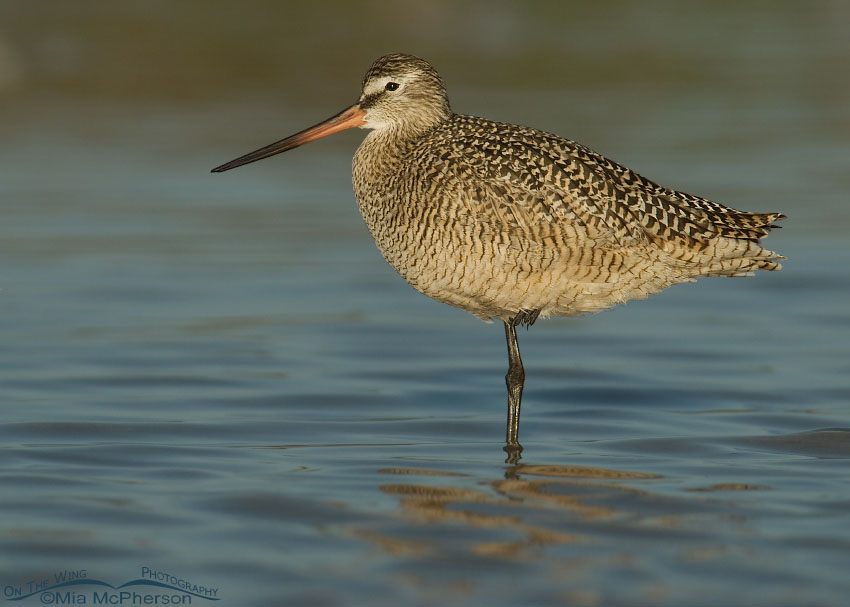
Resting Marbled Godwit
Photographing birds; wherever I am, allows me to feel a deep and sometimes profound connection to nature. I wouldn't have it any other way.


Photographing birds; wherever I am, allows me to feel a deep and sometimes profound connection to nature. I wouldn't have it any other way.

I have written before on how Red Knots are a species on the edge because of plummeting populations declines and today they still need our help.

Happy Mother's Day 2014!

Dunlins are small shorebirds that are found in North America which exhibit remarkable differences between their breeding and nonbreeding plumages.
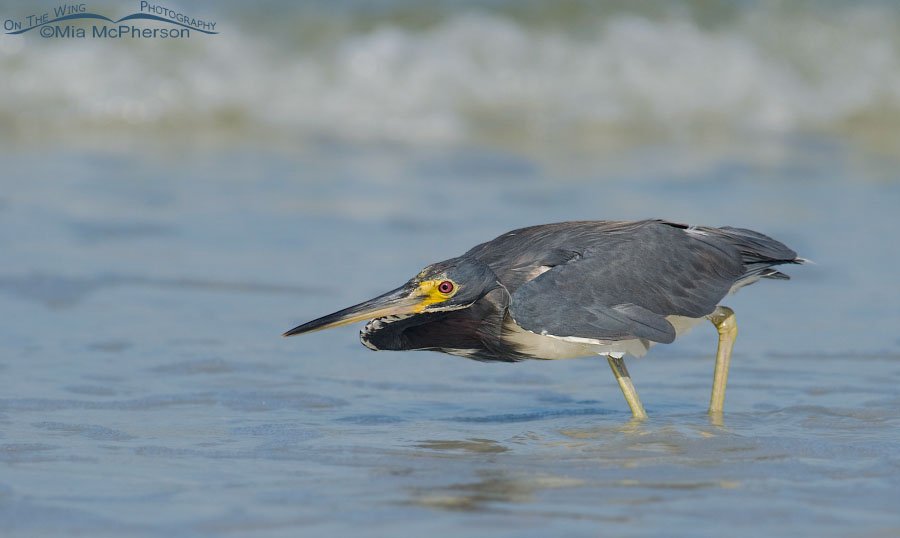
Tricolored Herons use many foraging behaviors to obtain their prey including walking quickly then crouching before stabbing their prey.

When I lived in Tampa, Florida the Whites Ibises were often called "Lawn Chickens" because they would feed in people's yards in big flocks.

This image was taken on a breezy April morning in 2009 at Fort De Soto County Park's north beach when I saw an aerial food fight occurring over the Gulf of Mexico.

It is really cruddy here in Utah this morning so I thought I would go back in time to a warmer, sunnier day via the magic of some Black Skimmer images I created five years ago today.

I've mentioned in another post that "Some Days are Magic" and I felt that magic the morning I created this image of a Red-breasted Merganser.

The sky outside is cloudy and gray this morning so I thought I'd share some images with rosy colors to brighten my day and hopefully yours as well.
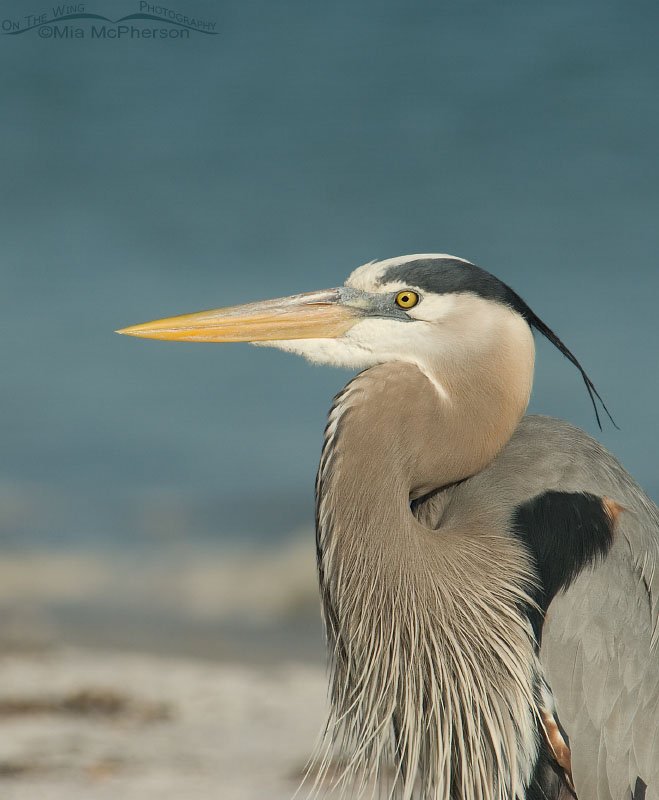
Great Blue Herons are wading birds that I photographed quite often at Fort De Soto County Park's north beach while I lived in Florida.
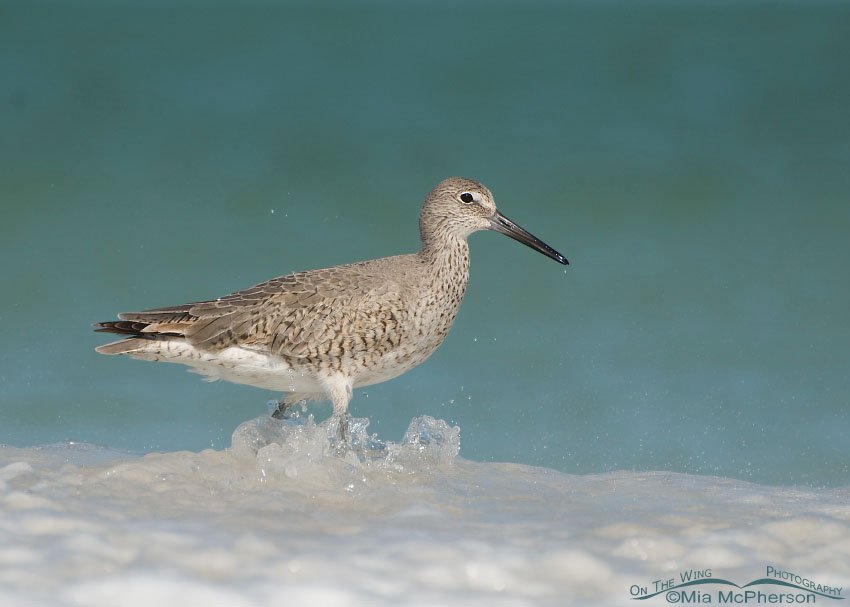
Yesterday for the first time this season I saw and heard Willets on Antelope Island State Park.
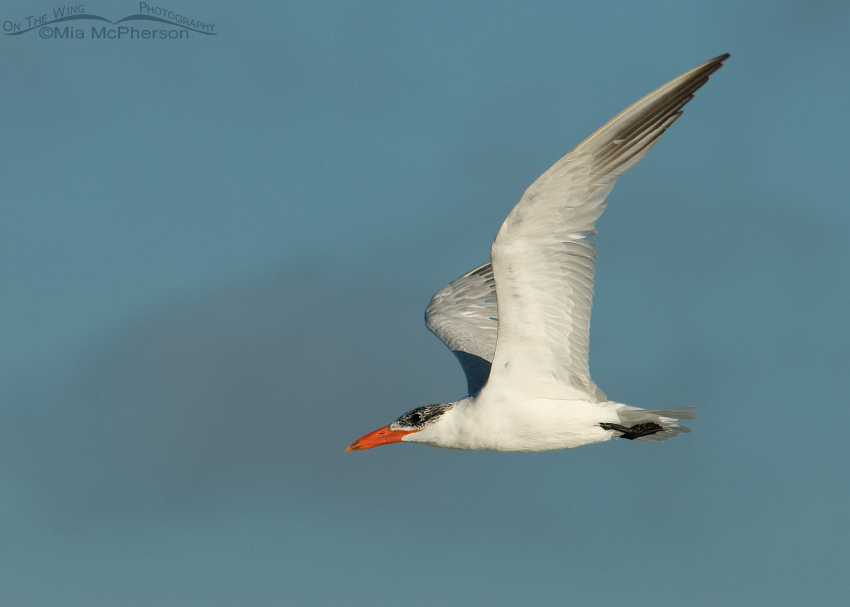
Soon Caspian Terns will be back in Utah flying over rivers, ponds, lakes, and other freshwater impoundments searching for prey.

The tide was rushing out of the tidal lagoon very quickly when I photographed this Roseate Spoonbill at the "Magic Hour" and the light on the Spoonbill and the Spartina behind it enchanted me.

Three days ago a first of the year sighting from the UBIRD group got me all excited because it means that the Ospreys have returned to Utah!

I saw my first of the year Long-billed Curlews two days ago on Antelope Island State Park flying overhead. They weren't close enough to photograph but I know that soon I will have them in my viewfinder again.

These Great Blue Heron photos were taken of the same bird, photographed at same location on the same day just one minute apart.

There is a quality that feels very tranquil about this Tricolored Heron image for me. It may be the still, silky texture of the water or the soft pastel color of the water created by the early morning light.

What can I say about this image of an adult Great Horned Owl feeding its young that is strongly back lit by the setting sun on Honeymoon Island State Park in Florida?
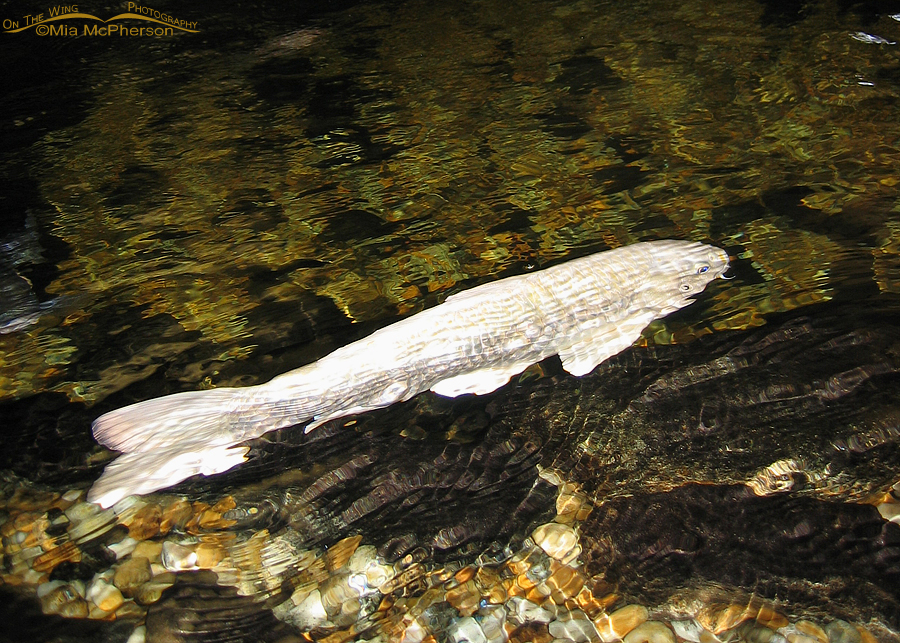
Long ago in a subtropical clime with plenty of heat, humidity and the occasional hurricane I used to photograph with a small point and shoot camera from Canon and had great fun doing it.

In Florida it was not uncommon for me to see Brown Pelicans gliding just barely above the surface of the Gulf of Mexico like the juvenile shown in my image.

I feel that as a bird photographer I need to care for my subjects every time I am in the field and that is amplified when there are young, defenseless chicks.
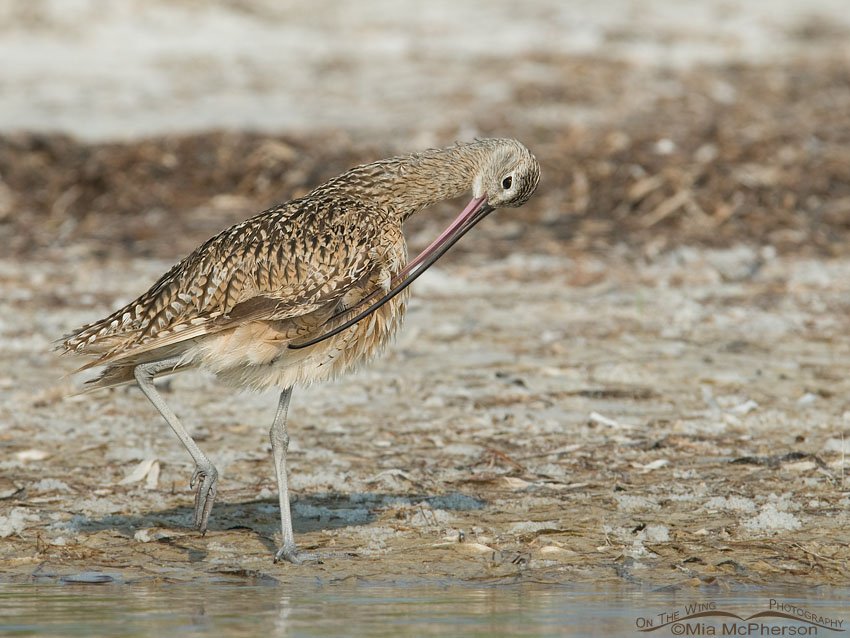
Preening in birds is essential for keeping their feathers clean, arranged correctly and for some birds it is a way to distribute oils from the uropygial gland which helps to keep the feathers clean and healthy.

Long-billed Curlews have begun to leave or have left their wintering grounds and should be winging their way to Utah and arriving here any day now.

Laughing Gulls are commonly seen at Fort De Soto County Park but novices to birding and bird watching might think they are three different kinds of gulls depending on their age and plumage.

This Coyote image always makes me smile. It was taken in early March of 2010 as the Great Salt Lake began to thaw and there was a hint of spring in the air.

According to Birds of North America there are four foraging methods used by Red-breasted Mergansers which are Cooperative Herding, Individual Search, Shallow Diving and Deep Diving.

As soon as I crossed the north beach footbridge I spotted several Roseate Spoonbills in the tidal lagoon on my right. There were adults and a few juveniles, some were resting while others preened.
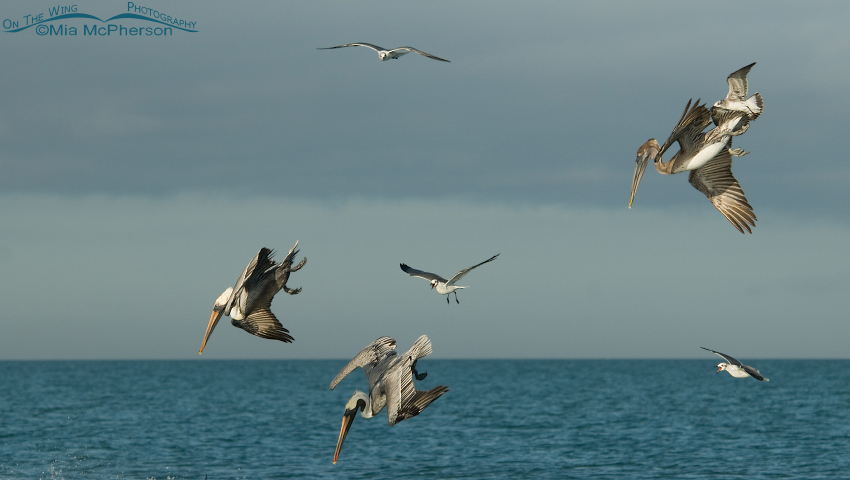
The recent arrival of American White Pelicans to the Salt Lake Valley started me thinking about the differences between Brown Pelicans and American White Pelicans.
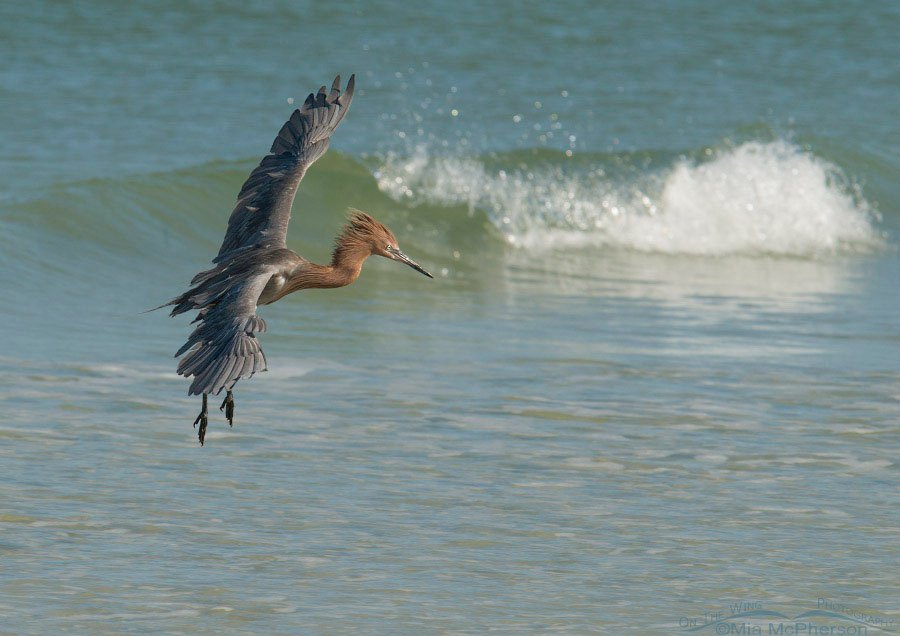
This is one of my favorite Reddish Egret images that I have taken at Fort De Soto County Park's north beach.