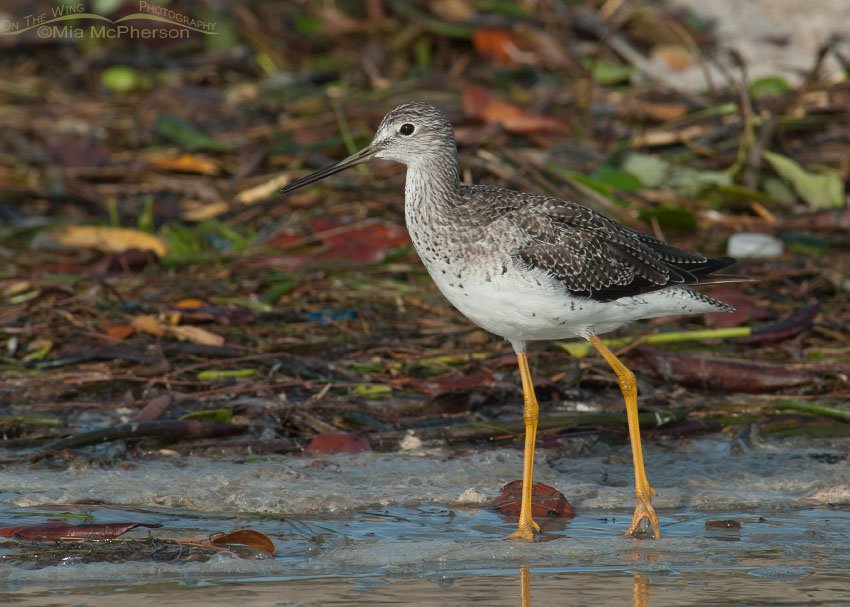
Greater Yellowlegs At The Wrack Line
I get excited when spring arrives in Utah and the shorebirds return because they were my spark birds, they are what got me into bird photography


I get excited when spring arrives in Utah and the shorebirds return because they were my spark birds, they are what got me into bird photography

One July morning at 2008 I came across quite a few Common Terns at Fort De Soto County Park's north beach.

When I photographed this resting Ruddy Turnstone male on the shore of the Gulf of Mexico in 2009 I knew it wouldn't be long before he migrated to a rocky arctic coast to breed.

It has been five and a half years since I photographed American Oystercatchers at Fort De Soto County Park in Florida and oddly enough I still dream about these shorebirds.

I'm glad the Double-crested Cormorant didn't decide to relive itself as it came in to land or I might have been wearing white-wash!

The Reddish Egrets I photographed that May morning were busy hunting and paid me almost no attention as they went about their daily business of find prey.
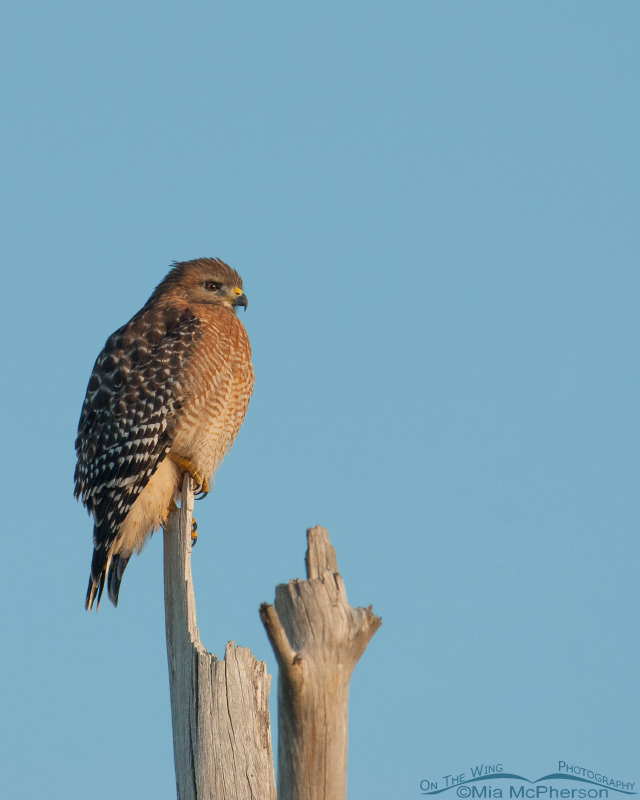
This Red-shouldered Hawk was just a few feet away from a tidal lagoon and just yards away from the Gulf when I photographed it in November of 2008.

After posting Great Blue Heron images yesterday I decided to post images of Great Egrets which are also a large wading bird species this morning.

Photographing this bird brought back memories of a day I spotted a Great Blue Heron struggling because it was caught in a trotline in the Chattahoochee River in Georgia

It rained most of the day here so I looked at a few Brown Pelican images taken in December in Florida where it was much sunnier in 2008.

In February of 2011 I wrote about the age progression of Bald Eagles along with images to illustrate the ages, today I am doing the same but with Ring-billed Gulls.
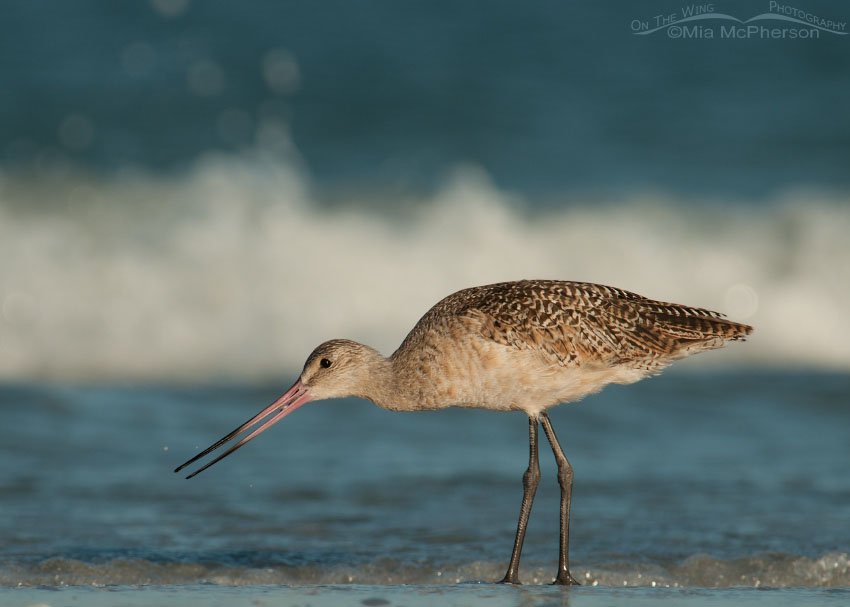
I have always thought of Marbled Godwits as graceful, elegant shorebirds and I still do.

This morning I wanted to keep my post simple and how much more simple could this image of a Semipalmated Plover with its eye on me be?
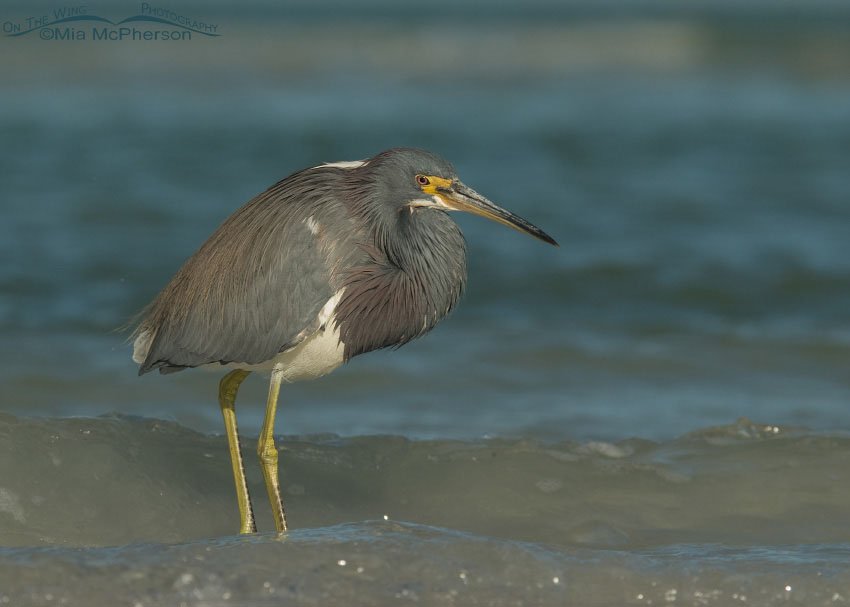
Just a simple Tricolored Heron image this morning that I created at Fort De Soto County Park in March of 2009.
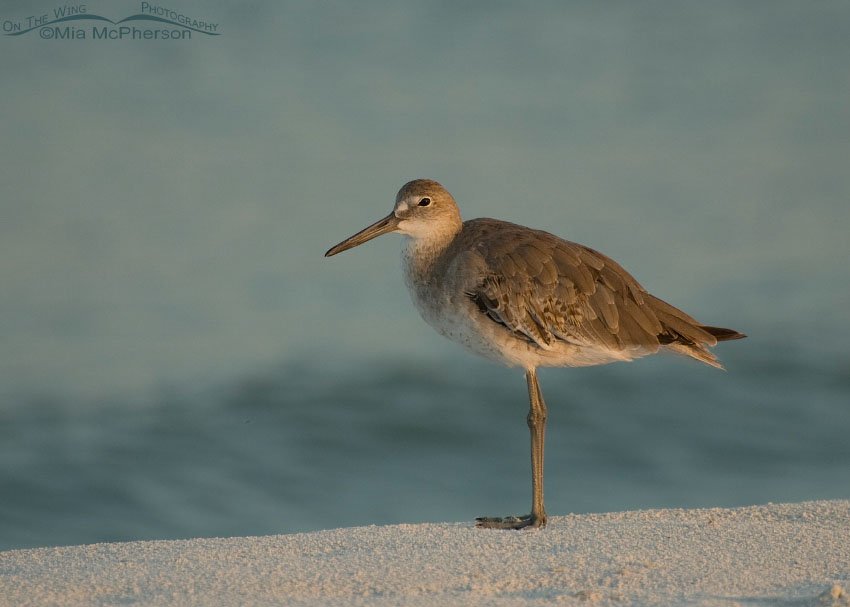
This Willet image was taken on August 12, 2007 which is now over seven years ago and I can easily recall how thrilled I was to photograph this shorebird.

These two bathing Royal Tern images remind me of the warm April morning when I spent time photographing different species splashing around in the Gulf of Mexico.

Tricolored Herons are smaller than Great Blue Herons and larger than Snowy Egrets and all three of these wading birds hunt in many of the same locations along the Gulf Coast.

Snowy Egret at dawn next to the Gulf of Mexico in Pinellas County, Florida

American Oystercatchers are specialized in that their diet consists of bivalves and they do use that flashy orange bill to pry some of them open.

Shorebirds were my bird photography spark birds and they ignited the fire I have within me to go out into the field as often as possible to photograph all wild birds

Six years ago this morning I was photographing birds at Fort De Soto County Park and I wanted to share a few images and memories of that day.

Ring-billed Gulls are fairly common but as with any common bird I believe that they can be uncommonly beautiful.

The reason Utah got uglier is that today Crow hunting killing season begins for the first time in the state so the day is already off on a bad start.

I worked up two older Brown Pelican images to share this morning taken at Fort De Soto in 2009 and 2008.
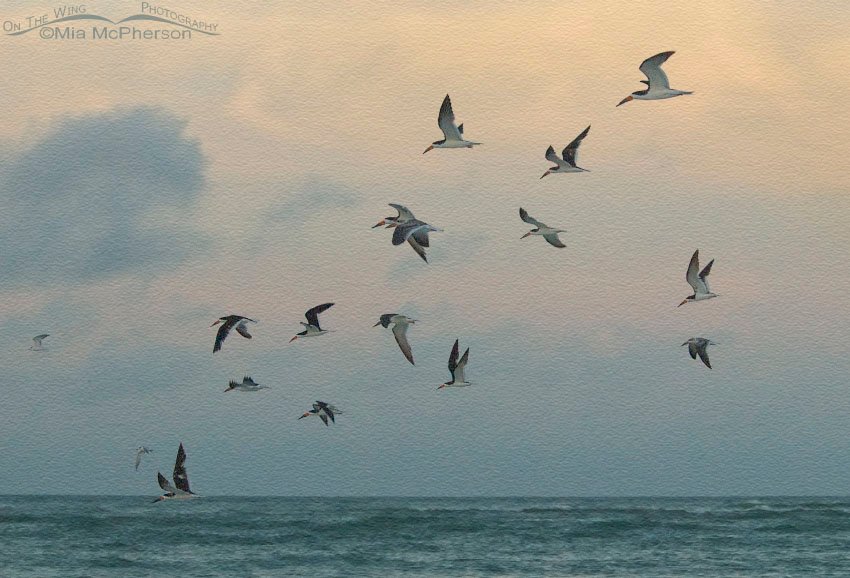
Both versions of this frame of the sunrise Black Skimmers bring back memories from the morning I created this photo of them in their pre-dawn flight.
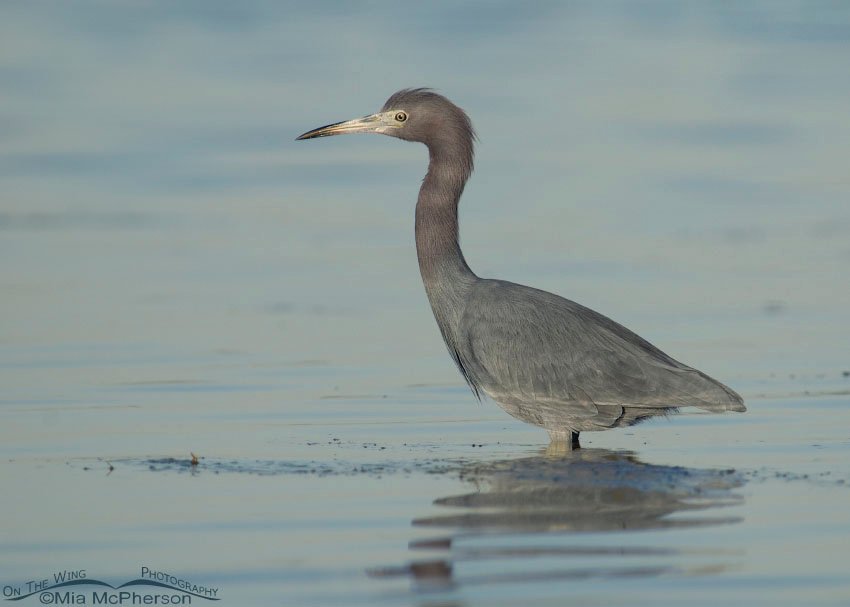
I missed the Little Blue Heron in Utah but I have fond memories of the day I photographed this one as the sun began to set over the Gulf of Mexico.

Moving; even just a little bit, can change the background of an image even when the subject is stationary.

Black Skimmers are beautiful and unmistakable, with their long orange/red black tipped bill, white underparts, blackish upper parts and distinctive barking call.

This photo of a Semipalmated Plover on the shore of the Gulf was purposely photographed so that the plover would be small in the frame

Six years ago today I was sand crawling on the shore of the Gulf of Mexico at Fort De Soto's north beach photographing pelicans, godwits and dowitchers plus other birds.