Juvenile Black-crowned Night Herons at Bear River MBR
I saw plenty of birds yesterday including juvenile Black-crowned Night Herons at Bear River MBR every where I looked.



I saw plenty of birds yesterday including juvenile Black-crowned Night Herons at Bear River MBR every where I looked.

This Great Blue Heron was in flight over the north beach of Fort De Soto with dark Australian Pines in the background on a foggy morning.

I have only seen and photographed these two Great Blue Herons expelling bile in Florida and Utah. I wonder how often this occurs.

These images of a Great Blue Heron at Bear River Migratory Bird Refuge were taken last September on the auto tour route at the refuge.
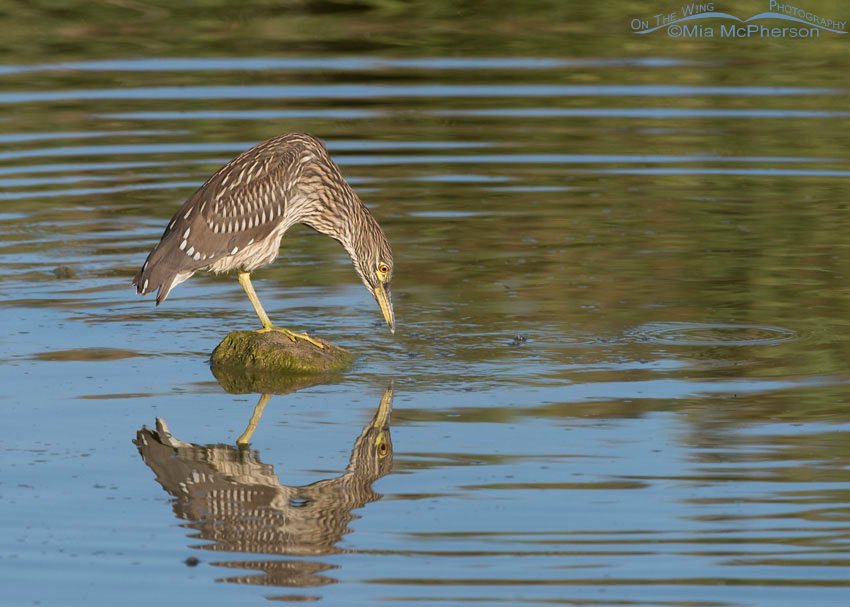
Last August I was able to spend time observing and photographing this juvenile Black-crowned Night Heron stalking prey at Bear River Migratory Bird Refuge.
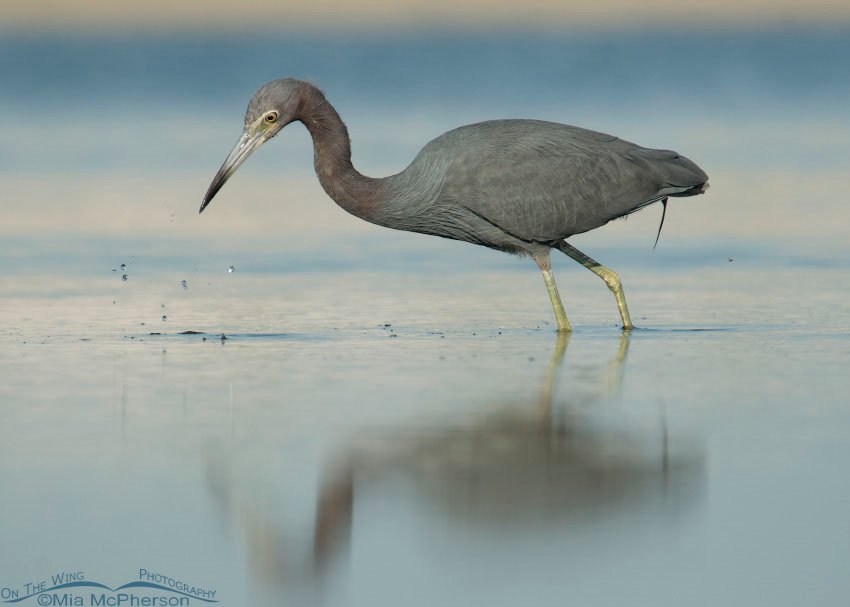
These Little Blue Herons on the hunt were both taken at Fort De Soto in two different tidal lagoons.
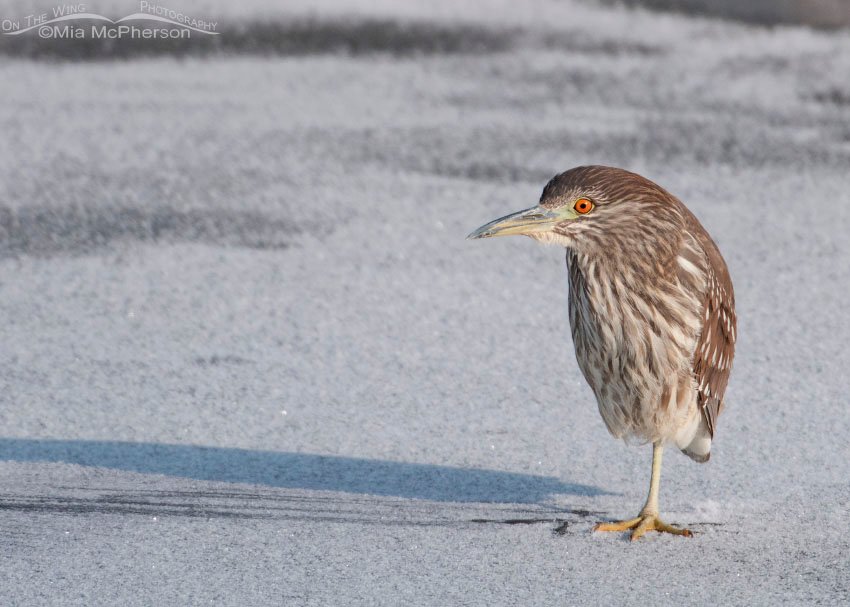
On a January morning in 2013 I photographed this juvenile Black-crowned Night Heron on ice for about a half an hour at Farmington Bay.

On the first of September I was at Bear River Migratory Bird Refuge when I spotted a Black-crowned Night Heron hidden in the phragmites.
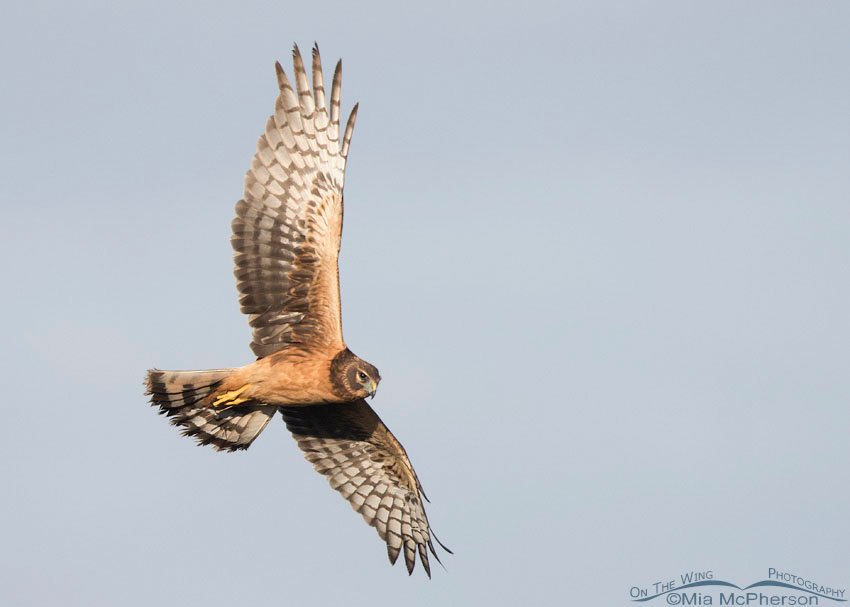
The light was beautiful yesterday morning at Farmington Bay WMA and I was able to photograph a few species if birds including this juvenile Northern Harrier flying over the marsh.

Seven years ago I could be found most often walking along the Gulf of Mexico at Fort De Soto County Park's north beach in search of birds to photograph.

On a clear day this Great Blue Heron image would have shown the Promontory Mountains in the distant background instead of the dull gray seen here.

In my post yesterday I mentioned that the Snowy Egrets that I photographed at the Bear River Migratory Bird Refuge were avoiding a juvenile Black-crowned Night Heron, this is that heron.
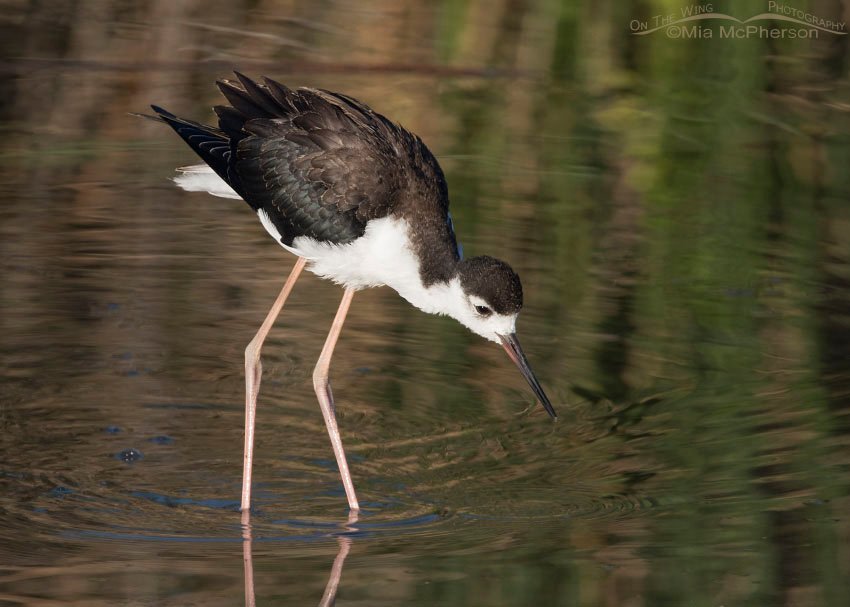
I headed up to Bear River Migratory Bird Refuge yesterday morning and I am very glad I did because of the wonderful birds I saw.

I picked this Great Blue Heron image to post today because when I took the photo it was bright and sunny.

Maybe when the weather clears tomorrow I'll be able to get back out Farmington Bay to photograph more birds.

Photographing this bird brought back memories of a day I spotted a Great Blue Heron struggling because it was caught in a trotline in the Chattahoochee River in Georgia

So, is this the year that the Grinch stole winter?

As common as Great Blue Herons are throughout North America I am always happy to photograph these prehistoric looking birds.

Last December I photographed this Great Blue Heron as it hunkered down against the brutal cold at the edge of the water in a marsh.
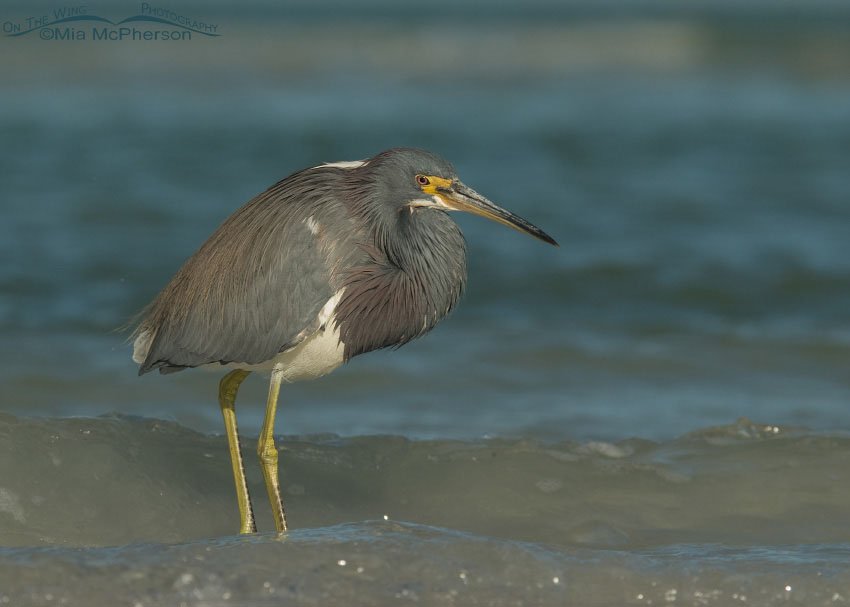
Just a simple Tricolored Heron image this morning that I created at Fort De Soto County Park in March of 2009.

Tricolored Herons are smaller than Great Blue Herons and larger than Snowy Egrets and all three of these wading birds hunt in many of the same locations along the Gulf Coast.
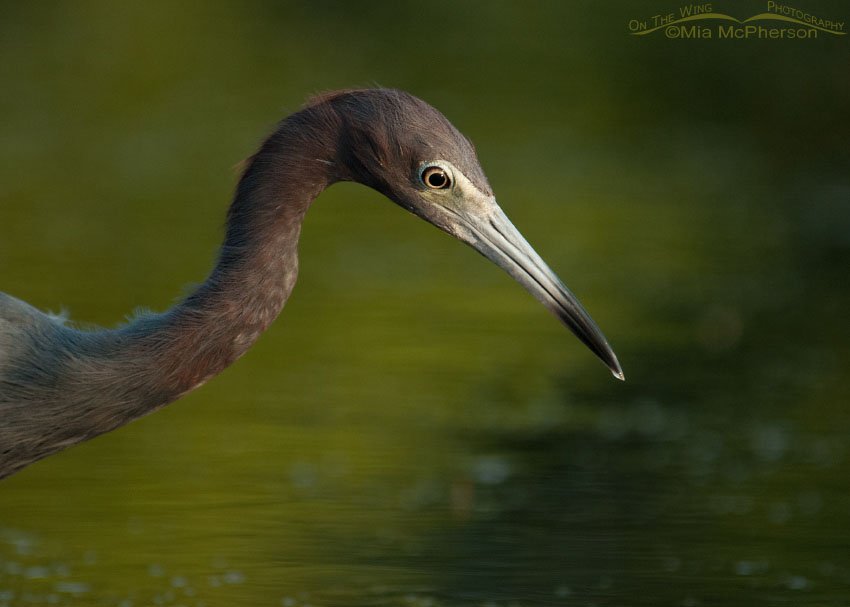
This is another image I came across last week and wondered why I hadn't processed it because I don't have many Little Blue Heron portraits in my portfolio.

This Great Blue Heron landed briefly on a willow that was along the road at Farmington Bay but before I could get my exposure set correctly it took flight.
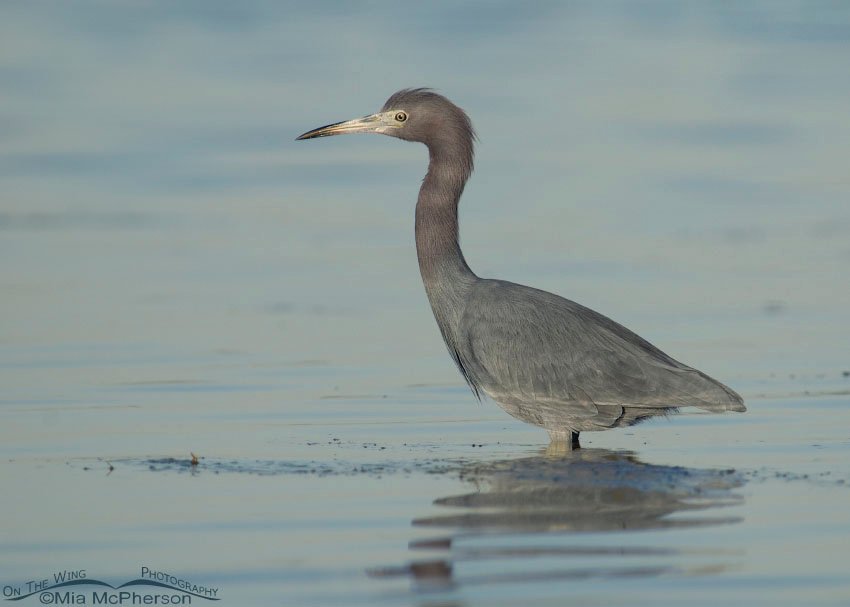
I missed the Little Blue Heron in Utah but I have fond memories of the day I photographed this one as the sun began to set over the Gulf of Mexico.

Yesterday I focused on a few wading birds I saw at Glover Pond near the Great Salt Lake Nature Center and that include Great Blue Herons and White-faced Ibis.
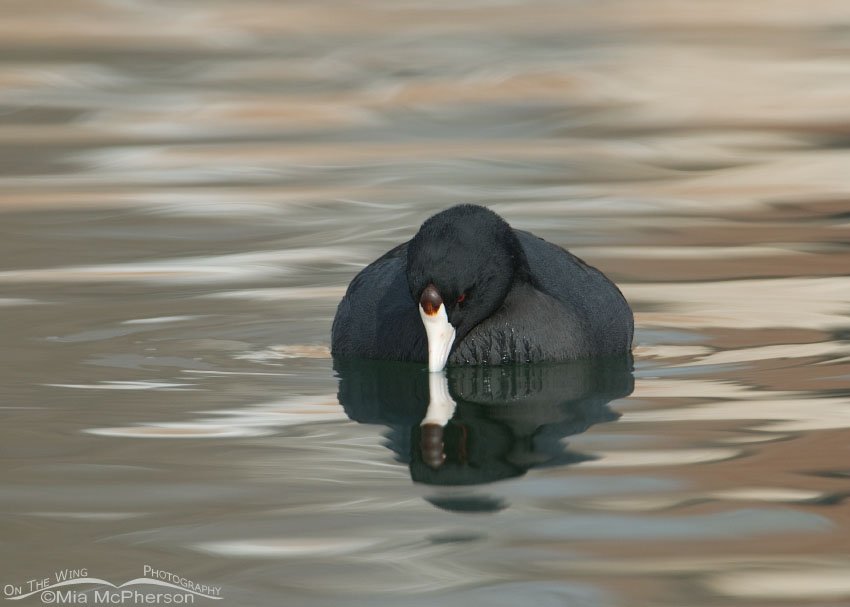
I believe that even without what some may consider "the perfect head angle" that we can create interesting and compelling avian images.
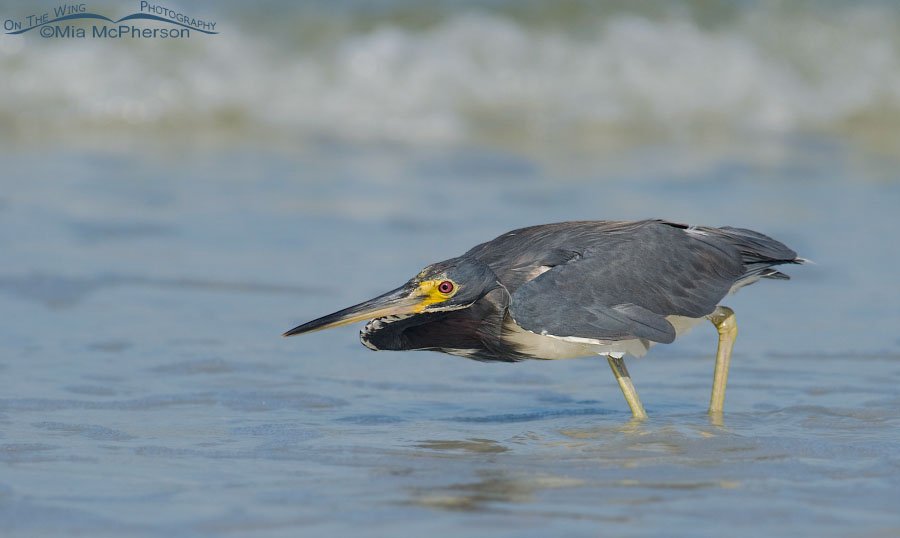
Tricolored Herons use many foraging behaviors to obtain their prey including walking quickly then crouching before stabbing their prey.
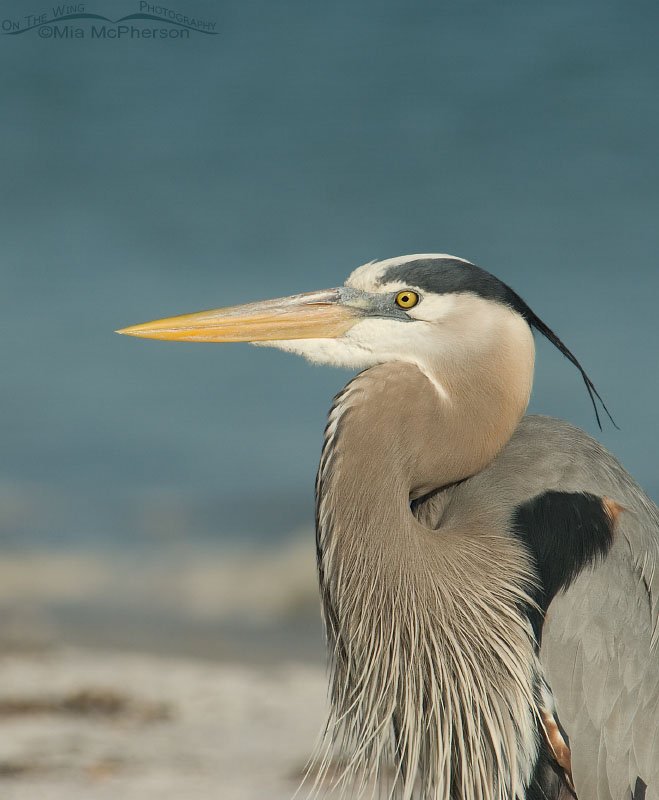
Great Blue Herons are wading birds that I photographed quite often at Fort De Soto County Park's north beach while I lived in Florida.

These Great Blue Heron photos were taken of the same bird, photographed at same location on the same day just one minute apart.

In January in Florida the Great Blue Herons are already going into breeding plumage and have begun courtship displays and have started building their nests.