Killdeer Calling in Habitat
As a "Nature" photographer one of my goals is to create images that show the bird or animal's natural habitat within the frame



As a "Nature" photographer one of my goals is to create images that show the bird or animal's natural habitat within the frame

Sometimes I just feel so lucky being a bird photographer. Not only do I get to be outside in nature when I am photographing, but I get nice surprises too like when this Long-billed Curlew juvenile approached near enough to get head shots of it.

The juvenile Long-billed Curlew was foraging and preening in the vegetation on the ground below the adult perched on the boulder

When looking at a Greater Yellowlegs there is NO mistaking how they got the name "Yellowlegs".
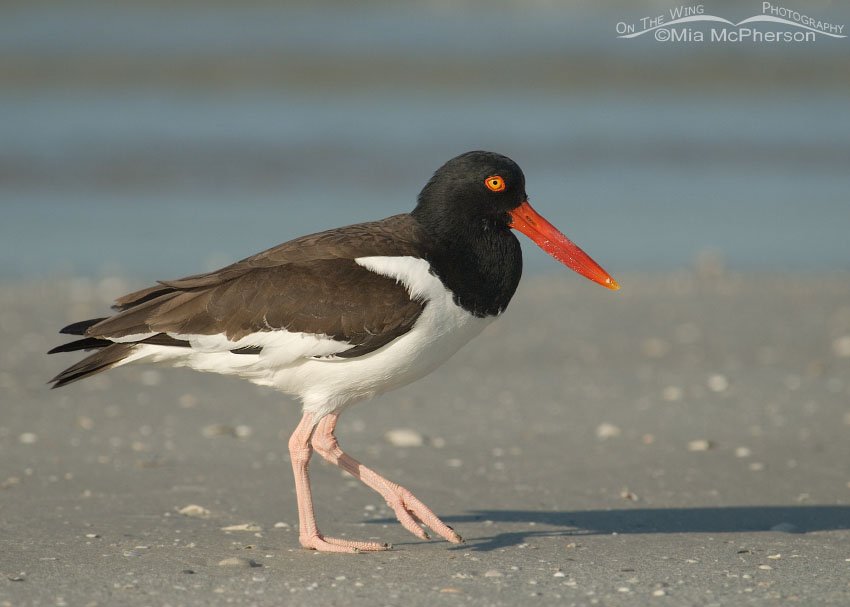
American Oystercatchers are fascinating birds to photograph, They can strike unusual poses and their plumage is spectacular in flight. I enjoyed watching them pry open bivalves with their long bill

One of the habits I have developed after becoming a serious bird photographer is observing and learning about bird behavior and the habitats

Spotted Sandpipers are fun to watch as they walk along the shoreline as they teeter, bob and bounce their rear ends up and down.

I love watching Black-bellied Plovers hunting. They take a few steps, stop, look and listen, then do it all over again.
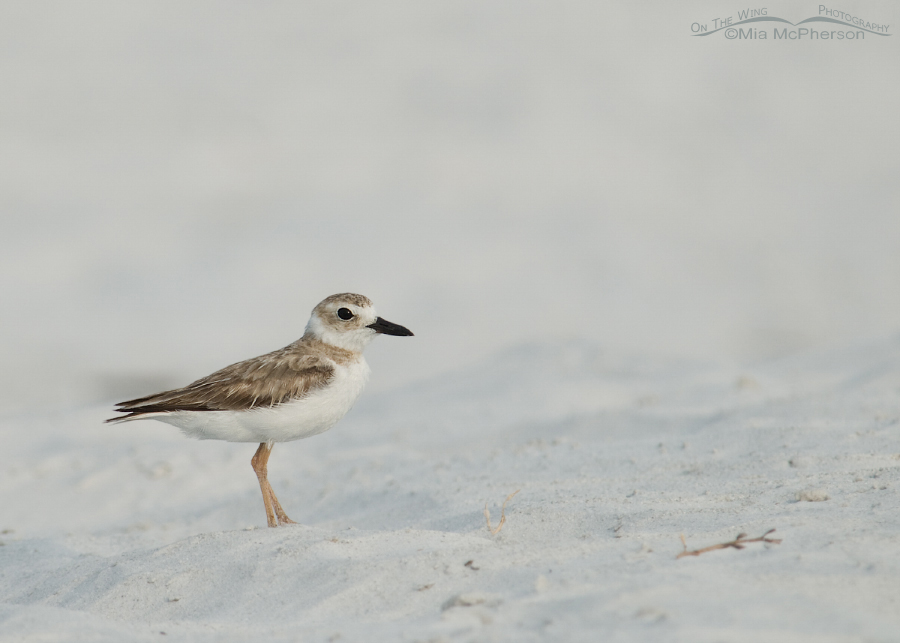
This juvenile Wilson's Plover was in the company of an adult bird and both of them were scurrying along some vegetation on the north beach of Fort De Soto.
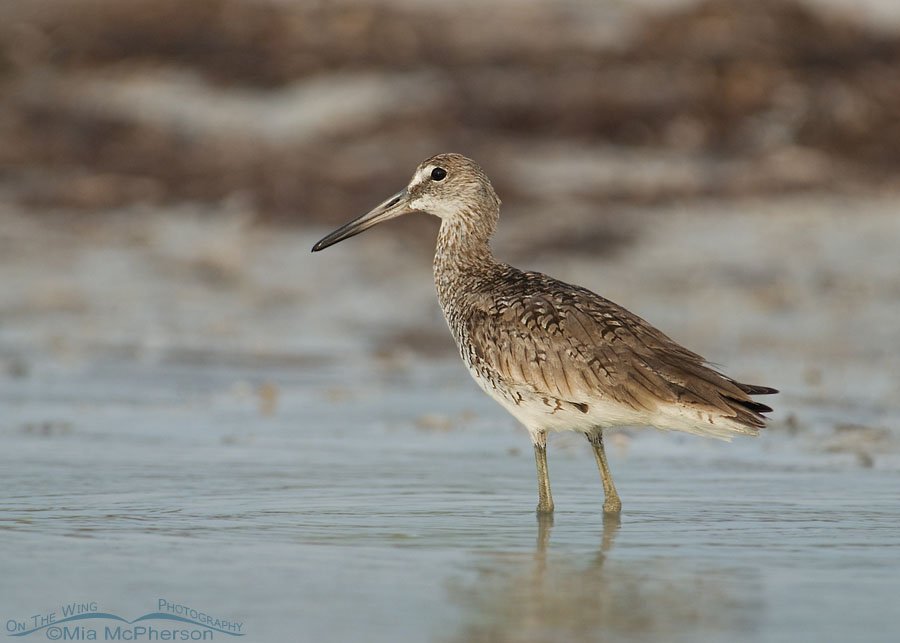
The Willet is thought by many people to be a "plain brown bird" but I find their subtle coloring quite appealing whether they are in breeding or nonbreeding plumage.
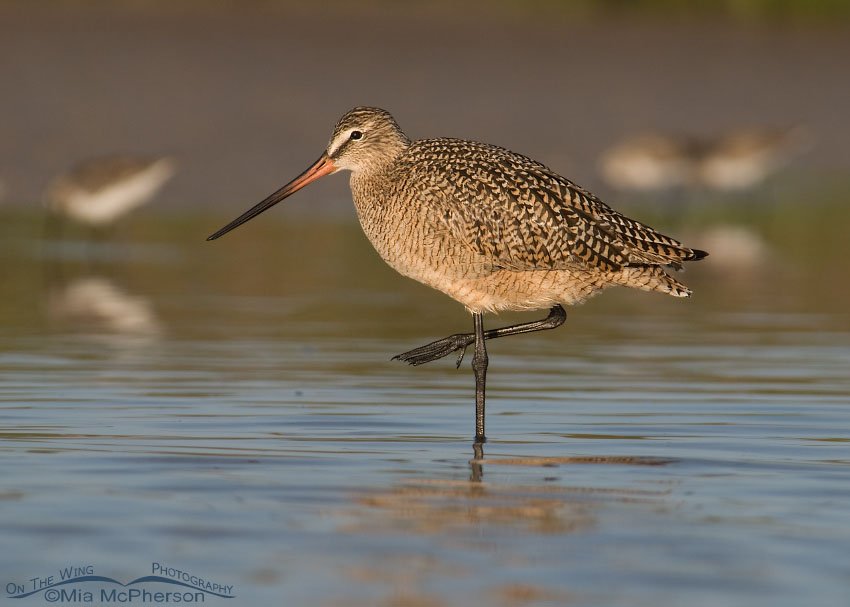
Marbled Godwits are graceful birds while on the ground, feeding and in flight.

Auto levels in Photoshop must be used with a light touch. Using auto levels can create too much contrast in an image, can cause color casts, it can brighten an image too much, it can strip the light and can make some images look very unnatural.

One of the easier medium-sized shorebirds to identify on Fort De Soto's beaches and tidal mudflats are the Ruddy Turnstones. The only other turnstone that frequents North America is the Black Turnstone and it occurs on the Pacific coast.

Throughout the year you can see and photograph many different species of Plovers on Fort De Soto’s beaches, tidal lagoons and spartina marshes.

Who doesn't need a bit of humor once in awhile?

Nesting American Oystercatchers create simple scrapes on coastal beaches, dunes and salt marshes to lay their eggs in. They usually lay between 2-3 eggs around April to May.