Wilson’s Plover With Chicks
I enjoyed my brief, long distance opportunity to photograph and observe these Wilson's Plovers and chicks, it was a small window into their life.


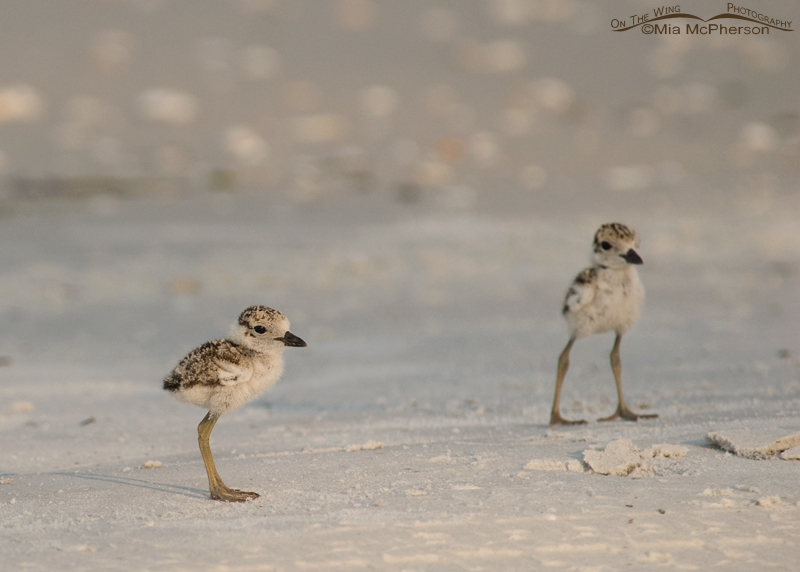
I enjoyed my brief, long distance opportunity to photograph and observe these Wilson's Plovers and chicks, it was a small window into their life.

Since I moved to Utah I think of Long-billed Curlews as my personal harbinger of spring.

I photographed this Short-billed Dowitcher and the out of focus Sanderling the day after a storm had pushed mounds of Sargassum seaweed onto the wrack line and the birds were busy looking for food within it.
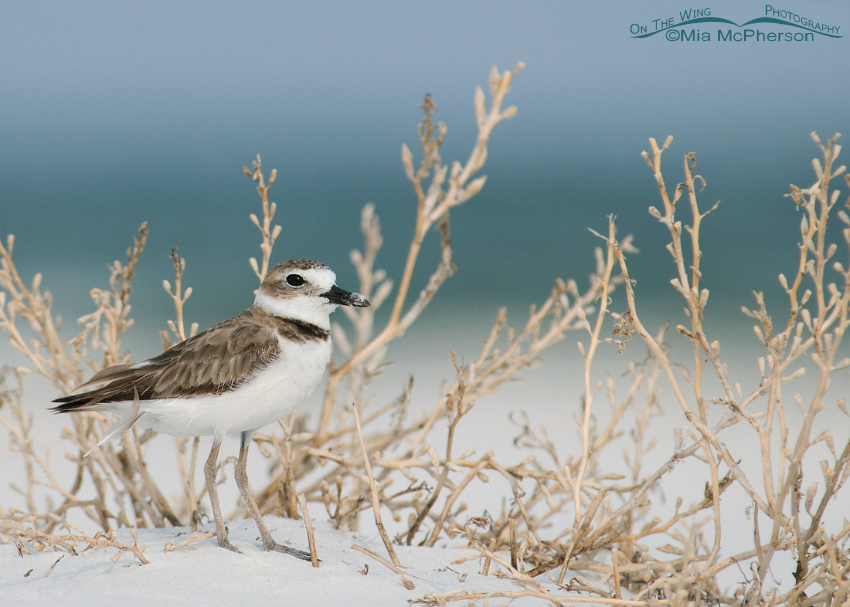
This Wilson's Plover and its mate were being run ragged chasing after the two chicks they had fledged, this adult stopped in front of me where I had laid down in the sugary white sand and rested a few moments in the dried Sea Purslane stalks.

I was tickled one morning when I came across this Turnstone in nonbreeding plumage perched on a piece of weathered driftwood just after the sun came over the horizon with the waters of the Gulf of Mexico behind it.

While photographing this Snowy Plover in June of 2008 I was able to observe the tiny shorebird snatch an ant from the sugar sand of the north beach of Fort De Soto.

I've had the good fortune to photograph both the eastern and western Willets in breeding plumage, the eastern in Florida and the western in Utah and Montana.

Just a simple image of a male Black-necked Stilt taken earlier this year at Bear River National Wildlife Refuge. Very graceful birds.

Just a single image of a Marbled Godwit (Limosa fedoa) that strolled past me while I sat in the water photographing it. Every time I look at this image I feel a wonderful sense of peace, the same feeling I had when I took this photo.

This was a life bird for my mother and I am glad she was able to see it strolling among the rocks on the shoreline of the Great Salt Lake while I photographed the curlew last week.

Black-bellied Plovers in breeding and nonbreeding plumage can look like two different plover species but they aren't.

A simple image of a beautiful Snowy Plover in a rather goofy looking pose. The plover had been preening and paused for a few frames with its tail lifted up
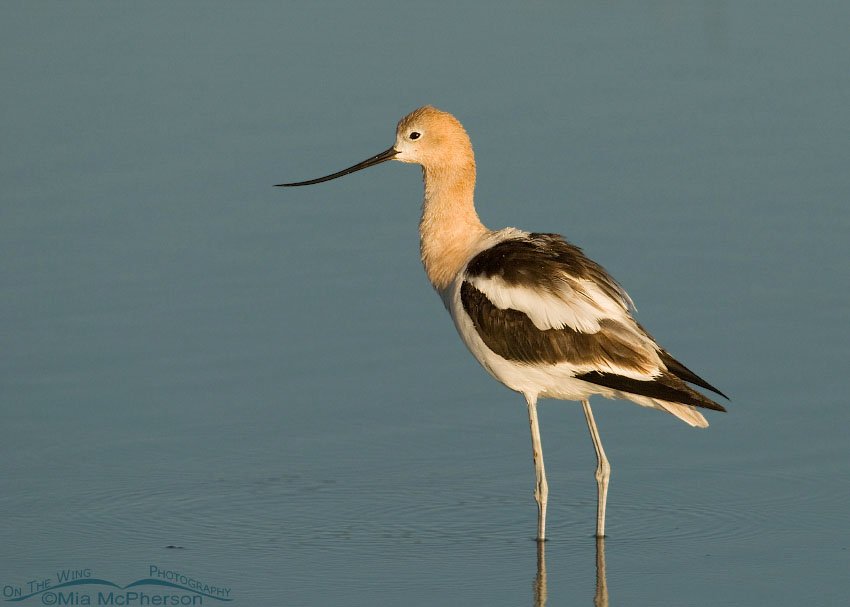
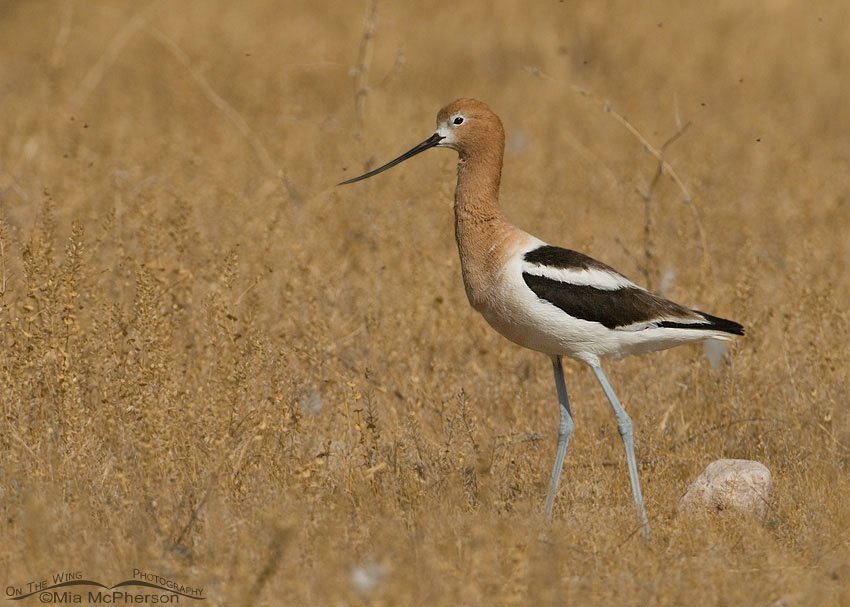
I photographed this American Avocet in nonbreeding plumage as it foraged in Glover's Pond at Farmington Bay Waterfowl Management Area in northern Utah a few years ago in the month of November.

Ruddy Turnstones in breeding and nonbreeding plumage can appear to be two different species to novice birders and bird photographers as can several other bird species.

Dunlins exhibit a vast difference between nonbreeding and breeding plumage, so different that a novice birder might mistakenly believe that they were two different species.

I like the ribbons of different shades of blue in this image and even though the Semipalmated Plover (Charadrius semipalmatus) is small in the frame it stands out well from its habitat.

Least Sandpipers (Calidris minutilla) are the world's smallest shorebird, weighing in at a mere 0.7 ounces (20 g), a length of 6 inches and a wingspan of 13 inches.
This Ruddy Turnstone (Arenaria interpres) image was created several years ago at Fort De Soto County Park's north beach in central Florida.

These images were taken at Red Rock Lakes National Wildlife Refuge in southwestern Montana. There were two juvenile Willets plus an adult on the shoreline of the lower lake that delighted me.
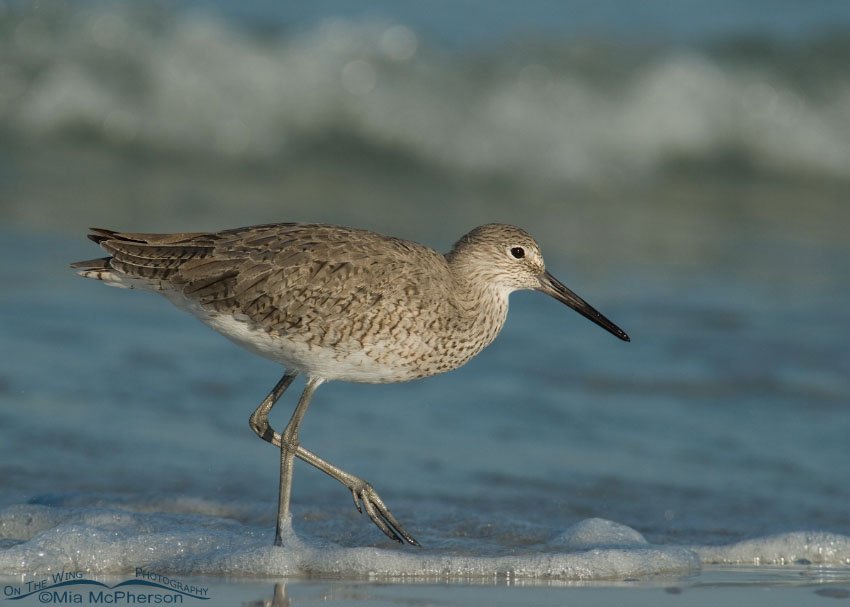
Getting "Down & Dirty" pays off when photographing shorebirds like this Willet in the surf I photographed in Florida as it walked along the shoreline of the Gulf of Mexico.

In 2008 I had the great pleasure of observing and photographing a family of American Oystercatchers from the day after the chicks hatched until three and a half months later.

I've been working up images for a long post and this American Oystercatcher (Haematopus palliatus) image is a clue as to what that post will be about.

I haven't heard a Long-billed Curlew calling for several weeks here in northern Utah and I already miss hearing their calls.
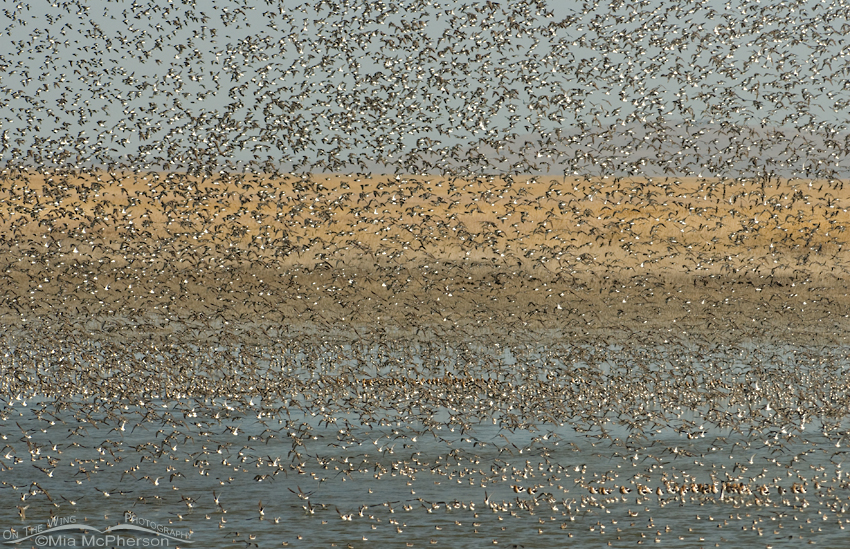
There were hundreds of thousands of Wilson's Phalaropes near the shoreline of the causeway, whirling around in the water and along the marshy areas not far from the park entrance.
Currently I am considering pursuing legal action against a commercial web site in Layton, Utah that has stolen 4 of my copyrighted images and used them on their site. The process of making a legal claim is daunting to me, however; I feel that I have to stand up and fight for what is legally mine AND protected by law.

I love how peaceful this image is with the Marbled Godwit (Limosa fedoa) paying absolutely no attention to me as I sat very still in the warm waters of a tidal lagoon photographing it.
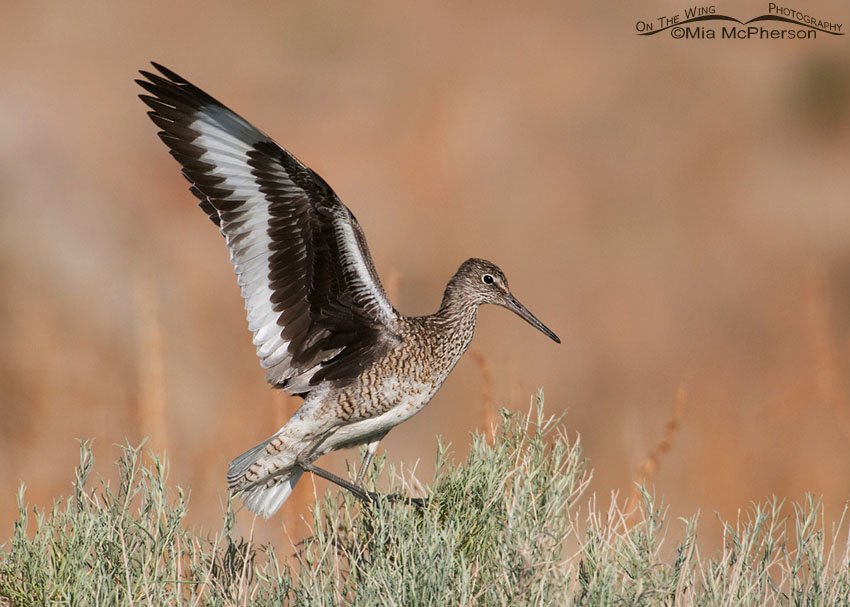
I've heard people call Willets "Plain Brown Birds". I reckon they may have never seen one looking like this Willet.

One of the shorebird species I am able to see in Utah during migration that I photographed often while I lived in Florida are the lovely Black-bellied Plovers (Pluvialis squatarola).

It dawned on me this morning that I haven not posted an image of a Western Sandpiper here yet so I pulled this one out of my archives that I photographed at Fort De Soto as the small shorebird ran in front of me on the shoreline.

Cheatgrass is invasive but I sure think it can be pretty especially with a lovely bird amongst it like this male Long-billed Curlew that I photographed on Antelope Island State Park recently.