Adult And Juvenile American Oystercatchers Feeding Side By Side
In 2008 I spent several months during the summer watching an American Oystercatcher family from the time the chicks were tiny until one of the chicks became independent.



In 2008 I spent several months during the summer watching an American Oystercatcher family from the time the chicks were tiny until one of the chicks became independent.

Shorebirds; like this tiny Piping Plover I photographed on the shore of the Gulf of Mexico, are the primary reason I became addicted to bird photography.
Which copyright watermark should I use? The small one that doesn't detract from the Greater Yellowlegs or the larger one that would make it harder for image thieves to use?

I hope that in 100 years Marbled Godwits will still be on this planet and future generations won't know them only from images like mine.

It has been another very long week so I thought I'd post a female Long-billed Curlew because of her very long bill but unlike the way my week went this curlew is graceful, elegant and serene.

I photographed this Snowy Plover one September morning in Florida and it was actually cool that day... for Florida.

This Black-bellied Plover was standing on a dunelet that wasn't much higher than the sand around it that had sparse short grasses which I found appealing.

A while back I did a post on the Least Sandpiper which is the world's smallest sandpiper so I thought I would do a post about North America's smallest plover, the Snowy Plover.

On April 10th I spotted two Mountain Plovers on Antelope Island State Park after reporting it to the UBIRD birding list many birders and bird photographers sped to the island to see these birds which are a rarity in this area.

Five years ago today I headed to the north beach of Fort De Soto County Park despite knowing that there were looming storms off of the coast hanging just off shore over the Gulf of Mexico and I am glad that I did because the light that day on the beach was exquisite.

Piping Plovers are small, sparrow sized shorebirds that are endangered and threatened in most of their range primarily due to human disturbance on their nesting grounds.
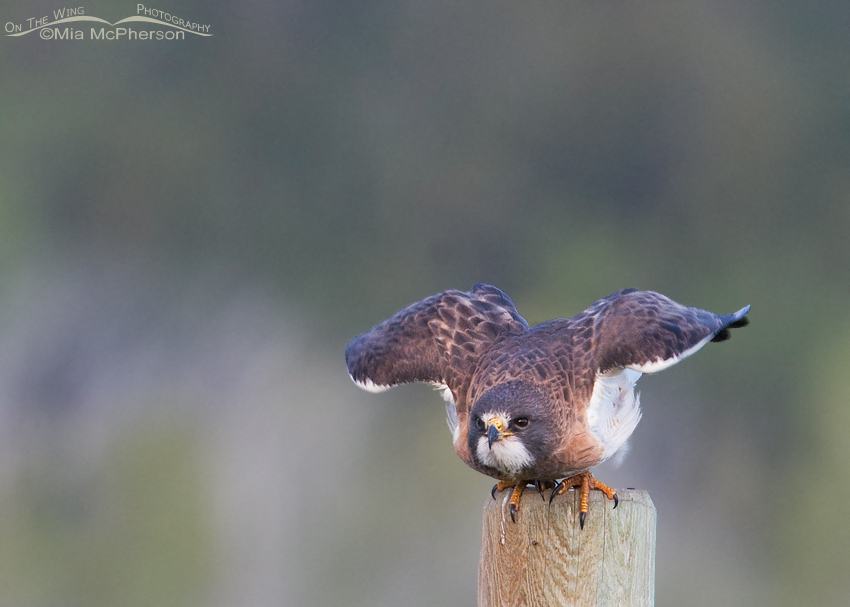
I wanted to share some bird lift off images today so I rounded up a few that showed different styles of lift offs.

I like to include habitat in my images when I am able to do so, especially when the habitat doesn't obstruct the view of my subject or when the habitat helps to define a sense of place.

In early June while in western Montana there was a pair of Wilson's Phalaropes on a small, privately owned pond near a gravel road foraging for prey that I couldn't resist photographing.

It won't be long before I start seeing juvenile Willets that are about the size of the one pictured here.

I've been enjoying seeing Long-billed Curlews for several weeks now in northern Utah. These large shorebirds birds are also called "Candlestick birds" and "Sickle Birds" because of their long bills.

There are two subspecies of Willets which Western and Eastern, here in Utah I only see the Western subspecies but in Florida I could see both during the course of a year.
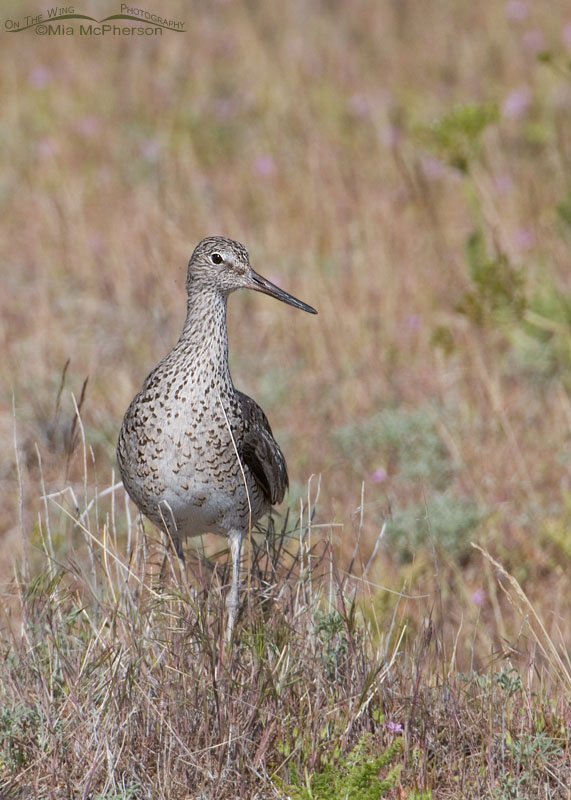
Just a simple Willet image today that I took on Antelope Island State Park earlier this month.

Last week; while fighting off a bloodsucking cloud of no-see-ums, I was able to photograph this male Long-billed Curlew as it flew past me.
Besides, to have gotten any lower than the Semipalmated Plover I would have had to have crawled down the burrow of one of those crabs

It really isn't too hard to spot this Spotted Sandpiper on the seawall, I just thought it was a catchy title. I saw my FOY (first of year) Spotted Sandpiper this past week and that got me excited.

The Willets are moving into their nesting territory on Antelope Island State Park and I am excited about that. What I am not excited about is that the biting gnats (no-see-ums) are back too.

Among the shorebirds I enjoyed seeing and photographing while I lived in Florida were Hudsonian Whimbrels, I could see flocks of 25 or more during the winter along the coast.

Five years ago today I was laying in the warm wet sands of Fort De Soto County Park's north beach as the salty water from the Gulf of Mexico soaked my skin while photographing a Ruddy Turnstone doing what they do best, turning things.

Even though I only got out to photograph birds three times this week each of the days I did get out were very memorable!

I wanted to share a few more of the Mountain Plover images I took which are a lifer bird for me as well as being rare in Utah.

What I saw through my lens was a Mountain Plover, a bird I have long dreamed of seeing. A rarity here in Utah.

American Oystercatchers were among my favorite shorebirds to photograph at Fort De Soto County Park's north beach when I lived in Florida.

Early morning light is a delight and adds a nice mood to images like this one of a Willet in flight.
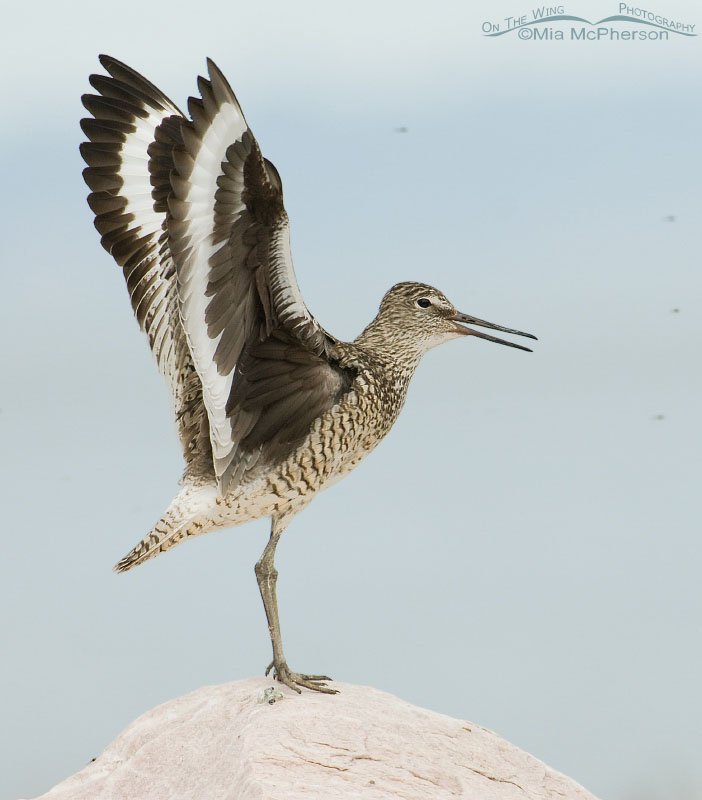
March is a month when I begin to anticipate the arrival of Willets, I have been listening carefully for them and hoping to catch sight of them along the causeway to Antelope Island any day now.