Ring in the New – Happy New Year 2014
2013 was a busy, productive although sometimes frustrating year. I spent lots of time camping, immersing myself in nature, photographing birds, animals and scenery.



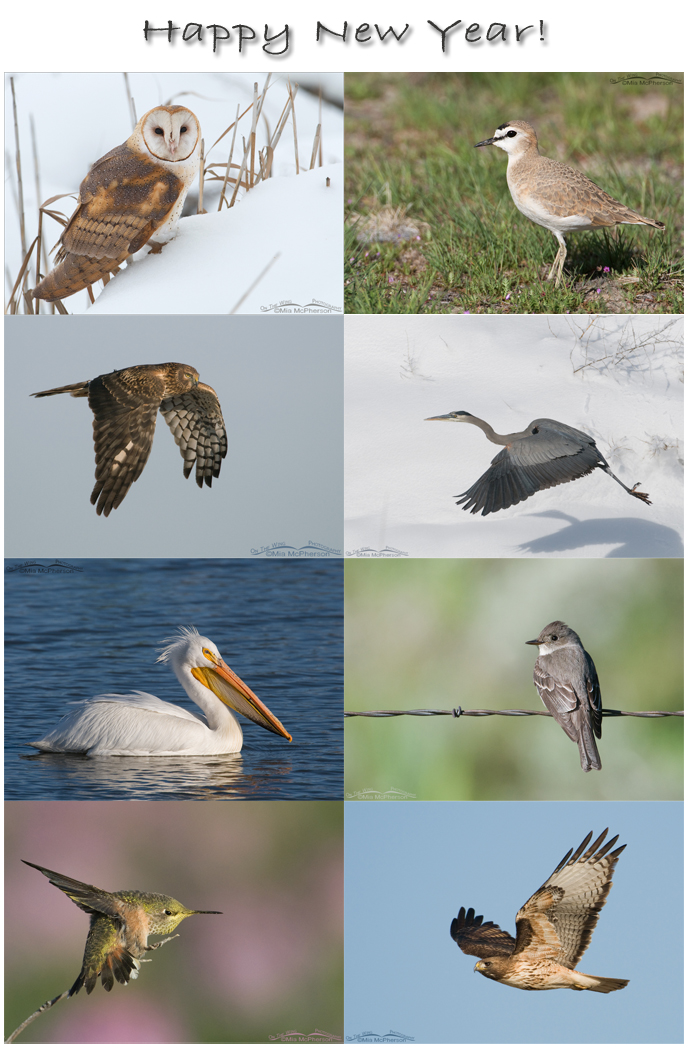
2013 was a busy, productive although sometimes frustrating year. I spent lots of time camping, immersing myself in nature, photographing birds, animals and scenery.

Seeing the tail end... of 2013 on this last day of December.

While photographing Barn Owls last January I caught a small movement out of the corner of my eye and noticed a Song Sparrow foraging for seeds on the snow covered ground.

Two years ago I photographed this male Short-eared Owl in Glacier County, Montana on a fence post on the perimeter of some CRP (Conservation Reserve Program) land on an August evening.
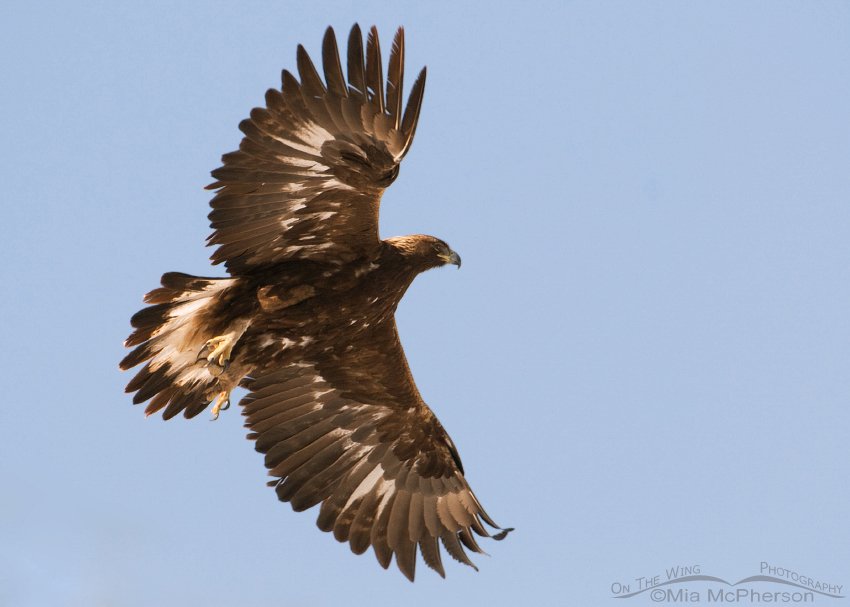
I have had so many opportunities with Golden Eagles and each time something goes wrong.

Rough-legged Hawks are among my favorites of the raptors that over winter in the Salt Lake Valley of Utah because I only see them at this time of the year while they wait to head back to the subarctic and Arctic to breed.

Last week I did a post on the many nicknames used for Barn Owls and among them was "Ghost Owl" and for some reason when I first looked at this frame I thought the blurred wings did make it look "ghostly".

Happy Holidays - White Crowned Sparrow
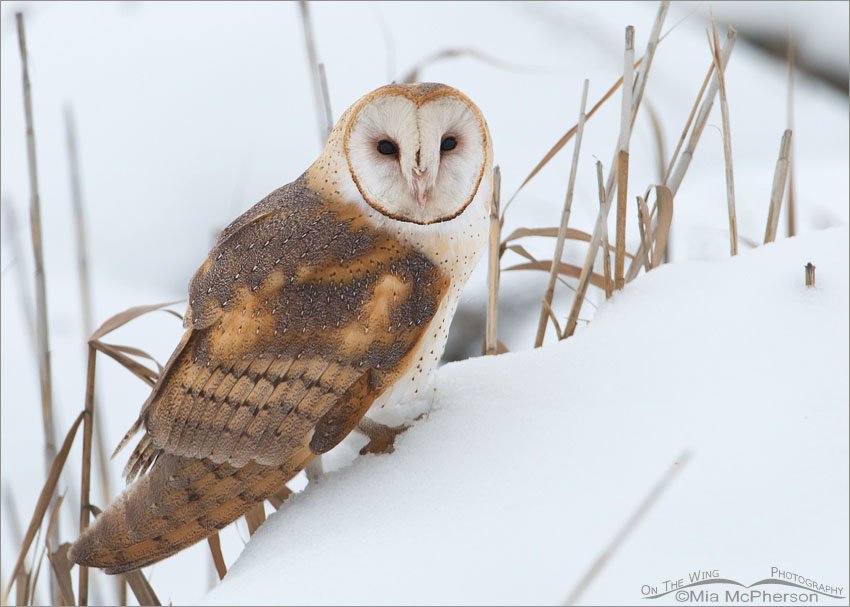
I spotted this beautiful American Barn Owl on a snow bank yesterday along the side of a dirt road at Farmington Bay Waterfowl Management Area in northern Utah.

I couldn't find Ten Lords a Leaping to photograph or in my archives but did locate one Gray Ghost a Leaping which tops the Lords for this bird photographer.
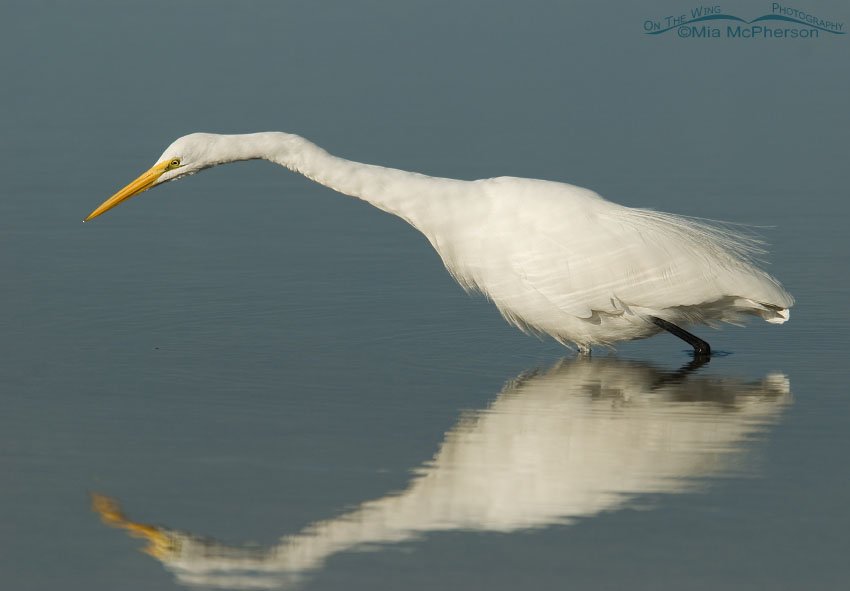
Just a simple Great Egret hunting in a quiet tidal lagoon today that takes me back to warmer memories spent with good friends on Florida's Gulf Coast.
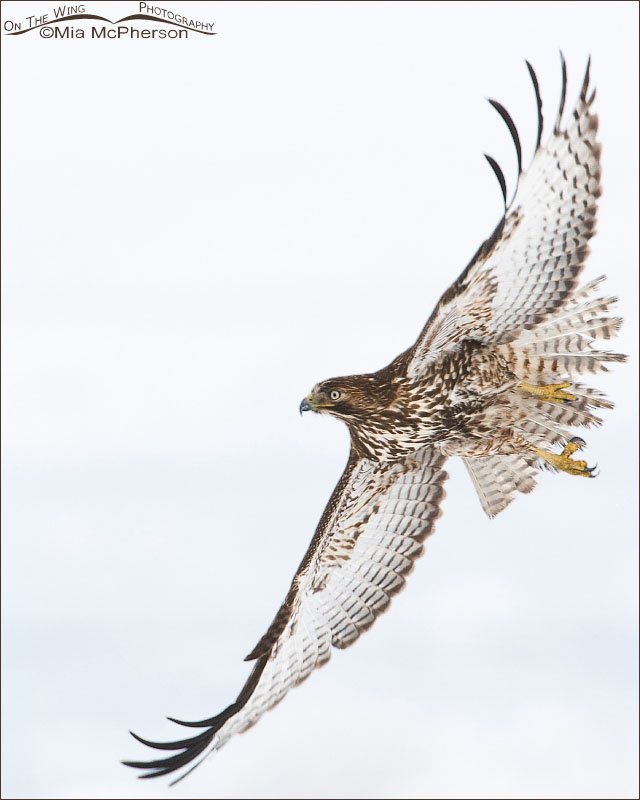
This Red-tailed Hawk image was taken just after the juvenile lifted off from the nest box and while I love the pose I do wish the light had been a bit better.

I prefer using the common name "Barn Owl" because that is most likely where I first saw one because I started my life out as a farmer's daughter and saw plenty of barns.

Patience is absolutely a must for bird photographers and it doesn't hurt to throw a little crazy in the mix too. Spending two hours in freezing temps to photograph a bird might be a little crazy.

It might look like this Great Blue Heron is hacking up some type of fluid seen in between and to the left of its bill but that is actually a hunk of ice attached to the heron's breast feathers.

Male Ring-necked Pheasants are a bold splash of rainbow colors against the white snow laying on the ground right now at Farmington Bay Waterfowl Management Area.

The American Kestrel had just finished devouring a small bird of some sort, I really couldn't tell what it was because there were only a few small feathers left by the time I spotted the tiny falcon and when we stopped to photographer her.

Common Goldeneyes are diving sea ducks that over winter in the Salt Lake Valley where I see and photograph them at Bear River National Wildlife Refuge, along the causeway to Antelope Island State Park and at Farmington Bay Waterfowl Management Area.
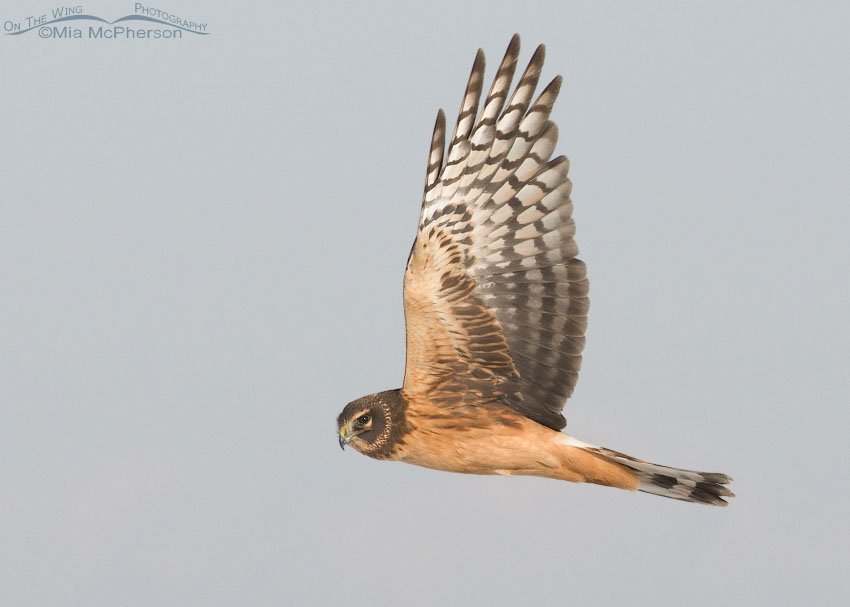
Eye color can be used to sex juvenile Northern Harriers, brown for juvenile females and yellowish for the males and this harrier is a definite brown-eyed beauty.
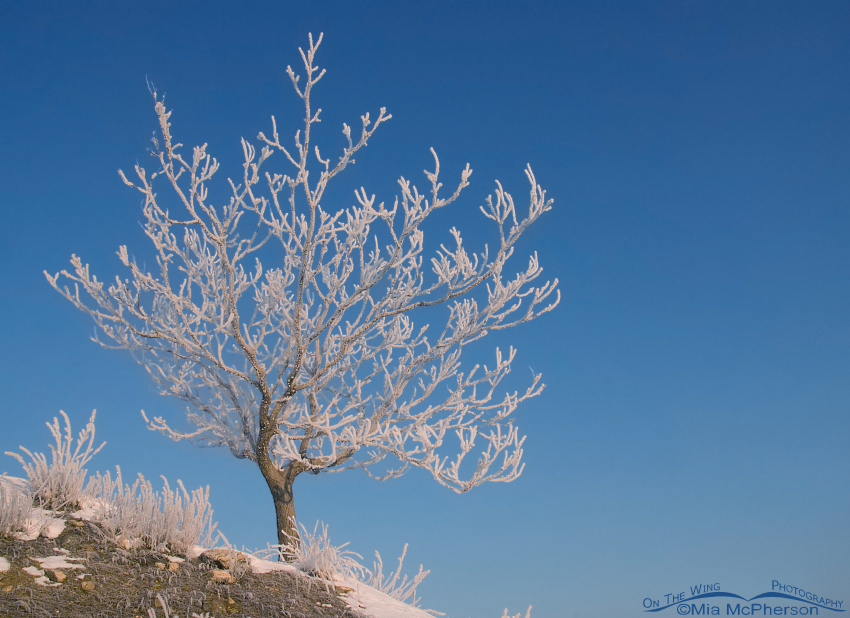
I have mentioned in recent posts that winter can be harsh in the Salt Lake Valley in posts with images I had taken at Farmington Bay Waterfowl Management Area so I wanted to share these two images taken there yesterday.

One of the food items that White-crowned Sparrows depend on during the harsh winters in Utah are the fluffy seeds of the Rabbitbrush that can be covered in hoar frost.
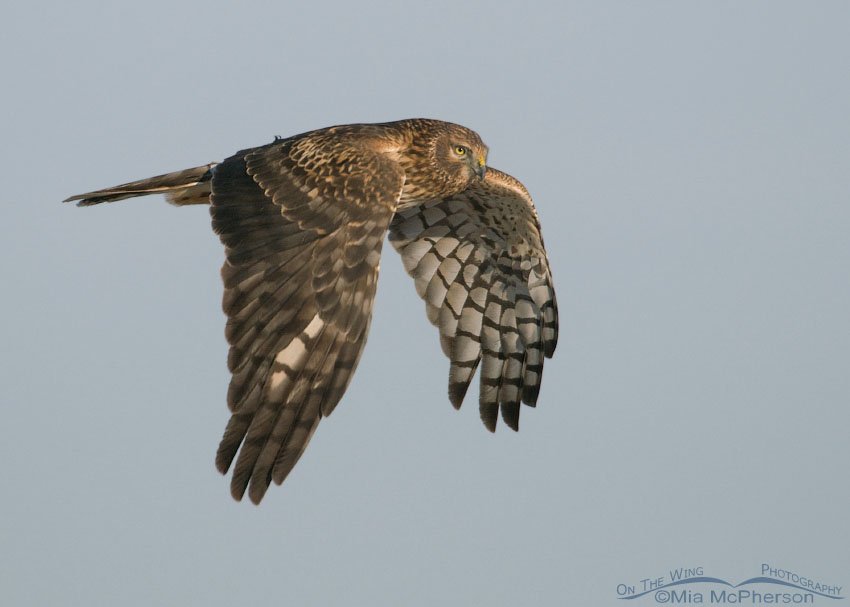
While I was photographing some ducks and grebes yesterday I spotted this female Northern Harrier in flight coming in from the south and when she flew over the water I was able to get a series of images of her against the sky.
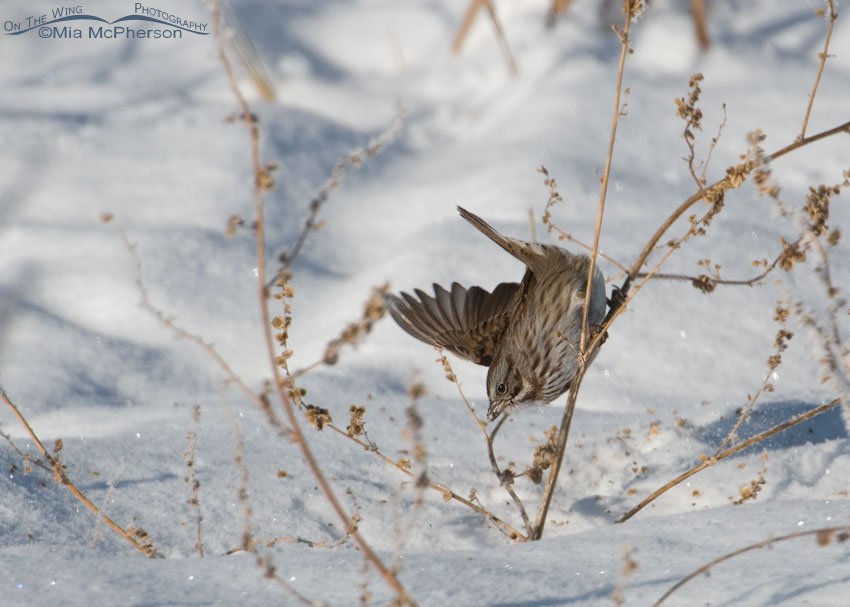
Yesterday the lowest temperature I saw at Farmington Bay Waterfowl Management Area was -12F which reinforces the thought that "bird photography isn't for everyone" and that winters in Utah are hard on the birds.
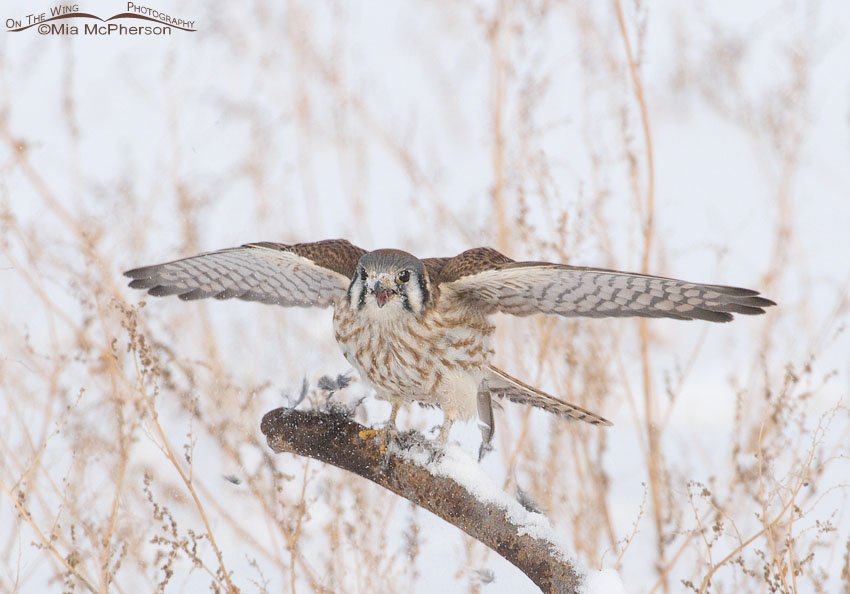
I normally see American Kestrels with voles as prey but seeing her with the American Pipit once again showed me why American Kestrels used to be called Sparrow Hawks which is why some people probably still use that name.
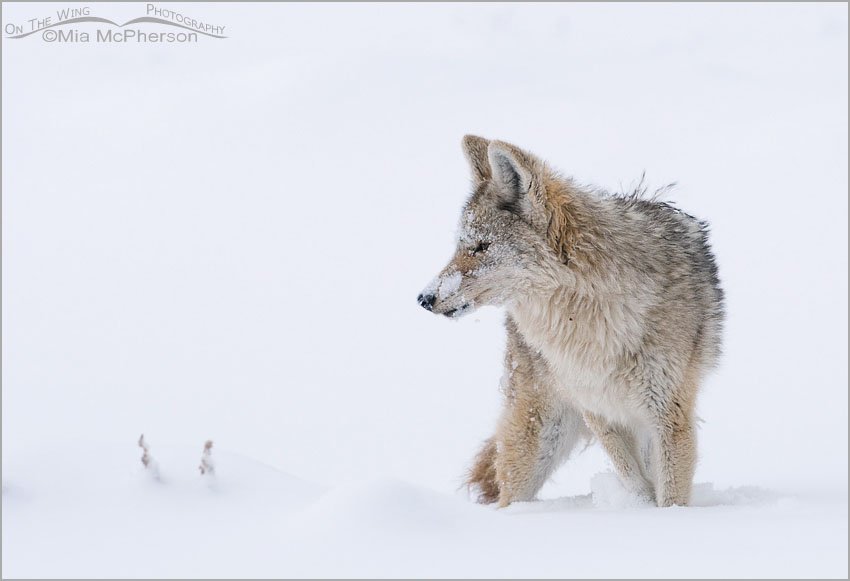
All of the snow we have now reminded me of being on Antelope Island State Park last January and photographing birds and Coyotes in near whiteout conditions.
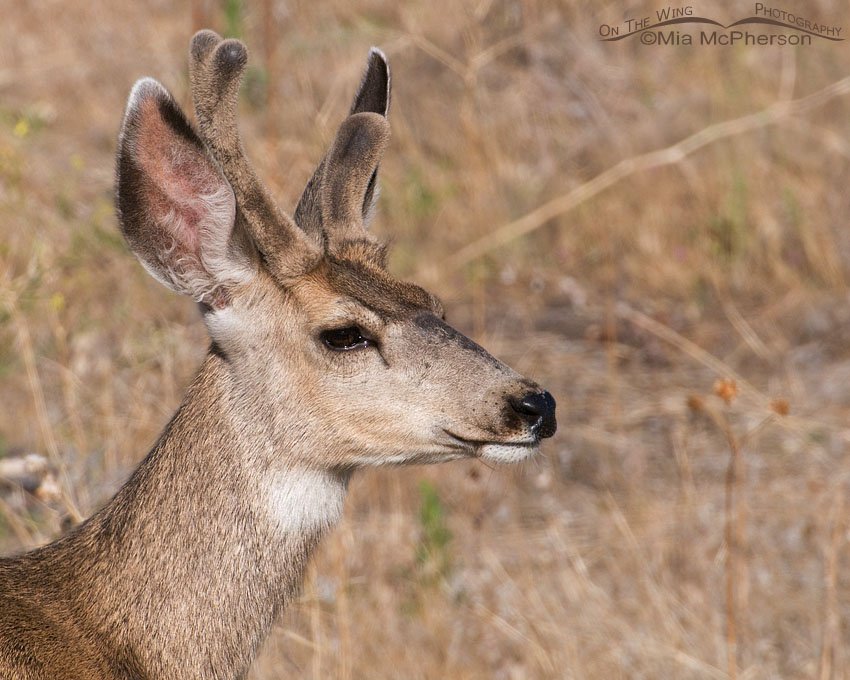
I like this atypical Mule Deer because he isn't typical instead he is different, he stands out.
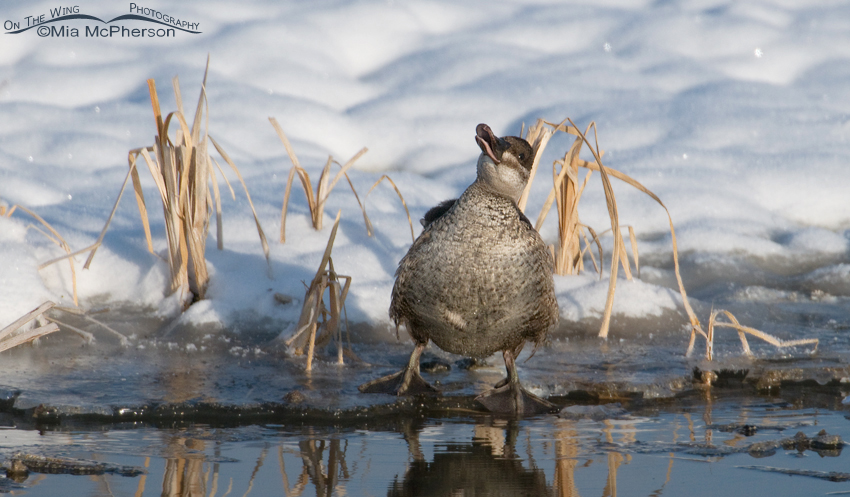
Some times when I open a photo I took I can't help but laugh for various reasons, in this case when I opened the file the pose of this Ruddy Duck female just "quacked" me up.

Waves, warm sand, a camera in hand and a Tricolored Heron. Such simple things but they bring such great pleasure.
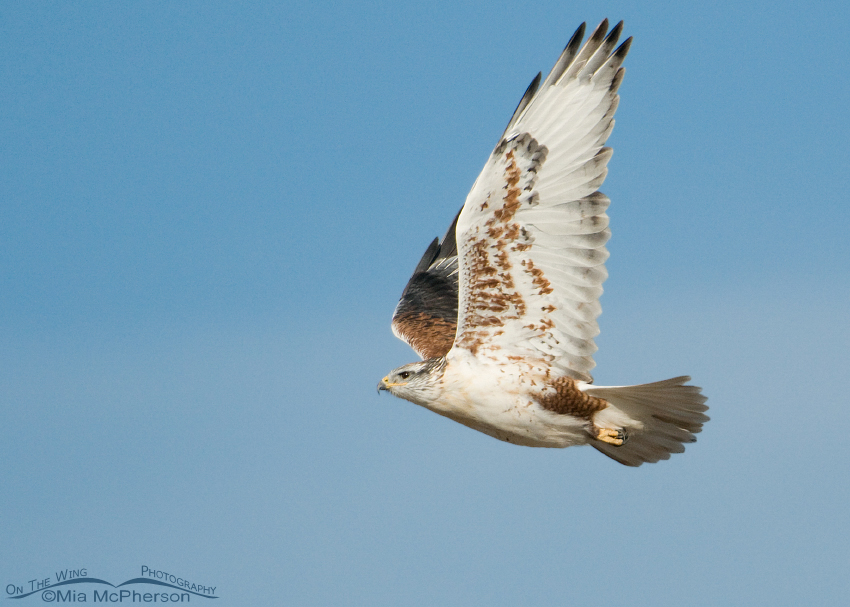
Ferruginous Hawks are the largest hawk in North America which are only found in Canada and the United States and recent DNA analysis suggests that Ferruginous Hawks may be closer to Eagles in taxonomy than that of a hawk.

Eight months ago I spotted two Mountain Plovers on Antelope Island State Park and I am still blown away by seeing and photographing those beautiful shorebirds who are uncommon in Utah.