Reddish Egret At Low Tide
This adult Reddish Egret was going into breeding plumage, it has the pink and black bi-colored bill and the lores are turning bluish purple.



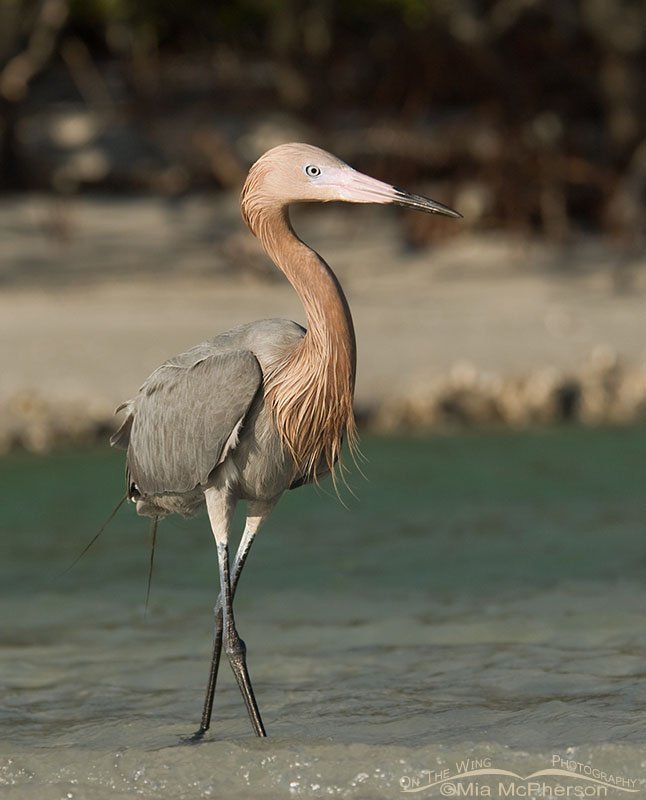
This adult Reddish Egret was going into breeding plumage, it has the pink and black bi-colored bill and the lores are turning bluish purple.
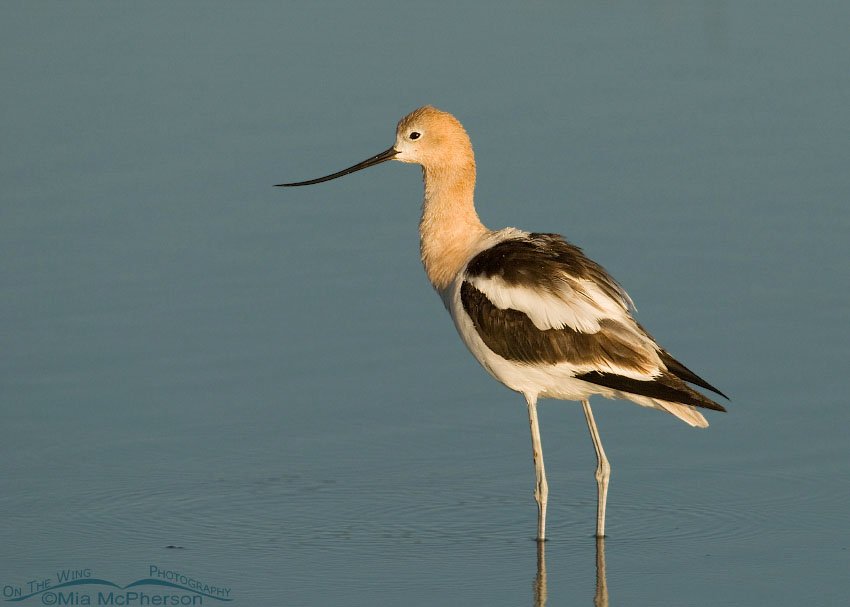
I photographed this American Avocet in nonbreeding plumage as it foraged in Glover's Pond at Farmington Bay Waterfowl Management Area in northern Utah a few years ago in the month of November.

Not that long ago Common Gallinules (Gallinula galeata) were called Common Moorhens (Gallinula chloropus), it will take me some time to get used to the new name.

Fluffy Great Horned Owl fledgling + knotty weathered wood + large yellow eyes = Wonderful!
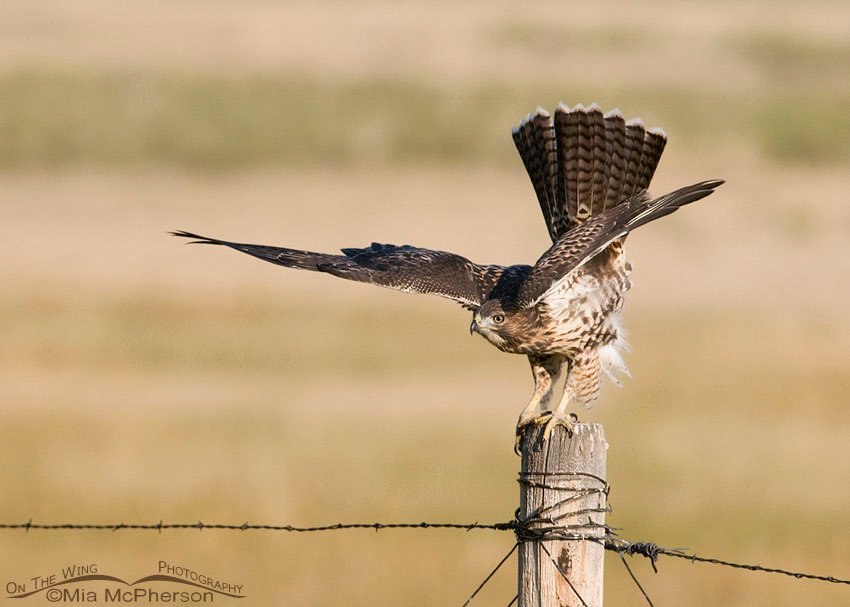
Some images strike my funny bone, this juvenile Red-tailed Hawk photograph sure has. This is but one of many captions that came to my mind after viewing it.

This image could have been better. I have no doubt about that. I did get the exposure right and I like the action. But there are far too many things about this photo that just don't work.
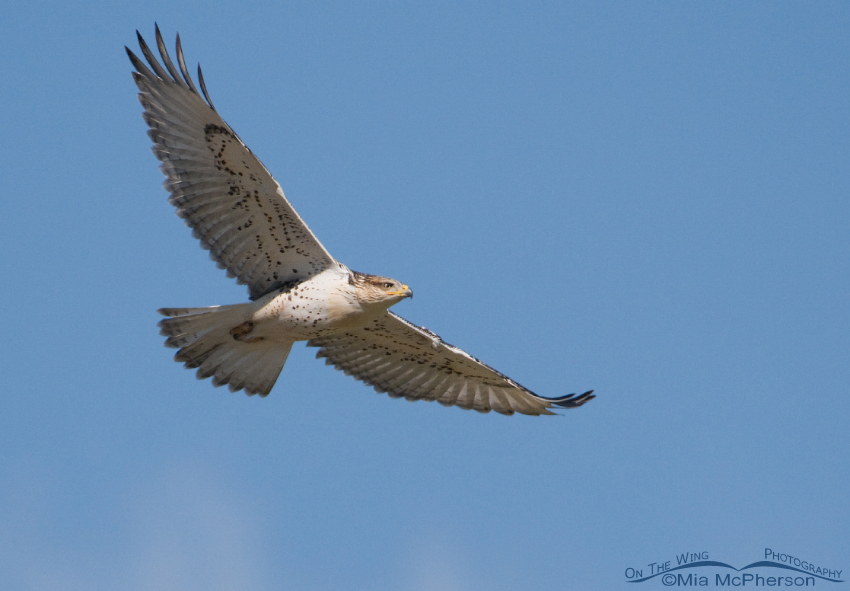
Ferruginous Hawks are the largest hawks found in North America. They inhabit low elevation, open areas in the western United States and some locations in southwestern Canada and winter in southwestern US and Mexico.

Ruddy Turnstones in breeding and nonbreeding plumage can appear to be two different species to novice birders and bird photographers as can several other bird species.

Dunlins exhibit a vast difference between nonbreeding and breeding plumage, so different that a novice birder might mistakenly believe that they were two different species.

This Short-eared Owl image was taken just a little over a year ago in Glacier County, Montana. I still remember how cooperative this male was, the gorgeous golden light of the setting sun and the great location.
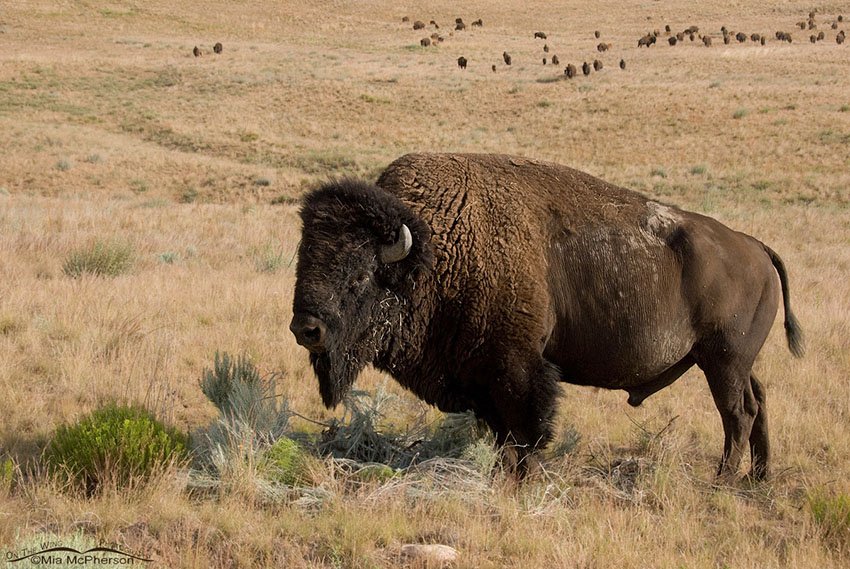
During the heat of summer the Bison on Antelope Island State Park wander down from the hillsides to the freshwater springs on a daily basis, can't say I blame them because it has been plenty hot here.
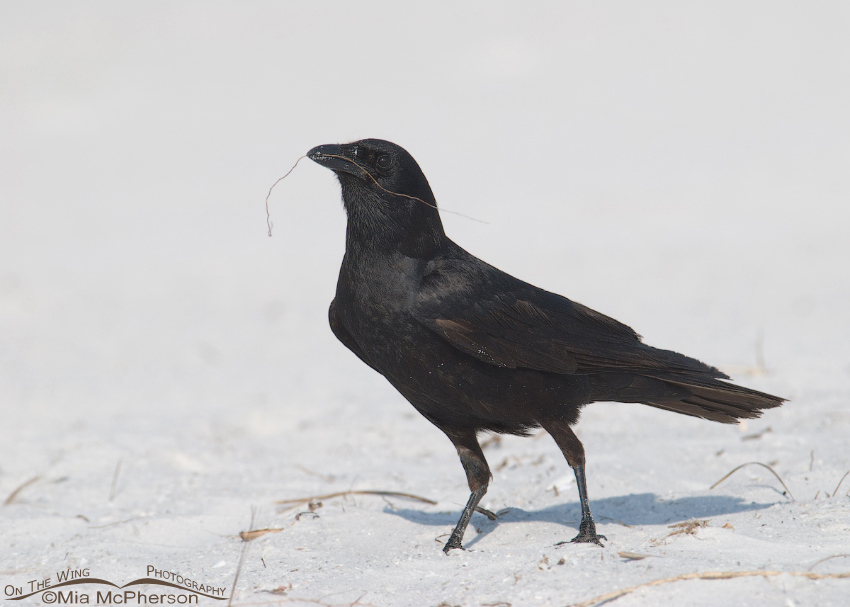
I was going to do a simple post about this image of a Fish Crow with a young Gopher Tortoise in its bill that was taken on Egmont Key State Park (also Egmont Key National Wildlife Refuge), an island located just to the west of Fort De Soto, Florida.

I simply could not resist posting this gorgeous Coyote pup that I photographed today even though I posted another one recently. I loved the look the pup was giving me, the warm, beautiful morning light and wonderful prairie setting.
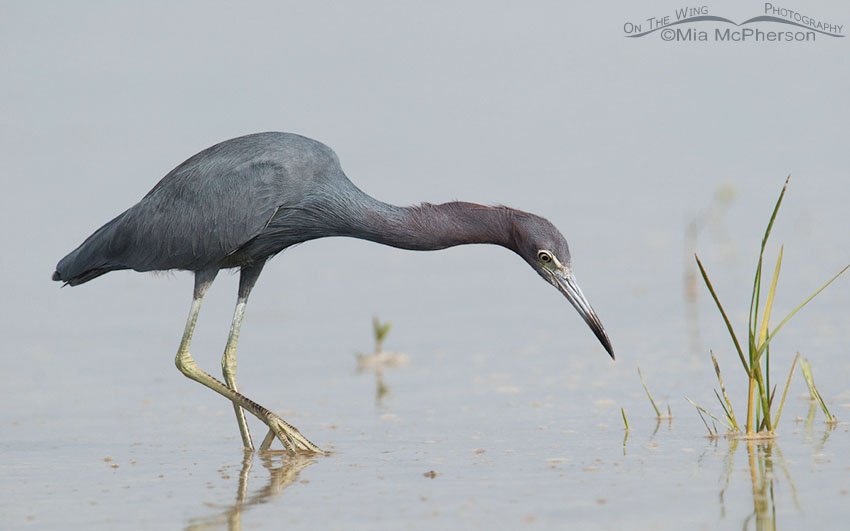
This Little Blue Heron (Egretta caerulea) was photographed in Florida as it hunted for prey in a shallow lagoon the edge of a marsh in late afternoon light.

I like the ribbons of different shades of blue in this image and even though the Semipalmated Plover (Charadrius semipalmatus) is small in the frame it stands out well from its habitat.
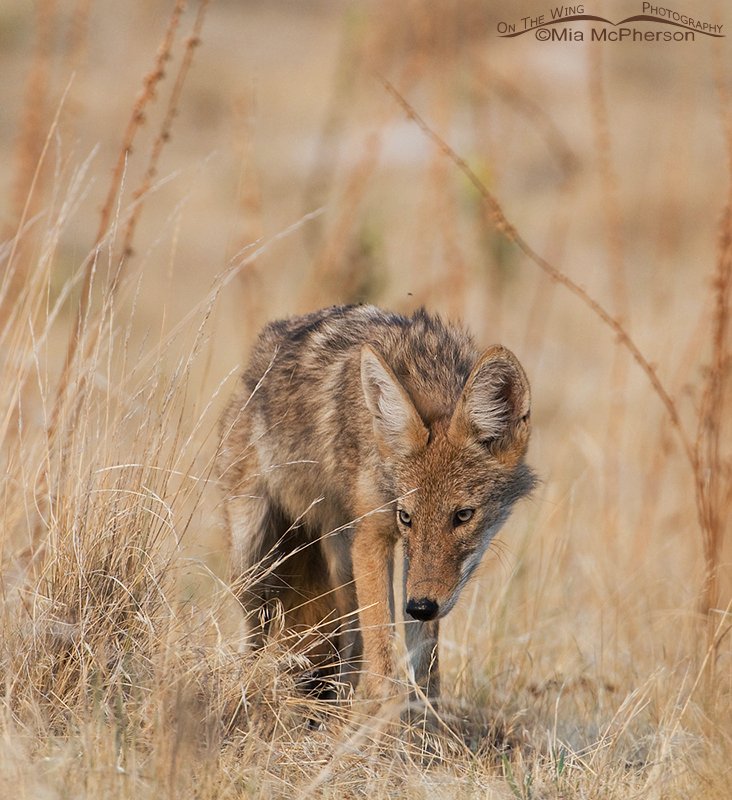
It might have been slow on Antelope Island State Park yesterday as far as birds go but it was a Coyote kind of day with 9 as a total tally for just a few hours spent on the island.

Why would a Moose (Alces alces) kiss a Porcupine? I'm really not sure, perhaps this Moose cow was curious about a slow-moving Porcupine on the ground and got a touch too close.
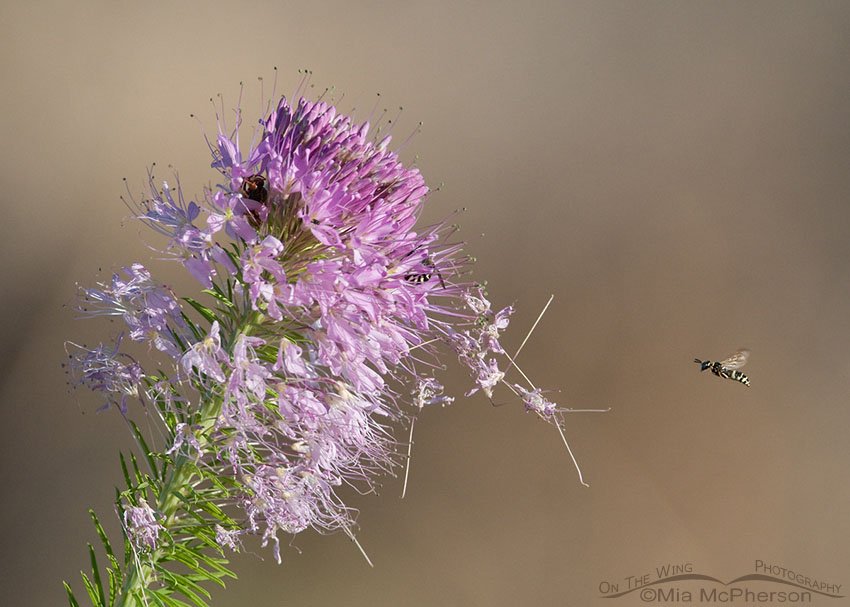
Rocky Mountain Bee Plants (Cleomella serrulata) are one of the wildflowers that are currently in bloom on Antelope Island State Park in some locations, they aren't as widespread as the Moth Mulleins so I treasure finding them.

Wood Storks (Mycetaria americana) are the largest wading bird in North America and the only stork that breeds in the U.S.. Wood Storks are considered endangered primarily due to loss of habitat.

On the day that I photographed this Laughing Gull either Hurricane Ike or Gustav was out near the center of the Gulf of Mexico that was churning up the water

Least Sandpipers (Calidris minutilla) are the world's smallest shorebird, weighing in at a mere 0.7 ounces (20 g), a length of 6 inches and a wingspan of 13 inches.
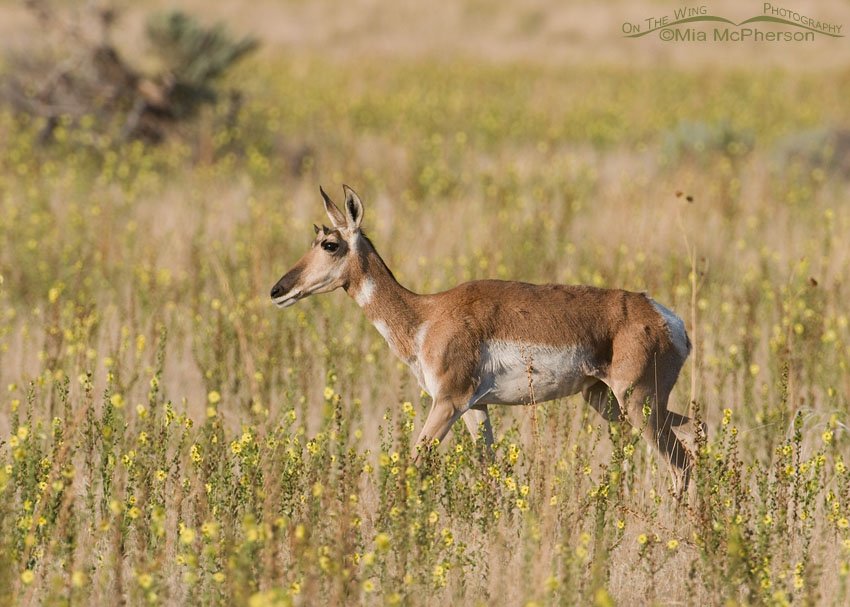
I haven't posted a Pronghorn (Antilocapra americana) for a while and thought I would share this one taken earlier this week on Antelope Island State Park in northern Utah today.
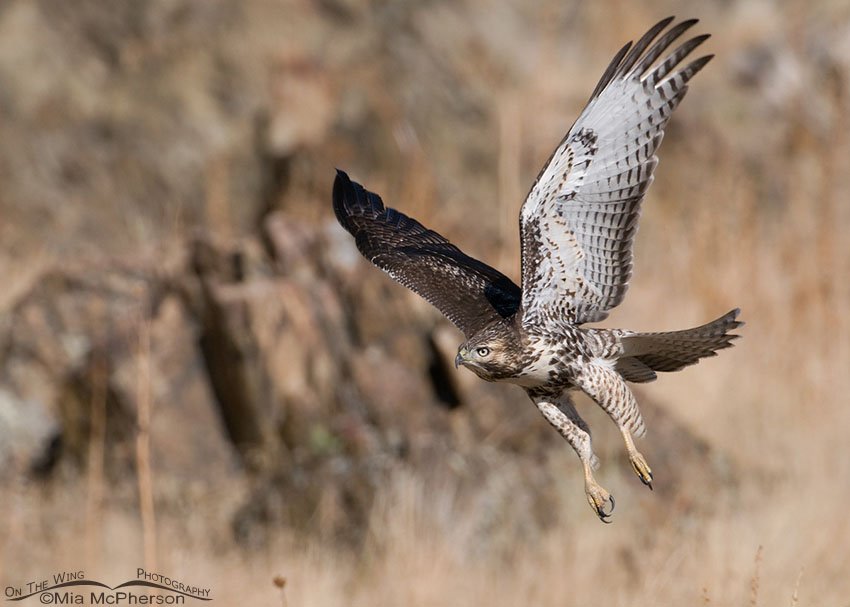
After having driven around the north end of the island we headed south thinking there probably wouldn't be much to shoot there... until I spotted this juvenile Red-tailed Hawk perching on some of the darker rocks on the island.

This Great Blue Heron got up close and personal with me a few years ago in Florida, it largely ignored my presence altogether as it stalked prey on shore of the Gulf of Mexico.
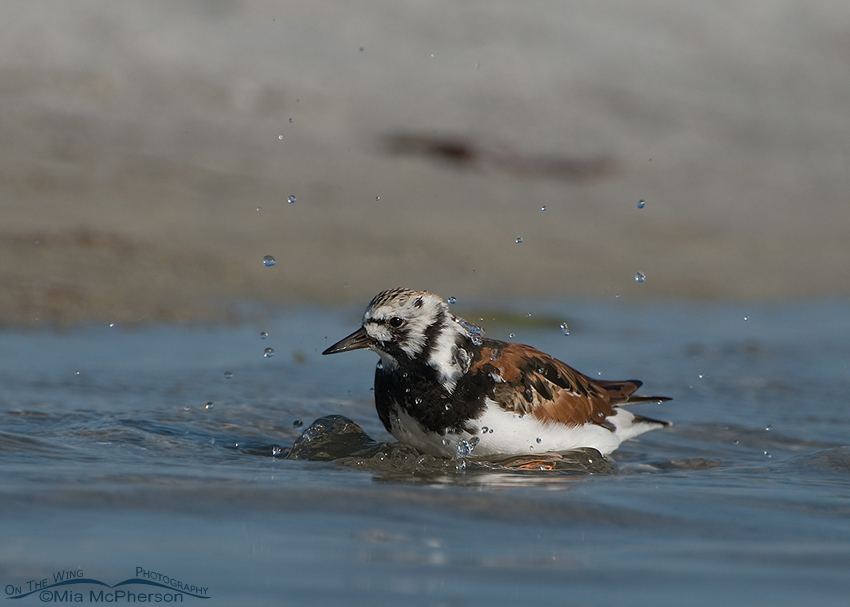
This Ruddy Turnstone (Arenaria interpres) image was created several years ago at Fort De Soto County Park's north beach in central Florida.

On my mid-July journey to southwestern Montana it seemed like there were juvenile hawks every where I looked, the east and west side of the Centennial Valley and the south and north sides too.

I believe these are Silvery Lupine (Lupinus argenteus), taken on my recent trip to southwestern Montana using my bird setup to do a close up image.

These images were taken at Red Rock Lakes National Wildlife Refuge in southwestern Montana. There were two juvenile Willets plus an adult on the shoreline of the lower lake that delighted me.
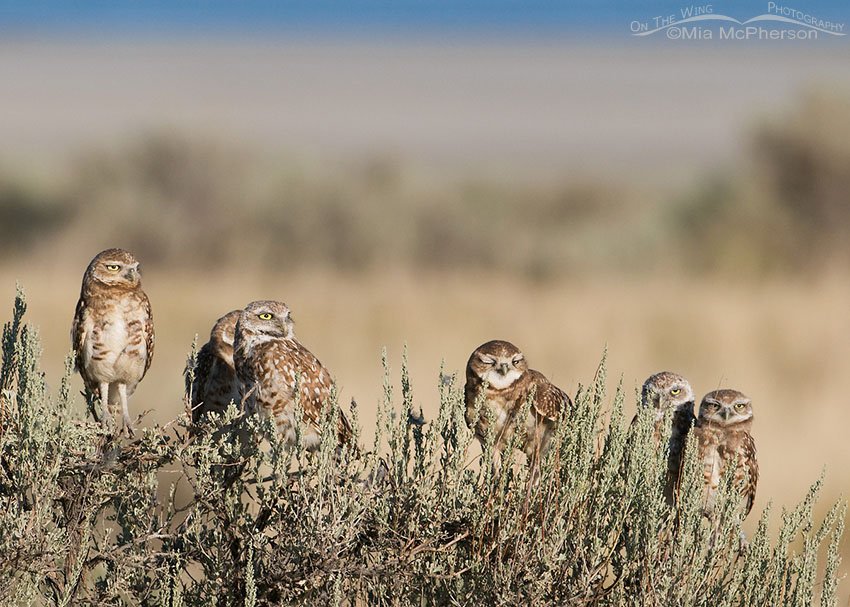
I should mention that not all of the Burrowing Owls from this family are shown in this frame, there are possibly 4 more owlets that aren't perched on the sagebrush
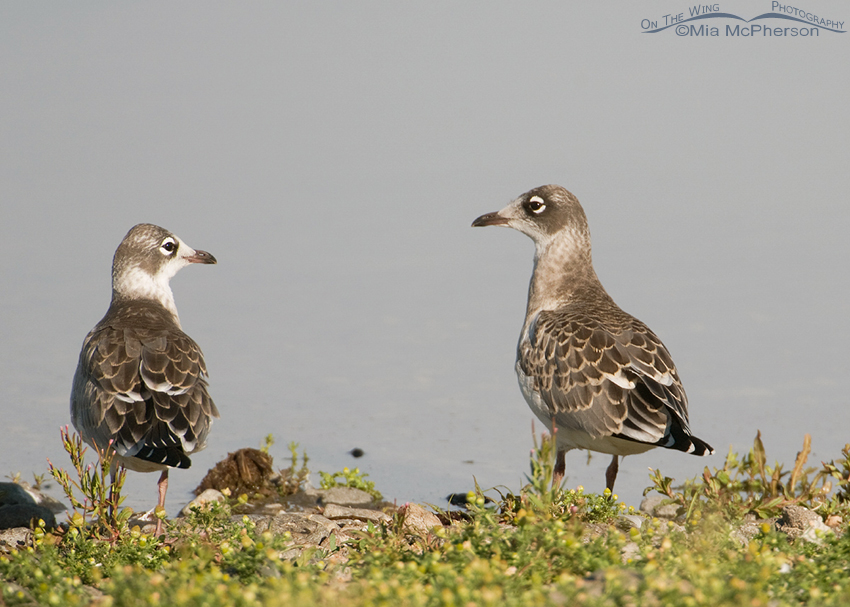
I like gulls, I know that gulls are not always a popular subject for many bird photographers and that they will often pass them by but to me they are as delightful, beautiful and fascinating as any other bird.