Long-billed Curlew Wing Lift in Motion
I had some fun with this Long-billed Curlew yesterday after the clouds thinned and the sunshine fell consistently on Antelope Island State Park.



I had some fun with this Long-billed Curlew yesterday after the clouds thinned and the sunshine fell consistently on Antelope Island State Park.

For every Mom everywhere

Yesterday this Long-billed Curlew preened, fluffed, shook and called on a pile of pooh.

I'm sharing a simple Semipalmated Sandpiper image today that I photographed at Fort De Soto's north beach back in May of 2009.

One thing I know for certain is that we can't drink dust.

I was surprised to see this Marbled Godwit on the island but over the years I have learned to expect the unexpected whenever I am out photographing birds!

This Whimbrel wasn't reacting to my presence when it exhibited this threat display instead it was reacting to the presence of two other Whimbrels that are outside of the frame.
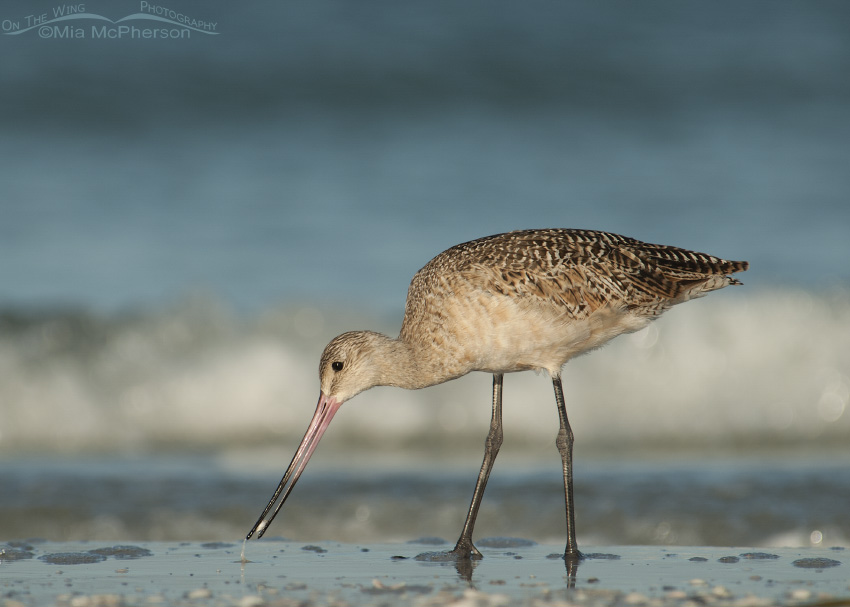
Marbled Godwits are migrating through Utah on their way to their breeding grounds right now so I thought I'd feature this one on my post today.

I have often written how I long to hear the first Long-billed Curlew in the spring but I feel I should mention that I also anxiously await the first calls of migrating Willets too.
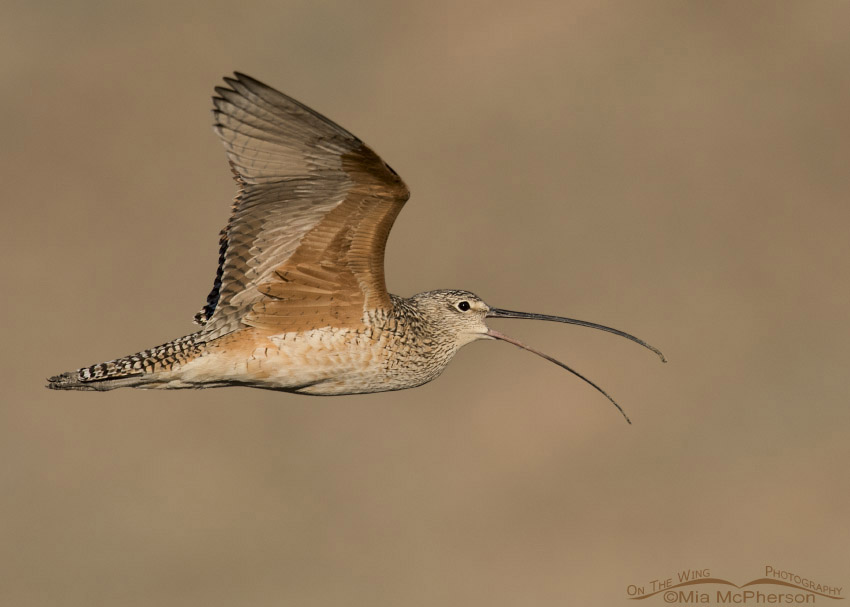
Long-billed Curlews will nest on the island in the grasses soon but before then I look forward to watching their courtship displays both on the ground and in the air.
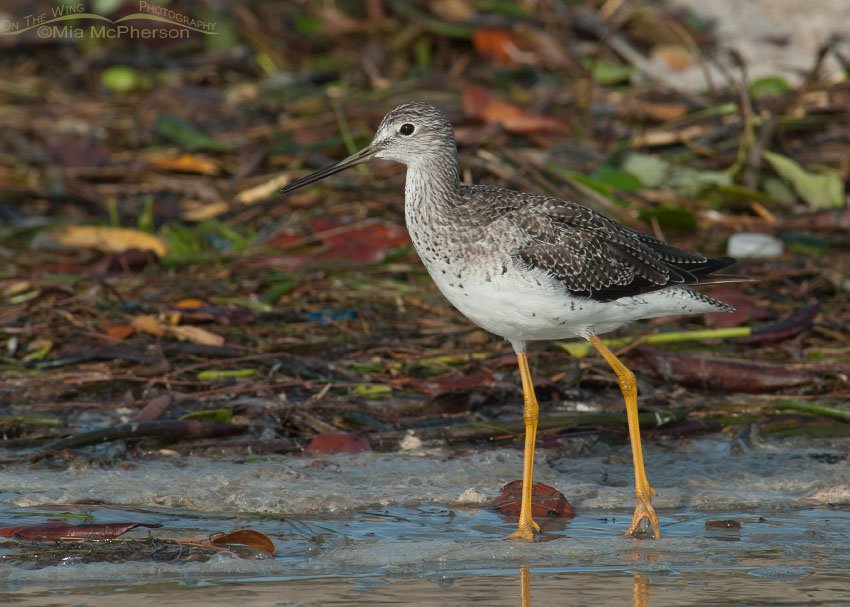
I get excited when spring arrives in Utah and the shorebirds return because they were my spark birds, they are what got me into bird photography

Two days ago I saw my first of the year Sage Thrasher and now I am hoping to see and hear my first of the year Long-billed Curlews as well.

When I photographed this resting Ruddy Turnstone male on the shore of the Gulf of Mexico in 2009 I knew it wouldn't be long before he migrated to a rocky arctic coast to breed.

It has been five and a half years since I photographed American Oystercatchers at Fort De Soto County Park in Florida and oddly enough I still dream about these shorebirds.

When I lived in Florida I was able to see and photograph two of our largest North American shorebirds during winter which are Whimbrels and Long-billed Curlews.

Shorebirds. They were what sparked my passion for bird photography. They were what drew me back to the Gulf Coast of Florida as much as I could be there.
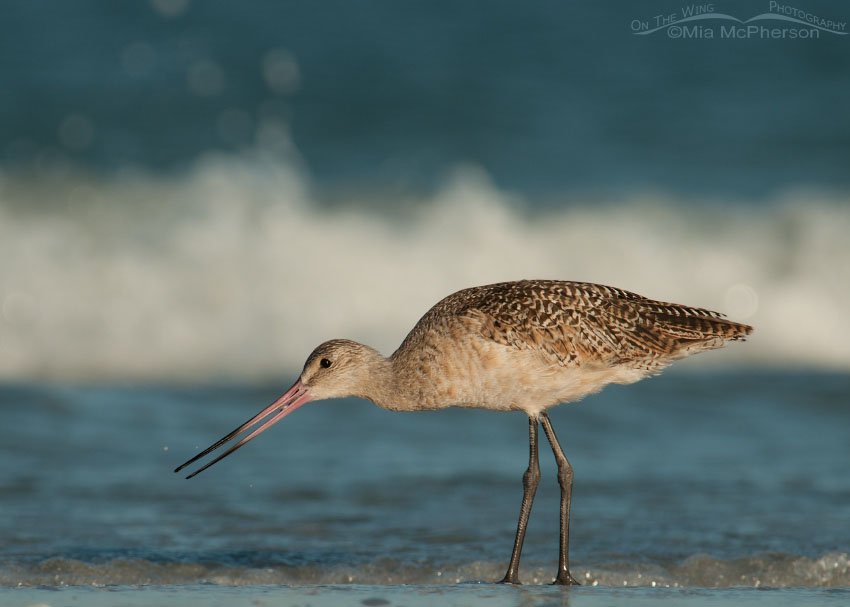
I have always thought of Marbled Godwits as graceful, elegant shorebirds and I still do.

Shorebirds are still migrating through the Salt Lake Valley and Farmington Bay WMA and there have been quite a few Greater Yellowlegs in the area.

This morning I wanted to keep my post simple and how much more simple could this image of a Semipalmated Plover with its eye on me be?
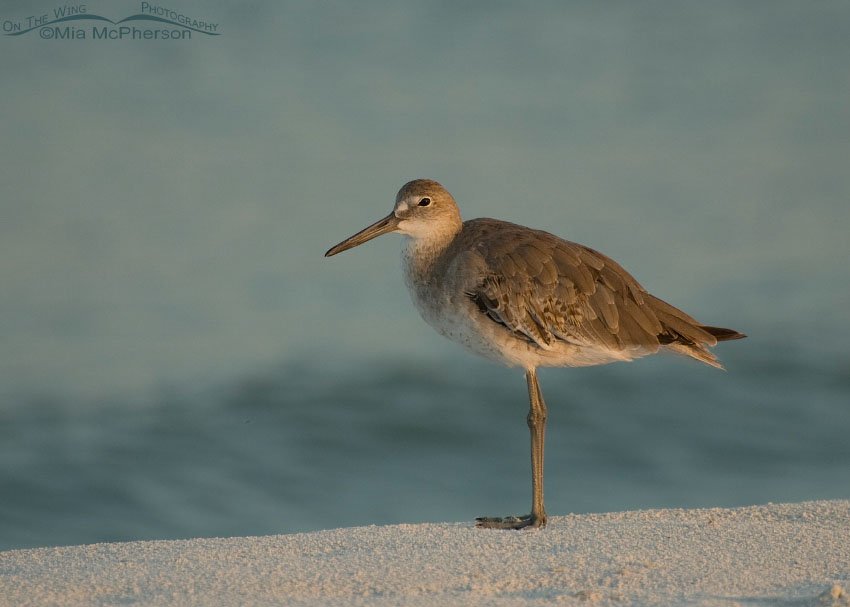
This Willet image was taken on August 12, 2007 which is now over seven years ago and I can easily recall how thrilled I was to photograph this shorebird.

These images of birds on the beach were taken at Fort De Soto County Park's north beach six years ago today on a beautiful morning.

Farmington Bay Waterfowl Management area is a great place to see Black-necked Stilts during the breeding season and to see their young later on.
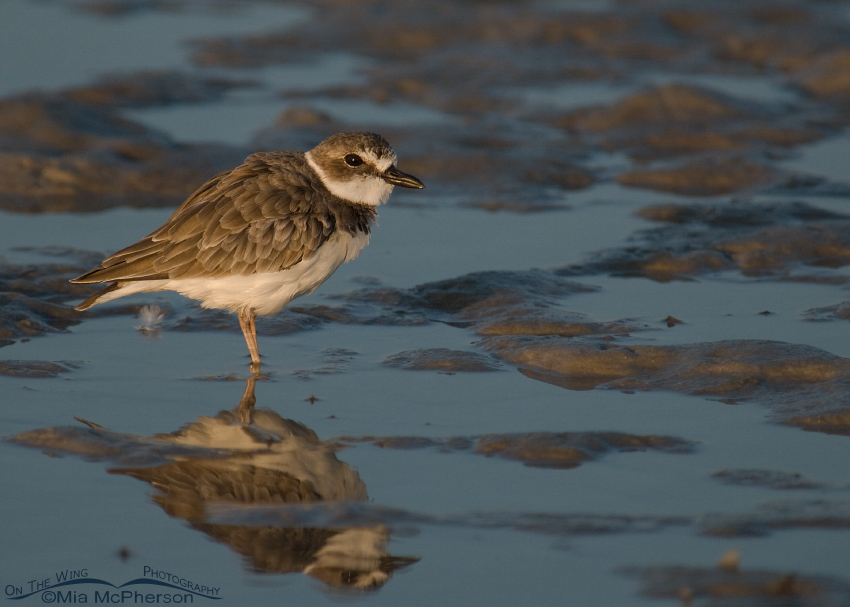
I was covered in mud after laying in the mudflat to photograph this Wilson's Plover and I didn't mind a bit.

American Oystercatchers are specialized in that their diet consists of bivalves and they do use that flashy orange bill to pry some of them open.

Shorebirds were my bird photography spark birds and they ignited the fire I have within me to go out into the field as often as possible to photograph all wild birds

Six years ago this morning I was photographing birds at Fort De Soto County Park and I wanted to share a few images and memories of that day.

I had an opportunity to photograph this juvenile Black-necked Stilt as it rested along the auto tour route at the refuge.
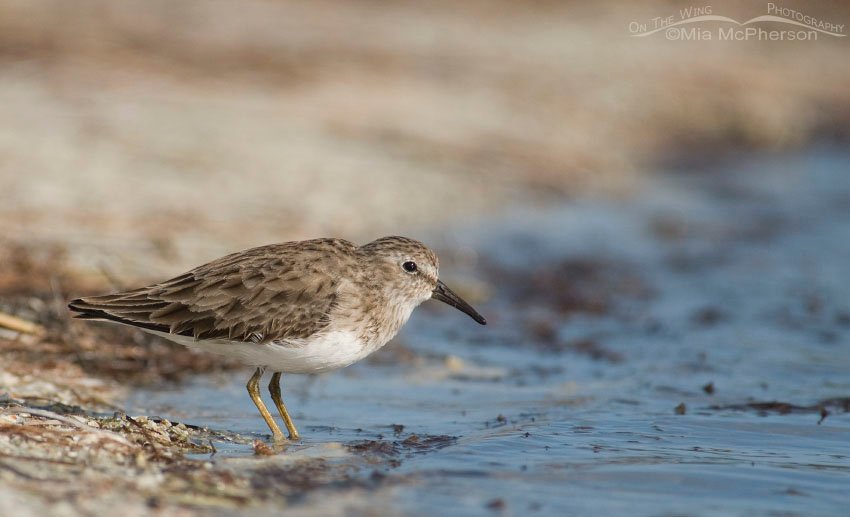
I came across this diminutive Least Sandpiper while photographing Greater Yellowlegs at a tidal lagoon at Fort De Soto's north beach in the fall of 2008.

I wanted to post a shorebird today that I haven't posted in a while so I picked this image where the late afternoon Dunlin gets the worm

Black-necked Stilts seem to have had great success this nesting season because there are so many juvenile stilts at Farmington Bay Bird Refuge right now.