Quartet of Sparrow Species
Lately I've been able to photograph 4 different sparrow species between Antelope Island State Park and Farmington Bay Waterfowl Management Area.


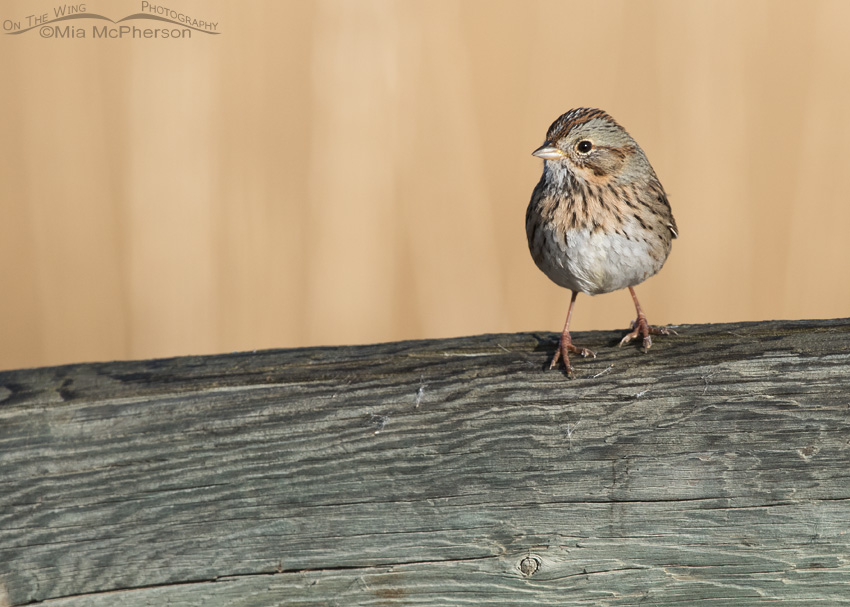
Lately I've been able to photograph 4 different sparrow species between Antelope Island State Park and Farmington Bay Waterfowl Management Area.
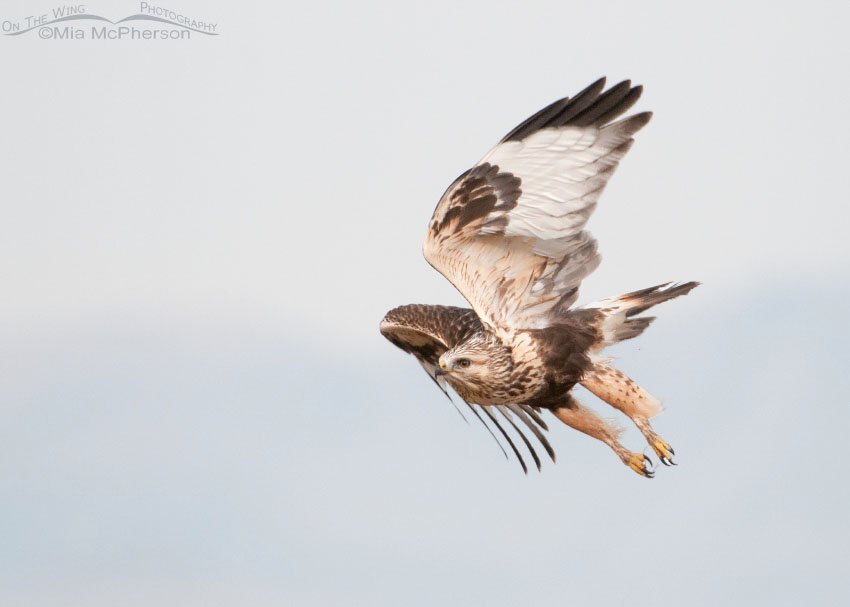
The day in 2011 when I photographed this Rough-legged Hawk was gray but it didn't really bother me to capture this handsome bird in low light.

So I missed out on seeing the Northern Harriers, Bald Eagles and American Kestrels at Farmington Bay WMA this morning but decided to post an older image of an immature Northern Harrier on the wing.

So, is this the year that the Grinch stole winter?

A little brown bird (LBB) popped into my view today that I couldn't resist photographing and it was this juvenile White-crowned Sparrow.

As common as Great Blue Herons are throughout North America I am always happy to photograph these prehistoric looking birds.
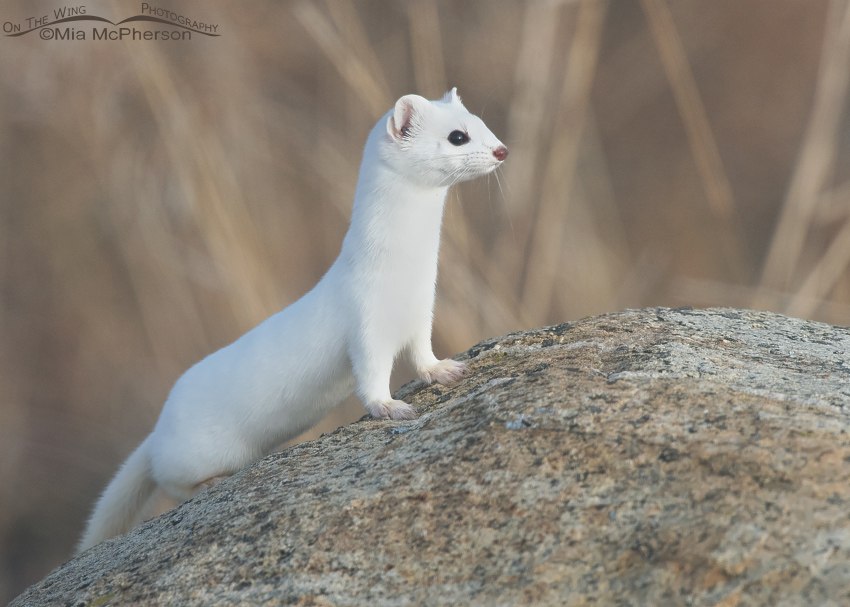
Today I spotted a Long-tailed Weasel in its winter coat but the light wasn't great and the whole area was socked in by fog.

In February of 2011 there was a first year Bald Eagle at Farmington Bay WMA that seemed totally unafraid and unconcerned about the people near it.
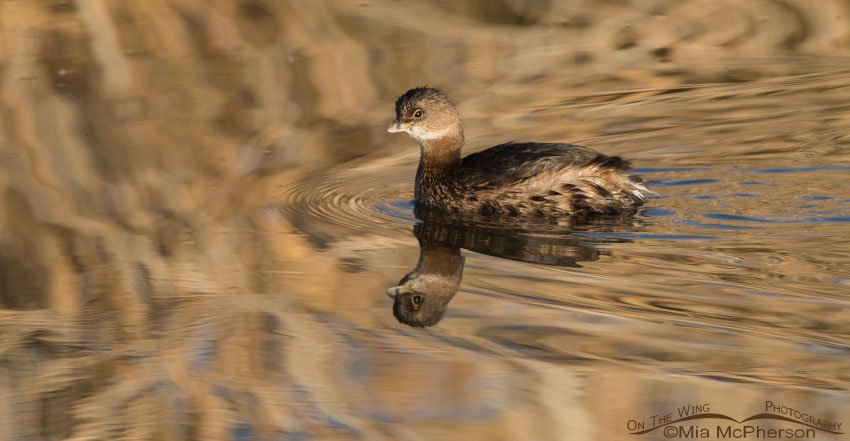
The golden reflections with just a hint of blue compliment the golden tones of the plumage of the Pied-billed Grebe.

I have started seeing Rough-legged Hawks again in northern Utah and that has me excited. I have seen them in Utah County and Davis County but I haven't gotten any quality photos of them yet

I could not resist photographing the young Red-tailed Hawk though as it lifted off and flew in front of me after prey even though conditions were not ideal.
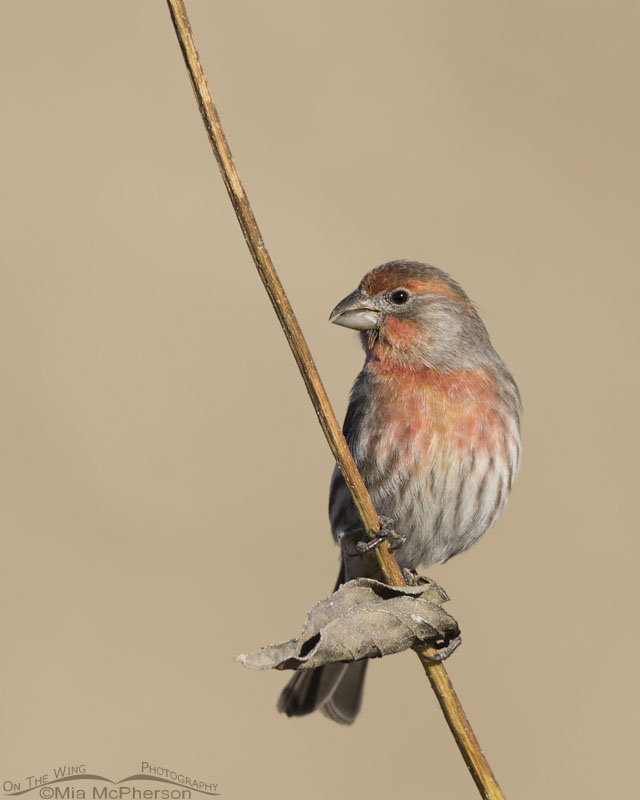
House Finches are fairly common birds throughout the U.S. Mexico and into Central America but they didn't used to be common in the eastern U.S.

Last December I photographed this Great Blue Heron as it hunkered down against the brutal cold at the edge of the water in a marsh.
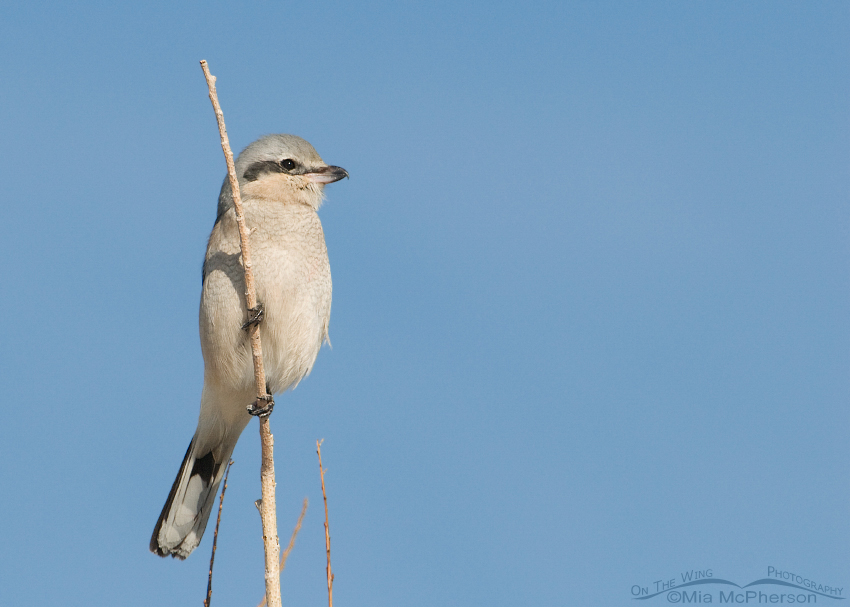
I write about the raptors I expect to see during the winter in Utah but there are also song birds I keep an eye out for too like this immature Northern Shrike.

Northern Harriers are year round residents in Utah and I am encouraged by the numbers of them I have seen lately at Farmington Bay WMA.
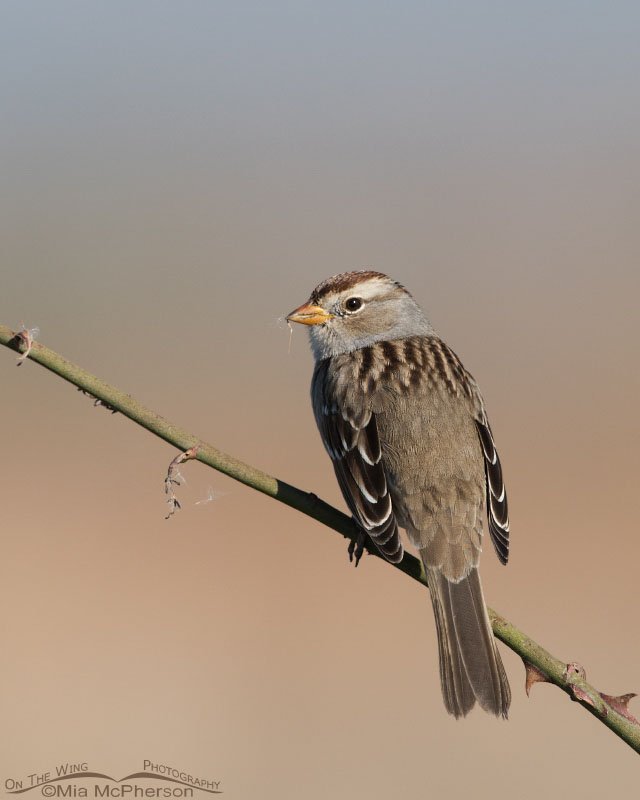
It was nice to get out yesterday morning and photograph a few birds including this juvenile White-crowned Sparrow perched on a wild rose.

When I lived in Virginia I could almost predict when the first snow would fall because the juncos showed at my feeders up a day or two before the first winter storm.
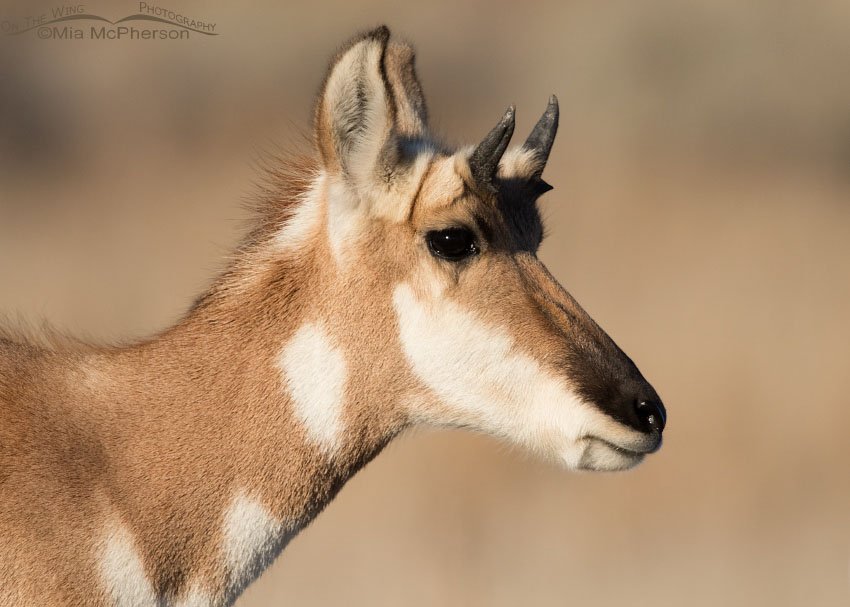
I am very fortunate to live in an area where I can see these beautiful creatures up close and that is some thing I don't take for granted.
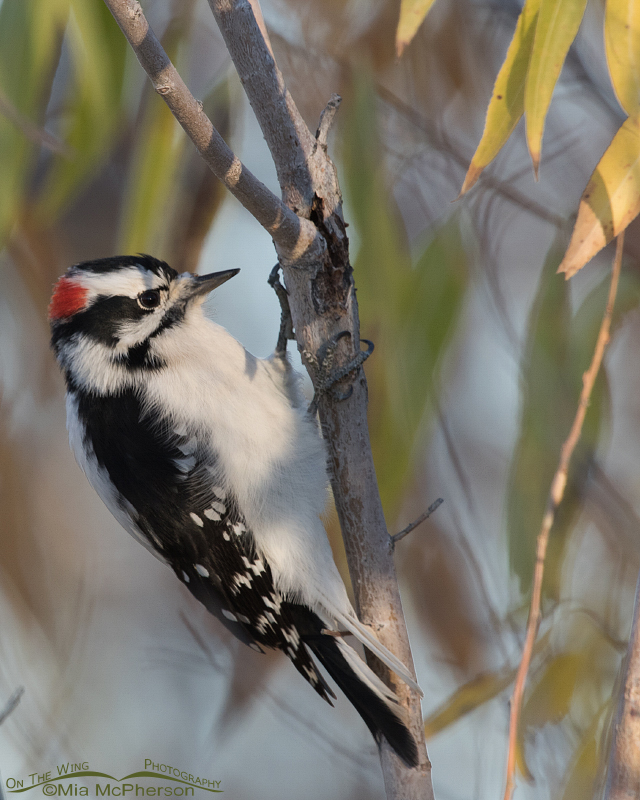
I was delighted to spot this male Downy Woodpecker in the willows the last time I went out to Farmington Bay Bird Refuge.
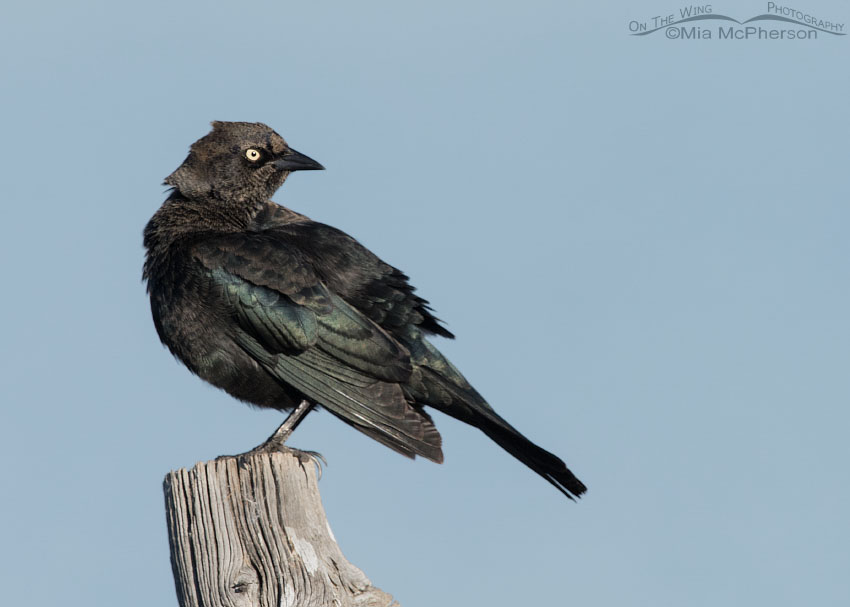
I have been seeing plenty of blackbirds lately at Farmington Bay WMA and a few days ago I photographed this preening Brewer's Blackbird on a fence post.
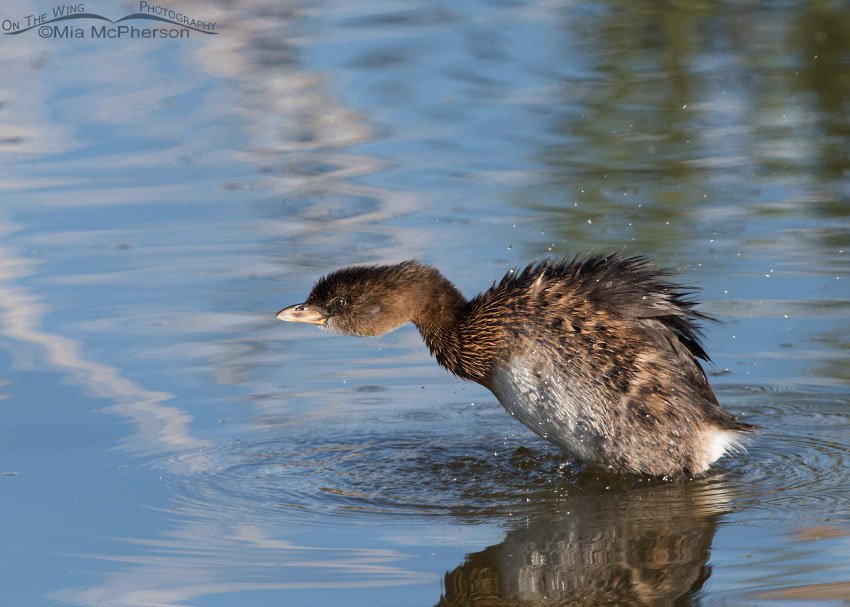
I'm seeing more and more Pied-billed Grebes and that excites me because these little guys might be small but they are tough. They kind of remind me of myself.

There is an article about the coyote bounty program in the Salt Lake Tribune that has me ticked off, or should I call it the ignorant name the state gave it, "Mule Deer Preservation Act".

Harlan's Hawks are a subspecies of Red-tailed Hawks that breed in Alaska and northern Canada and spend their winters in the northern Great Plains.
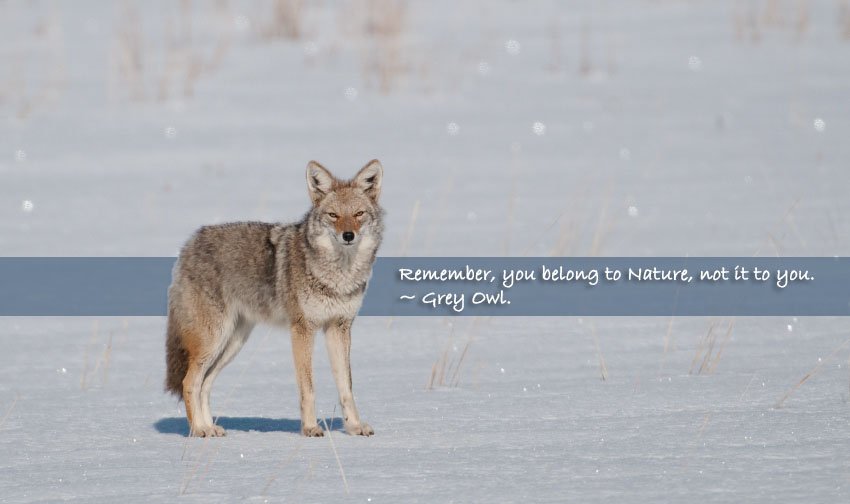
75,326 coyotes in 2013 were "denied" their portion of Nature's gifts when they were senselessly exterminated by USDA’s Wildlife Services

I've been missing Chukars on Antelope Island for the past few months.

Autumn colors have begun to appear and they are delightful when reflected on the water with a nearly black and white subject like this resting Clark's Grebe.
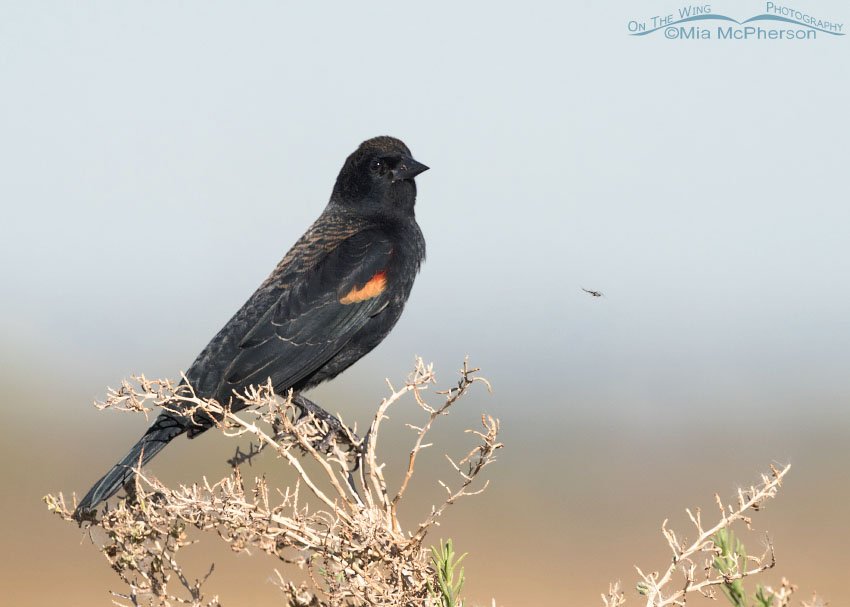
This male Red-winged Blackbird was photographed yesterday at Farmington Bay Waterfowl Management Area.
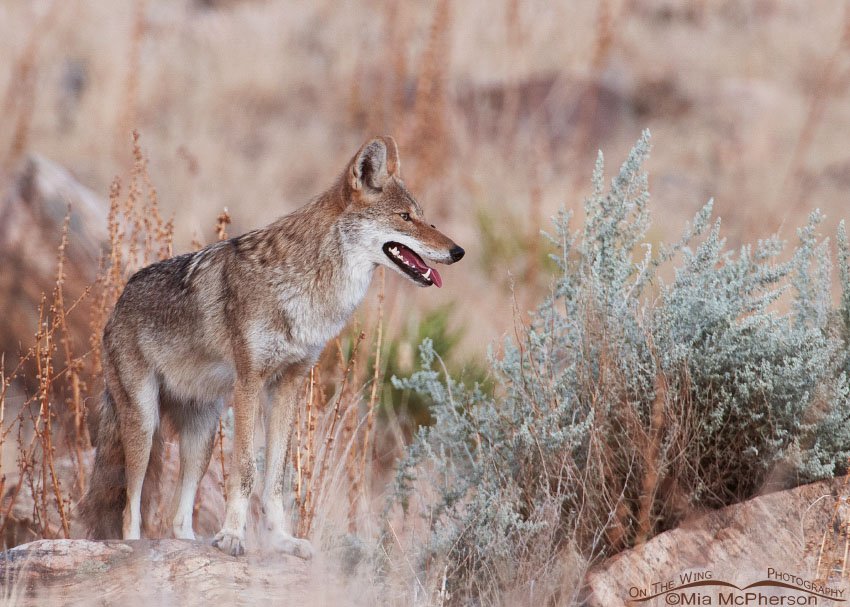
Two years ago during the worst of the summer heat I photographed this Coyote and watched while it was pestered and probably bitten by a persistent Deer Fly.

Whatever the reason for this behavior I know that I enjoy photographing Northern Harriers while they are ground hunting in a winter wonderland.

I often see this phrase "species in decline due to habitat destruction or fragmentation" or something similar and the frequency of seeing that phrase is most likely to become higher.