Birds of Bear River MBR – American White Pelicans
Bear River Migratory Bird Refuge is an excellent location for finding and photographing American White Pelicans who have wing spans of over nine feet.



Bear River Migratory Bird Refuge is an excellent location for finding and photographing American White Pelicans who have wing spans of over nine feet.
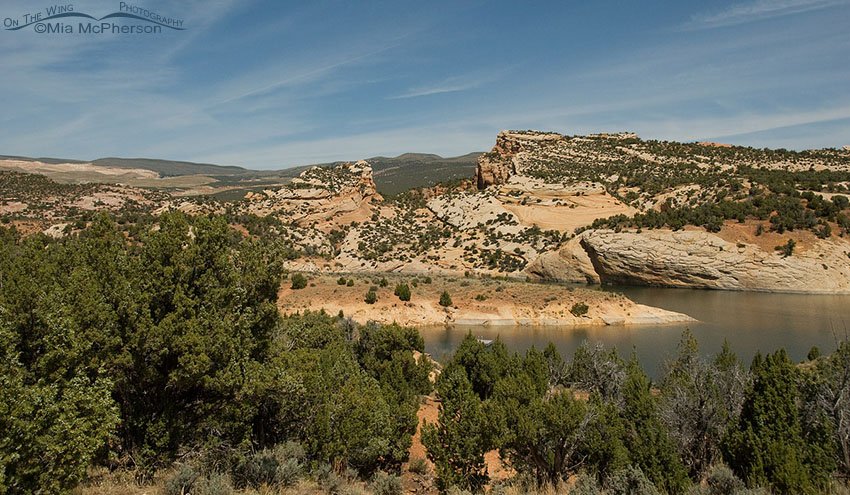
I recently visited Red Fleet State Park in north-eastern Utah near Vernal and came away with a few landscape images that I liked.
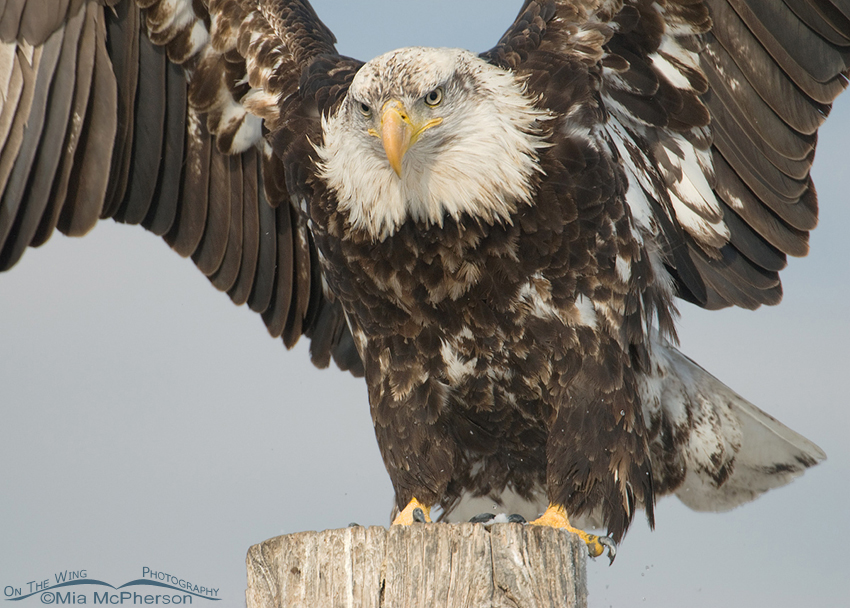
A few years ago I had some wonderful photo ops with this 4-year-old Bald Eagle at Farmington Bay Waterfowl Management Area

Sometimes a picture says more than words so I'll just say Flaming Gorge is awesome at sunrise with storm clouds moving in.
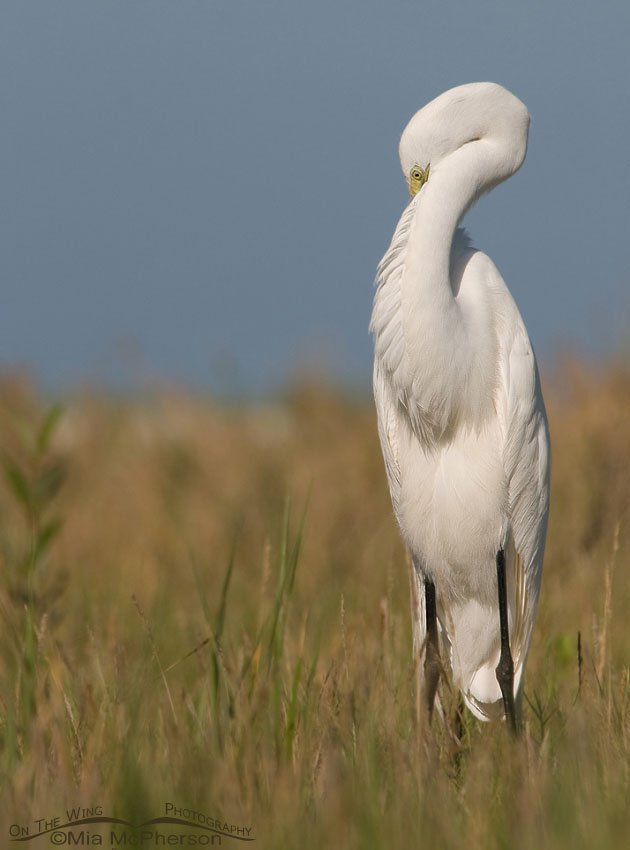
Just a simple Great Egret (Ardea alba) image that always seems to tickle my funny bone when I view it because of the pose.
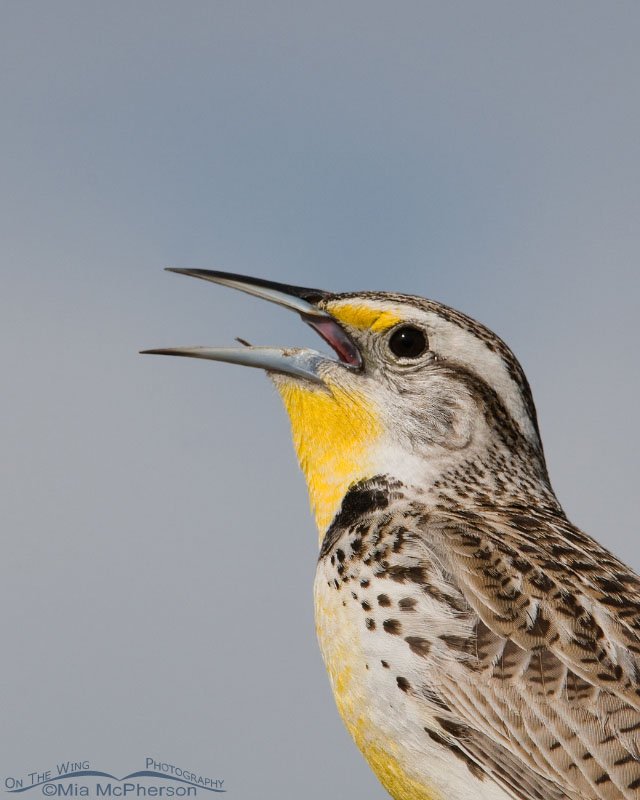
During the spring Western Meadowlarks (Sturnella neglecta) can be easy to locate and then approach because they spend so much time singing from the tops of boulders, bushes, posts and other manmade objects.
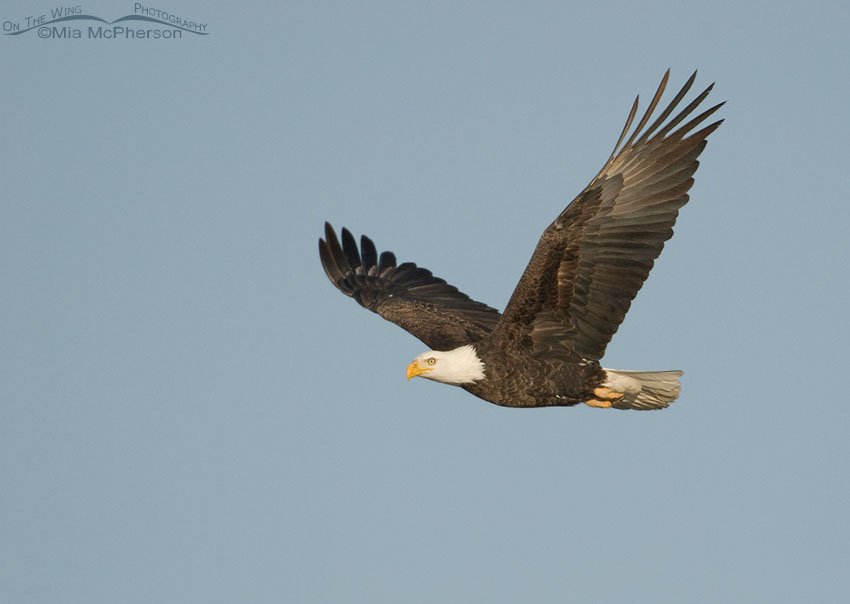
Normally during the month of February Farmington Bay Waterfowl Management Area has hundreds of Bald Eagles within its boundaries but that was not the case in February 2012.

White-faced Ibises (Plegadis chihi) breed and nest in the freshwater marshes around the Great Salt Lake. Generally they migrate south for the winter though this winter there were a few that stayed at Farmington Bay Waterfowl Management Area.

Red-winged Blackbirds are birds that I associate with spring, the males begin calling perched on top of reeds, cattails, grasses and shrubs and flash their brightly colored coverts to attract a mate.
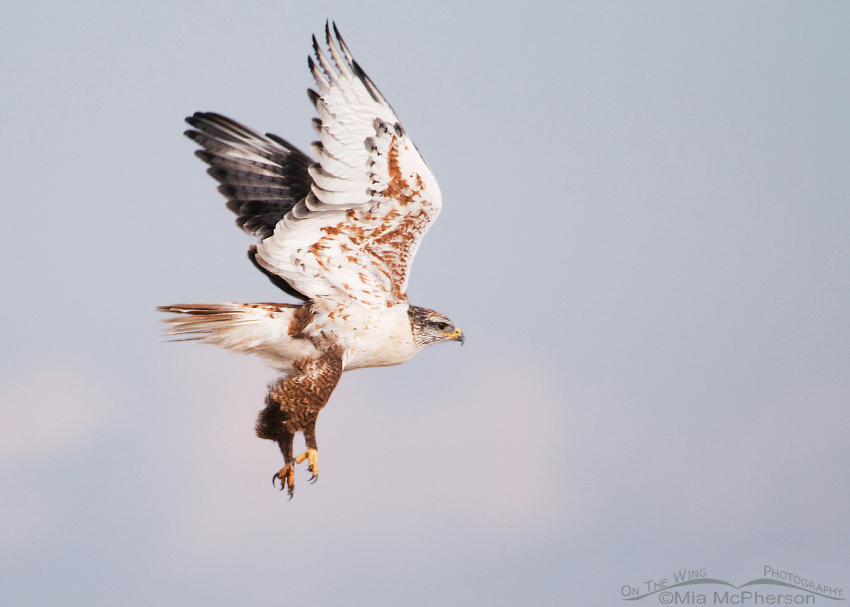
There aren't many people in the west desert of Utah thus the raptors and other birds that live there are not habituated to people so they are very skittish even when using a mobile blind.
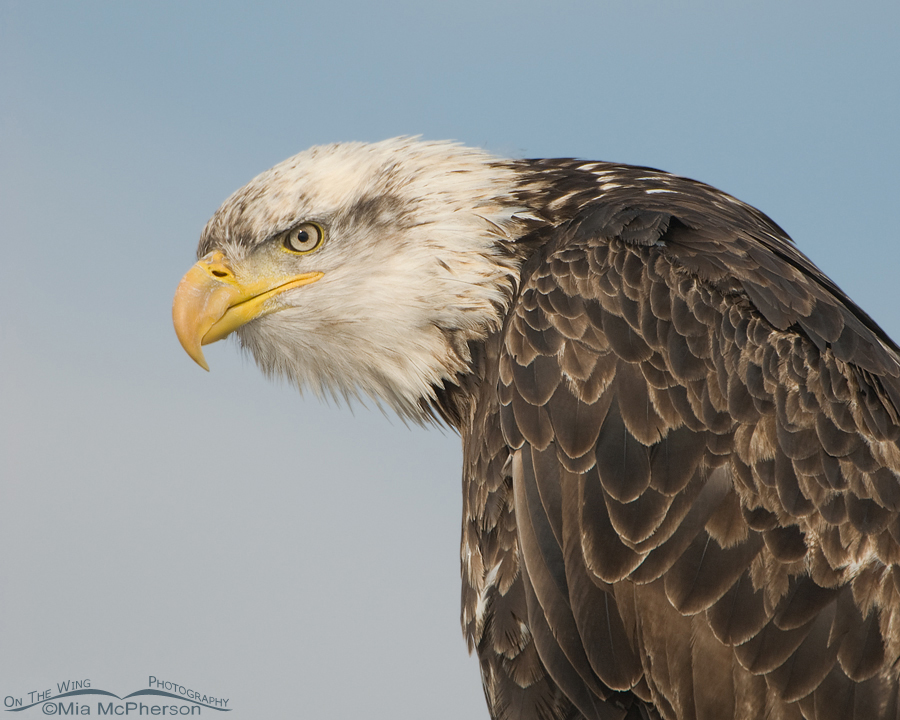
During the summer months I don't often see Bald Eagles unless I go up into the high country or travel north of Utah to Idaho, Wyoming or Montana but in the Salt Lake Valley many Bald Eagles come in to spend the winter.
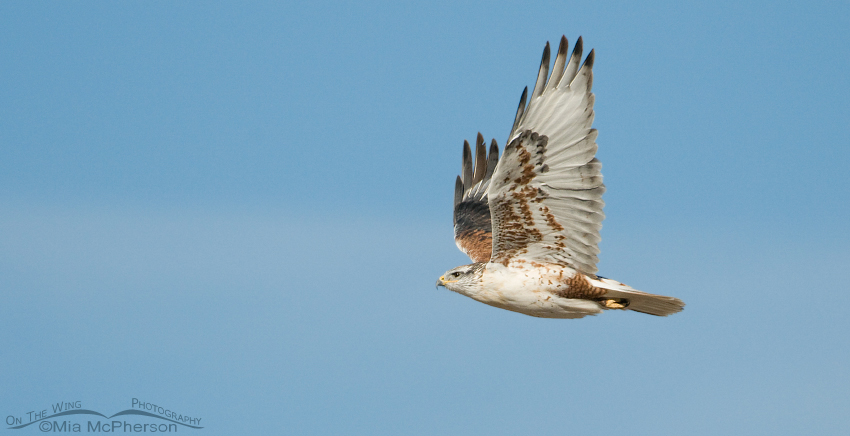
Ferruginous Hawks are the largest hawks found in North America, the "regalis" in the latin name means "kingly" or "regal" and I have to agree with those descriptions.

I could always tell when a flock of Black Skimmers were flying in to Fort De Soto's north beach when I was photographing there because I could usually hear their soft, nasal barking yips or yeps before I saw them.

I often forget that by backing up my zoom, swapping my long lens for a wide angle lens or backing up physically I can get the "whole picture".
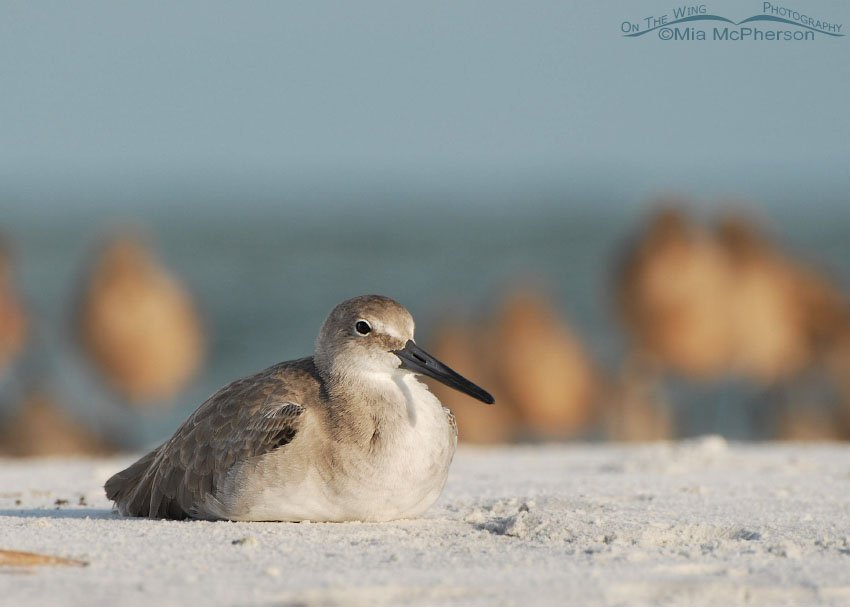
There are images that I have created that as soon as I see them on my monitor become listed as one of my favorites.

My friends say when my images have such a low angle that I must have been "Down 'n dirty". Well I know for sure I was dirty, I had sand everywhere!
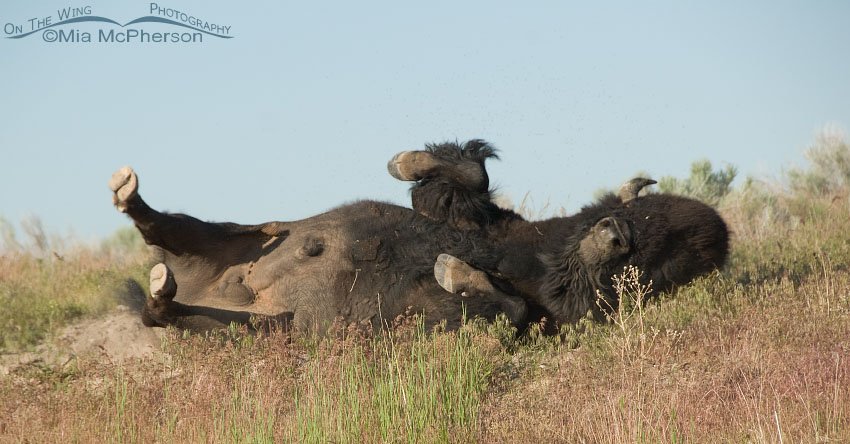
I think it is amazing to see a huge Bison; weighing up to and over 2200 pounds, rolling around on the ground with apparent ease.

I can take advantage of the sucker holes by photographing birds close to home when the sun breaks through the clouds.

Yesterday a friend of mine sent me a link to an Eagle nest cam in Decorah, Iowa that I have been having fun watching so I thought I'd share it.

I was tickled to photograph this Chukar calling in the snow near the parking area of Frary Peak trailhead with the snow-covered mountain in the background.
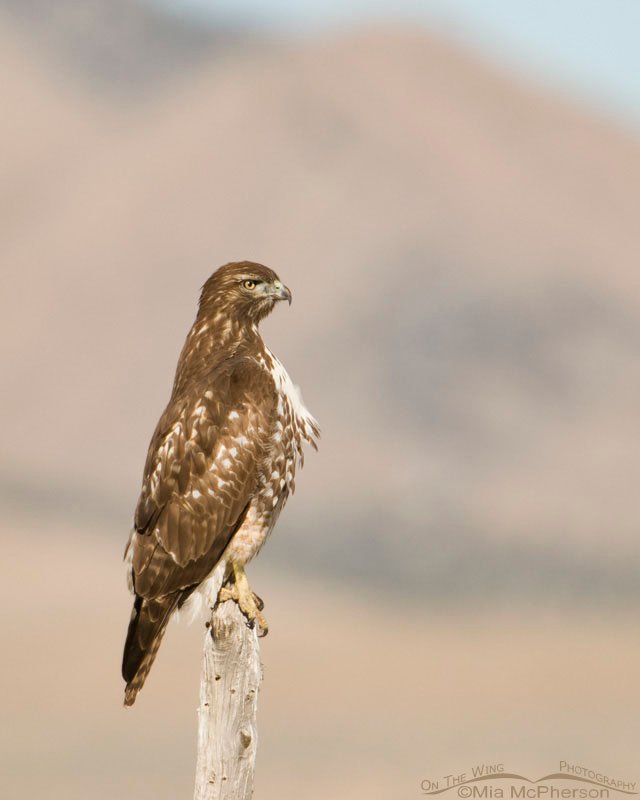
I'm looking forward to seeing red-tailed hawks in the high country of Utah and Montana this summer and hopefully getting some more images of both the juveniles and adult.
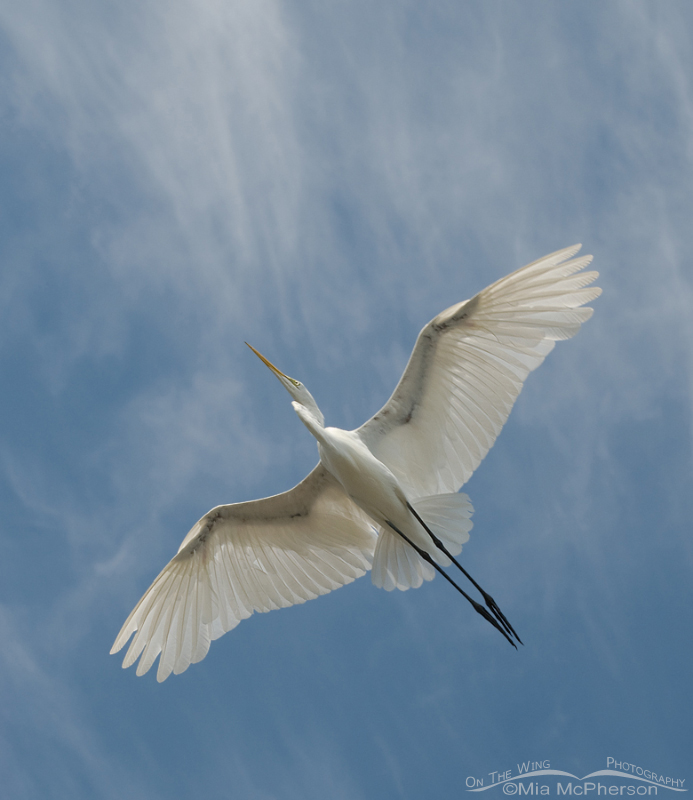
Great Egret (Ardea alba) in flight, a balance of whites and light

The photographs I have attached to this post are of the same Great Horned Owl fledgling, taken in the same location on the same morning.
The geological features of Capitol Reef National Park are amazing. About 75 miles of the 100 mile long monocline known as the Waterpocket Fold are within the park's boundaries extending from Lake Powell north to the Thousand Lake Plateau.