Clark’s Grebes Nest at Bear River MBR
It won't be long before the high, scratchy kweea kweea calls of Clark's Grebes are heard in Utah's Bear River National Wildlife Refuge if they haven't already arrived.



It won't be long before the high, scratchy kweea kweea calls of Clark's Grebes are heard in Utah's Bear River National Wildlife Refuge if they haven't already arrived.
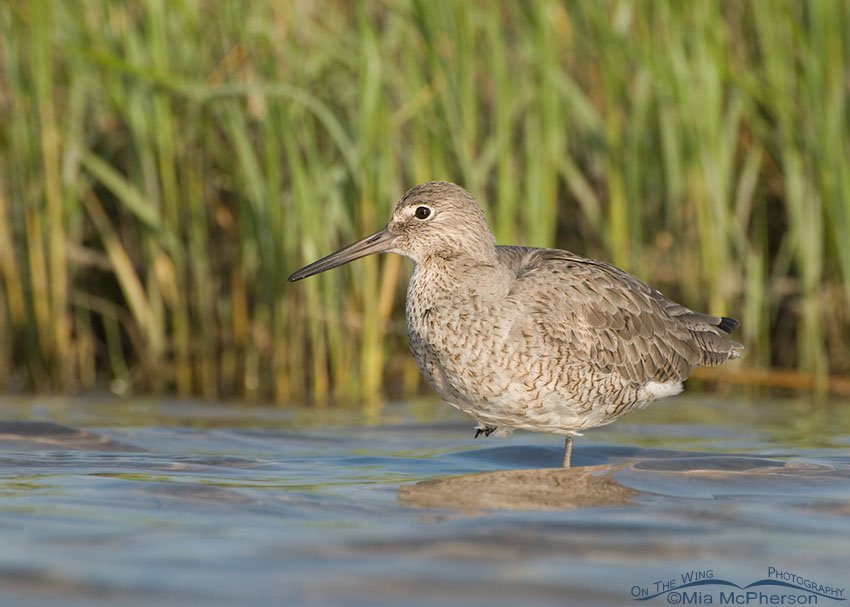
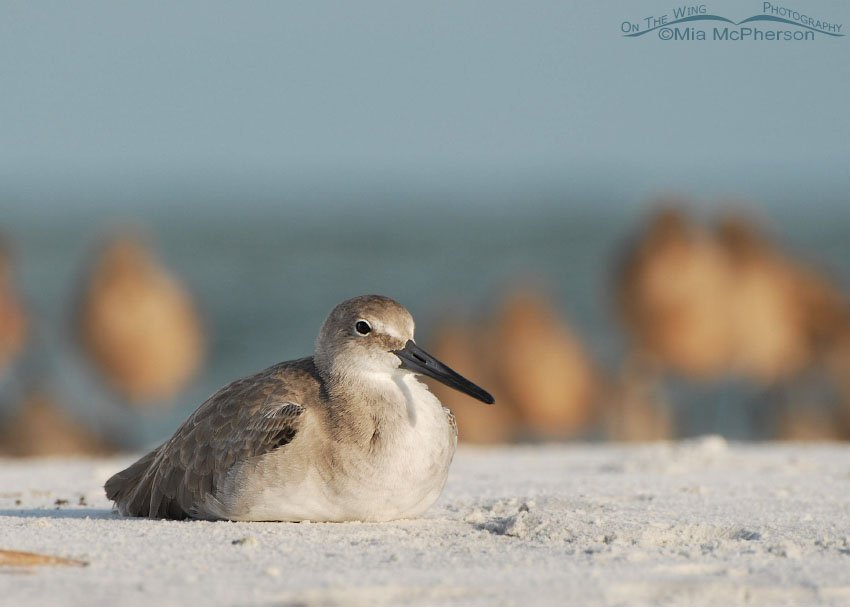
The image above was taken at Fort De Soto on Florida's Gulf coast. The Willets there are habituated to people and because they are it is easier to approach them than it is here in Utah.
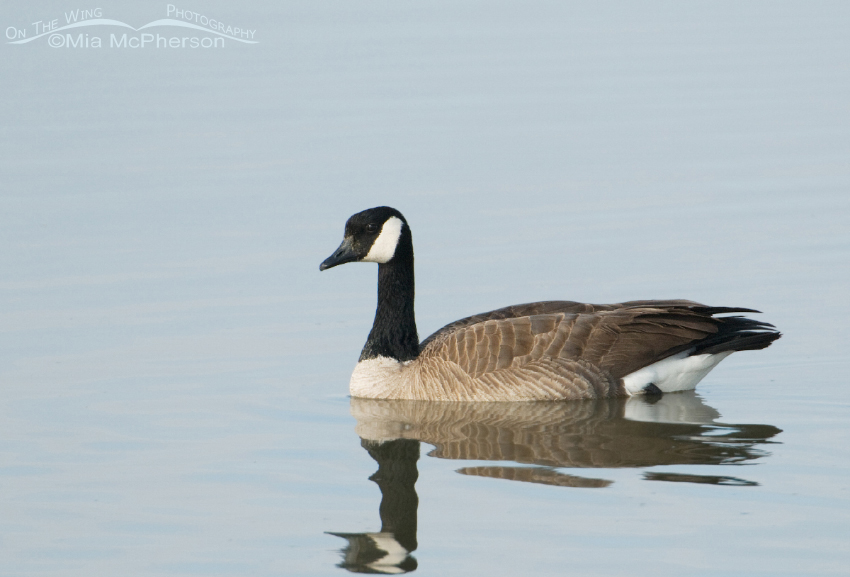
Canada Geese (Branta canadensis) are common in my area and I often overlook taking images of them because of that. I really shouldn't though because they are beautiful birds.
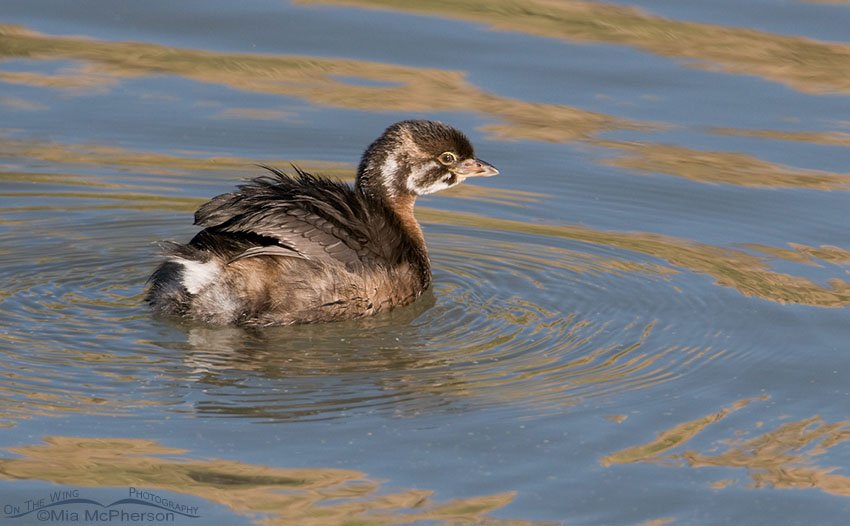
As I observed and photographed this Pied-billed Grebe juvenile it preened some, did a few stretches and fluffed up it feathers.

I've always liked this photo because it shows how this American Oystercatcher (Haematopus palliatus) is using its long bill to pry open a shell.

A few days ago I read that a Long-billed Curlew had been spotted on Antelope Island State Park and that got me excited. I've waited to see them again since they left last fall and I simply can not wait to hear their mysterious and hauntingly beautiful call.

Red-winged Blackbirds are birds that I associate with spring, the males begin calling perched on top of reeds, cattails, grasses and shrubs and flash their brightly colored coverts to attract a mate.

Piping Plovers nest in shallow scrapes in sand, gravel, salt flats or dunes which leaves their nests vulnerable to predators and in danger of being accidentally stepped on.

The sun had not yet crested the eastern horizon when I photographed this Great Blue Heron as it hunted in the shallow waters on the shoreline of the Gulf of Mexico.
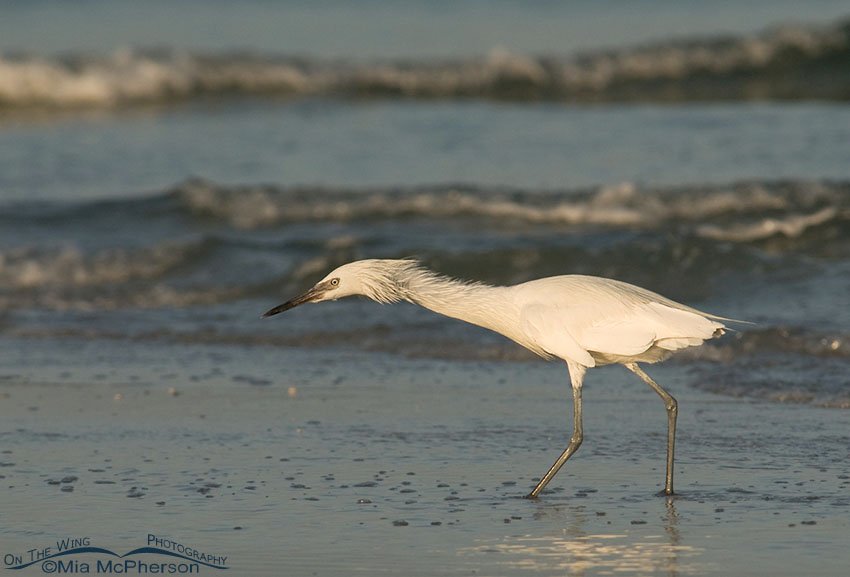
While I lived in Florida I simply adored being able to photograph Reddish Egrets, they can be graceful or goofy looking, they twirl, dash and dance.

Double-crested Cormorants are the most widespread of North American cormorants where they are found in salt and freshwater habitats.

Obtaining a low angle with small shorebirds can bring the viewer into the birds world by being down to their level. When I photographed shorebirds in Florida I was either constantly covered in sand or mud, wet or all three.

American Coots are the most widely distributed members of the Rail family in North America and are very abundant in habitats with open water.
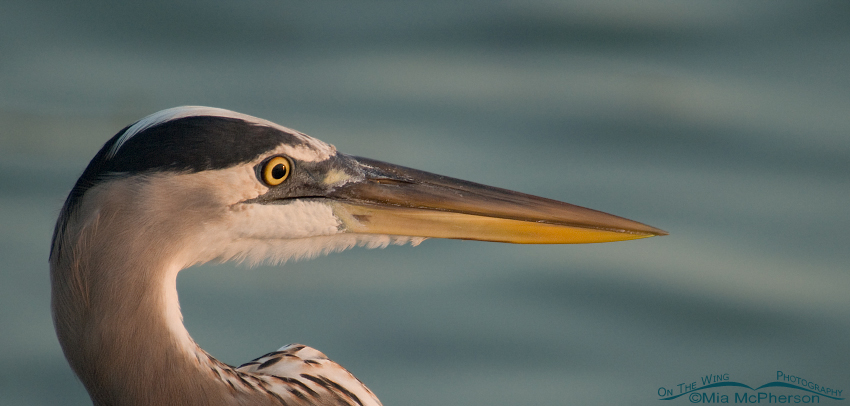
Another one of the reasons I enjoy this photo is that the eye of the Great Blue Heron has a colored catchlight that is from the sun glowing yellow on the eastern horizon.
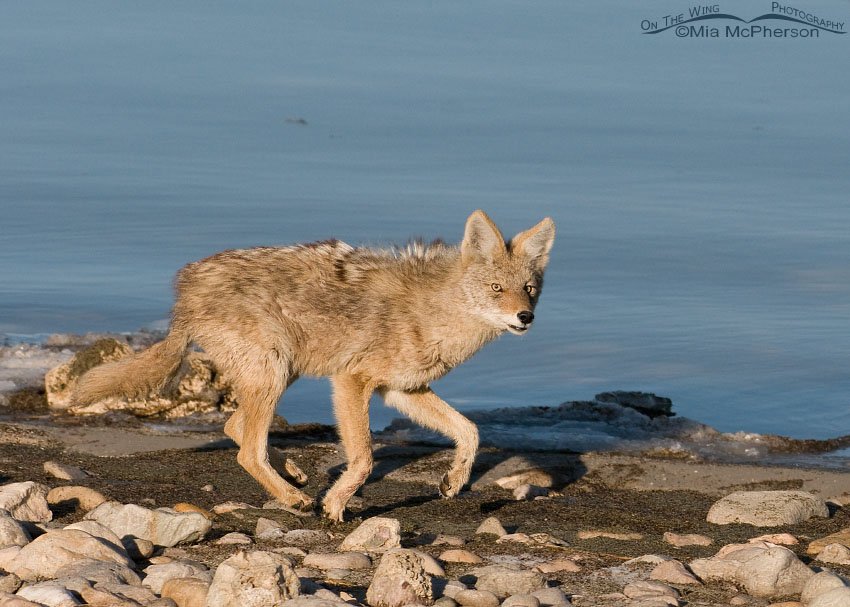
Last week I posted some fun images of a Coyote with Falcon leftovers taken along the shoreline of the Great Salt Lake with piles of ice in the background. Six days later, on January 1st, I had more fun with a Coyote in almost the same location.

Because I live far from my family and have no children at home my yearly Thanksgiving tradition includes spending a part of my day out photographing birds, mostly early morning outings.
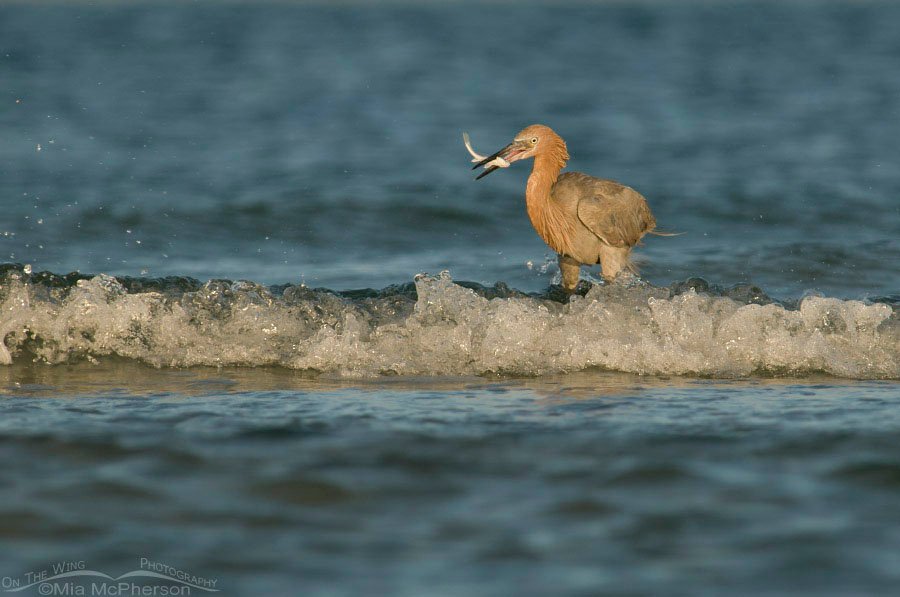
While I lived in Florida I took thousands (and thousands) of images of Reddish Egrets and I am very glad that I did because they are rarities in Utah, where I now live.
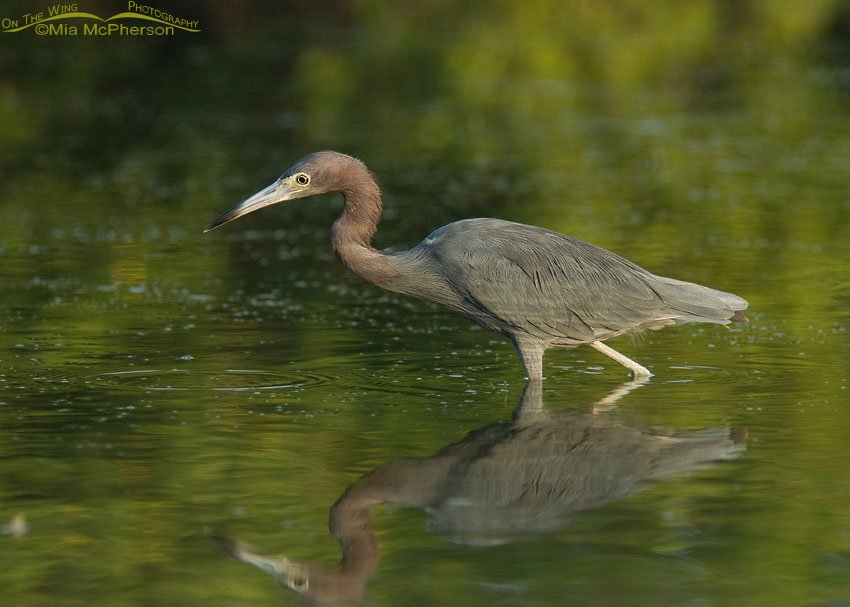
Little Blue Herons were a wading bird that I saw often in Florida. The day I photographed this Little Blue Heron I was sitting quietly in the shallow water of a lagoon when this bird flew in and began to hunt.

Sanderlings can be a challenge to photograph because they move erratically at a very fast pace but creating images of them at their level is well worth the trouble of getting dirty and being exhausted by trying to follow the movements of these tiny dynamos.

I'm looking forward to the crisp cool air after all the summer heat but most of all I am looking forward to the birds I have missed seeing during the hottest part of the year

I love to photograph in pre-dawn light because of the subtle almost pastel tones that can be captured at that time of the morning.
There are images that I have created that as soon as I see them on my monitor become listed as one of my favorites.

This spring and summer I've a little been disappointed by how few Clark's Grebe images I have been able to take.

Yesterday the monsoons came up from the south which meant lots of rain on moisture laden winds.

I watched this American Oystercatcher juvenile and its sibling from the time they were just tiny chicks beginning the day after they had hatched.

I spotted this plover resting near the wrack line near the Gulf of Mexico during the winter and sand-crawled up close to it to get a low angle in the beautiful light.

When looking at a Greater Yellowlegs there is NO mistaking how they got the name "Yellowlegs".
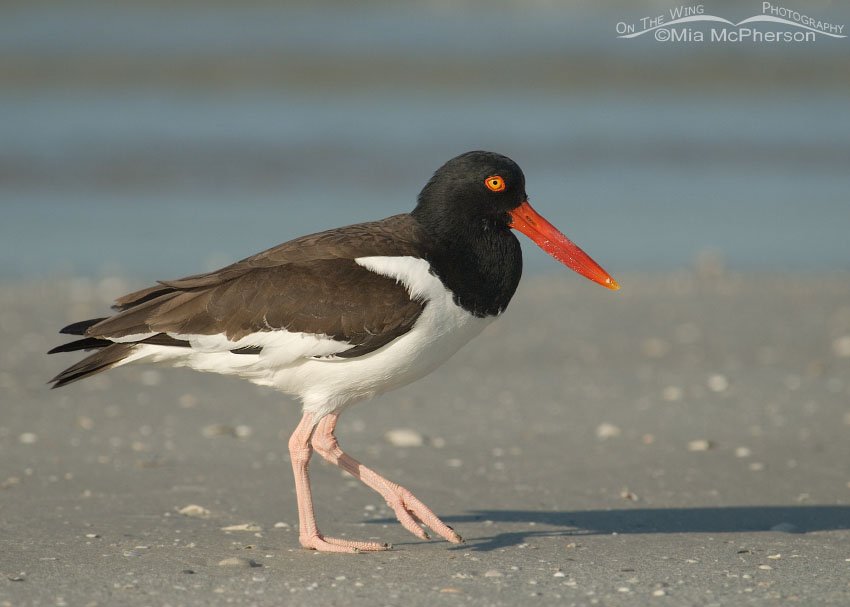
American Oystercatchers are fascinating birds to photograph, They can strike unusual poses and their plumage is spectacular in flight. I enjoyed watching them pry open bivalves with their long bill
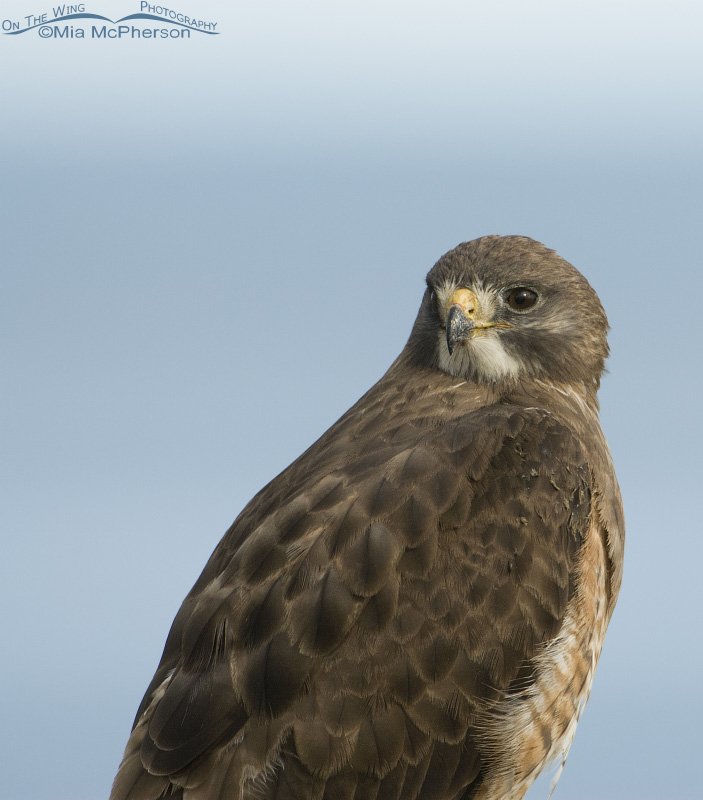
Last Friday I came upon this Swainson's Hawk; not just once but twice, perched on signs very close to the road.

Mergansers are considered "diving ducks" and one of the things the three species of mergansers found in North America all have in common are their serrated bills.