Bird Sampler for April 28 through May 4, 2013
I wanted to share a sampler of bird images that I have taken over the past week in Davis and Box Elder Counties.



I wanted to share a sampler of bird images that I have taken over the past week in Davis and Box Elder Counties.

Among the shorebirds I enjoyed seeing and photographing while I lived in Florida were Hudsonian Whimbrels, I could see flocks of 25 or more during the winter along the coast.

Five years ago today I was laying in the warm wet sands of Fort De Soto County Park's north beach as the salty water from the Gulf of Mexico soaked my skin while photographing a Ruddy Turnstone doing what they do best, turning things.

American Oystercatchers were among my favorite shorebirds to photograph at Fort De Soto County Park's north beach when I lived in Florida.

Early morning light is a delight and adds a nice mood to images like this one of a Willet in flight.

The forecast is calling for snow today and there is already a heavy cloud cover so looked back through my files and found some Brown Pelican images taken on a warm February morning in Florida to post today.

This photo shows a Roseate Spoonbill and Wood Stork on the shoreline of a tidal lagoon at Fort De Soto County Park in Florida and it shows how the Wood Stork can dwarf the Roseate Spoonbill in height.

Since I moved to Utah I think of Long-billed Curlews as my personal harbinger of spring.
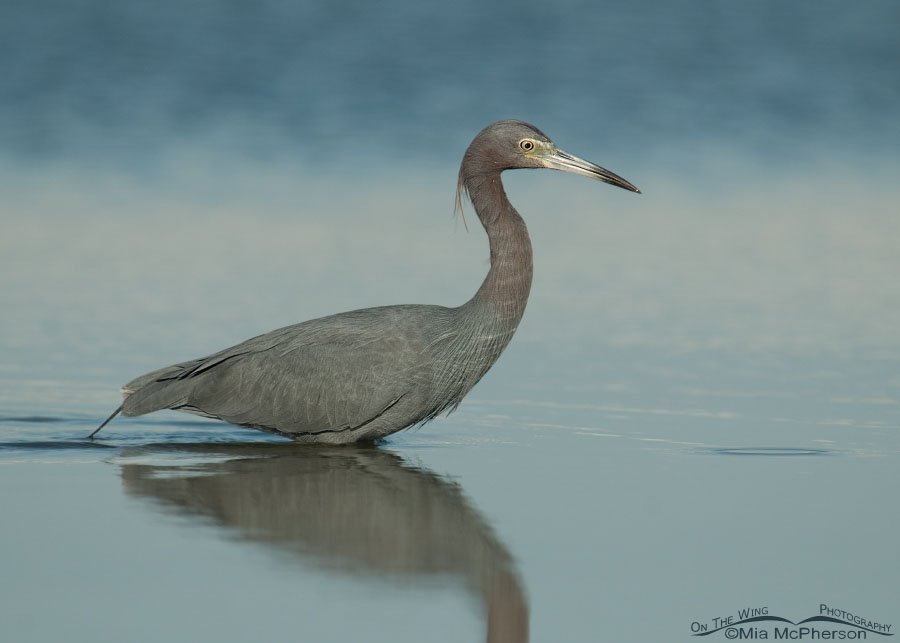
I don't know how much snow fell over night here in the Salt Lake Valley because it is still dark outside and while I am truly not "blue" about it I thought some images from warmer times of a blue bird might be in order for a Monday.

This image soothes me because of the still water, the relaxed pose of the calm Snowy Egret and the memories of how delightful it was to be on the north beach of Fort De Soto
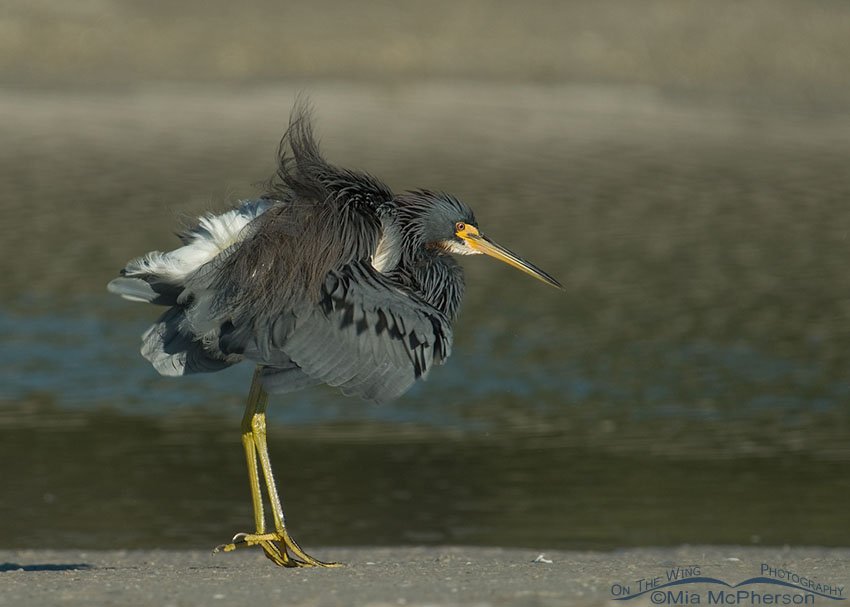
The Great Blue Heron I photographed on Christmas Day seems to have focused my attention on wading birds, yesterday it was Reddish Egrets and this morning I present a Tricolored Heron shaking its feather while on tip toes

Evening can have marvelous light too though as shown in the Roseate Spoonbill image above that I photographed in Florida as it hunted for prey in a tidal lagoon.

This Great Egret image was taken in Florida in 2009, the beautiful blue in the background is the water of the Gulf of Mexico.

A simple image of a Red Knot taken in Florida in early morning light. Morning has been; and is, my favorite time of day to photograph birds and other wildlife because the rising sun can add drama and a warm glow to whatever subject I am photographing.
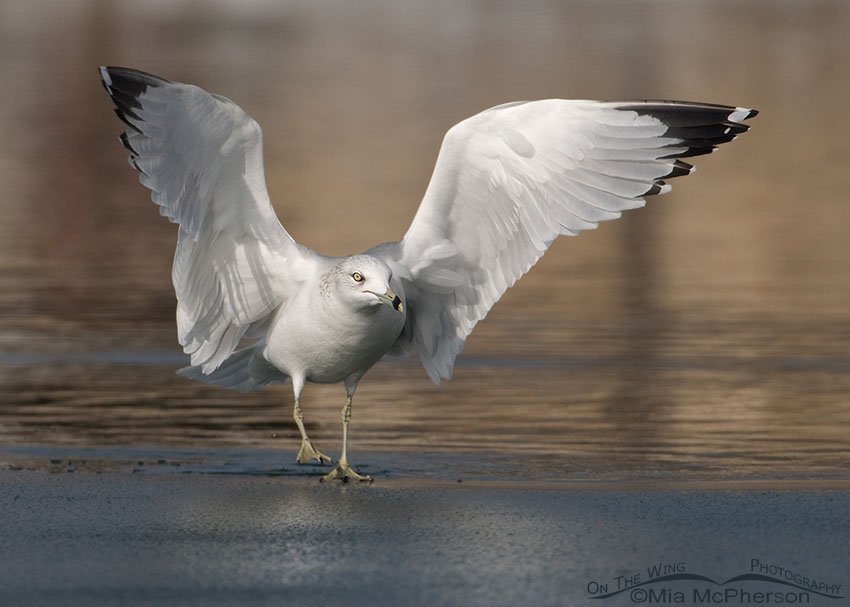
Three years ago today though the ground was covered in drifts of snow, the temps were below freezing, there was ice on the ponds & lakes and there was a sharp briskness to the air that can only be found in winter.
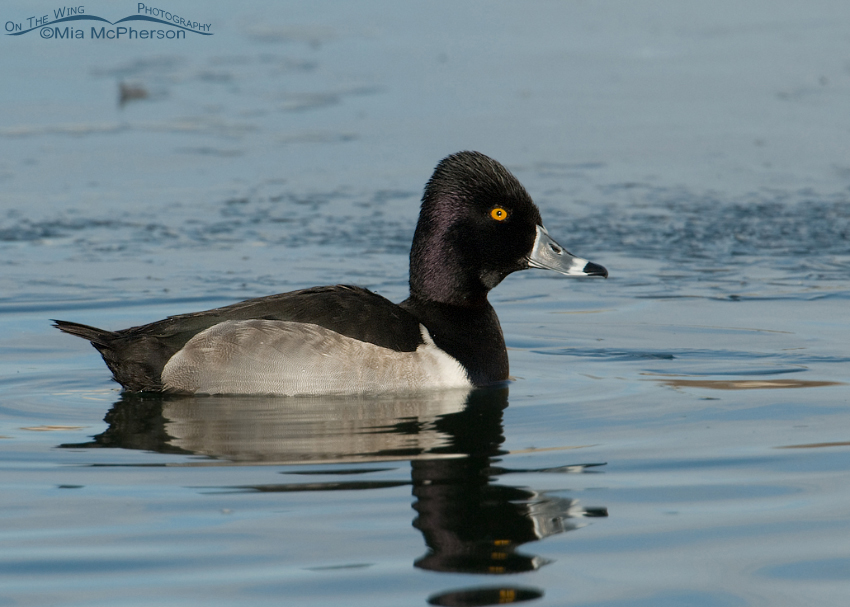
I photographed this drake Ring-necked Duck in breeding plumage a few years ago on a pond not far from where I live.

This image has always cracked me up, I wonder if the Great Blue Heron even realized its toenails were dragging in the water.

I remember the morning I took this photo well, it was a warm morning in February at Fort De Soto's north beach, the Great Egret was in the tidal lagoon near the Concession Stand and it had been actively hunting when it came up with this Mullet.

While in breeding plumage Tricolored Herons have redder legs, darker red eyes, blue lores and blue on the bill plus a longer, white occipital plume than they do during the nonbreeding season.

Just a simple post today to show the differences in the breeding and nonbreeding plumage of Royal Terns.
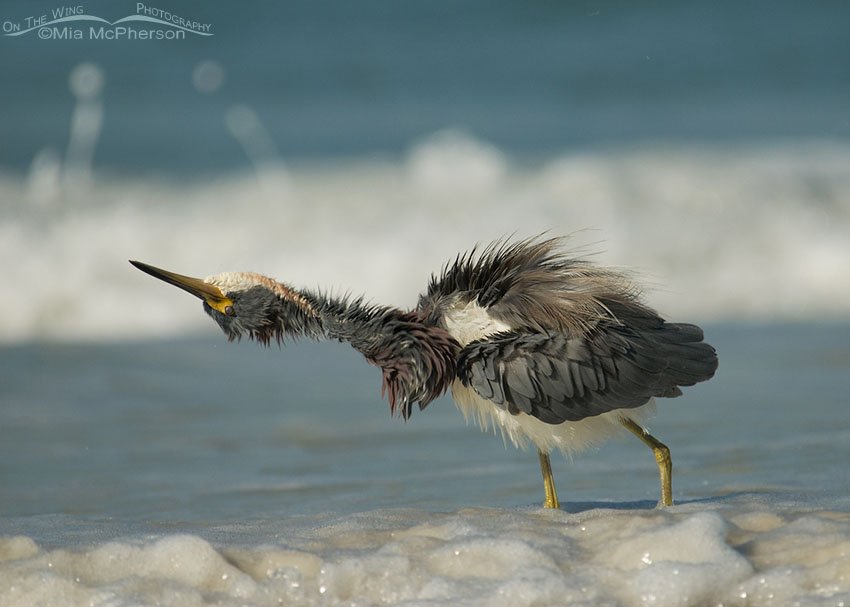
Maybe the Tricolored Heron thought Monday might look better upside down? Just a bit of humor for a Monday.

When I photographed this Wood Duck drake I remember wishing that we had high thin clouds to diffuse the sunlight a bit. It still worked out okay though.

This is an adult White Ibis (Eudocimus albus) that I photographed at Fort De Soto's north beach that was feeding in a tidal lagoon by the mangroves

I don't get to see or photograph Oystercatchers here in Utah but I still dream about these shorebirds and can hear their calls when I look at the thousands of images I took of them.

I photographed this Tricolored Heron (Egretta tricolor) a few years ago when I still lived in Florida.

Despite having "Night Heron" in their name Yellow-crowned Night Herons (Nyctanassa violacea) are not strictly denizens of the dark, they can and do stalk their prey during the daylight hours too.

I photographed this adult Laughing Gull (Larus atricilla) in breeding plumage while it bathed in the shallow waters of a tidal lagoon at Fort De Soto's north beach a few years ago.
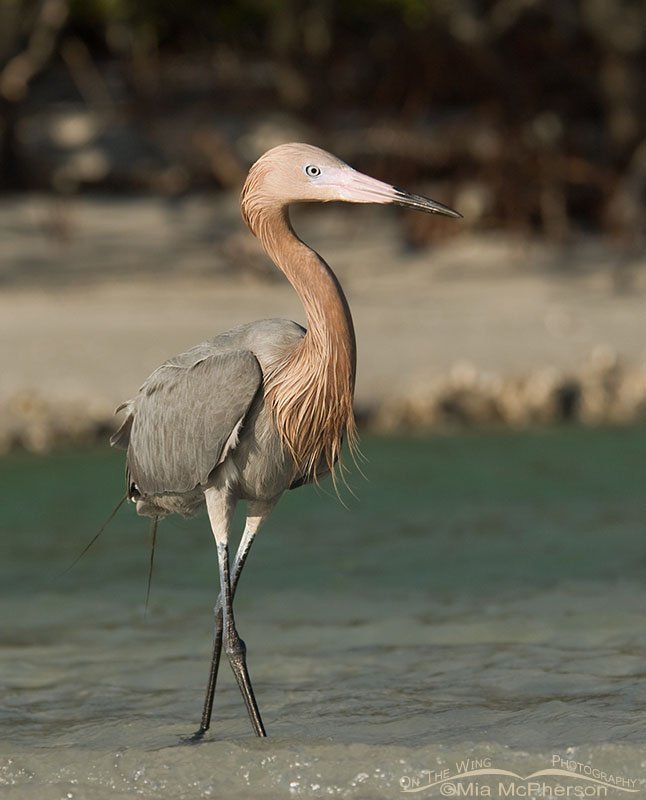
This adult Reddish Egret was going into breeding plumage, it has the pink and black bi-colored bill and the lores are turning bluish purple.
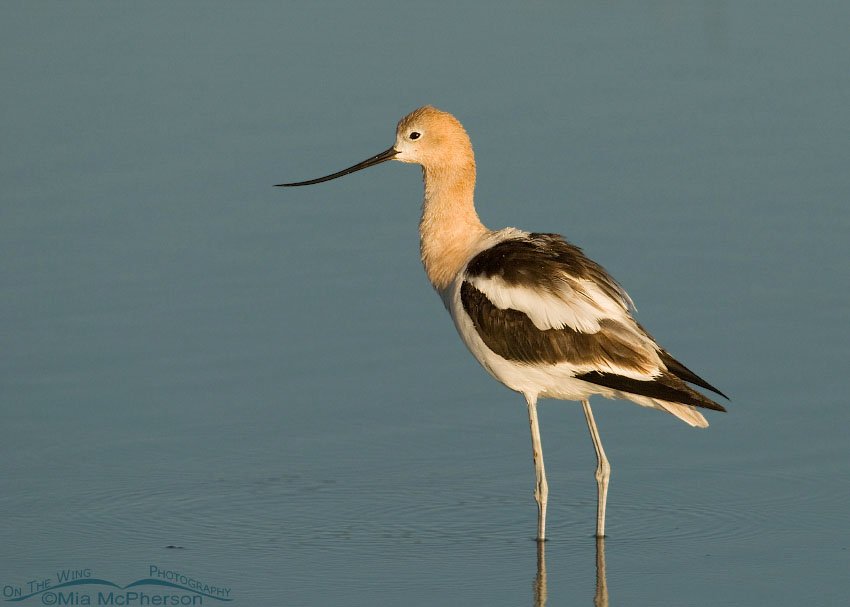
I photographed this American Avocet in nonbreeding plumage as it foraged in Glover's Pond at Farmington Bay Waterfowl Management Area in northern Utah a few years ago in the month of November.

This image could have been better. I have no doubt about that. I did get the exposure right and I like the action. But there are far too many things about this photo that just don't work.