Corvus corax
Common Ravens are all black with large bills, their plumage does display a purple sheen in certain lighting conditions.


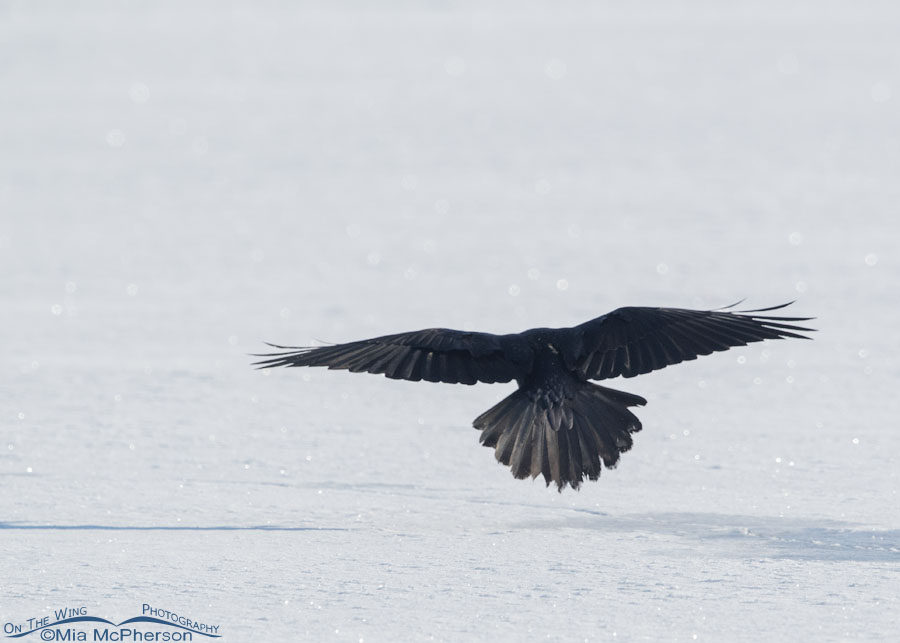
This isn't my typical idea of a Common Raven photo because the raven's face can't be seen. But I like this photo of the raven about to land on the frozen marsh.
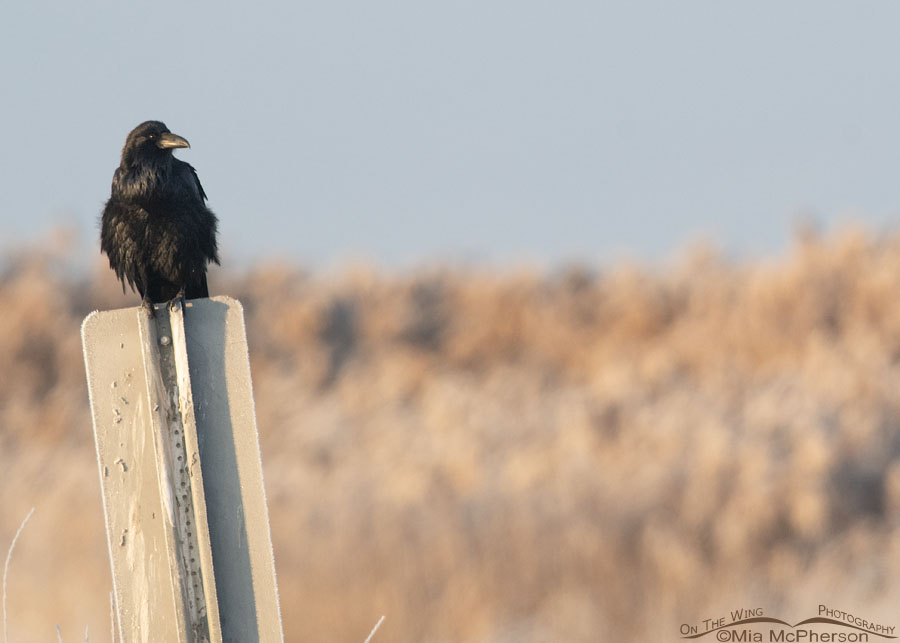
My first bird of the year for 2024 was a Common Raven I found yesterday morning on my way out to the auto tour loop of Bear River MBR.
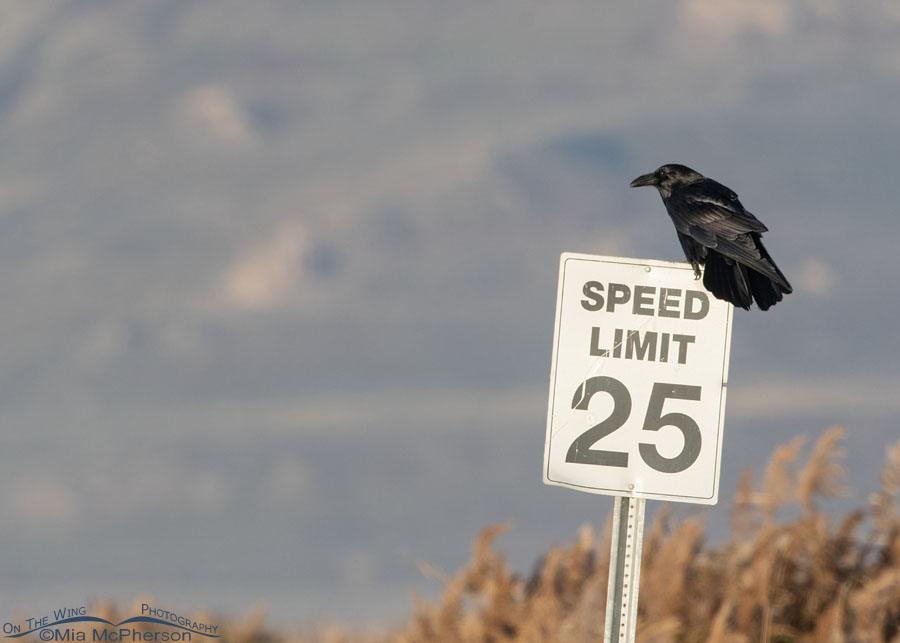
On at least my last three trips up to Bear River MBR, I have found a Common Raven pair in the same general area of the north side of the auto tour route.
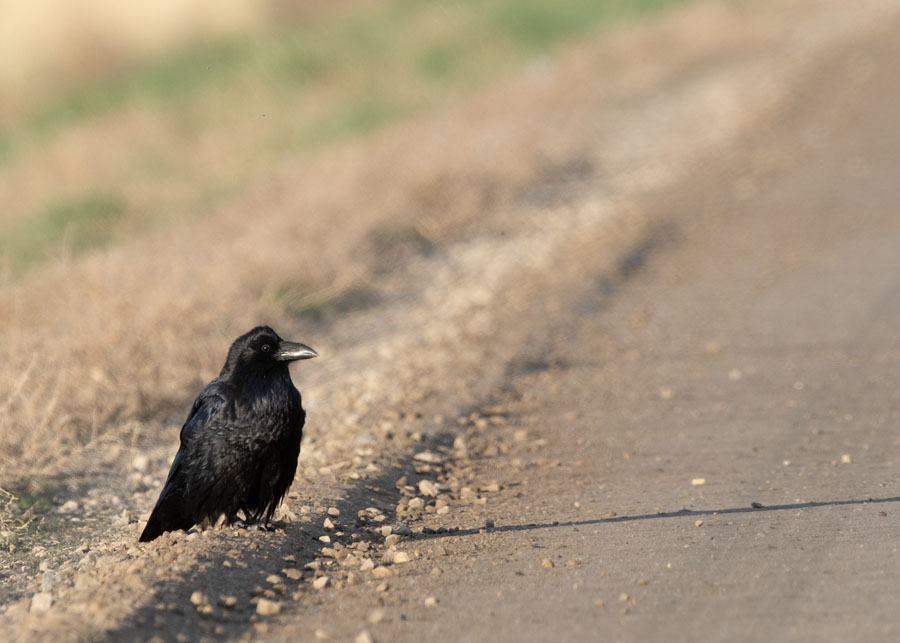
While I was driving the auto tour route at Bear River MBR two days ago, I was tickled to photograph a roadside Common Raven in lovely, bright morning light.
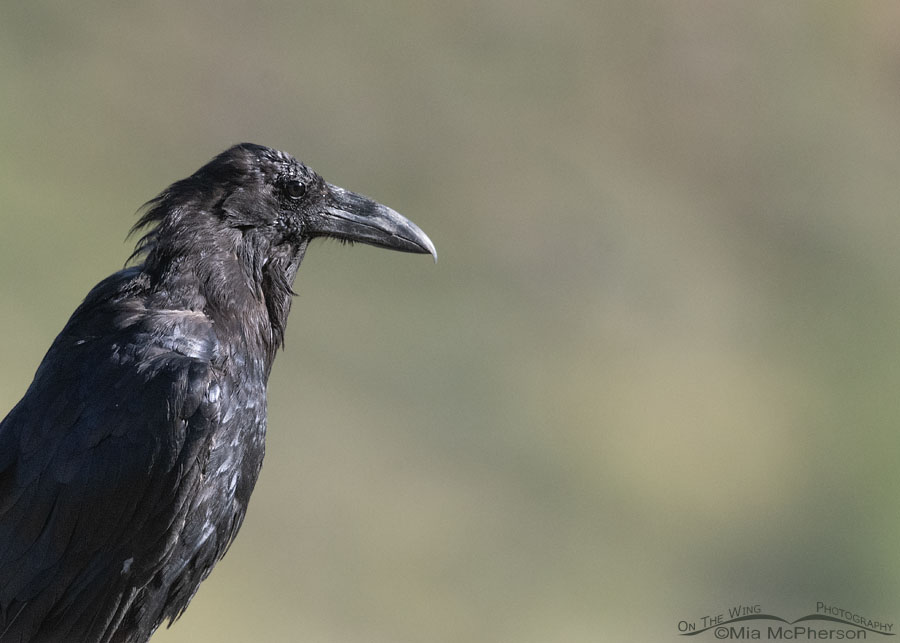
I enjoyed photographing this molting, shaggy immature Common Raven yesterday morning while I was high in the Wasatch Mountains.
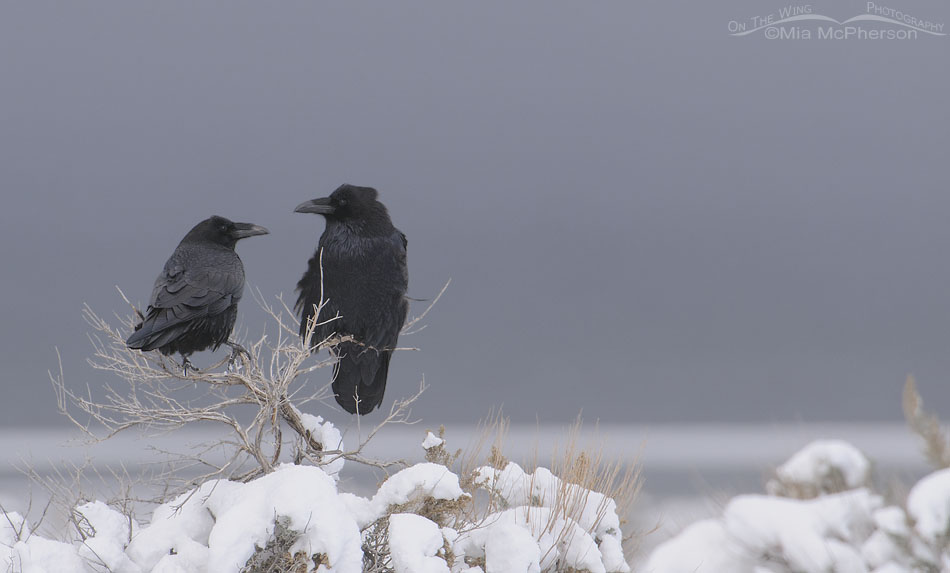
If you don't know much about Common Ravens you might wonder why I selected them to be the featured love birds on this Valentine's Day.
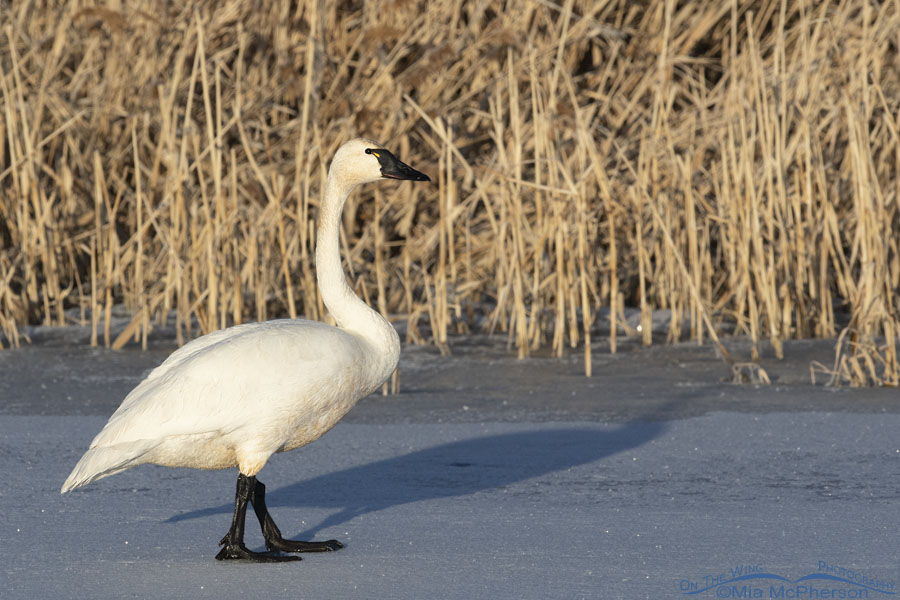
This morning I'm sharing photos of five bird species that I find on ice during the coldest months of the year in marsh and urban locations.
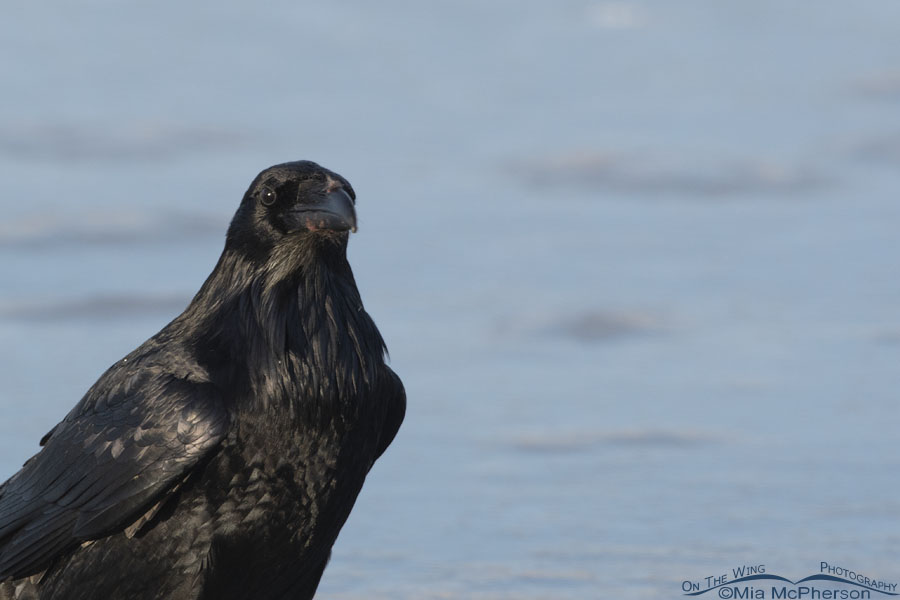
Earlier this week as I drove slowly around the auto tour route at Bear River MBR I was able to take a short series of Common Raven photos as they played on the ice.
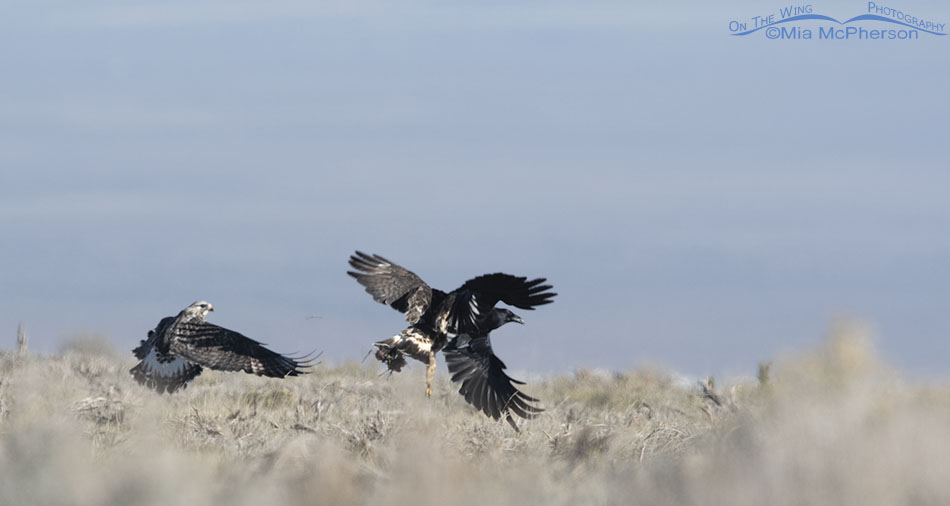
It was a very memorable first of year sighting of these Rough-legged Hawks. The kind where you sit there wondering if you really saw what you saw.
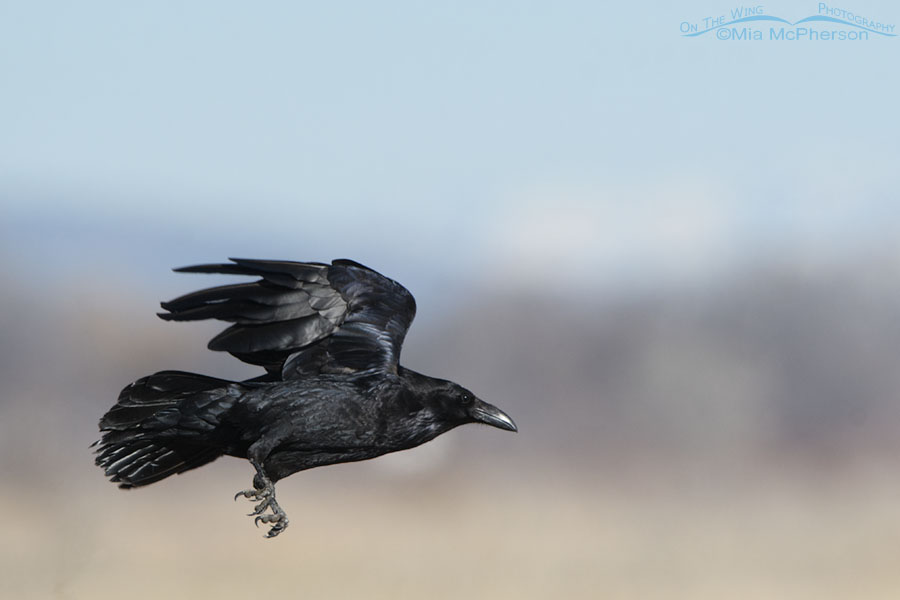
Earlier this month I had a brief opportunity to photograph a Common Raven on a gate at Bear River Migratory Bird Refuge on a bright, beautiful morning.
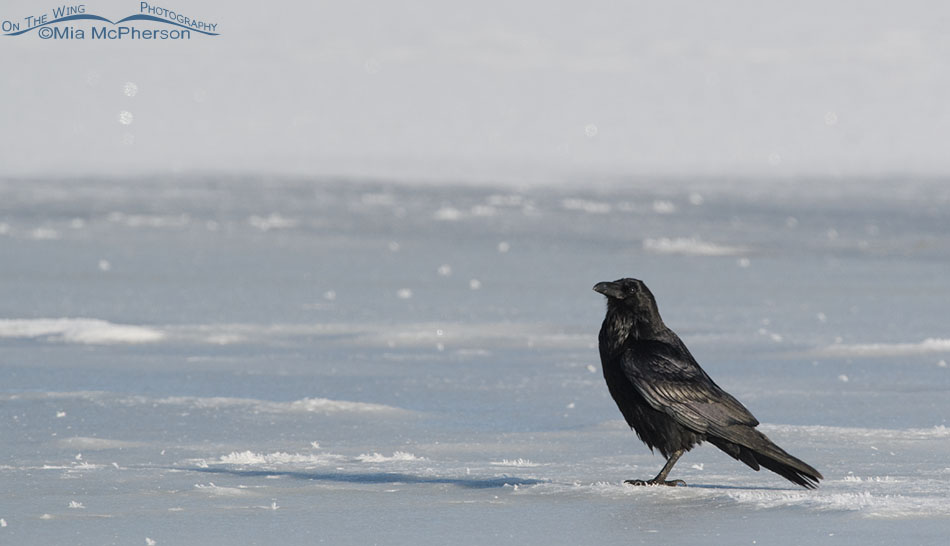
Last week when I visited Bear River Migratory Bird Refuge I photographed several birds on the frozen marsh including a Common Raven on ice.
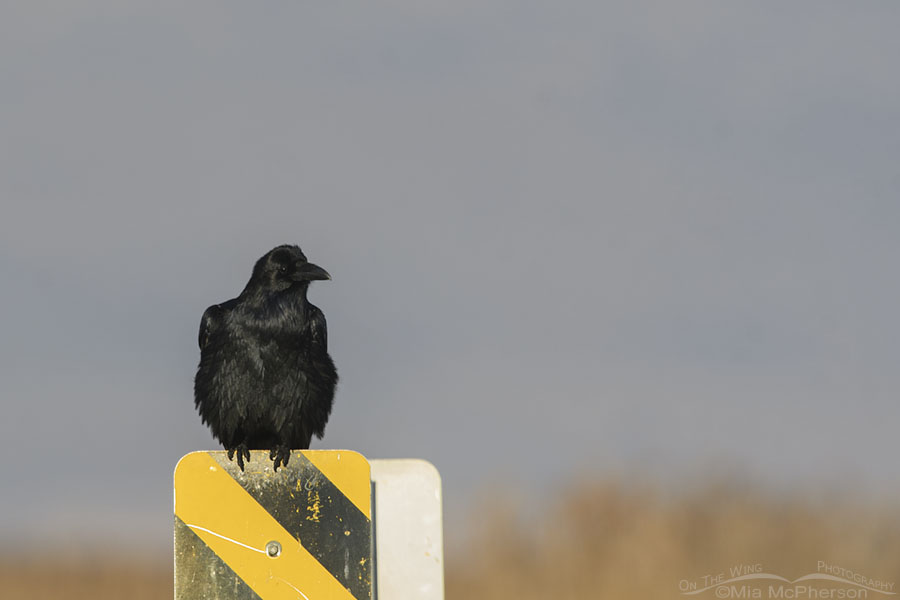
This Common Raven looked to be alone but there was another raven foraging on the ground across the river that this bird could see.
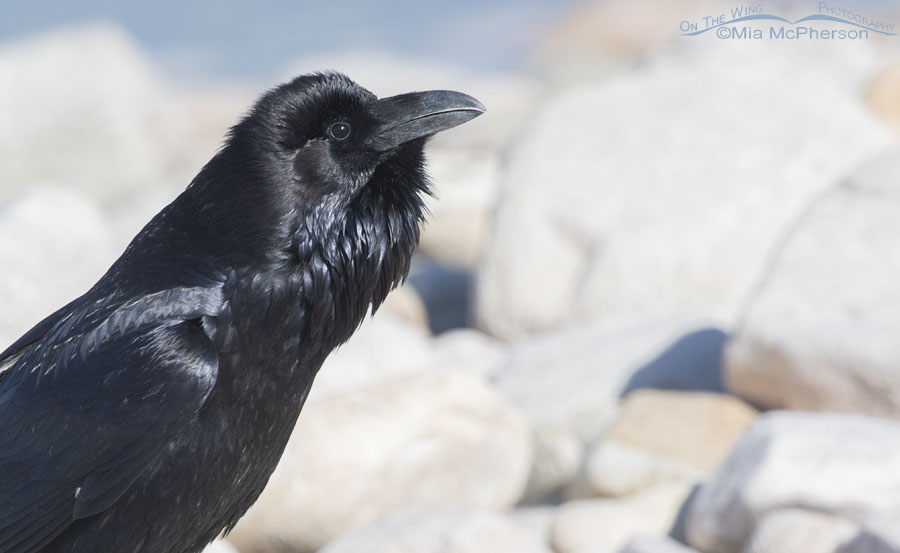
At first the Common Raven was near the side of the road but it moved down the rocks and got closer to the lake and where it poked around in the rocks.
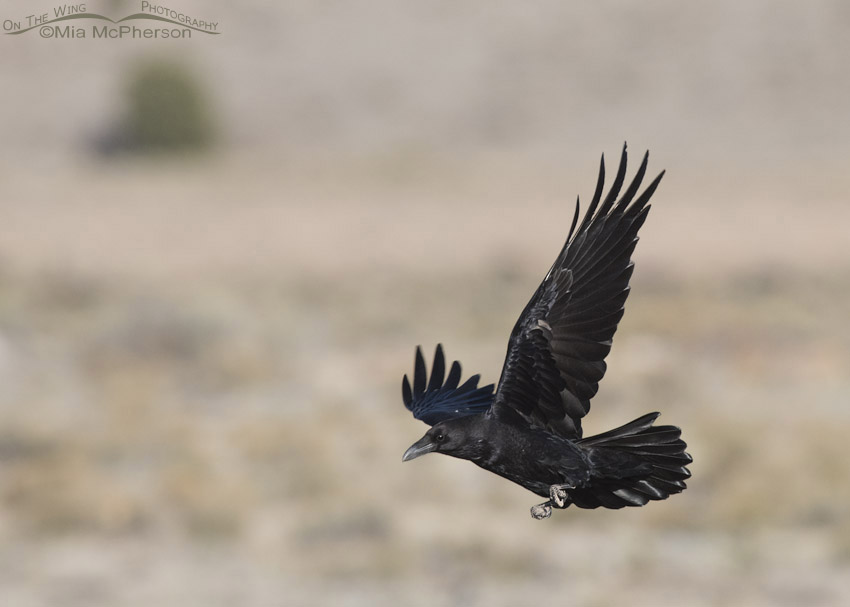
I had a Common Raven that was close enough to get a few images of it in flight and it excited me.
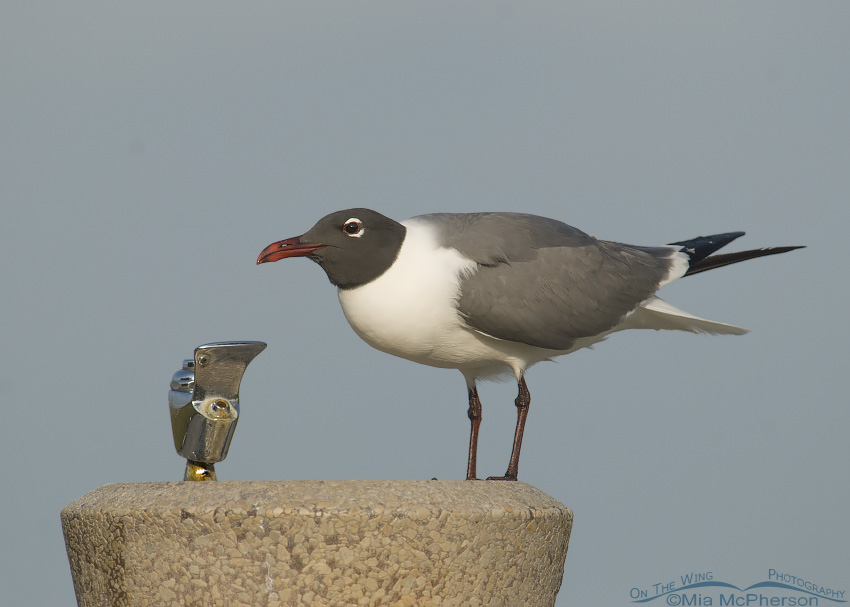
Okay, that is enough for now, there are more birds that people love to hate but I can only deal with so much of it before I feel the need to get out and photograph all the birds I see, even those that other people despise.
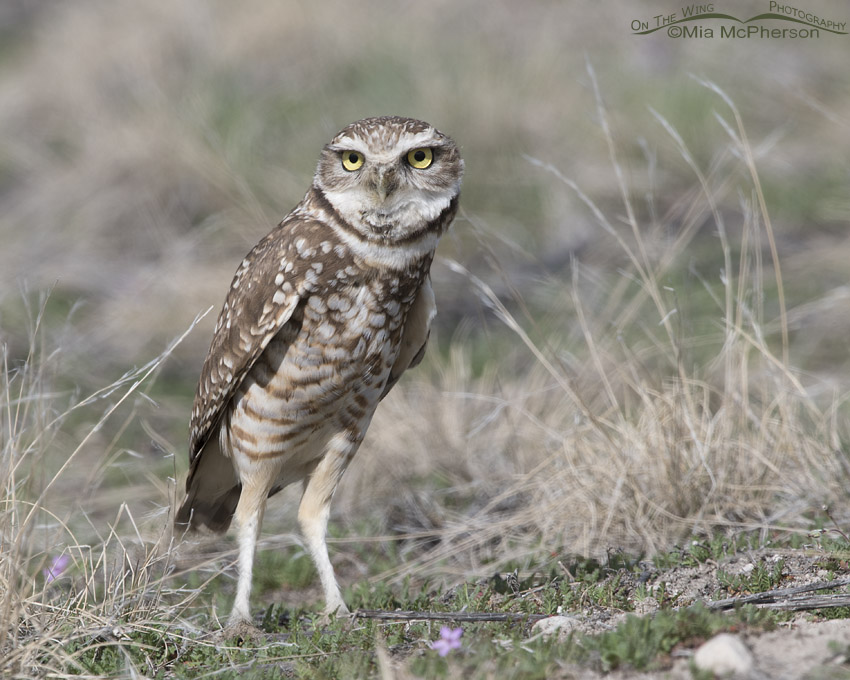
The best bird photography opportunity of the day happened when I spotted a Burrowing Owl near its burrow and I took advantage of the nice light to take quite a few images of the owl framed by grasses and blooming Red-stem Filaree.
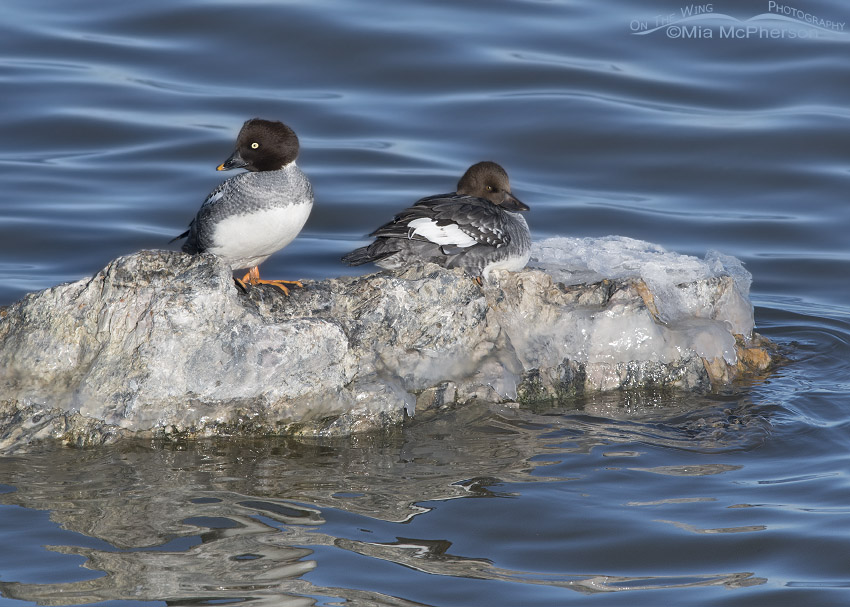
I had fun photographing the Common Raven and the Common Goldeneyes yesterday and even though the cold temps made my fingers numb, these birds were the highlight of my day.
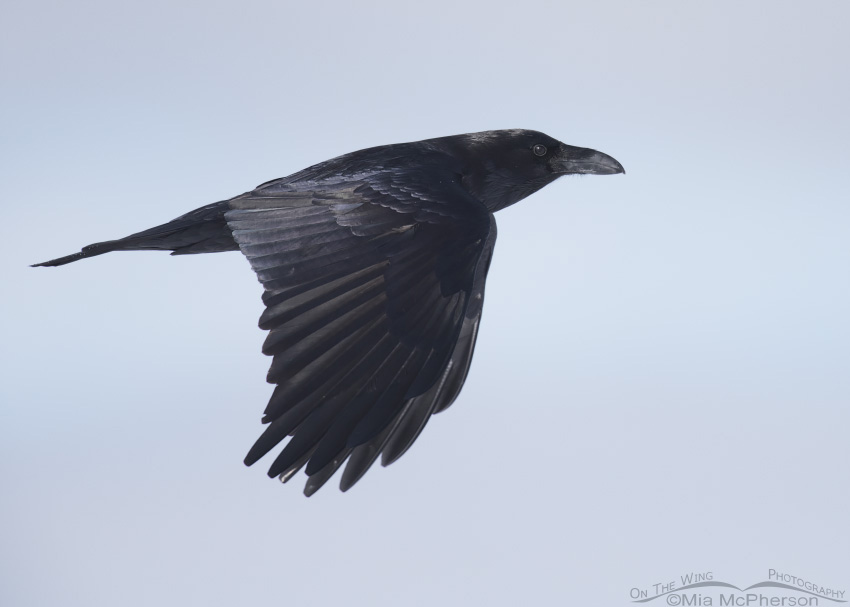
Ravens aren't easy to get close to on Antelope Island State Park so I was happy to photograph this Common Raven in flight two days ago.
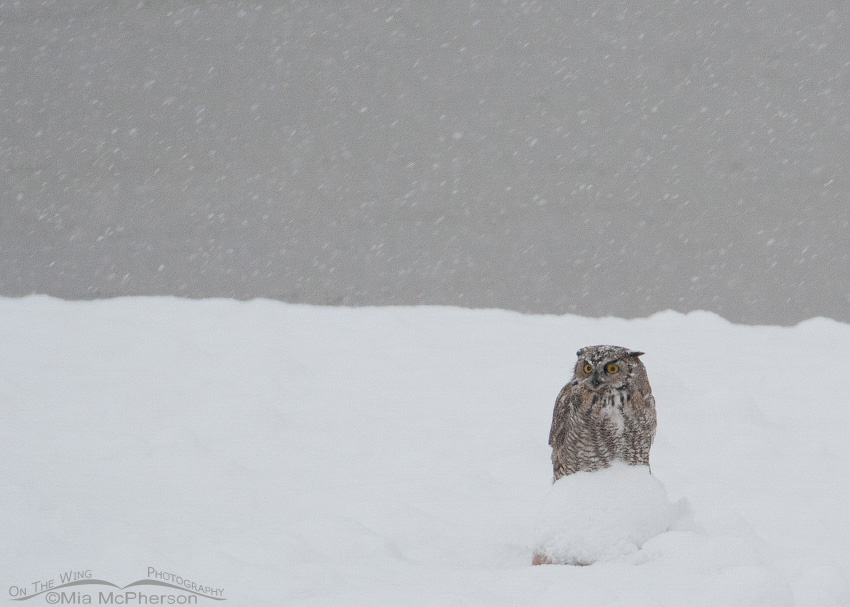
Today there are great big clouds with small patches of blue sky but two years ago it was very different, we were having a blizzard.
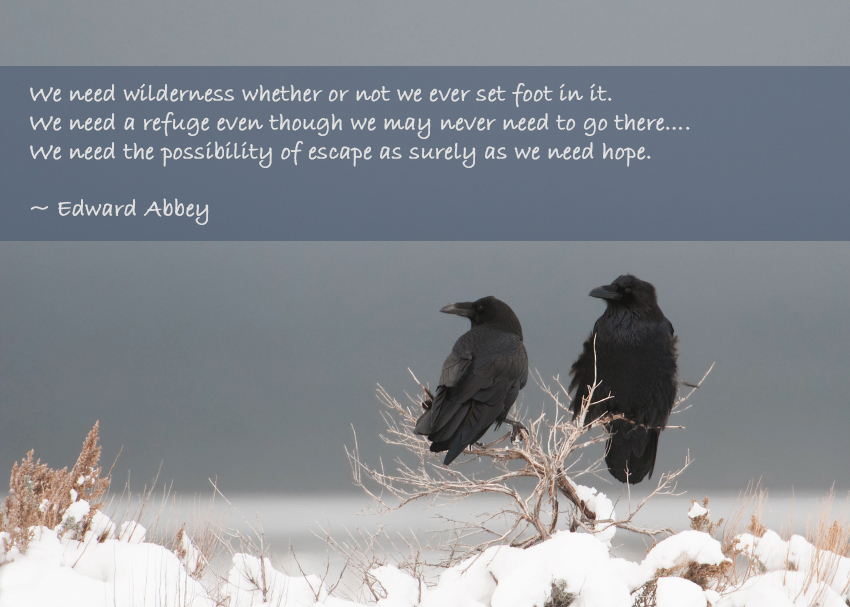
Wilderness brings me peace, hope and the desire to immerse myself into it as much as I possibly can.
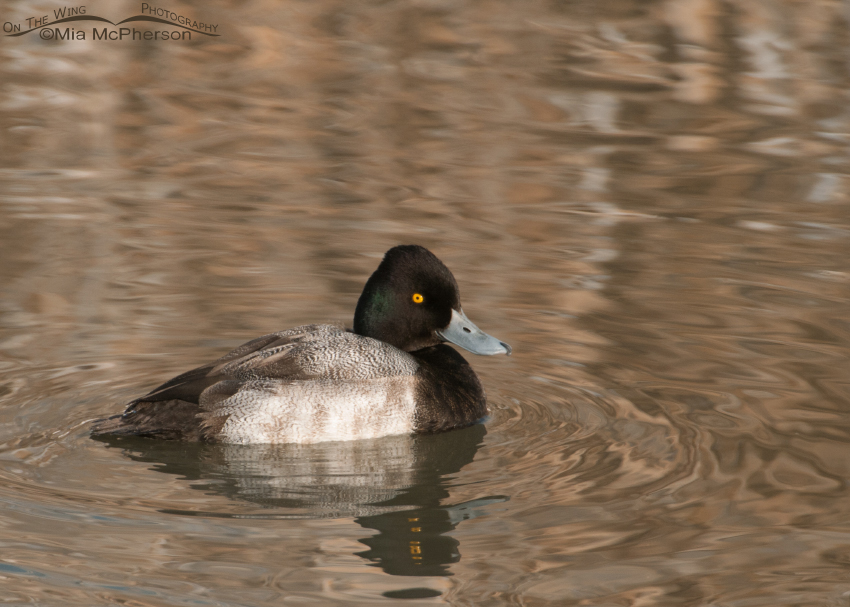
We catch up and share stories of birds we saw in the warmer months and reveal the journeys we have been on.
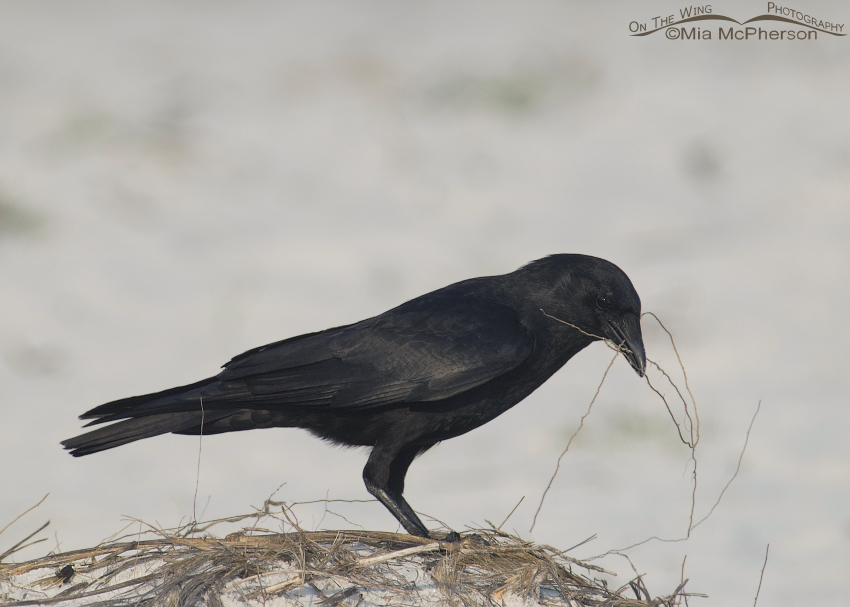
If the proposed crow hunt isn't stopped Common Ravens; fully protected under the MBTA, will almost certainly be killed this coming September because of mistaken identity.
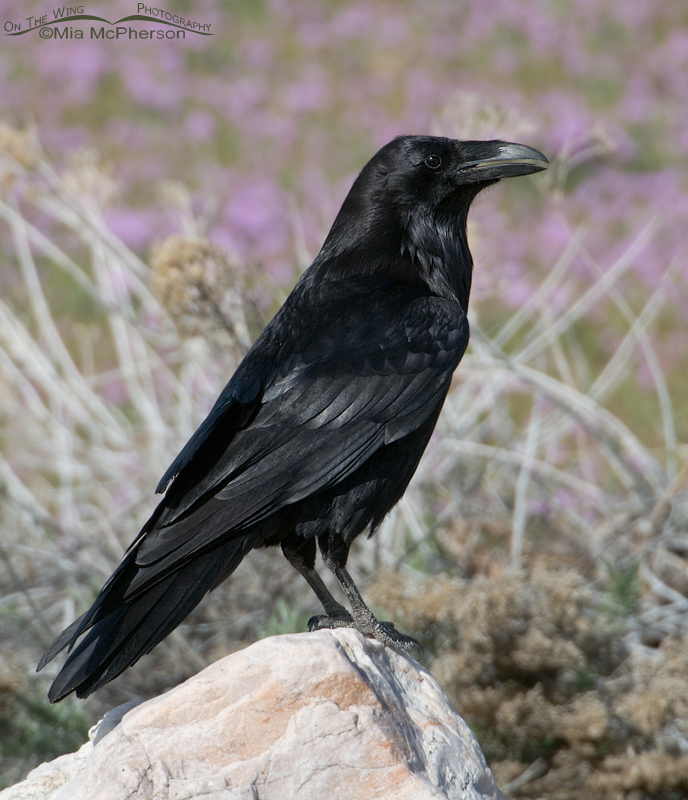
Yesterday I was lucky enough to find and point out this springtime Raven perched in front of a field of pink Filaree, a wildflower from the Geranium family.
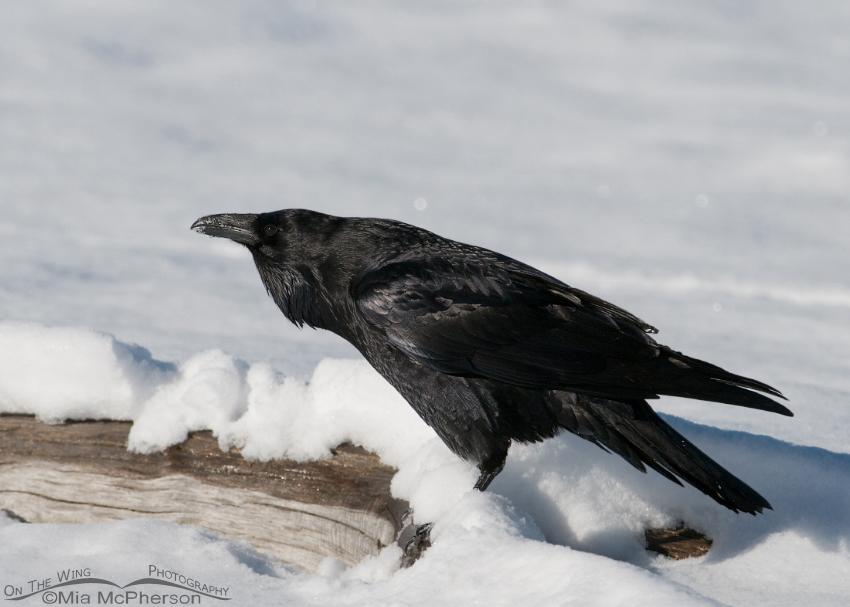
Photographing dark birds such as this Common Raven is a challenge and knowing how to expose properly as well as getting the right angle of light is critical in producing a quality image.
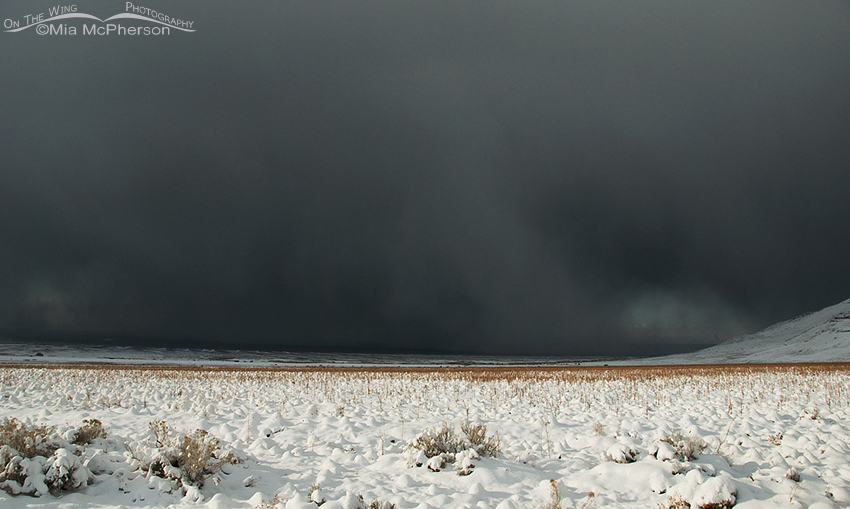
I mentioned that there had been low light, falling snow and that the weather conditions before photographing the Loggerhead Shrike and Prairie Falcon weren't great.
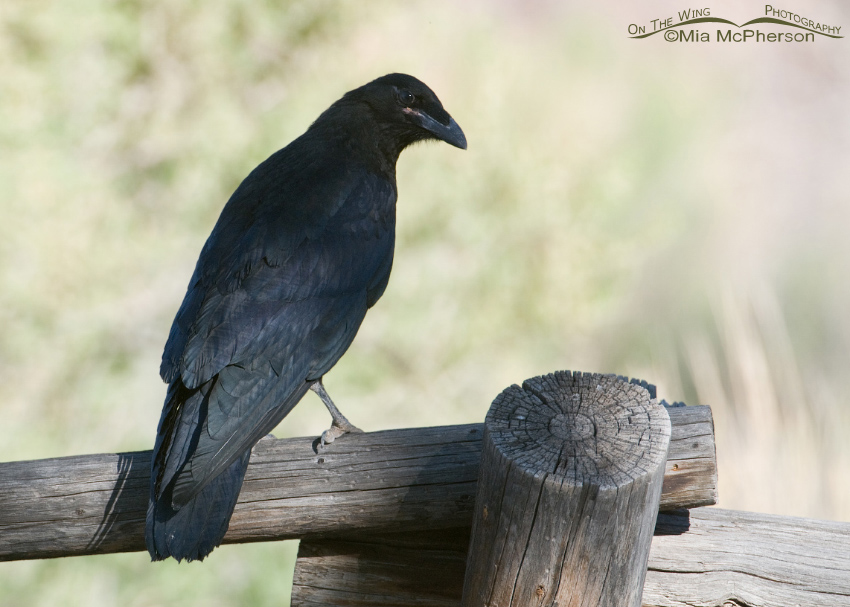
This bird is easily identifiable as a juvenile Common Raven because of the short tail, the pink on the gape and the violet-blue eyes.
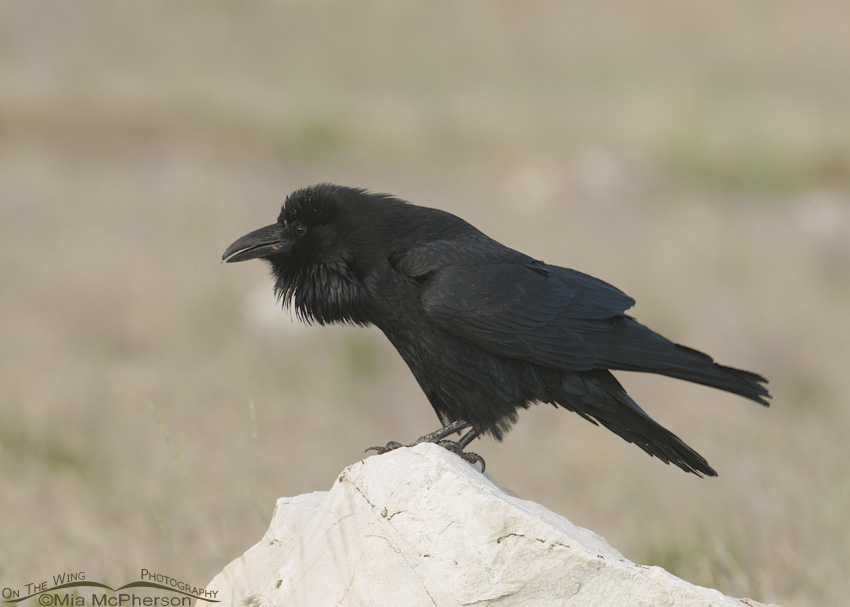
I came across this Common Raven perched on a small rock in an open field that had been feeding on roadkill on the shoulder of the road.
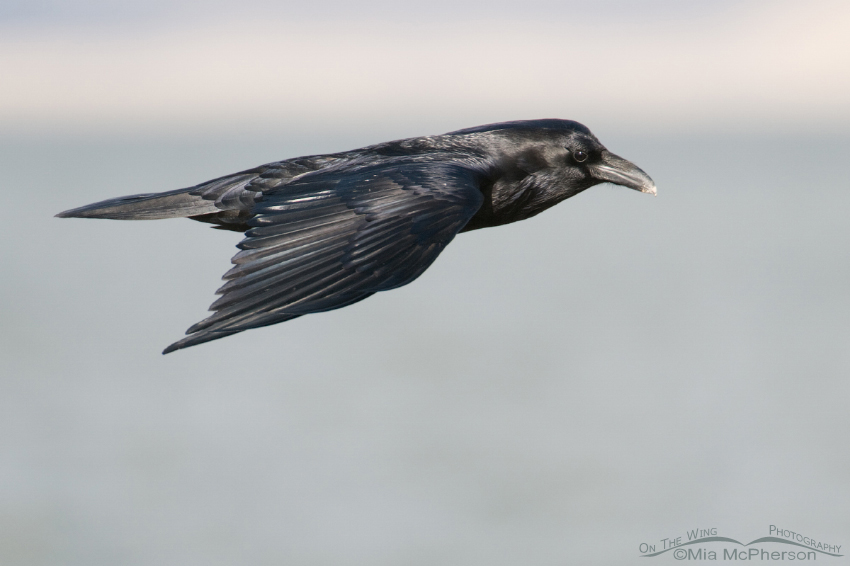
Ravens have always appealed to me even though some people might consider them "plain black birds". One of the reason I like them so much is that they are very smart and among the most intelligent birds in the world.
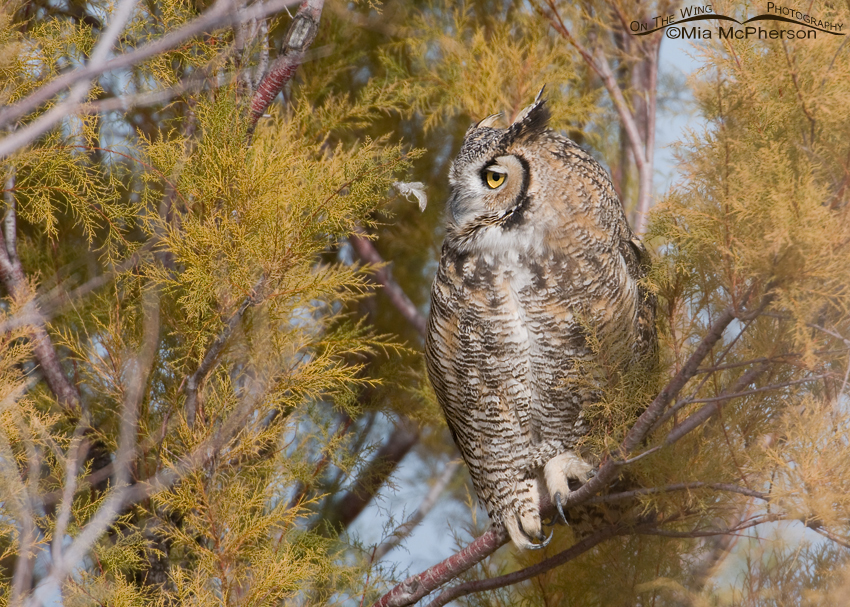
This is the third post in my series about Wild and Wonderful Antelope Island State Park, I've saved the best (and longest) for last. The Birds! Okay, maybe they aren't the best thing about Antelope Island State Park, but I am a bird photographer and they are what I am most passionate about!
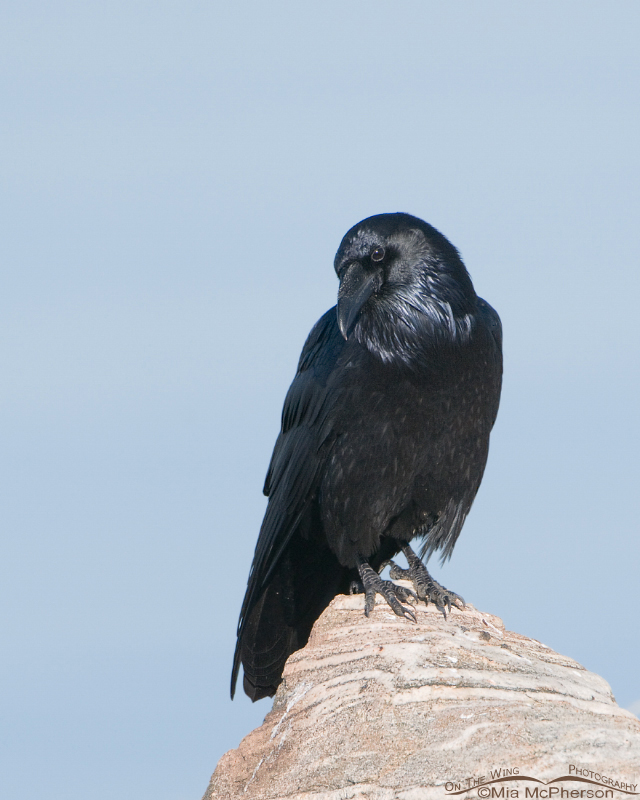
Ravens hold a special place in my heart because they are smart (actually brilliant for birds), collectors of things shiny and/or odd, they let you know about their presence with hoarse croaking sounds and they are very amusing to observe and photograph.