
Adult and juvenile White Ibis

Adult White IbisAdult White Ibis – Nikon D200, handheld, f6.3, 1/500, ISO 250, Nikkor 80-400mm VR at 400mm, natural light

White Ibis can be strange looking birds to people who have never seen them before, they have soft, sky blue eyes, skinny legs, long necks and a bill that could be compared to Jimmy Durante’s nose. The adults have white feathers, hence the name White Ibis.

There are three other Ibis species found in North America, the White-faced, Glossy and Scarlet Ibis. In the wild I have seen all but the Scarlet Ibis.

I photographed this adult White Ibis at Fort De Soto County Park’s north beach in a tidal lagoon one evening in June of 2009, the sun was starting to set and the tide was going out rapidly.

Juvenile White IbisJuvenile White Ibis - Nikon D200, handheld, f7.1, 1/500, ISO 200, Nikkor 80-400mm VR at 330mm, natural light

Juvenile White Ibis have the same shaped body, legs, neck and bill and their eyes are also a sky blue but their feather colors are different. Immature White Ibis have browns and tans in their plumage and as they age those feathers are replaced with white, they can look piebald until that change occurs.

This juvenile white Ibis was photographed in December of 2008 about 200 feet from where the adult above was photographed in the same lagoon but earlier in the afternoon so I didn’t have that soft golden light that shows in the image with the adult.

Have a great day,

Mia

Facebook Twitter

Snowy Egret on the shore of the Gulf of Mexico

Snowy Egret in early morning lightSnowy Egret in early morning light – Nikon D70, handheld, f5.6, 1/640, ISO 200, Nikkor 70-300mm VR at 240mm, natural light, not baited

This Snowy Egret was photographed as it stood in the shallow water of the Gulf of Mexico at Fort De Soto County Park’s north beach one early August morning in 2007. I had the north tip of the beach to myself as the sunbathers, beach walkers and other photographers hadn’t arrived. It was very peaceful to sit low on the sand and photographed this Snowy Egret with the sounds of the waves gently lapping at the shore and the calls of gulls, skimmers and other birds overhead.

The Nikon D70 I photographed this Snowy Egret with is ancient compared to newer cameras and it is now the backup to my two backup D200′s that I carry with me on long trips.

Mia

More Snowy Egret images

Facebook Twitter

Earth Day 2013

Jack-in-the-PulpitJack-in-the-Pulpit

I wanted to share these images because today is Earth Day. Every plant on this planet matters today and for future generations. This Jack-in-the-Pulpit matters. It can’t grow in the area where I found it in Florida if rampant development continues at alarming rates. Many plants are endangered from development, pollution and because they can’t compete with invasive species.

Female Scarlet Skimmer DragonflyFemale Scarlet Skimmer

The earth needs its insects, from spiders, bees dragonflies and every other insect. Bees are critical for food production yet poisons are being used that kill them and genetically modified plants are playing a roll in that too. Insects matter. This female Scarlet Skimmer helps to naturally control insect pests like mosquitoes. Insects matter, a lot.

White morph Reddish EgretWhite morph Reddish Egret

Birds are my passion, my fascination and I appreciate every bird on this planet. Birds matter. Birds help to disperse seeds and they are valuable to each and every one of us, even for the people who don’t realize it. But many birds on earth are in danger of becoming extinct if we don’t step up to prevent it from occurring as it has with the Passenger Pigeon, the Dodo and many more.

Coyote on Antelope Island State ParkCoyote on Antelope Island State Park

Mammals matter, all wildlife does. But wildlife needs our help, many species are vulnerable and endangered. How can we close our eyes?

Zion National Park, UtahZion National Park, Utah

We need to protect the land, it matters. Protect it from pollution, from over development from the scars of mining and clear cutting forests. The Earth matters.

Mia

Facebook Twitter

Shades of Blue – Wildflowers, Birds, Sky and Sea

Blue-eyed GrassBlue-eyed Grass – Nikon D200, handheld, f6.3, 1/400, ISO 200, Nikkor 80-400mm VR at 400mm, natural light

Last week I was Thinking Pink so this week I thought I would focus on the shades of blues found in wildflowers, birds, the sky and seas. Blue-eyed Grass (Sisyrinchium angustifolium) is one of my favorite blue wildflowers from the eastern United States. Blue-eyed Grass isn’t actually a grass at all, it is from the Iris family and may have gotten the “Grass” part of its name because the leaves are very thin and grass-like. I found and photographed this beauty under the pines of the Osprey Trail at Honeymoon Island State Park in Florida.

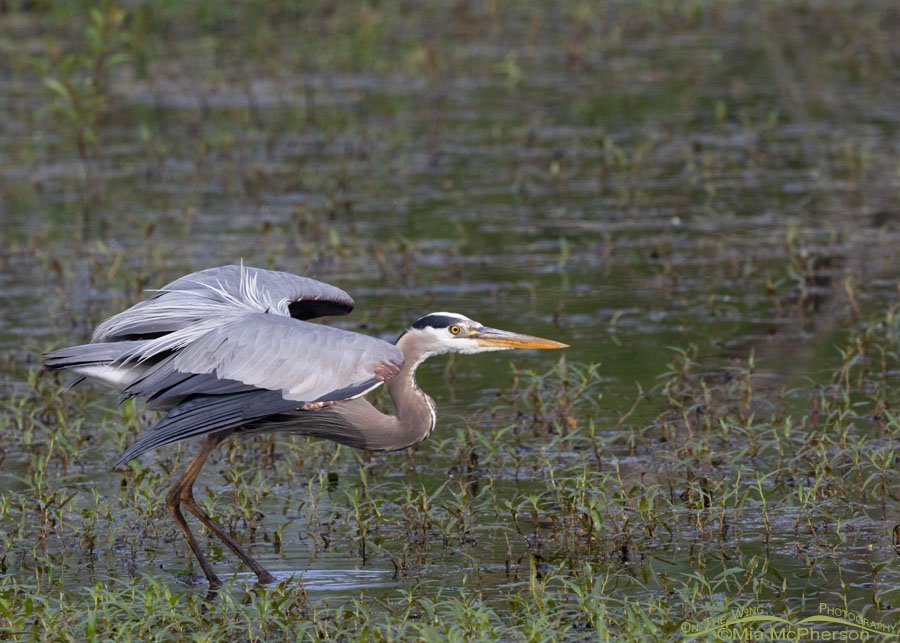
Great Blue Heron in the Gulf of MexicoGreat Blue Heron in the Gulf of Mexico – Nikon D200, handheld, f6.3, 1/1000, ISO 200, Nikkor 80-400mm VR at 230mm, natural light

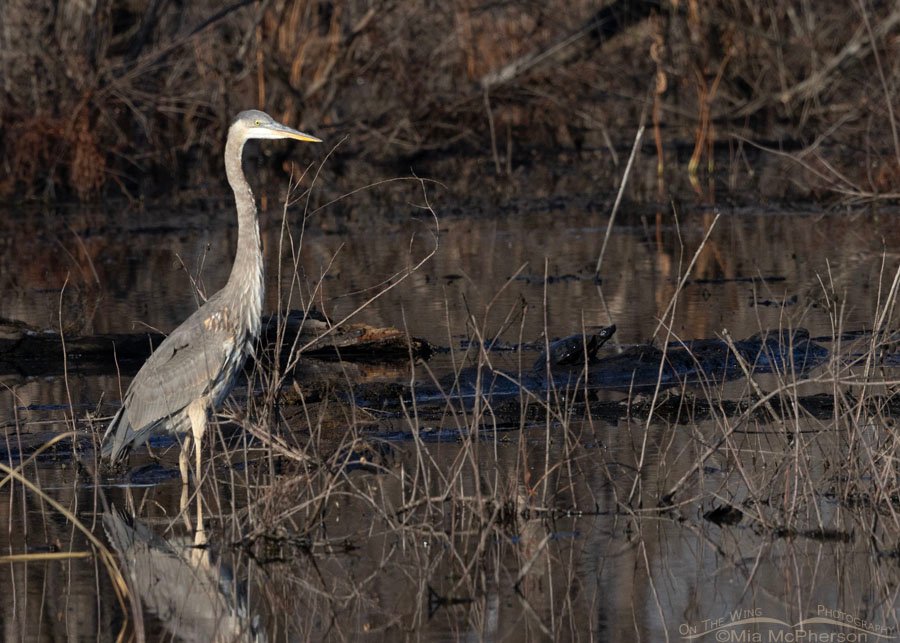
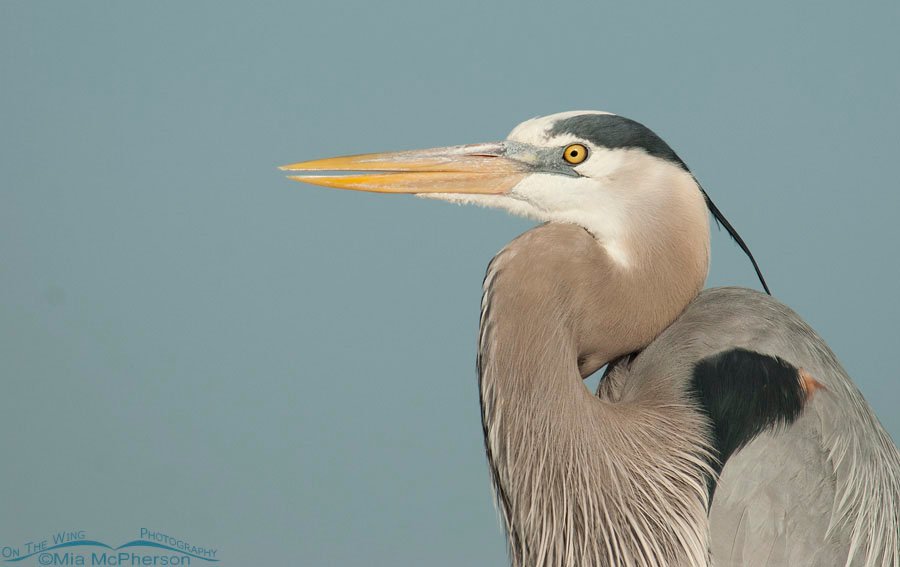
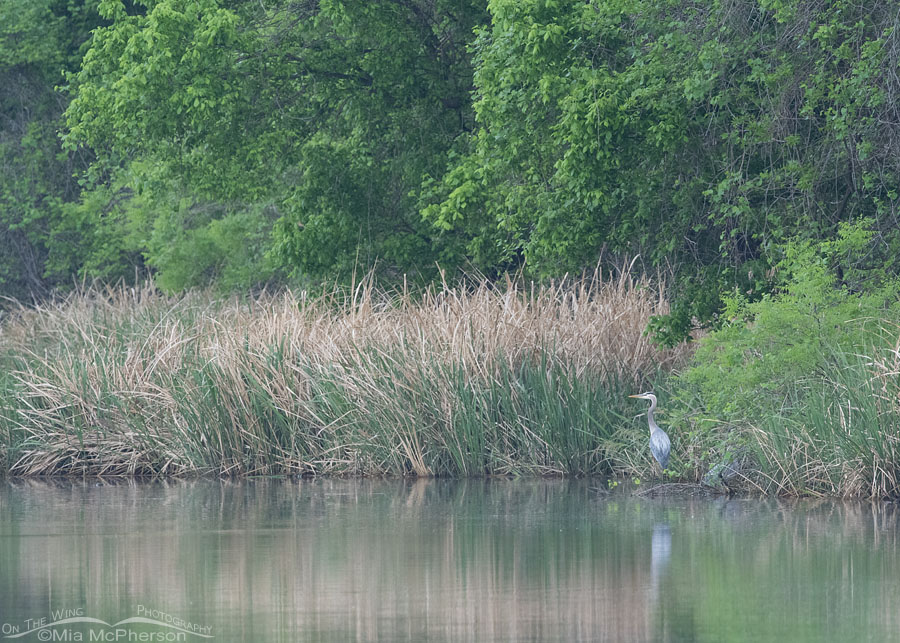
It seems to me that Great Blue Herons (Ardea herodias) are misnamed because they are more gray than they are blue, in fact when I see a Great Blue Heron posted on line that is very blue I scratch my head because they really aren’t that blue. I photographed this Great Blue Heron as it walked along the shoreline of the Gulf of Mexico at Fort De Soto’s north beach in Florida.

Little Blue Heron stalking prey in a tidal lagoonLittle Blue Heron stalking prey in a tidal lagoon – Nikon D200, handheld, f7.1, 1/640, ISO 200, Nikkor 80-400mm VR at 360mm, natural light

Little Blue Heron (Egretta caerulea) adults are more blue than Great Blue Herons, at least from the base of the neck to their tails, their necks have a reddish cast to them. I was sitting in the lagoon with the Little Blue Heron approached me while it was stalking and hunting prey at Fort De Soto County Park in Florida.

Male Lazuli BuntingMale Lazuli Bunting – Nikon D200, f8, 1/500, ISO 250, Nikkor 200-400mm VR with 1.4x TC at 400mm, natural light

Male Lazuli Buntings (Passerina amoena) have a gorgeous azure blue head as well as some blue on other parts of their bodies. The word “lazuli” come from the semi-precious gemstone Lapis Lazuli which comes in various shades of blue with gold colored specks. I photographed this Lazuli Bunting in the San Rafael area of Utah and the background is the color of sandstone found in that area.

Mountain BluebirdMountain Bluebird - Nikon D200, f6.3, 1/2500, ISO 500, -0.3 EV, Nikkor 200-400mm VR with 1.4 TC at 400mm, natural light

Mountain Bluebirds (Sialia currucoides) are one of the bluest bird species I have photographed, especially the males. I didn’t add any color saturation to this image at all, this is how blue the bird looked in the light conditions I had at the time I took this image at Red Rock lakes National Wildlife Refuge in Montana. The males during the breeding season are a rich, vibrant blue.

Blue skies at Red Rock Lakes National Wildlife Refuge, MontanaBlue skies at Red Rock Lakes National Wildlife Refuge, Montana – Nikon D200, handheld, f20, 1/160, ISO 400, +0.3 EV, Nikkor 18-200mm VR at 18mm, natural light

Some of the bluest skies I have ever seen have been at Red Rock Lakes National Wildlife Refuge in southwestern Montana where on a clear (or not so clear) day you can see for miles & miles. I loved how this wave of clouds fanned out in this frame and added a nice contrast to the blue tones in the sky.

Amazing blues of Magens Bay, Saint Thomas, USVIAmazing blues of Magens Bay, Saint Thomas, USVI – No techs, this is a panorama made from several images that were joined together

The colors of the seas and oceans have always drawn me to water because they can vary from the palest aquamarine to deep royal blues and everything in between. Magens Bay in Saint Thomas and the Atlantic Ocean beyond it give this image wonderful shades of blue that I find very soothing and it brings back nice memories of my stay on the island.

Shades of blue…

Mia

Facebook Twitter

A few bird images from this past week

Male Long-billed Curlew callingMale Long-billed Curlew calling

Because of fluctuating weather I have only gotten out to photograph three times this past week, on the days I didn’t get out I know I was having withdrawals because it is spring migration and I’m excited to see my first of years birds and to photograph the ones that have already returned.

Last Saturday the weather was a bit on the gloomy side but we went to Antelope Island anyway to meet up with Steve Creek who was camping on the island and visiting from Arkansas. Before seeing Steve I took this image of a male Long-billed Curlew calling. The bills of male Long-billed Curlews are shorter than the bills of females.

Steve didn’t stay in Utah as long as he hoped because our weather turned nasty with a storm front coming in and rain/snow in the forecast. The winds got pretty bad ahead of that front.

Male Mountain PloverMale Mountain Plover

The highlight of the week was when I spotted a pair of Mountain Plovers on Antelope Island State Park, they are rare to Utah and they were lifer birds for me. I sent in my report to the Utah Bird Records Committee along with a few images.

Who knew that sighting a tiny shorebird could cause such an uproar?

Anyway, I took loads of images of the pair of Mountain Plovers that I am very happy with. I suspect there are more of these beautiful shorebirds in Utah this time of the year but they might be located in areas that are under birded or inaccessible to the general public.

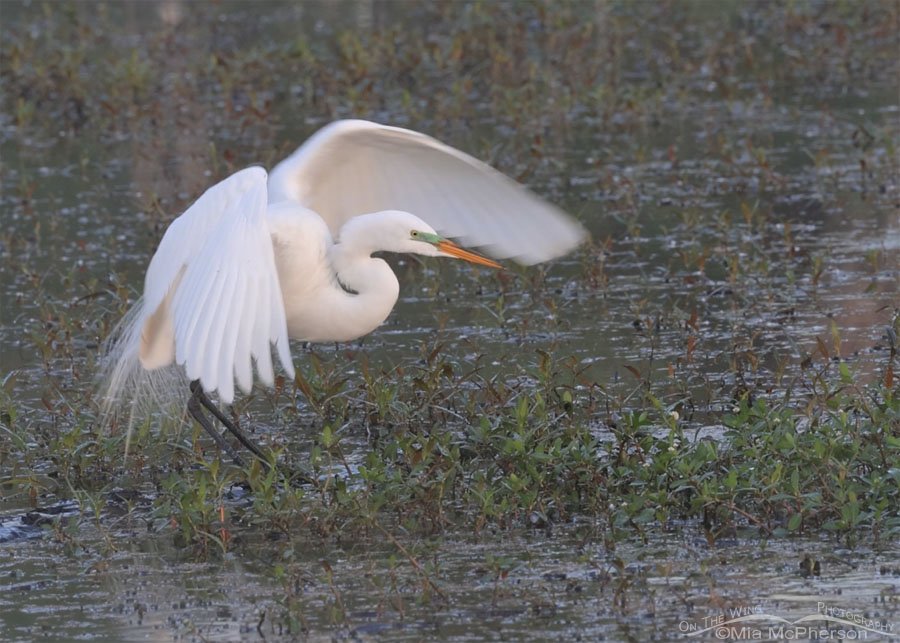
Great Egret stalking preyGreat Egret stalking prey

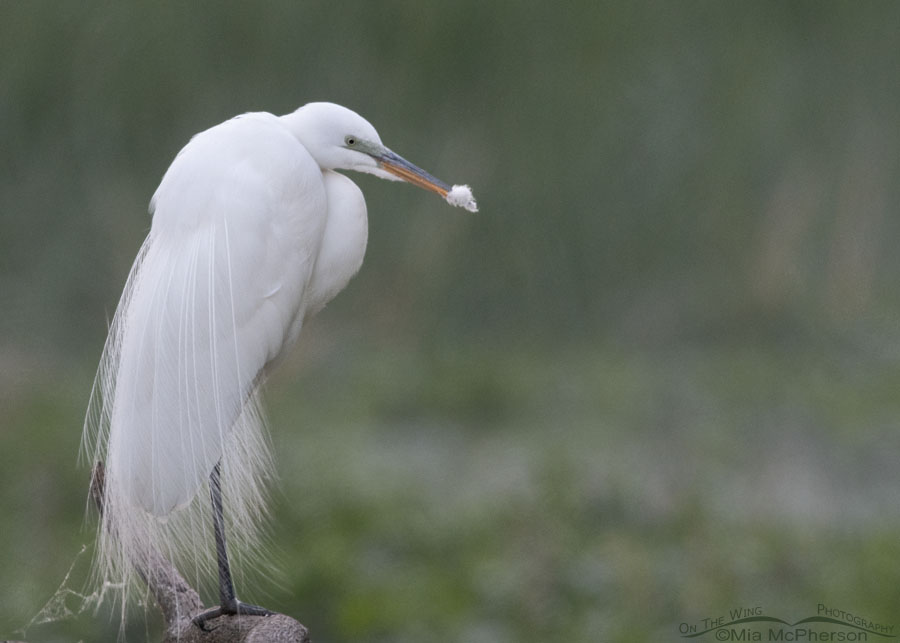
Yesterday at Bear River National Wildlife Refuge I saw a few first of year birds for me, two Great Egrets, a few Snowy Egrets and Clark’s Grebes delighted me. I also spotted a Rough-legged Hawk from a distance, all the Roughies will soon be gone.

American Avocet in flightAmerican Avocet in flight

Black-necked Stilts and American Avocet numbers are on the increase at Bear River National Wildlife Refuge and their calls are filling the air.  This one flew past me and seemed to beg me to take pictures of it. Okay, the bird didn’t beg, I simply could not resist taking images of it.

American Avocets matingAmerican Avocets mating

Speaking of “not being able to resist”, these two American Avocets couldn’t resist courting and mating yesterday. I wish they had been a bit closer but I feel lucky to have gotten the images I did of them because they mate very quickly. You can’t blink while they are mating or you will miss it.

I’m hoping the weather this upcoming week is better so I can experience more of the wonders of migration.

I tripped yesterday in a parking lot which literally brought me to my knees. My knees are scraped up and bruised and although I was embarrassed by my lack of grace, I’ll be fine.

Even though I only got out to photograph birds three times this week each of the days I did get out were very memorable!

Have a great Saturday.

Mia

*Please do not pin my images on Pinterest, Tumblr or any other pinning site, that is a violation of Copyright Laws. Feel free to share the link to my posts but not the images directly.

Facebook Twitter