Male Horned Lark In The West Desert
In the West Desert of Utah there are a few places in Tooele County I can almost be sure to find Horned Larks warming themselves in the morning light on rocks and boulders.




In the West Desert of Utah there are a few places in Tooele County I can almost be sure to find Horned Larks warming themselves in the morning light on rocks and boulders.

I love the light and the mudflat setting I photographed this Black-bellied Plover in on a warm April morning in Florida several years ago.
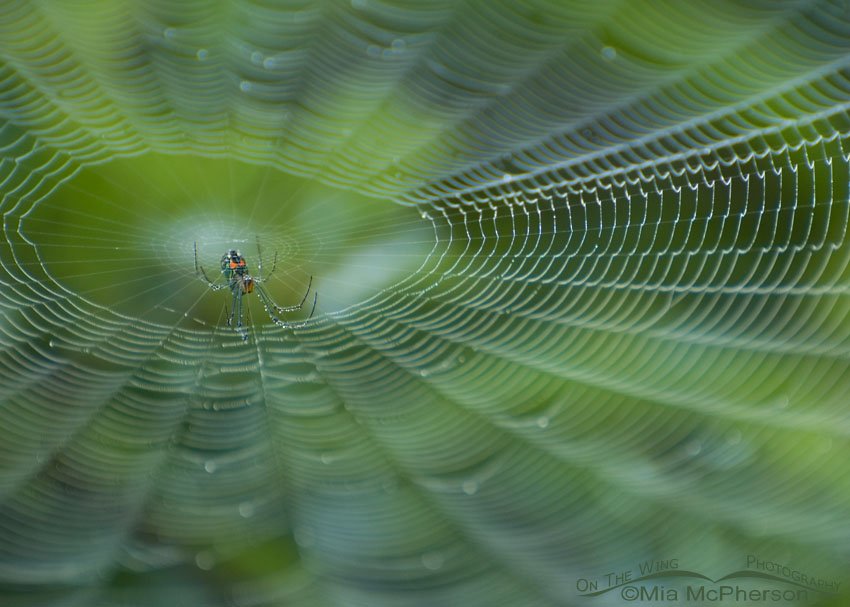
First, I want to admit something. I don't think spiders are creepy or crawly. They do crawl at times but I think they are beautiful creatures.
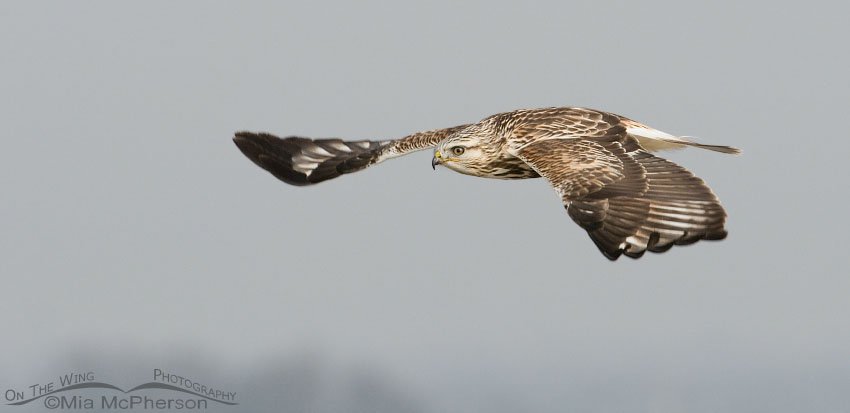
This past Sunday I saw my first of the season Rough-legged Hawks and I was absolutely thrilled. There were definitely five different birds and a possible sixth.

This past September I spotted an adult Red-tailed Hawk perched high on a rocky canyon wall as it looked out over the cold waters of Elk Lake in Beaverhead County, Montana.
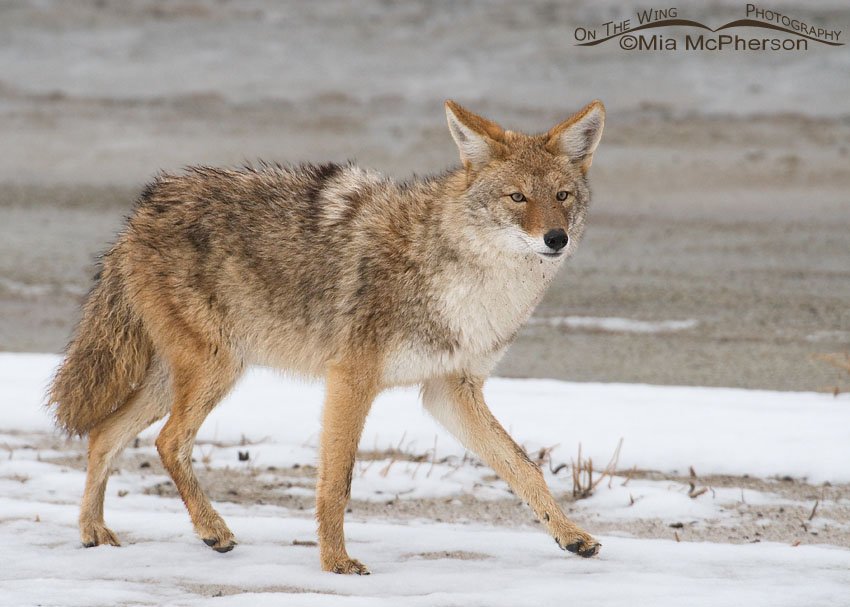
While looking for Rough-legged Hawks last year I spotted this Coyote strolling along the causeway to Antelope Island looking for falcon leftovers.

In 2008 I spent several months during the summer watching an American Oystercatcher family from the time the chicks were tiny until one of the chicks became independent.

Shorebirds; like this tiny Piping Plover I photographed on the shore of the Gulf of Mexico, are the primary reason I became addicted to bird photography.

Two years ago I photographed this Rough-legged Hawk with a vole in its talons as it flew along the causeway to Antelope Island State Park with the Great Salt Lake in the background.

Lately I have been seeing White-crowned Sparrows in the West Desert, at Farmington Bay WMA and Antelope Island State Park in increasing numbers and many of them will over winter here in the Salt Lake Valley.

Just a quick post this morning of a tiny Calliope Hummingbird feeding on Rocky Mountain Bee Plant that I photographed at the end of August.
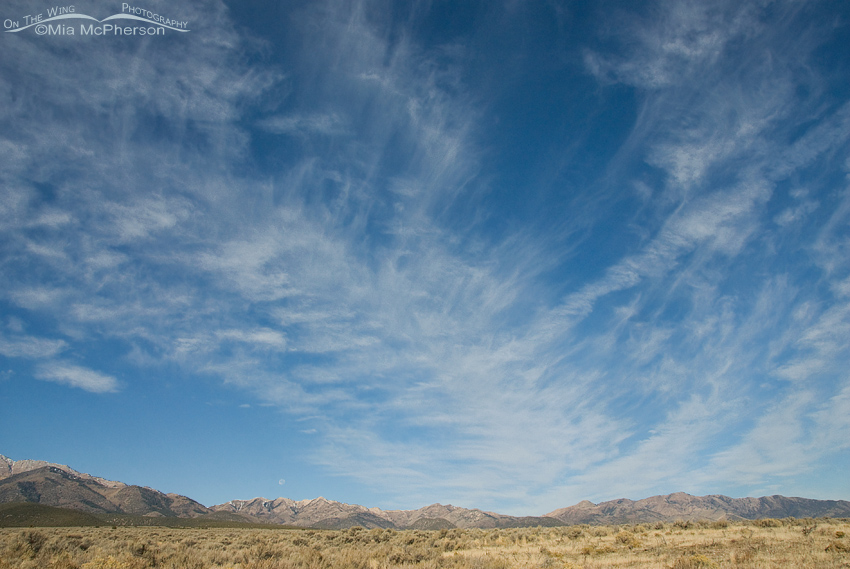
Yesterday while in the West Desert in Tooele County the cirrus clouds appealed to me that fanned out over the Stansbury Mountains.

After posting an image of a American White Pelican lifting off two days ago I thought I should post an photo of a Brown Pelican today for comparison.

Cute Alert! Whenever I see Western Grebe chicks riding piggyback on their parents I can't help thinking that there is a definite cute factor going on right in front of me.

This American White Pelican was taking off from a pond near where I live in Salt Lake County and I happened to click the shutter when its wings were extended upwards and when its feet had just slapped the water

Great Egrets develop fancy plumes when they are in breeding plumage and seem to be quite famous for that but their lores also change color from yellow to a lime green

I love the descriptive name "Tiger of the Sky" when referring to Great Horned Owls, they are fierce, fearless and ferocious and the young owl in the image above is a 'Tiger in the Sky" in the making.
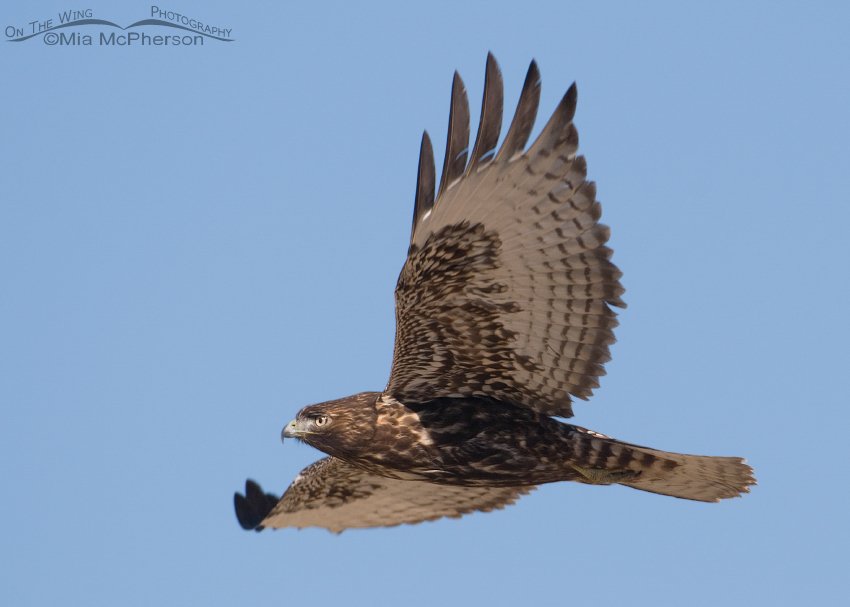
Quite often I don't have much time at all to get ready to take images because you need to get close to the subject, find a good angle of light and make sure your camera settings will produce the best image for the conditions.

Oh, I meant Eagle in disguise, a European Starling. Couldn't resist.
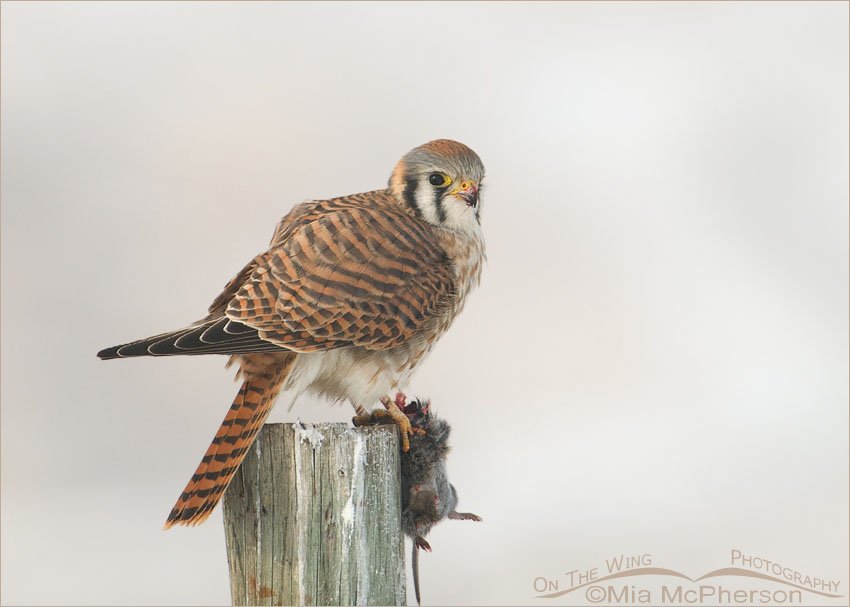
I would describe American Kestrels as tiny but tough, they are North America's smallest falcon but I don't think that hinders them at all.

Both the white and dark morphs of Reddish Egrets are great fun to watch as they hunt because they dance, twirl, whirl and stumble along like a "drunken sailor".
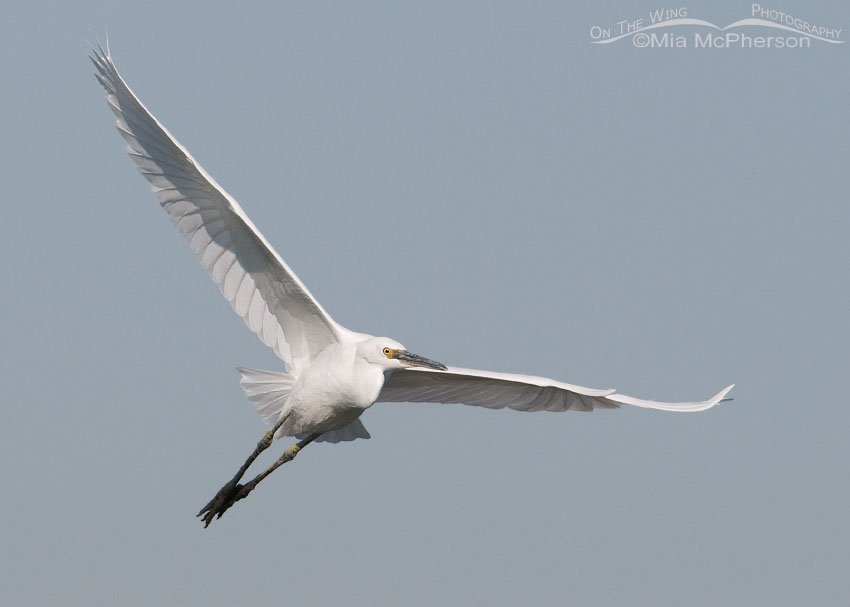
This adult Snowy Egret with muddy legs that were so dirty it covered up its "Golden Slippers".
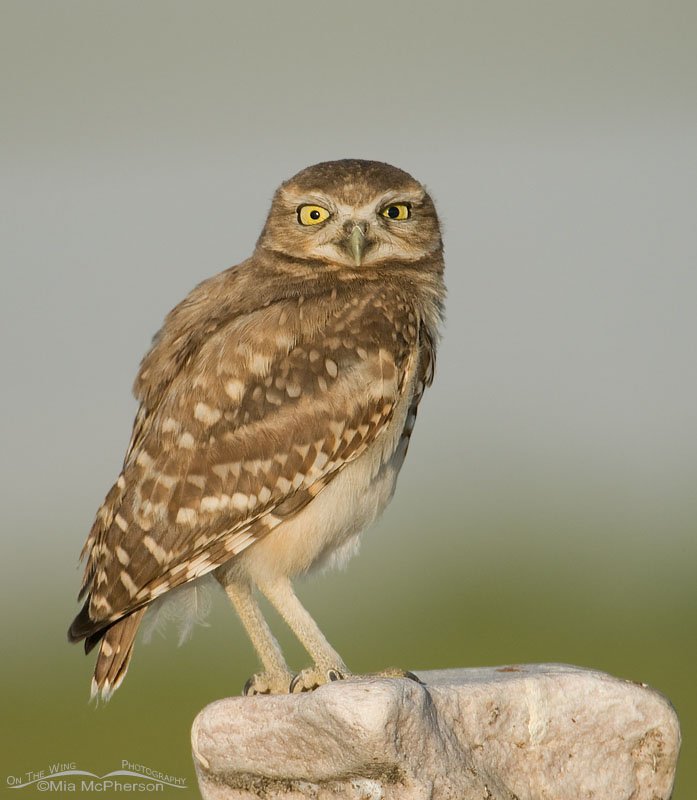
Burrowing Owls are iconic birds of Antelope Island State Park, I can't tell you how many times people write to me and ask "Where can I see Burrowing Owls on Antelope Island State Park?".
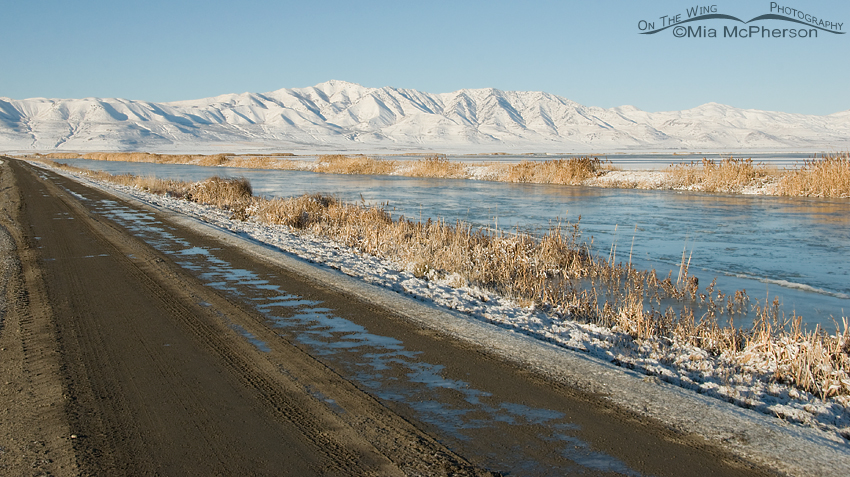
Yesterday on the local news I saw that Governor Herbert offered to fund the reopening of Utah's five National Parks which are Zion, Bryce Canyon, Canyonlands, Arches and Capitol Reef.

I know, I don't have eye contact from my subject which is one of the unspoken rules in bird and wildlife photography but I don't mind bending those rules when it comes to images that I find interesting or appealing.
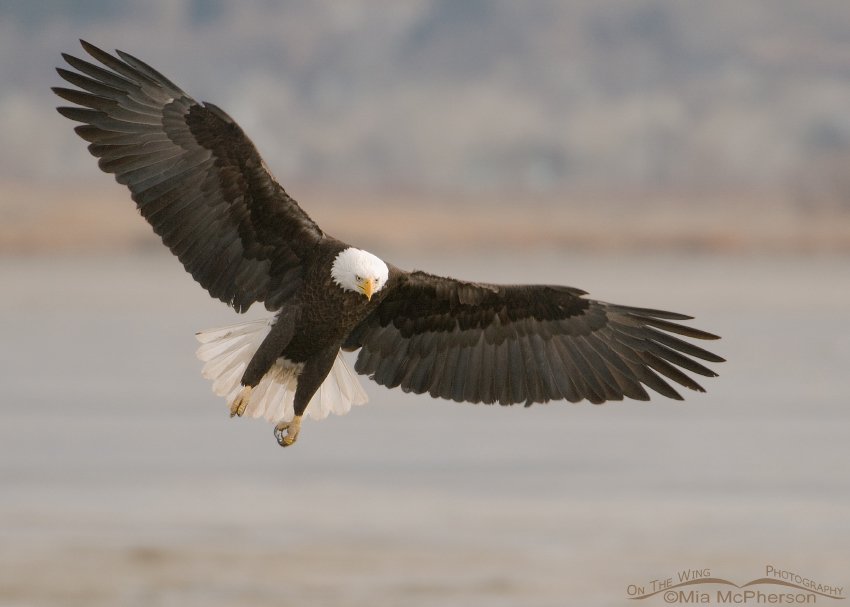
It has been quite some time since I posted a Bald Eagle here so today I present this adult in a landing pose that I photographed in February of 2011 at Farmington Bay Waterfowl Management Area.

In the meantime I am Limpkin along.

Snowy Egret in a hurry that I photographed almost exactly 5 years ago while sitting low in a Florida lagoon.
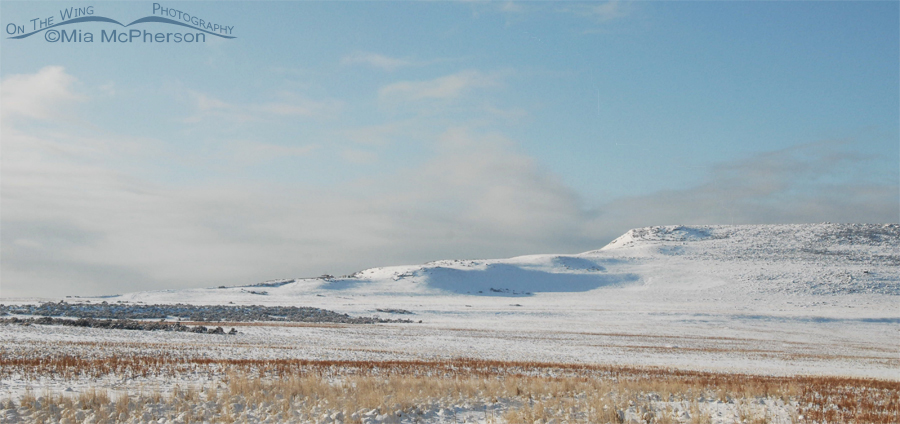
And it won't be long before I am photographing wildlife in drifts of snow and birds on perches covered in white.
Which copyright watermark should I use? The small one that doesn't detract from the Greater Yellowlegs or the larger one that would make it harder for image thieves to use?