Ruddy Turnstone On Driftwood
I was tickled one morning when I came across this Turnstone in nonbreeding plumage perched on a piece of weathered driftwood just after the sun came over the horizon with the waters of the Gulf of Mexico behind it.



I was tickled one morning when I came across this Turnstone in nonbreeding plumage perched on a piece of weathered driftwood just after the sun came over the horizon with the waters of the Gulf of Mexico behind it.

Since winter has thus far decided to stay in more northern latitudes and higher elevations I decided to post an image of a Long-billed Curlew taken in southern, sub-tropical climes a few years ago.
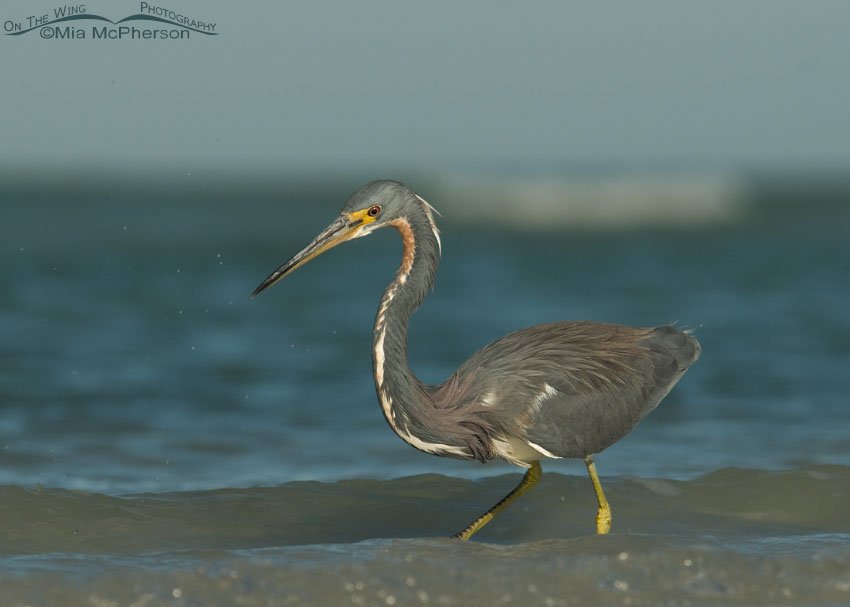
When I photographed this hunting Tricolored Heron I was laying flat on my belly in the shallows where the warm waters of the Gulf of Mexico gently lapped the shore.

This image has always cracked me up, I wonder if the Great Blue Heron even realized its toenails were dragging in the water.

I took this photo in Florida in 2008 as the adult Black Skimmer flew by whilst giving me "the eye". Isn't the color of the Gulf of Mexico behind the bird simply delicious?

While photographing this Snowy Plover in June of 2008 I was able to observe the tiny shorebird snatch an ant from the sugar sand of the north beach of Fort De Soto.

I remember the morning I took this photo well, it was a warm morning in February at Fort De Soto's north beach, the Great Egret was in the tidal lagoon near the Concession Stand and it had been actively hunting when it came up with this Mullet.

While in breeding plumage Tricolored Herons have redder legs, darker red eyes, blue lores and blue on the bill plus a longer, white occipital plume than they do during the nonbreeding season.

I think it is always important to try to remember that not everyone knows that there is such a thing as Birding or Bird Photography Etiquette. It could be a good time to bring the subject up; politely of course.

Just a simple post today to show the differences in the breeding and nonbreeding plumage of Royal Terns.
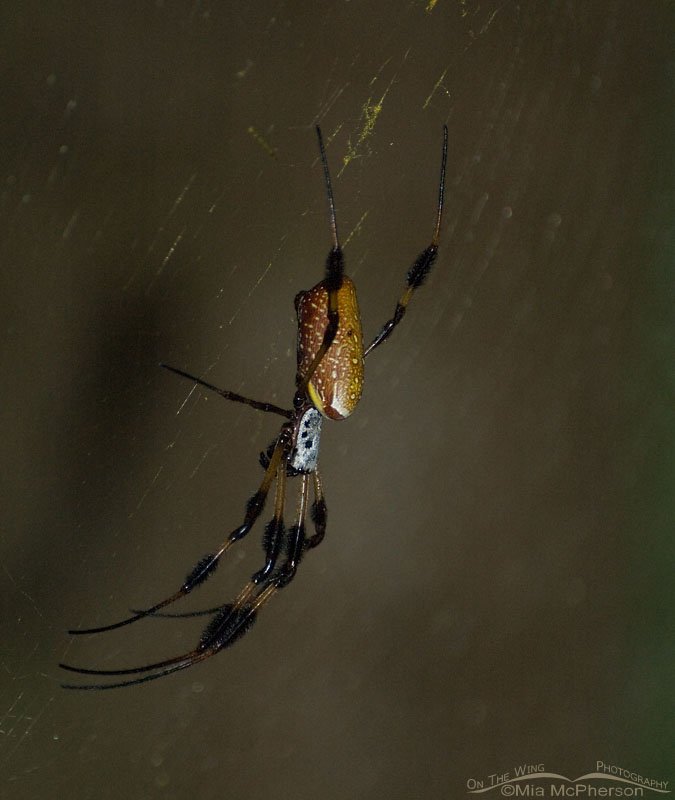
I scoured my files and the scariest thing I could come up with for Halloween is this Golden-silk Spider (other than images of me). I don't think it is really scary except that it doesn't have feathers or fur.
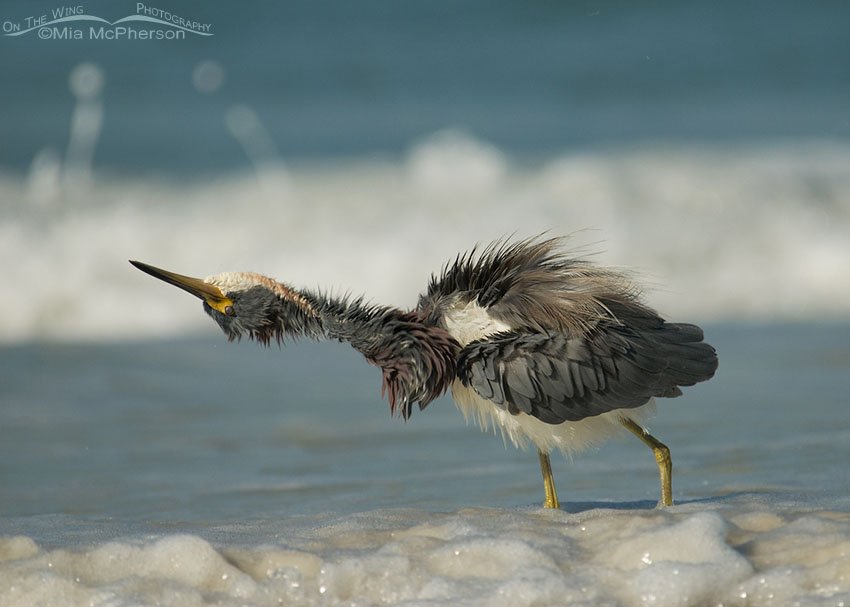
Maybe the Tricolored Heron thought Monday might look better upside down? Just a bit of humor for a Monday.

When I photographed this Wood Duck drake I remember wishing that we had high thin clouds to diffuse the sunlight a bit. It still worked out okay though.

All photographers mess up, some times it is the focus, sometimes it is not having enough shutter speed for active subjects and sometimes a dial gets bumped and when it is not noticed it can affect all the images taken after it has been changed.

Just a few images taken 4 years ago today at the north beach of Fort De Soto.

It seems I have always had a fondness for Great Blue Herons although I don't recall the first time I ever saw one. Great Blues are large wading birds that have a prehistoric look to them and even their calls; more like a croak, sound like something from the long distant past.

I photographed this female Blackpoll Warbler by the parking lot at Fort De Soto's north beach in 2009 during migration.

This image Sandwich Tern was taken at Fort De Soto County Park's north beach several years ago, it was a breezy, very warm day and there were schools of baitfish running just offshore in the Gulf of Mexico.

Just a very simple image today of a Reddish Egret (Egretta rufescens) flying over some sand dunes.

I've had the good fortune to photograph both the eastern and western Willets in breeding plumage, the eastern in Florida and the western in Utah and Montana.

This is an adult White Ibis (Eudocimus albus) that I photographed at Fort De Soto's north beach that was feeding in a tidal lagoon by the mangroves

Wow, this is my 500th blog post and it has been great fun to share my images and the stories behind them. I thought I'd share a few images and bits about my thoughts on photography.

Just a single image of a Marbled Godwit (Limosa fedoa) that strolled past me while I sat in the water photographing it. Every time I look at this image I feel a wonderful sense of peace, the same feeling I had when I took this photo.

I don't get to see or photograph Oystercatchers here in Utah but I still dream about these shorebirds and can hear their calls when I look at the thousands of images I took of them.

Black-bellied Plovers in breeding and nonbreeding plumage can look like two different plover species but they aren't.

I photographed this Tricolored Heron (Egretta tricolor) a few years ago when I still lived in Florida.

Four years ago today Hurricane Ike was out in the middle of the Gulf of Mexico and the waves that it generated made a strong splash at Fort De Soto County Park.

Several people have remarked on how much they like the resting Black Skimmer juvenile image that was in my rotating banner at the top of this blog so I thought I would post it to show the whole bird.
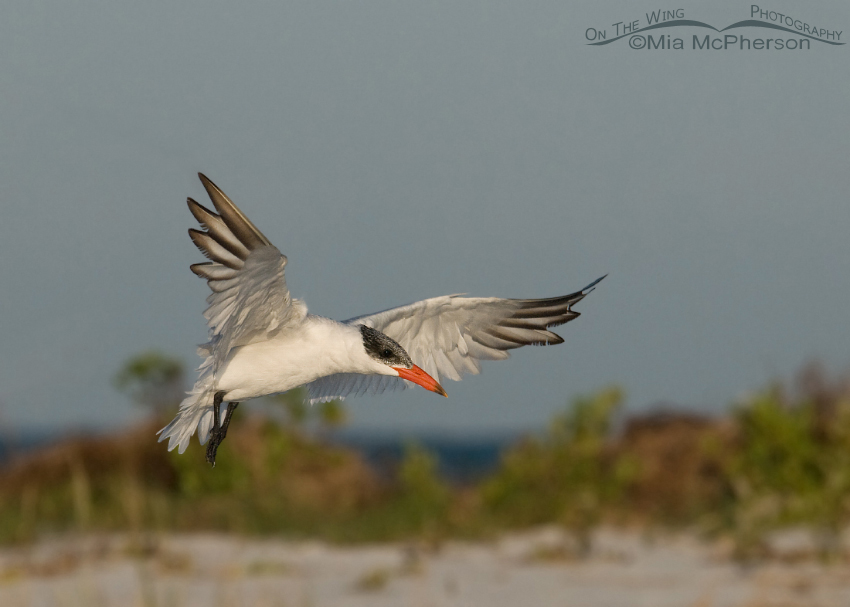
Caspian Terns (Hydroprogne caspia) are North America's largest tern with a wingspan of 50 inches and weighing in at 1.4 pounds.
I am fascinated by "things with wings" and that includes dragonflies like these mating Halloween Pennants (Celithemis eponia).