Rough-legged Hawks
Eureka! The Rough-legged Hawks are back from their high subarctic and Arctic breeding grounds and they seem to be showing up in larger numbers than I have seen them since I moved to Utah.



Eureka! The Rough-legged Hawks are back from their high subarctic and Arctic breeding grounds and they seem to be showing up in larger numbers than I have seen them since I moved to Utah.

My favorite name for Great Horned Owls is "The Tiger of the Sky" and it is very descriptive of this large, fierce owl.
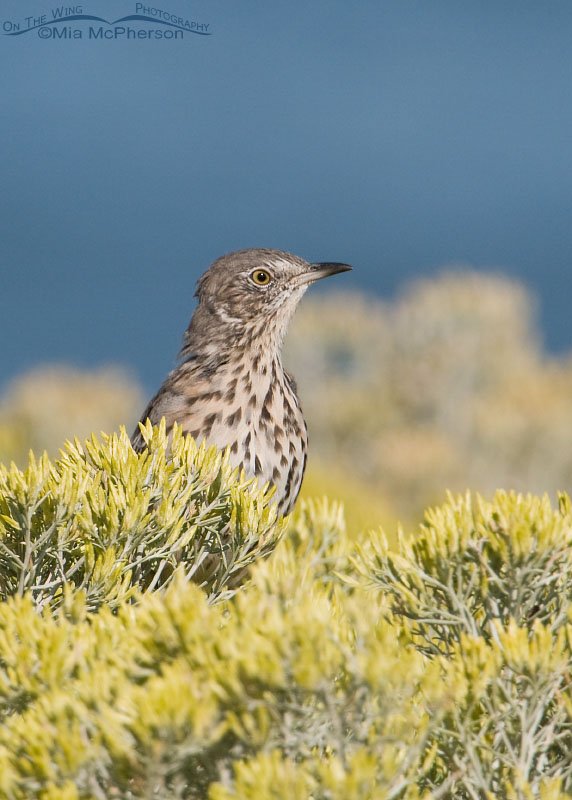
I can't acquire focus on the Lunatic Sage Thrashers because they don't ever stay still long enough, they race around willy-nilly until dizziness forces me to stop watching them. Think Ricochet Rabbit.

Yesterday I came across this very cooperative male Horned Lark (Eremophila alpestris). This male bird preened for a full seven minutes and I took 256 images of it.

Earlier this year in March I wrote an article titled "Burrowing Owls - Loved to Death?" and this post is a sequel to it.

Coyotes and wolves help to cull out the sick and weak animals in herds of deer, antelope and elk which in turn can help to keep those herds in better health
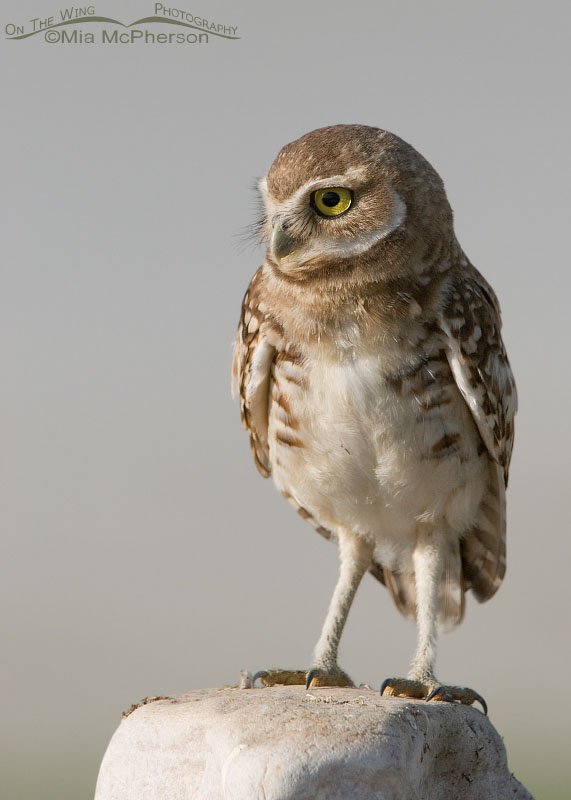
This is probably one of the moments where the juvenile Burrowing Owl looked more serious than at other times.

Yesterday I observed an adult Willet defending its young from a group of Black-billed Magpies that were near the Willet's chicks.
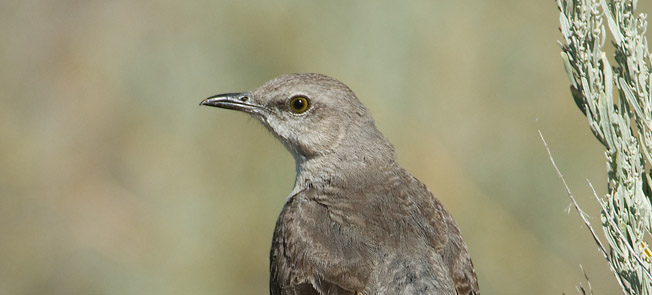
A Loggerhead Shrike flew into a sagebrush and right after that I could hear a bird that sounded upset. The upset bird was this Northern Mockingbird.

I really, really, really wish these young American Barn Owls had been perched on something that looked more natural than old bent metal with droppings all over it
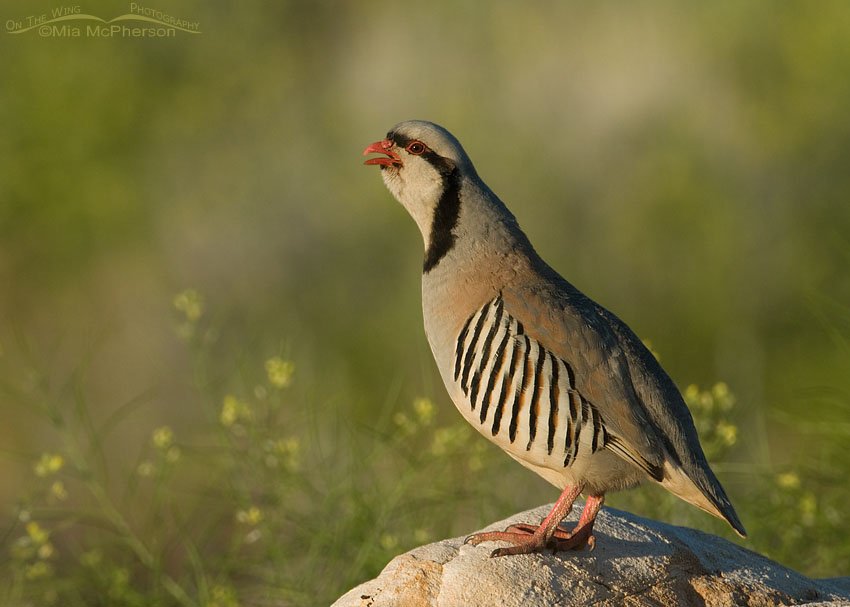
Photographs of the Chukars on Antelope Island State Park, Utah throughout the year.

As a "Nature" photographer one of my goals is to create images that show the bird or animal's natural habitat within the frame

Sometimes I just feel so lucky being a bird photographer. Not only do I get to be outside in nature when I am photographing, but I get nice surprises too like when this Long-billed Curlew juvenile approached near enough to get head shots of it.

The juvenile Long-billed Curlew was foraging and preening in the vegetation on the ground below the adult perched on the boulder

Soon after that I saw the shape of a larger bird near where the Coyote had gone into the sagebrush which turned out to be an adult Short-eared Owl.

The grasses are beginning to turn golden with the summer heat, the Moth Mulleins are starting to bloom and the Great Salt Lake level is still rising from spring run off.

Adults have black eyes, the Black-billed Magpie juveniles have blue, gray or even violet eyes.
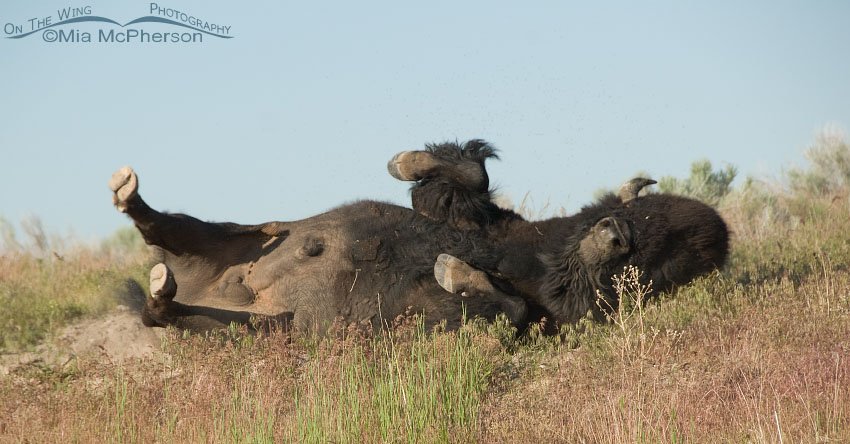
I think it is amazing to see a huge Bison; weighing up to and over 2200 pounds, rolling around on the ground with apparent ease.

One of the habits I have developed after becoming a serious bird photographer is observing and learning about bird behavior and the habitats
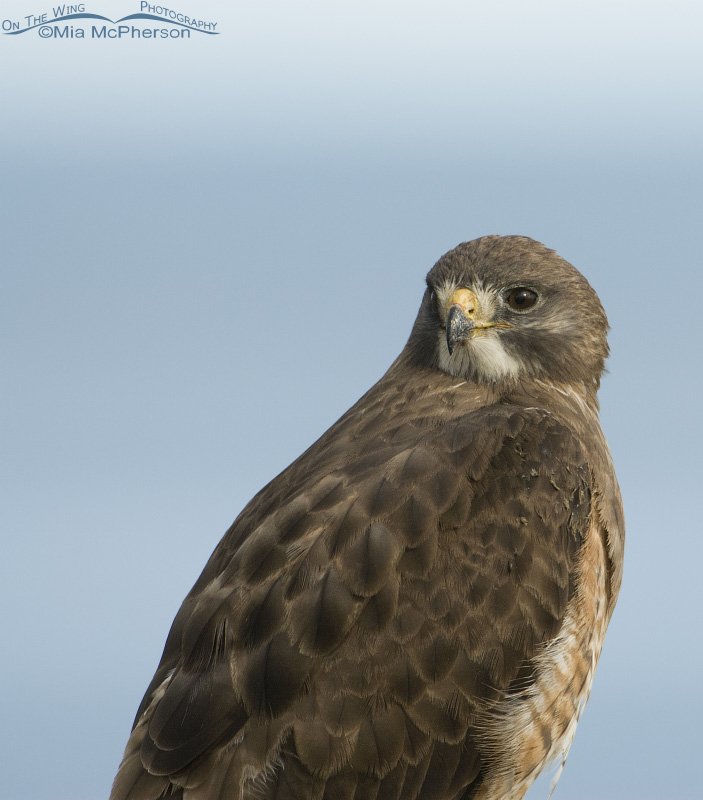
Last Friday I came upon this Swainson's Hawk; not just once but twice, perched on signs very close to the road.
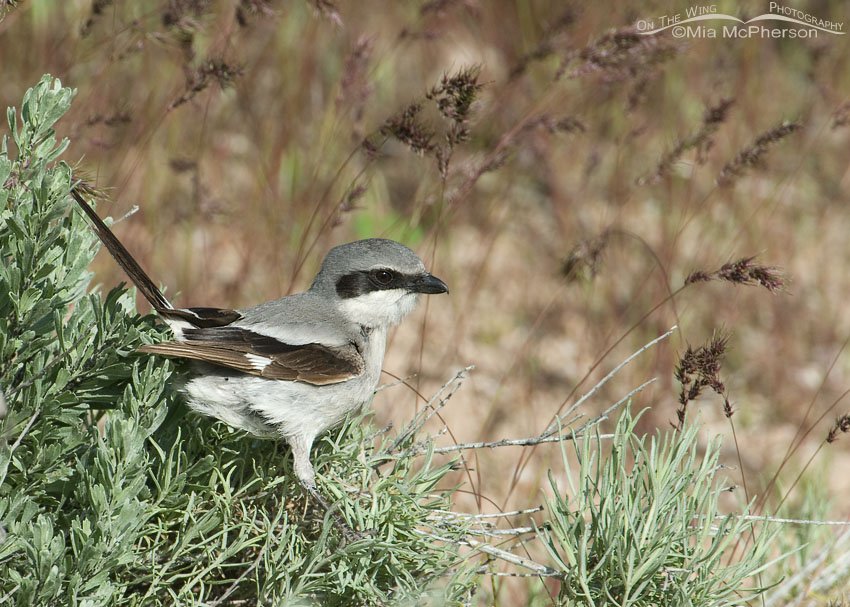
There are days when I see a certain species of birds quite often, depending on location it might be an Eagle filled day, or a Shorebird day. Today was a Shrike kind of day on Antelope Island State Park.

I don't mind the motion blur in these images and because northern harriers hunt by looking down at the ground for their prey I was very happy to get eye contact in both frames.
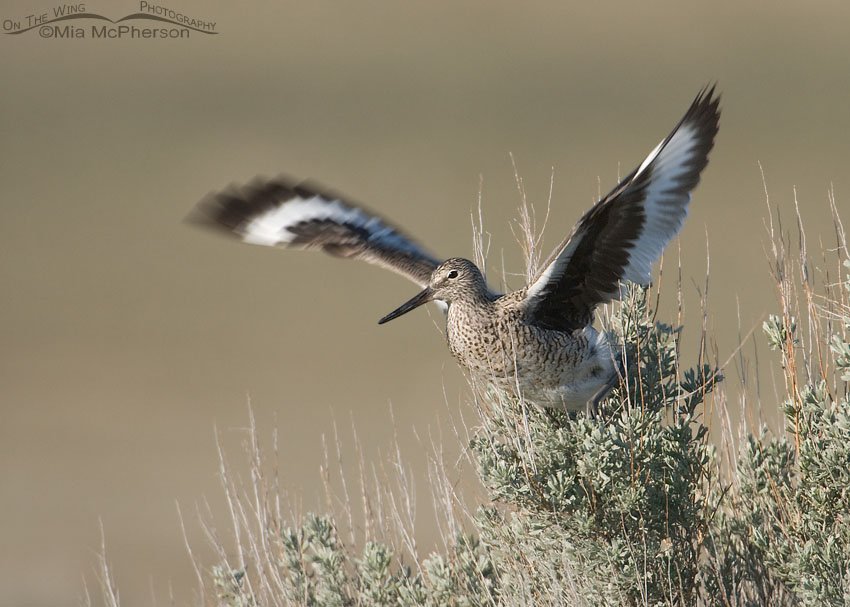
I hereby put the millions of biting gnats on Antelope Island on notice: No matter how many times you break through my insect repellent shield, I am still going to photograph birds on Antelope Island.

Tt was the first time that I have ever seen a Northern Harrier building a nest. It more than made my day!
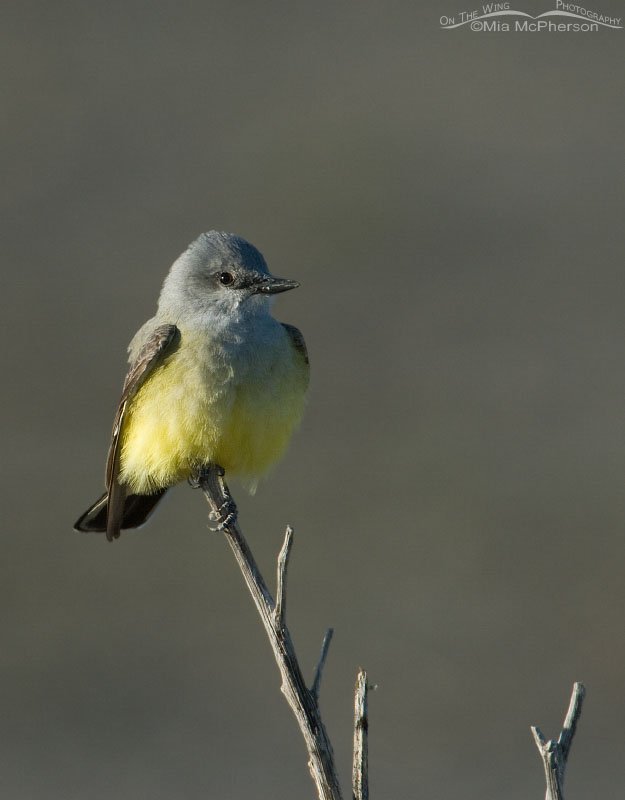
While I observed them one of the Western Kingbirds was actively hawking insects, swooping towards a bug then perching until it saw the next insect.

Last week I spotted a bird that isn't usually here in Utah this late in migration, a Cackling Goose.

I had a delightful experience this past week in northern Utah with an American Barn Owl that was flying along side the road that I was traveling on.

Male American Kestrel in flight with a vole chased off by an appraoching vehicle

Some women wish for diamonds, some men wish for fast cars while young children might wish for a pony or a trip to Disney. Me? I wish for birds. Pretty simple, huh?

Mergansers are considered "diving ducks" and one of the things the three species of mergansers found in North America all have in common are their serrated bills.