November Snow Geese Videos From Sequoyah National Wildlife Refuge
Today I'm sharing a few recent videos that I’ve taken of the Snow Geese that are at Sequoyah National Wildlife Refuge in Oklahoma right now.


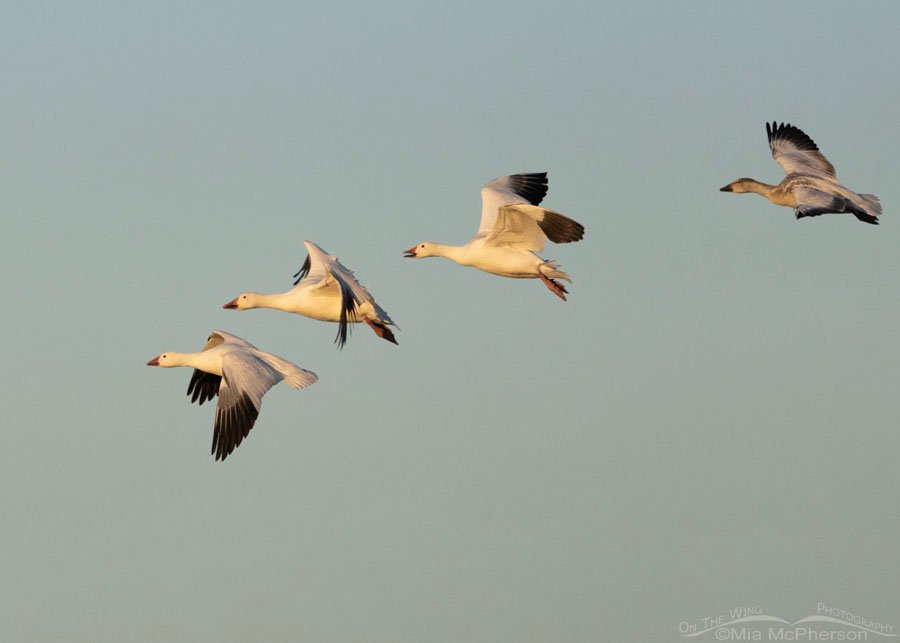
Today I'm sharing a few recent videos that I’ve taken of the Snow Geese that are at Sequoyah National Wildlife Refuge in Oklahoma right now.

When I was at Bear River Migratory Bird Refuge three days ago I realized that in just a few weeks the Clark's and Western Grebes will be returning to the marshes for their breeding season.

I was very excited to spot my first of year Sandhill Cranes yesterday near the causeway to Antelope Island where a pair of the cranes were foraging on the flats of the Great Salt Lake.

Eight days ago it was sunny and bright and I was out having fun photographing a pair of foraging American Avocets in breeding plumage at Bear River Migratory Bird Refuge in northern Utah.
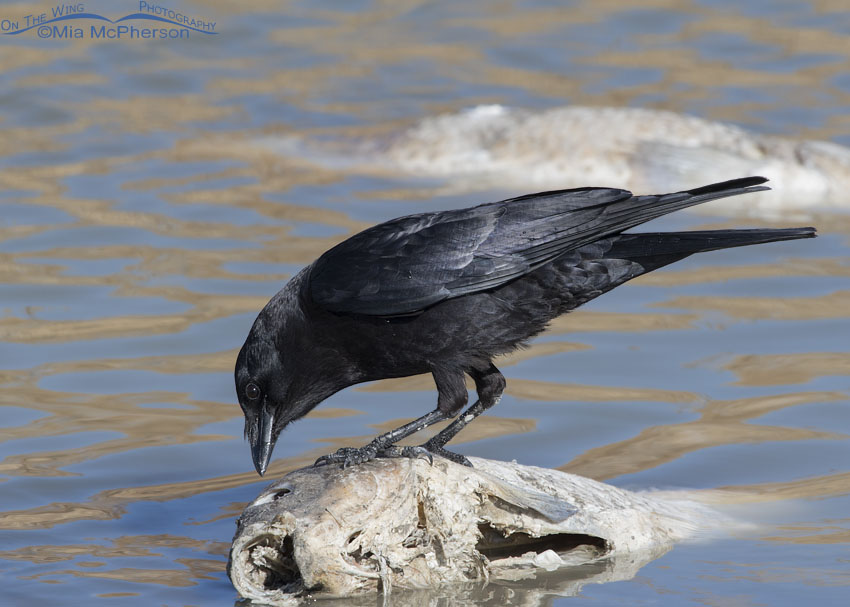
Two days ago there were still numerous American Crows feeding on the carcasses of the carp at Farmington Bay and some of the crows were close enough to allow me to take frame filling images of these pure black birds.

I was positively amazed to see the Clark's Grebes rushing across the water this late in the year, personally I've never seen them rush past the end of July.

Even though I can't see them with my eyes as I write this I can imagine Sandhill Cranes waiting for the first rays of the sun to reach the marshes where they spent the night.

When I came across this Western Grebe family image that I took at Bear River Migratory Bird Refuge I knew this was an image that made me think of spring.

Yesterday afternoon I was at my local pond where I photographed not one but two Pied-billed Grebes in flight. This is rarely seen and rarely photographed.
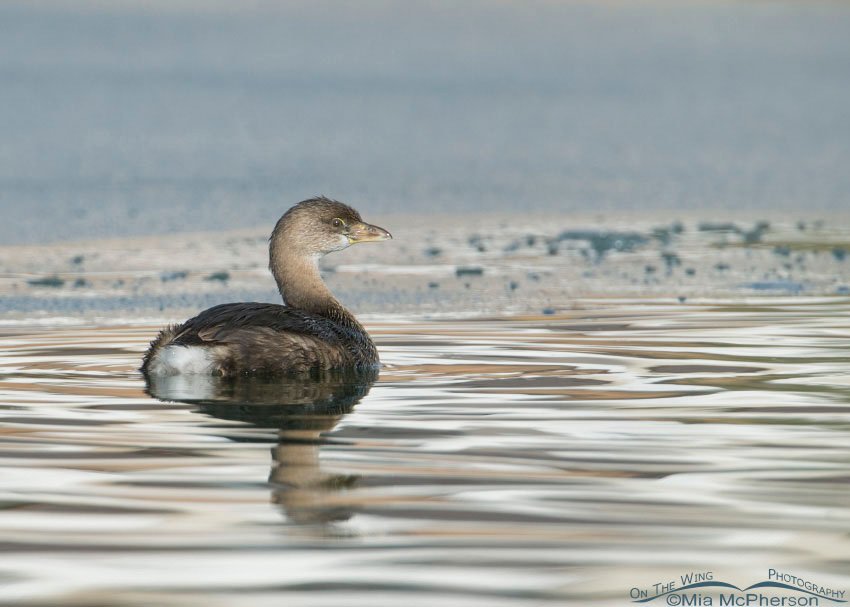
With the forecast of possible snow this week I've been thinking about how much fun it can be to photograph Pied-billed Grebes in the wintertime again.
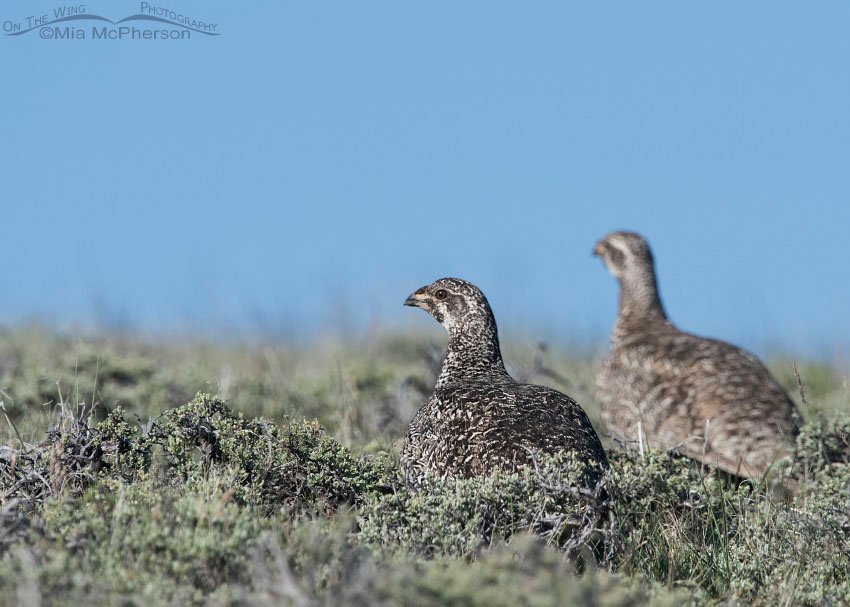
It hasn't been a very birdy trip so far but I did photograph a pair of Greater Sage-Grouse yesterday morning that were close enough to take images of.
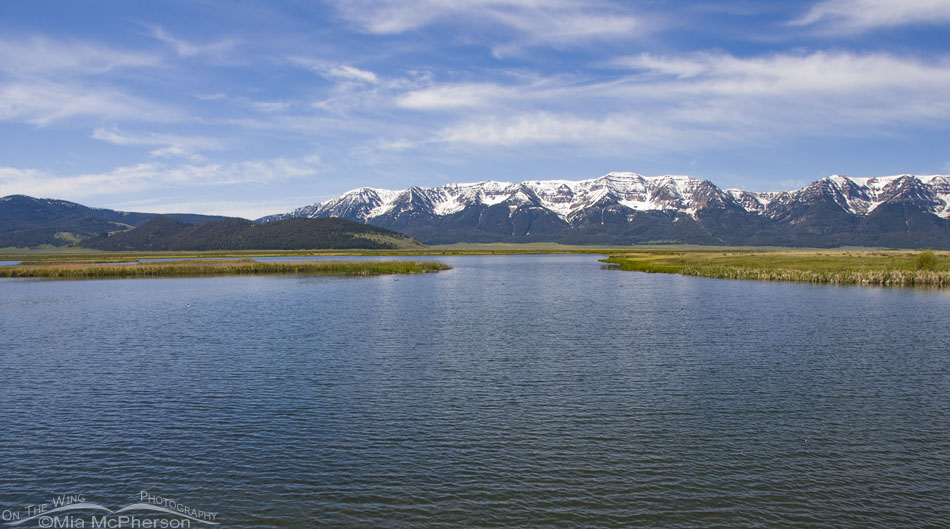
It is raining here in the valley this morning and snow is falling in the high country in the middle of June so I am sitting here dreaming of Red Rock Lakes National Wildlife Refuge.

As I photographed them I saw both Great Horned Owls turn their alert eyes to the sky and although I remember looking up into the sky myself I recall I didn't see anything but the much keener eyes of the owls probably did.

Great Horned Owls and old wood just seem to go together, the warm tones of the wood are a great compliment to the same tones in the plumage of Great Horned Owls.

I photographed this mated pair of Red-tailed Hawks last week in western Montana as they soaked up the warming rays of the morning sun.

This mated pair of Great Horned Owls were resting in the opening of an old granary in Glacier County, Montana when I photographed them in June of 2009.

Black-bellied Plovers in breeding and nonbreeding plumage can look like two different plover species but they aren't.
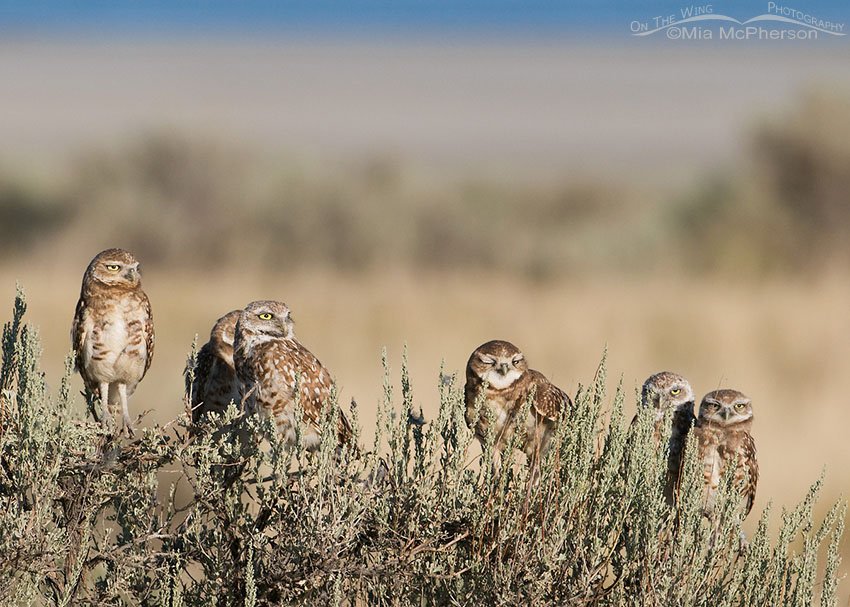
I should mention that not all of the Burrowing Owls from this family are shown in this frame, there are possibly 4 more owlets that aren't perched on the sagebrush

Having one Red-tailed Hawk (Buteo jamaicensis) in my viewfinder is a joy and getting two of them in the same frame is even more of a delight.

During the winter months I miss seeing large flocks of American White Pelicans (Pelecanus erythrorhynchos) soaring in the thermals, in the past few weeks I have been delighted to see them again.

Soon after that I saw the shape of a larger bird near where the Coyote had gone into the sagebrush which turned out to be an adult Short-eared Owl.

One of the habits I have developed after becoming a serious bird photographer is observing and learning about bird behavior and the habitats

For days it has been raining (sometimes hailing), cloudy and a miserable gray here in the Salt Lake Valley though it seems like two weeks to this bird photographer.

Brown Pelicans feed by diving head first into the water to trap fish in the pouches of their bills.

I felt it was time to put the beauty of the adult Burrowing Owls in the limelight.

Two Grebe species that are often misidentified are the Clark's and Western Grebes.
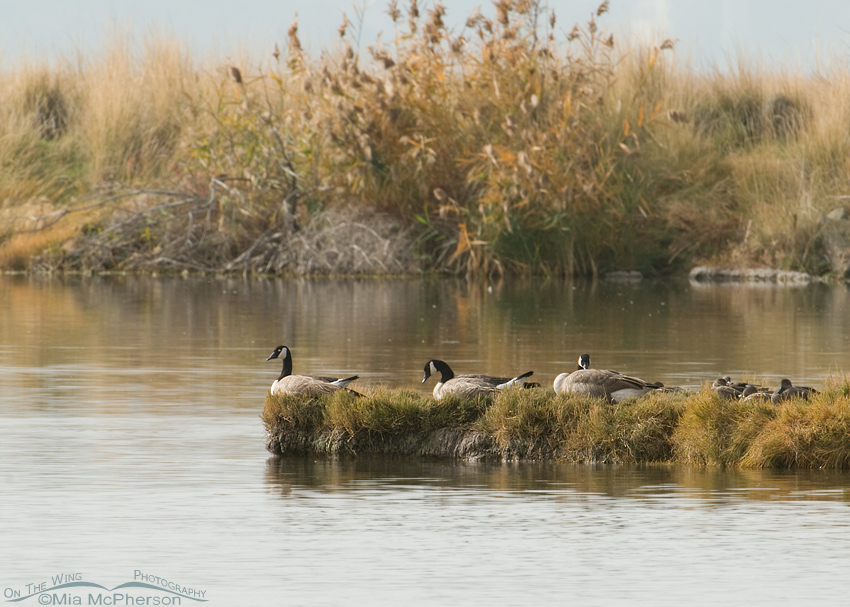
This morning I can hear Canada Geese overhead after a hot summer when I have heard few. Listening to them I realize that soon summer will end and the colorful season of fall will begin.