Short-eared Owl in Evening Light
This male Short-eared Owl in evening light was photographed last year in Glacier County, Montana not too long before the sun set.


This male Short-eared Owl in evening light was photographed last year in Glacier County, Montana not too long before the sun set.
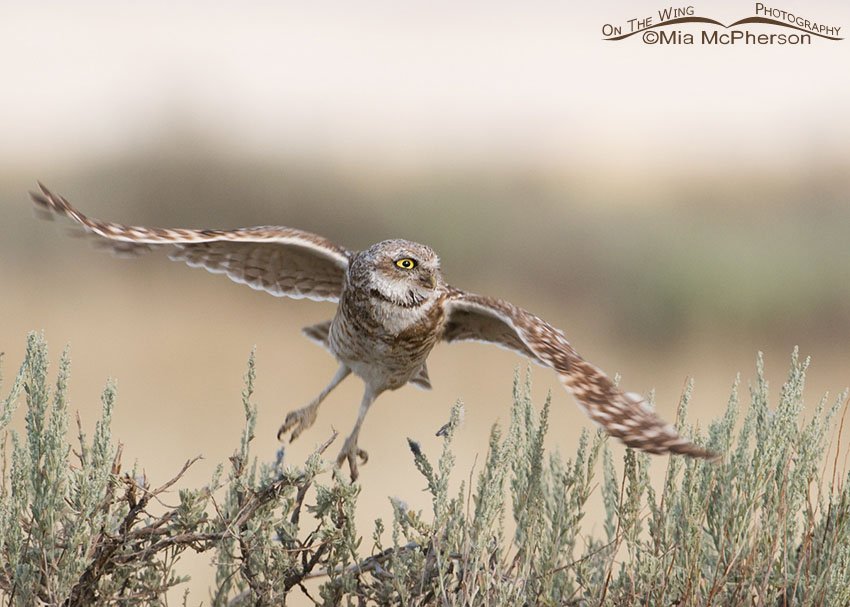
I've been having fun photographing Burrowing Owls (Athene cunicularia) lately and it is a joy to have them in my viewfinder again.

I don't know if the birds think the water of the Great Salt Lake looks refreshing but when the heat is on like today, I sure do!

Light plays a huge part in my photography, I try to be at my location just before the sun comes up or goes down to take advantage of the beautiful light that occurs at those times of the day.
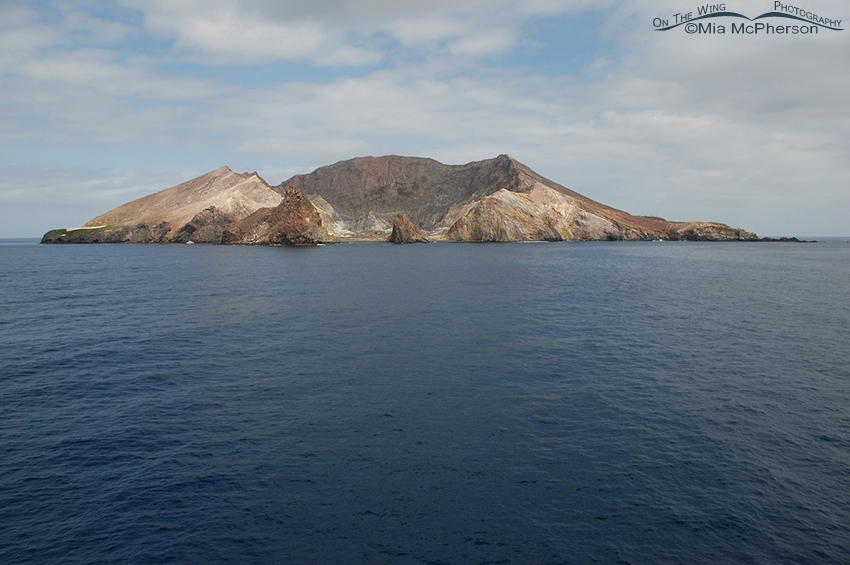
In January of 2008 I was onboard a cruise ship for a tour of New Zealand that included time spent viewing Whakaari / White Island which is an active andesite stratovolcano that rises 1,053 feet above the Bay of Plenty.

There are times when I go out to photograph a specific species but come home with images of birds I didn't expect to see.

White-winged Doves (Zenaida asiatica) are one of the larger gray-colored dove species in North America and they are more at home in semi-arid and desert areas than Mourning Doves.

I bet you are wondering what I mean by "Poopy perches", I know I would be if I saw that title. Am I talking about perches that are man-made and ugly? Or perches that are just not all that appealing visually?

Cheatgrass is invasive but I sure think it can be pretty especially with a lovely bird amongst it like this male Long-billed Curlew that I photographed on Antelope Island State Park recently.

This Piping Plover image reminds me to try to photograph birds in other than perfect light. Sidelit and backlit images can be spectacular so I don't like passing up taking the chance that I might just get a great shot despite what some photographers think of as bad light.

Yes, poop happens. If there are birds there is poop. That is the straight poop... I mean scoop!
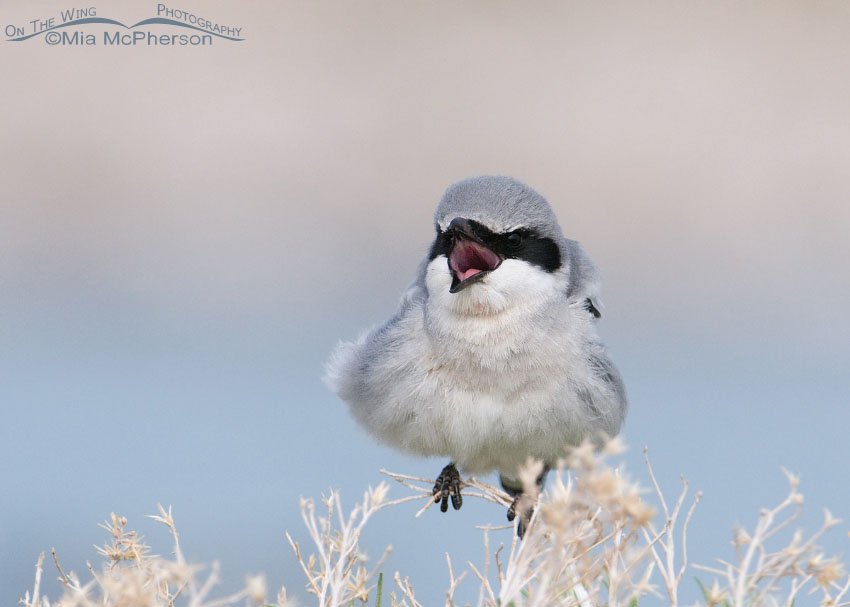
A few weeks ago I was able to photograph a Loggerhead Shrike near the marina on Antelope Island State Park, Utah. It was an interesting experience for several reasons.
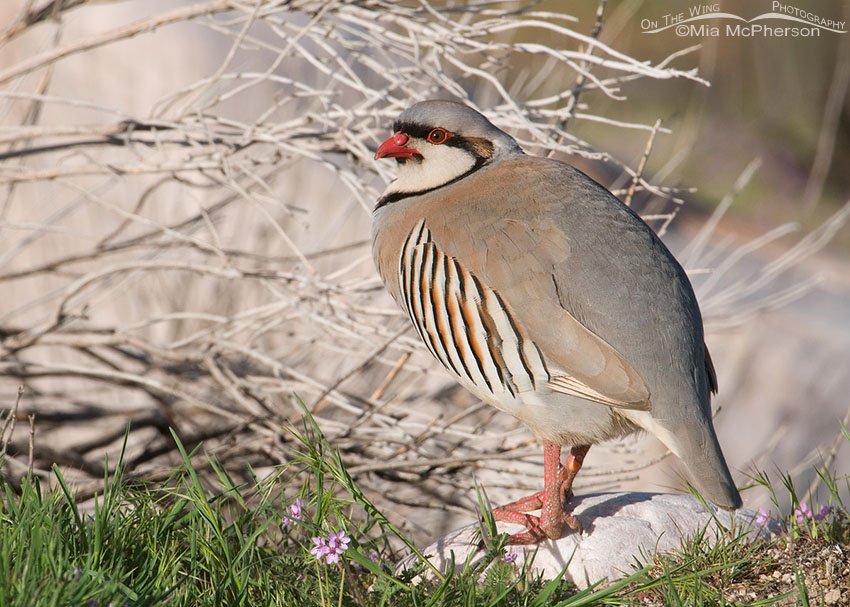
I liked that this spring time Chukar perched on a rock where a few of the Redstem Filaree were visible.

Just a simple image of a Snowy Egret (Egretta thula) today. I photographed this Egret as it stalked along the shore of the Gulf of Mexico in Florida.

As much as I like to compose images that are full frame I find that I often allow myself a touch of extra space around my subject so I can recompose in post processing by making different crops.

Yellow-headed Blackbirds (Xanthocephalus xanthocephalus) can perch on cattails, reeds, rushes or mounds of vegetation and snatch Midges right out of the air.
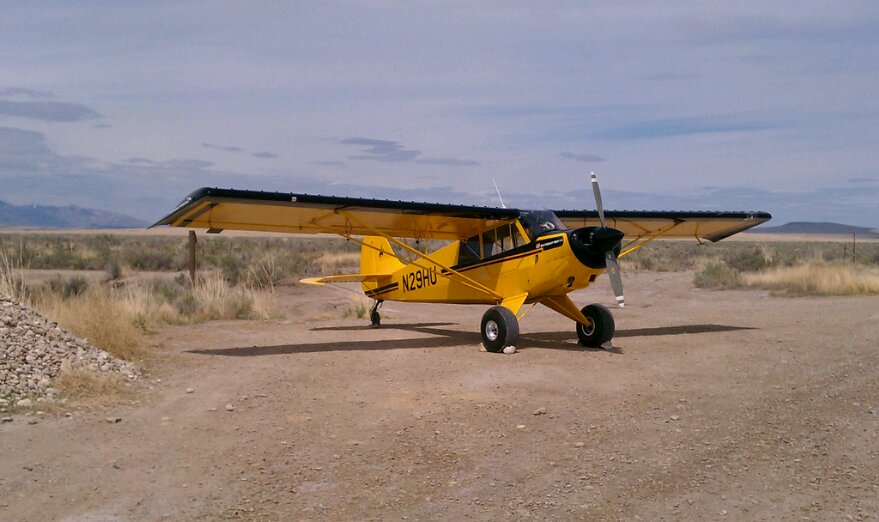
It is really odd to see a plane on the road to the campsite when you are way out in the boonies and there isn't an airport in sight for miles.
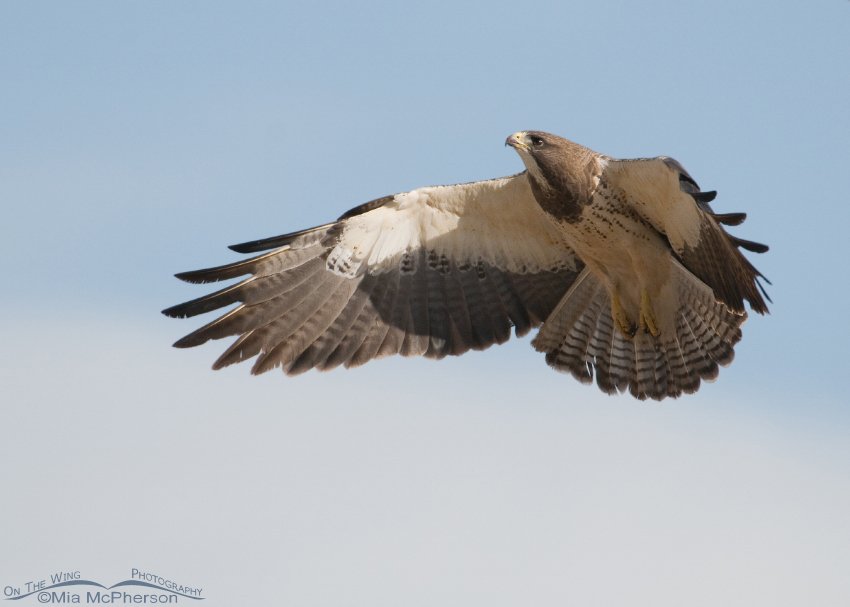
Last week while searching for Golden Eagles to photograph in Box Elder County, Utah I spotted two Swainson's Hawk (Buteo swainsoni) adults; my first of the year sightings, the first one perched on a power pole.
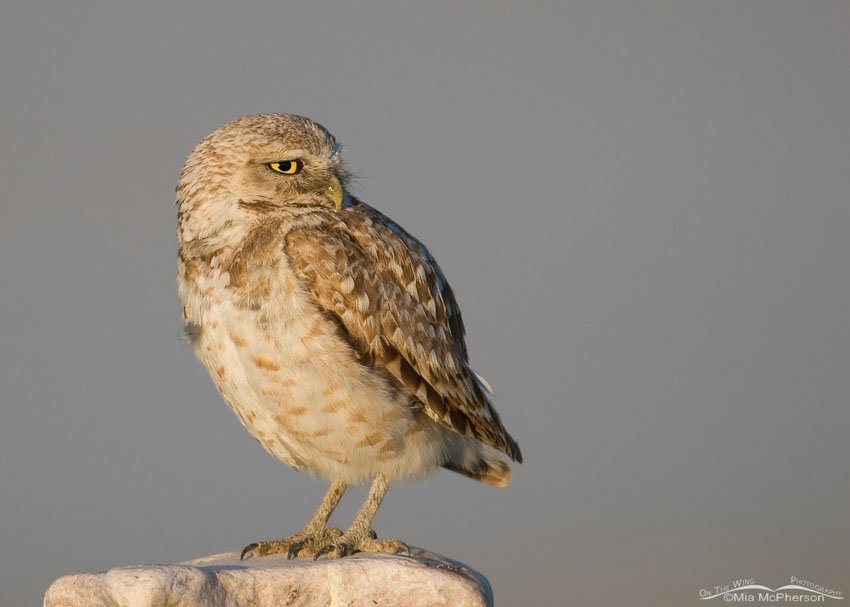
I've selected a few Burrowing Owl (Athene cunicularia) images taken a few years ago to post today.
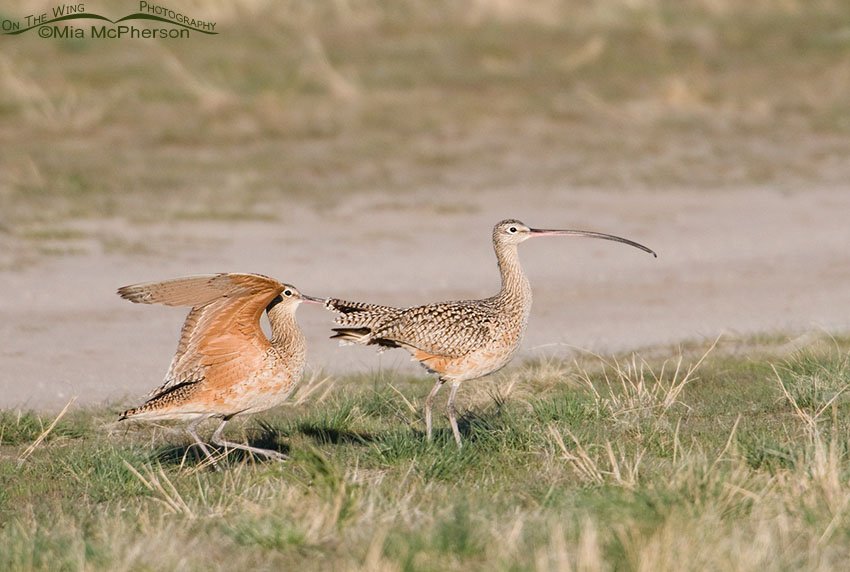
I had a wonderful photographic opportunity yesterday seeing a Long-billed Curlew mating display on Antelope Island State Park.

The Long-billed Curlews (Numenius americanus) have returned to their breeding grounds! I would have jumped for joy but when you are inside a vehicle that can lead to a severe headache after hitting your skull on the roof. :-)

White-faced Ibises (Plegadis chihi) breed and nest in the freshwater marshes around the Great Salt Lake. Generally they migrate south for the winter though this winter there were a few that stayed at Farmington Bay Waterfowl Management Area.
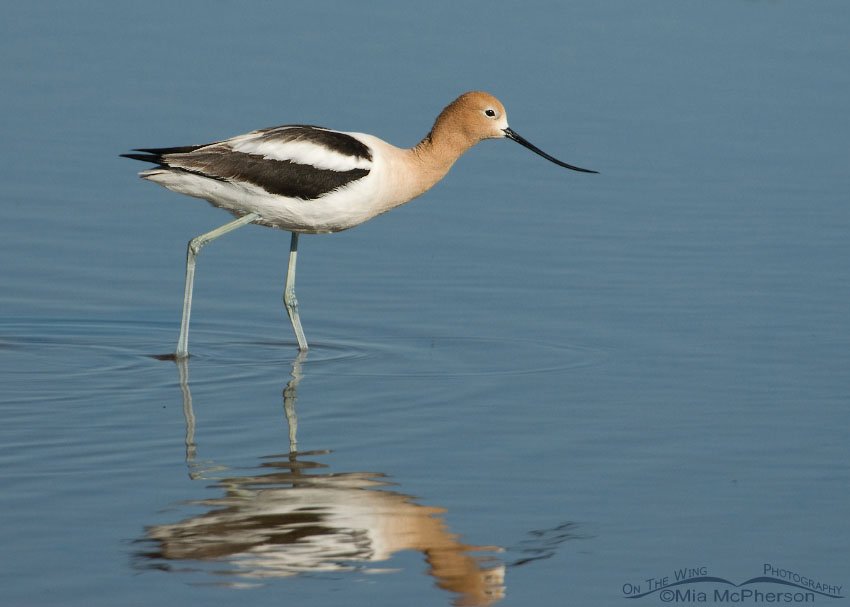
American Avocets are birds that I look forward to seeing in spring. I have already seen some from a distance this year.
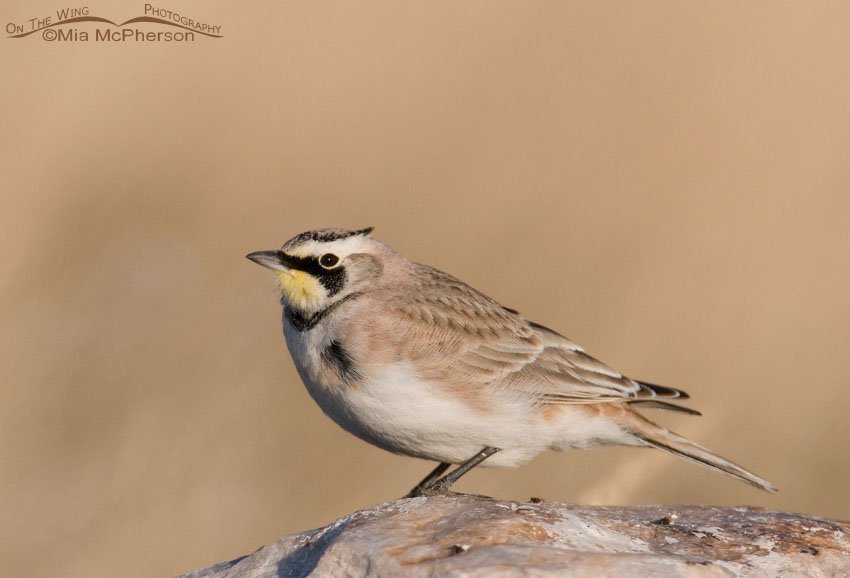
Today I thought I would post a few images taken this past week from Antelope Island State Park and the west desert in Tooele County. Feathers & Fur.

A few days ago I read that a Long-billed Curlew had been spotted on Antelope Island State Park and that got me excited. I've waited to see them again since they left last fall and I simply can not wait to hear their mysterious and hauntingly beautiful call.

Chukars are not native to North America, they were introduced as game birds and in some areas they have thrived, one of those locations is Antelope Island State Park in northern Utah.

It snowed last night and the ground here was covered in white but the clouds were disappearing so off I went to photograph whatever I might find on Antelope Island State Park.

Piping Plovers nest in shallow scrapes in sand, gravel, salt flats or dunes which leaves their nests vulnerable to predators and in danger of being accidentally stepped on.
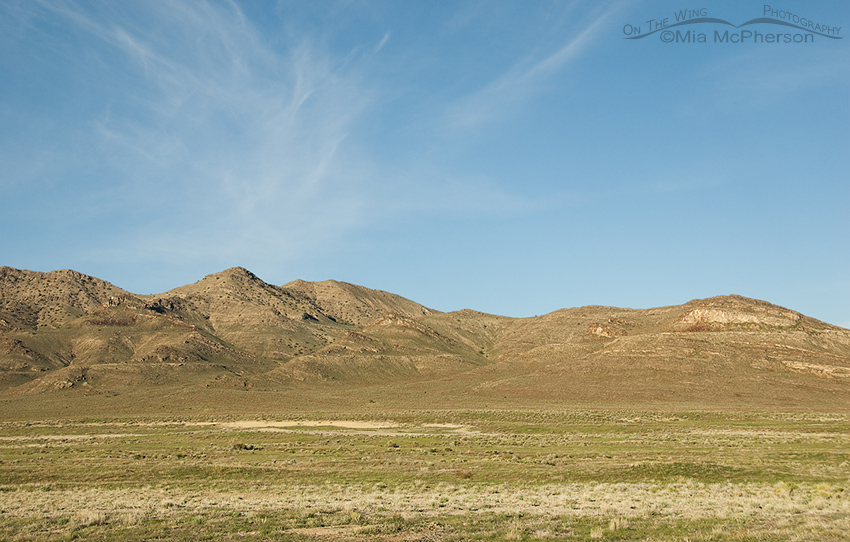
I am one of those people who love deserts and the West Desert of Utah is once again beckoning to me. The weather here in Utah is very changeable right now, it can feel like spring one day and the next it still feels like winter but it won't be long before the weather levels out and the west desert will begin to green up.

The sun had not yet crested the eastern horizon when I photographed this Great Blue Heron as it hunted in the shallow waters on the shoreline of the Gulf of Mexico.