American White Pelican Portraits
It isn't all that often that I am able to obtain portraits of wild birds so when I had an opportunity last month to take portraits of this American White Pelican I jumped at the chance.



It isn't all that often that I am able to obtain portraits of wild birds so when I had an opportunity last month to take portraits of this American White Pelican I jumped at the chance.

The drive to Cascade Springs was beautiful yesterday with the beginnings of fall colors on the mountains but for me the best part was photographing American Dippers again.

These two White Ibis images were taken 19 frames apart and the color of the water changed dramatically as the ibis and I moved north
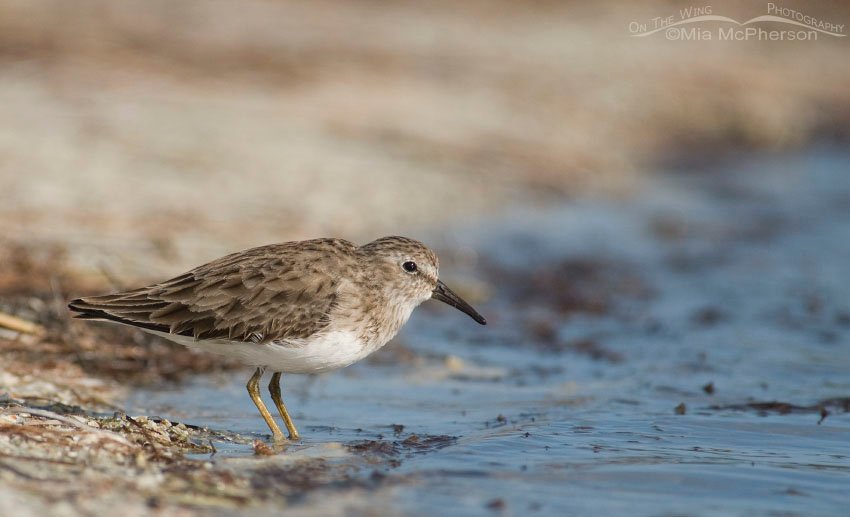
I came across this diminutive Least Sandpiper while photographing Greater Yellowlegs at a tidal lagoon at Fort De Soto's north beach in the fall of 2008.

I enjoy watching Snowy Egrets foraging for prey and I had the opportunity to do that up close last week at Glover Pond with this egret.

Black-necked Stilts seem to have had great success this nesting season because there are so many juvenile stilts at Farmington Bay Bird Refuge right now.

Yesterday I focused on a few wading birds I saw at Glover Pond near the Great Salt Lake Nature Center and that include Great Blue Herons and White-faced Ibis.

On my recent trip to Idaho and Montana I was delighted to photograph a foraging Solitary Sandpiper in a farm pond in Beaverhead County, MT.
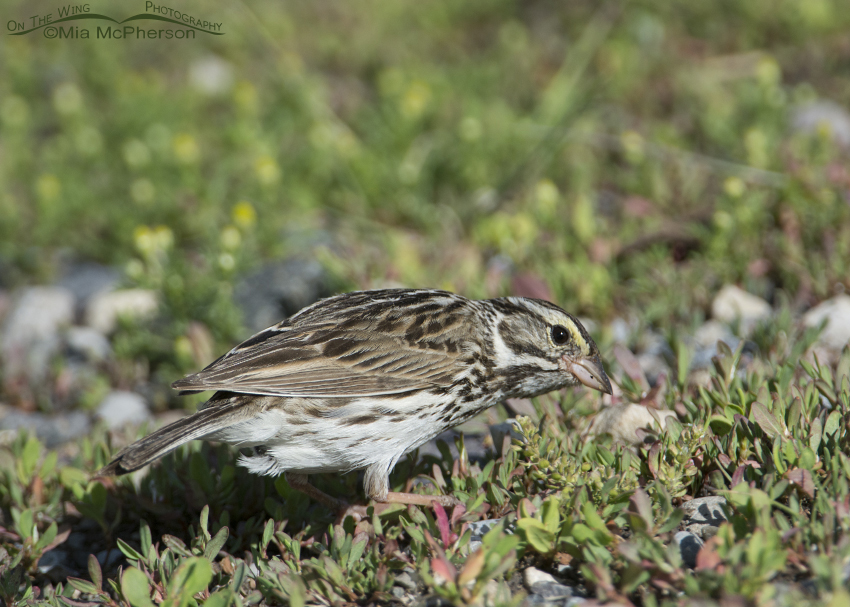
Earlier this month while I was in Montana I spent time photographing some Savannah Sparrows at Red Rock Lakes National Wildlife Refuge.

Six years ago today I was sand crawling on the shore of the Gulf of Mexico at Fort De Soto's north beach photographing pelicans, godwits and dowitchers plus other birds.
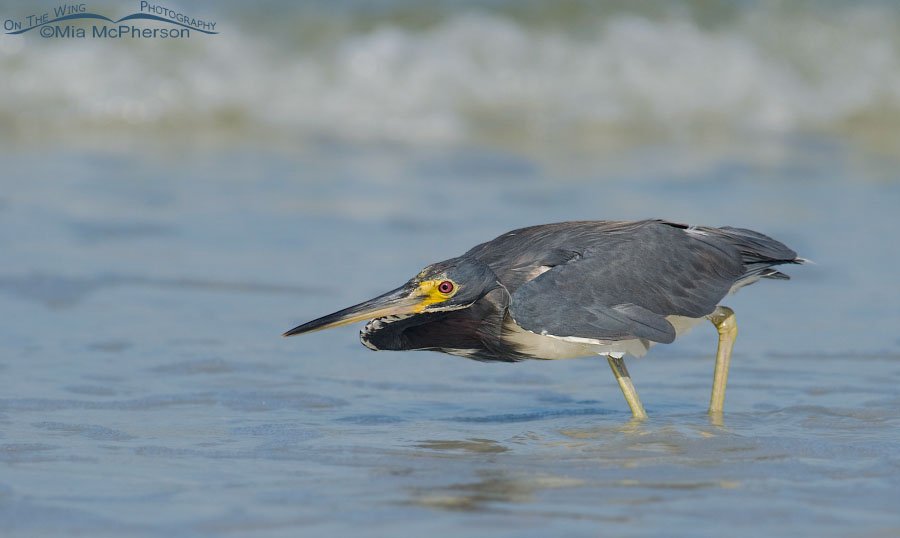
Tricolored Herons use many foraging behaviors to obtain their prey including walking quickly then crouching before stabbing their prey.

Long-billed Curlews have begun to leave or have left their wintering grounds and should be winging their way to Utah and arriving here any day now.

According to Birds of North America there are four foraging methods used by Red-breasted Mergansers which are Cooperative Herding, Individual Search, Shallow Diving and Deep Diving.
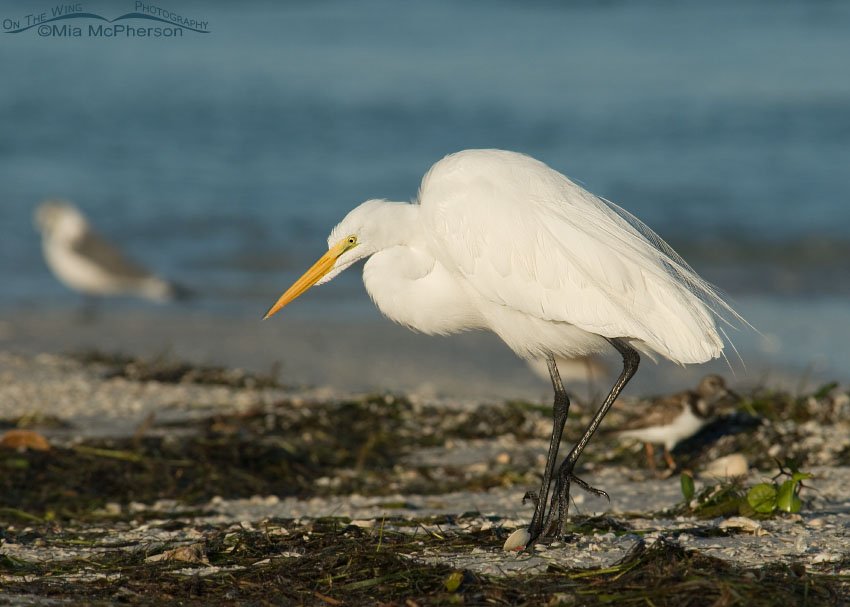
Five years ago today I photographed this Great Egret foraging in a wrack line along the Gulf of Mexico in Florida at Fort De Soto.

While photographing Barn Owls last January I caught a small movement out of the corner of my eye and noticed a Song Sparrow foraging for seeds on the snow covered ground.
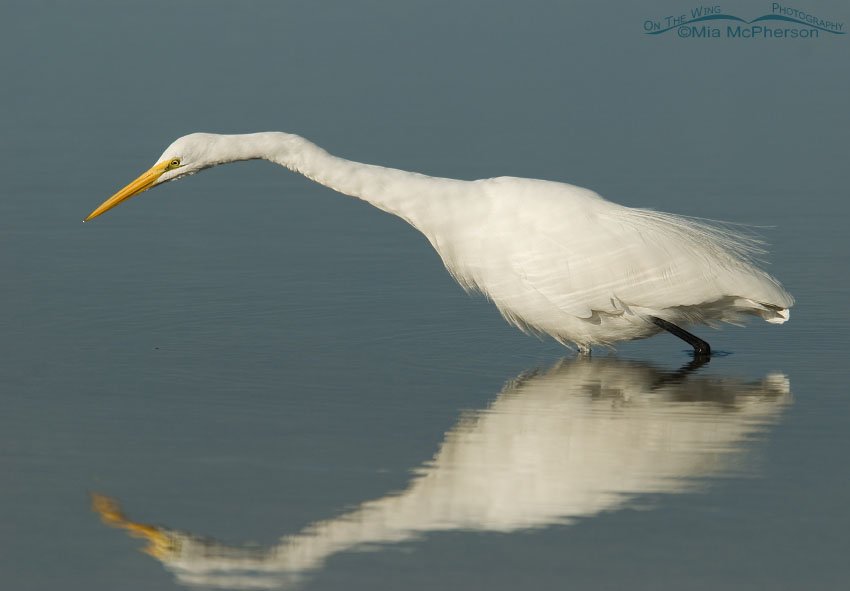
Just a simple Great Egret hunting in a quiet tidal lagoon today that takes me back to warmer memories spent with good friends on Florida's Gulf Coast.
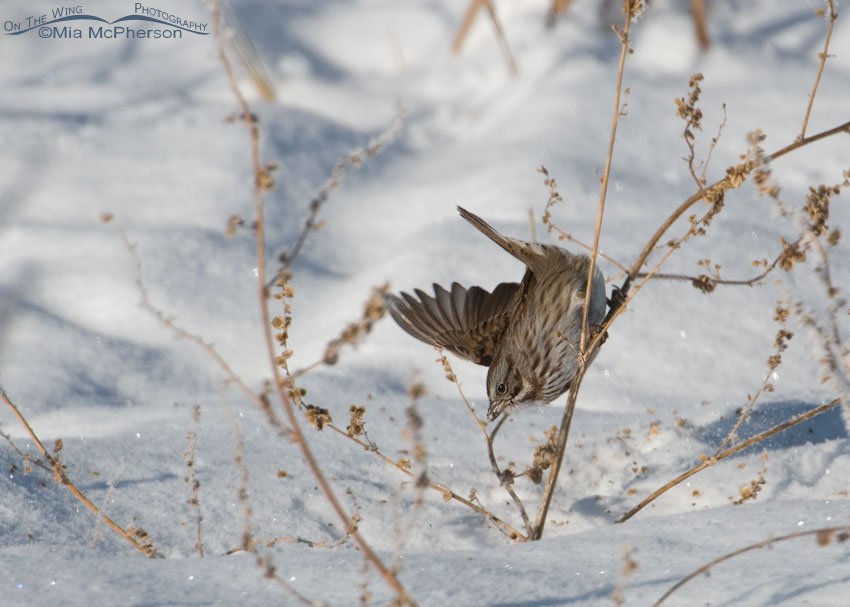
Yesterday the lowest temperature I saw at Farmington Bay Waterfowl Management Area was -12F which reinforces the thought that "bird photography isn't for everyone" and that winters in Utah are hard on the birds.

Waves, warm sand, a camera in hand and a Tricolored Heron. Such simple things but they bring such great pleasure.
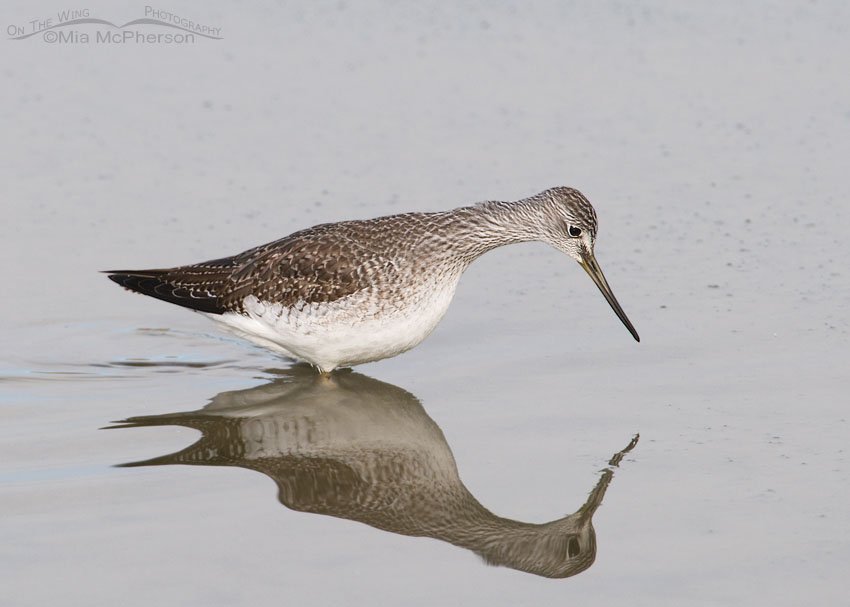
Yesterday I photographed two Greater Yellowlegs at Farmington Bay Waterfowl Management Area, there was snow on the ground and all around Farmington Bay the snow was falling heavily.

In 2008 I spent several months during the summer watching an American Oystercatcher family from the time the chicks were tiny until one of the chicks became independent.

Lately I have been seeing White-crowned Sparrows in the West Desert, at Farmington Bay WMA and Antelope Island State Park in increasing numbers and many of them will over winter here in the Salt Lake Valley.

Snowy Egret in a hurry that I photographed almost exactly 5 years ago while sitting low in a Florida lagoon.

It has been another very long week so I thought I'd post a female Long-billed Curlew because of her very long bill but unlike the way my week went this curlew is graceful, elegant and serene.
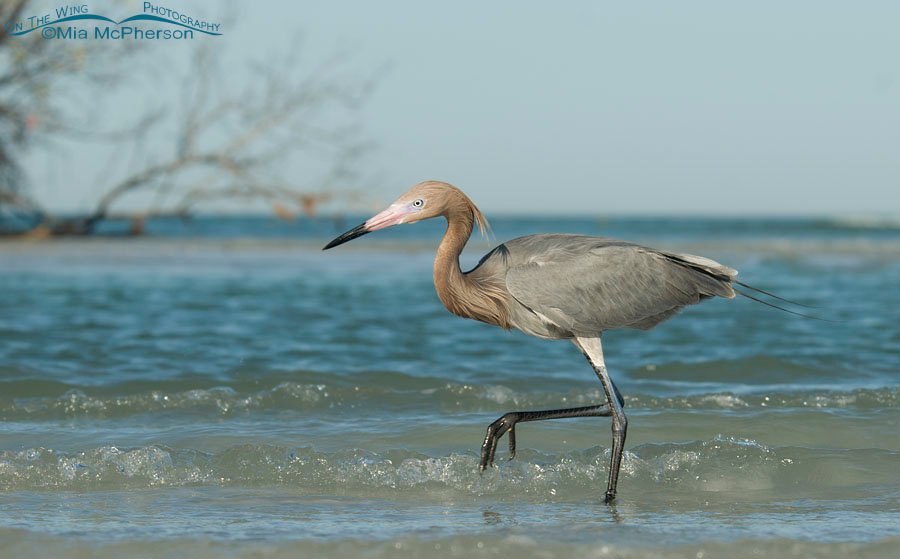
Recently I posted images of a Tricolored Heron and a Black-bellied Plover where I wrote that I enjoyed images that include habitat, the same could be said about this photo of a Reddish Egret hunting on the shoreline of the Gulf Coast.

I spotted this Black-crowned Night Heron that was almost hidden by the vegetation but as soon as we stopped it darted towards some open water in foraging mode.

I have been noticing more Ring-necked Pheasants than usual of late but that it mostly because the birds don't blend well into the snow and we have had plenty of the white stuff fall the past few weeks.

Song Sparrows are found throughout the U.S. and into Canada, some populations move south during the winter to southern states and northern Mexico. So far 30 subspecies of Song Sparrows have been described.

Just a simple image of a male Black-necked Stilt taken earlier this year at Bear River National Wildlife Refuge. Very graceful birds.
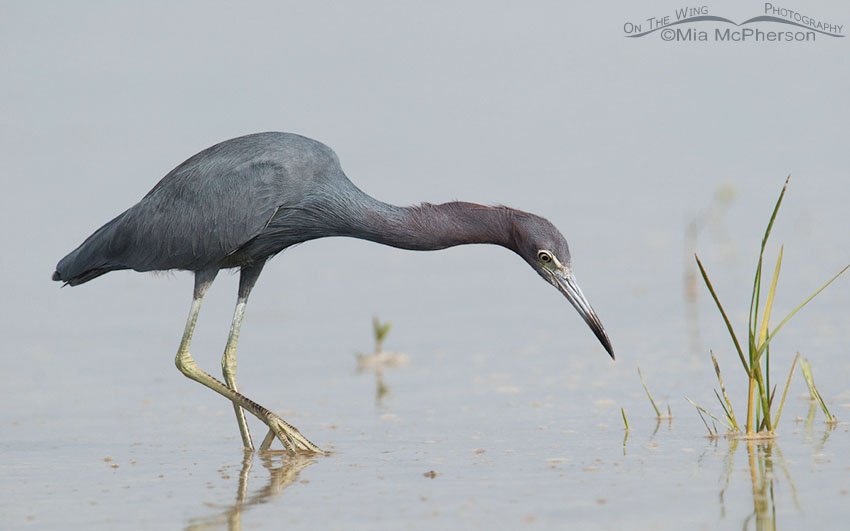
This Little Blue Heron (Egretta caerulea) was photographed in Florida as it hunted for prey in a shallow lagoon the edge of a marsh in late afternoon light.

In 2008 I had the great pleasure of observing and photographing a family of American Oystercatchers from the day after the chicks hatched until three and a half months later.