American Oystercatcher In A Tidal Lagoon
I've been working up images for a long post and this American Oystercatcher (Haematopus palliatus) image is a clue as to what that post will be about.



I've been working up images for a long post and this American Oystercatcher (Haematopus palliatus) image is a clue as to what that post will be about.

I love how peaceful this image is with the Marbled Godwit (Limosa fedoa) paying absolutely no attention to me as I sat very still in the warm waters of a tidal lagoon photographing it.
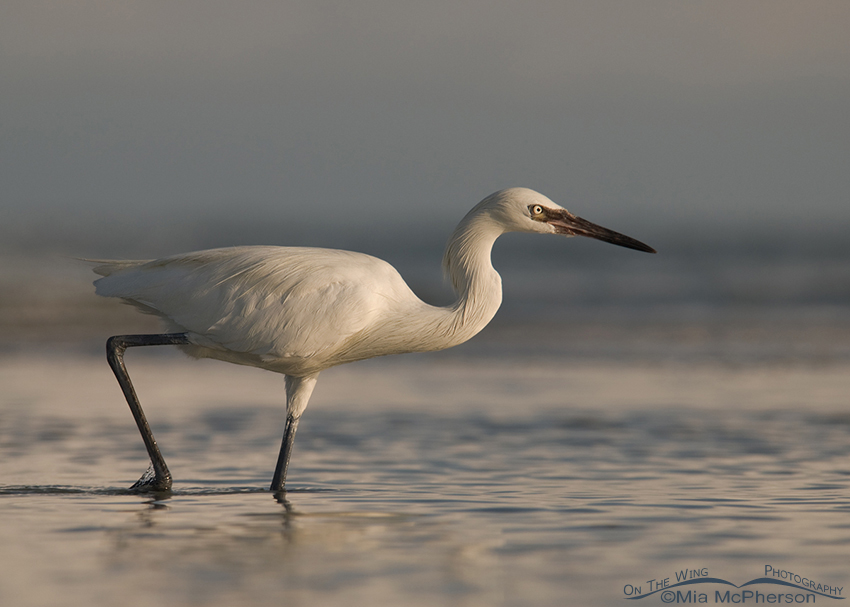
In my two previous posts of a Snowy Egret and a Great Egret I mentioned how the early morning light and a nearby storm gave those images a feeling of drama. These white morph Reddish Egret images were taken that same morning not long after I created the Great Egret photos.

There were two Reddish Egrets (Egretta rufescens) on the north beach of Fort De Soto that day and it was a blast to watch them race around catching the small fish.

I photographed this female Greater Sage-Grouse while up in the Wasatch Mountains of Utah.

I love the challenge of photographing white birds and getting the exposures right, I like to nail it. Snowy Egrets (Egretta thula) are great birds to practice getting exposures of the whites set correctly.
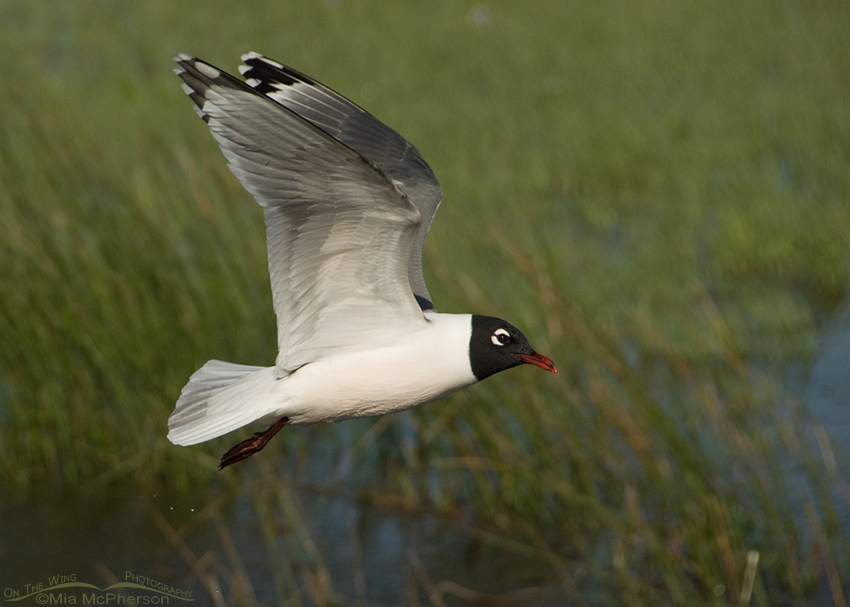
Last year while I was camping and photographing at Red Rock Lakes National Wildlife Refuge I saw a feeding frenzy that involved Franklin's and California Gulls in the flooded grasses and Sagebrush flats near the Lower Lake.
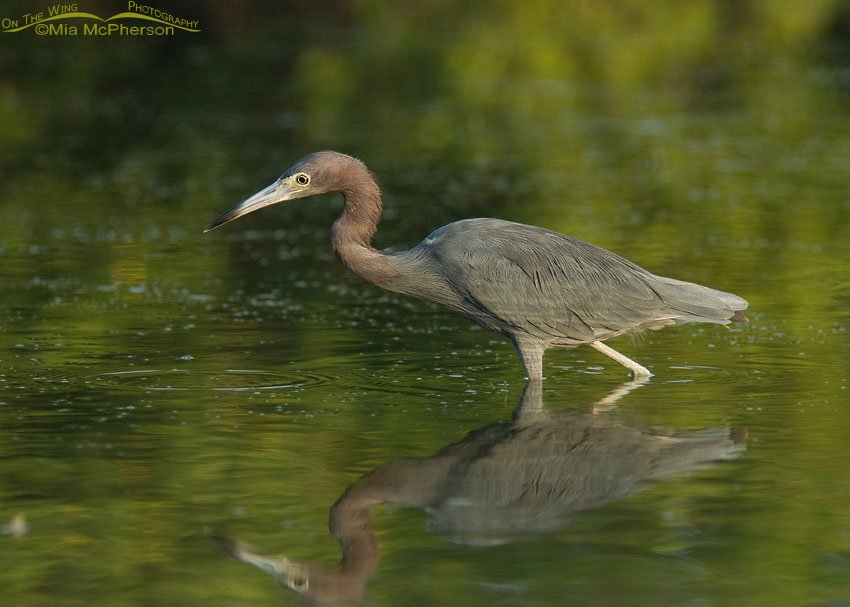
Little Blue Herons were a wading bird that I saw often in Florida. The day I photographed this Little Blue Heron I was sitting quietly in the shallow water of a lagoon when this bird flew in and began to hunt.

I watched this American Oystercatcher juvenile and its sibling from the time they were just tiny chicks beginning the day after they had hatched.
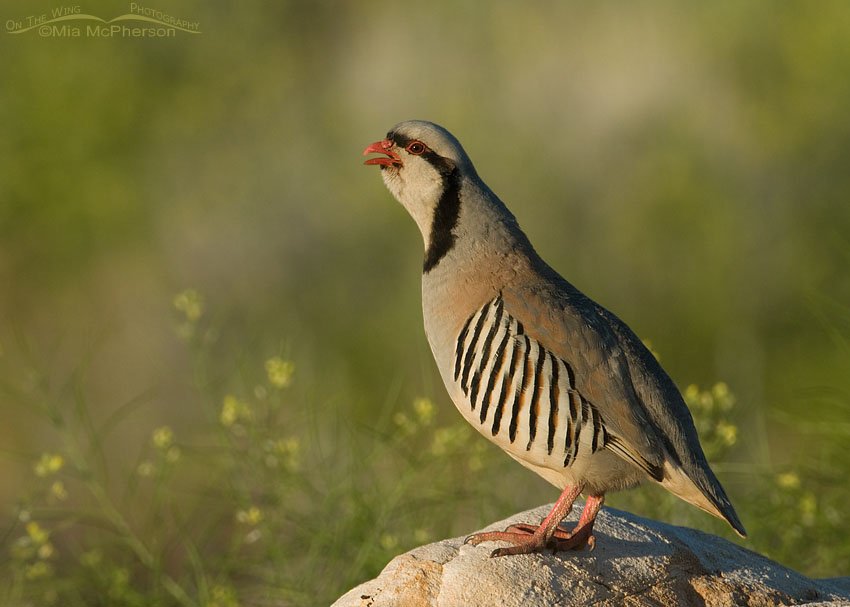
Photographs of the Chukars on Antelope Island State Park, Utah throughout the year.

The juvenile Long-billed Curlew was foraging and preening in the vegetation on the ground below the adult perched on the boulder
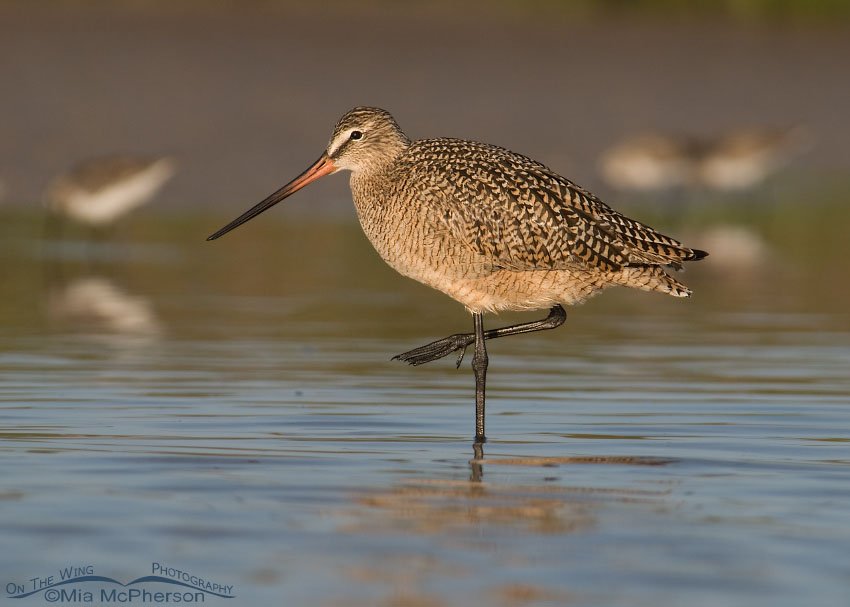
Marbled Godwits are graceful birds while on the ground, feeding and in flight.
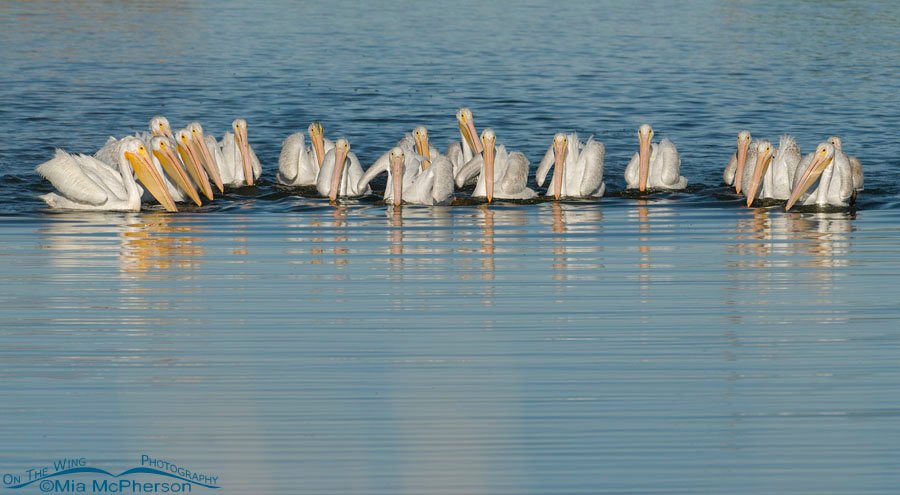
This image cracks me up as it reminds me of how in elementary school we would all have to line up for the class picture.

One of the easier medium-sized shorebirds to identify on Fort De Soto's beaches and tidal mudflats are the Ruddy Turnstones. The only other turnstone that frequents North America is the Black Turnstone and it occurs on the Pacific coast.