Willet and Me – Until After Election Day
I'll be out photographing birds like this Willet foraging in the Gulf of Mexico, other wildlife and the beauty of nature.



I'll be out photographing birds like this Willet foraging in the Gulf of Mexico, other wildlife and the beauty of nature.
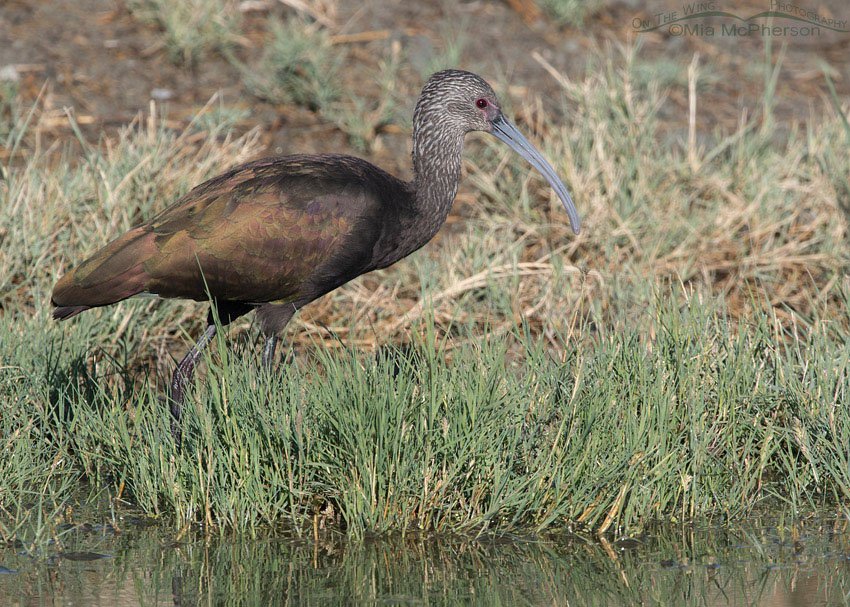
There were Snowy Egrets, juvenile Black-crowned Night Herons, Great Blue Herons and this White-faced-Ibis foraging at Farmington Bay to photograph.

I was tickled to photograph this American Avocet as it fed but it wasn't until later that I knew it was devouring a tiny crayfish.

The American Avocets look a bit different now than they did earlier in the year because they are now in their paler, less colorful nonbreeding plumage.

I liked the crouched position of this Snowy Egret as it was about to strike the prey it was hunting and when it struck it did capture and eat the small fish.

I photographed this migrating Least Sandpiper in the same pond as the Wilson's Phalarope chick at Red Rock Lakes National Wildlife Refuge but on different days.
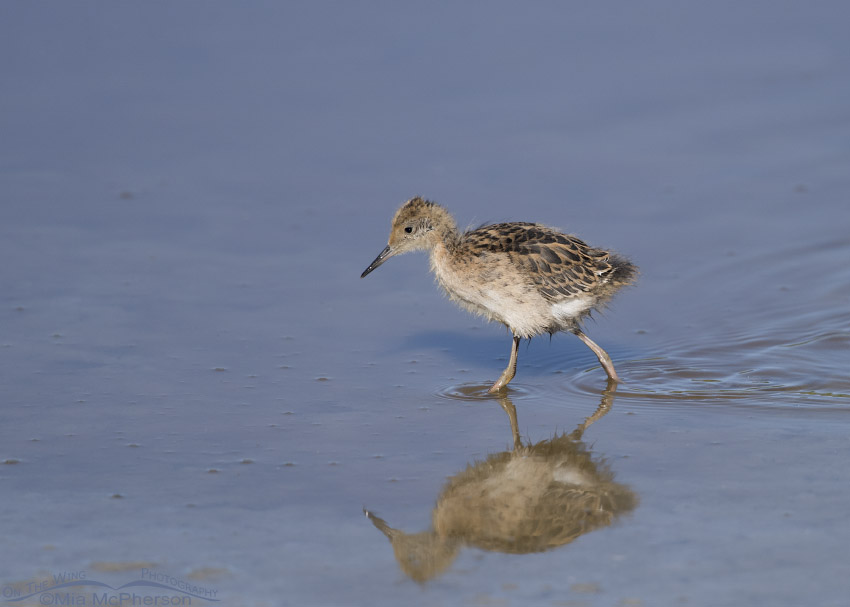
I was photographing a Wilson's Phalarope chick and it was in fact the youngest phalarope chick I had ever seen!

When I photographed these two Snowy Egrets at Bear River MBR last August they were already through raising their young for the season.
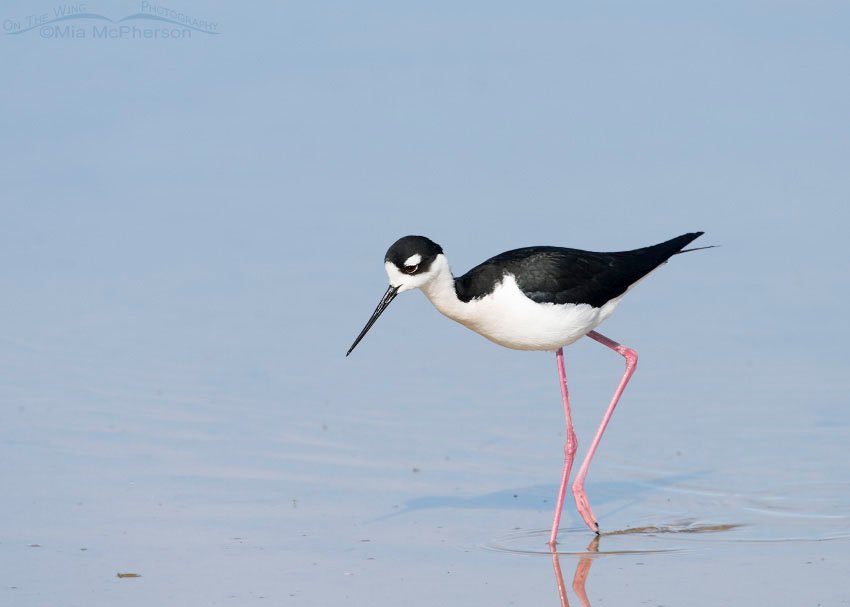
I took a series of images of this male Black-necked Stilt foraging in some very shallow water that showed the red of his eyes and those long, long legs.
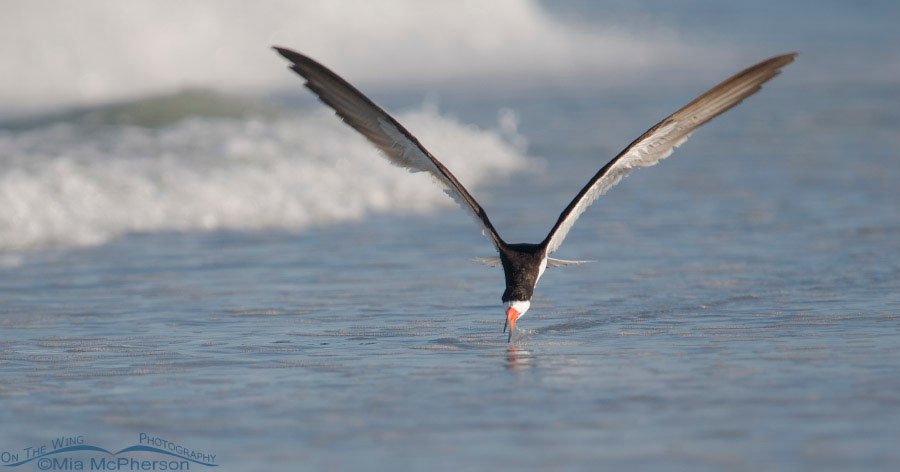
My own technique for photographing this Black Skimmer skimming the Gulf and other skimmers that day was to sit down in the water right where the waves crested and moved on shore.

Last year I had the pleasure of photographing this nonbreeding Sora in the Centennial Valley of Montana.
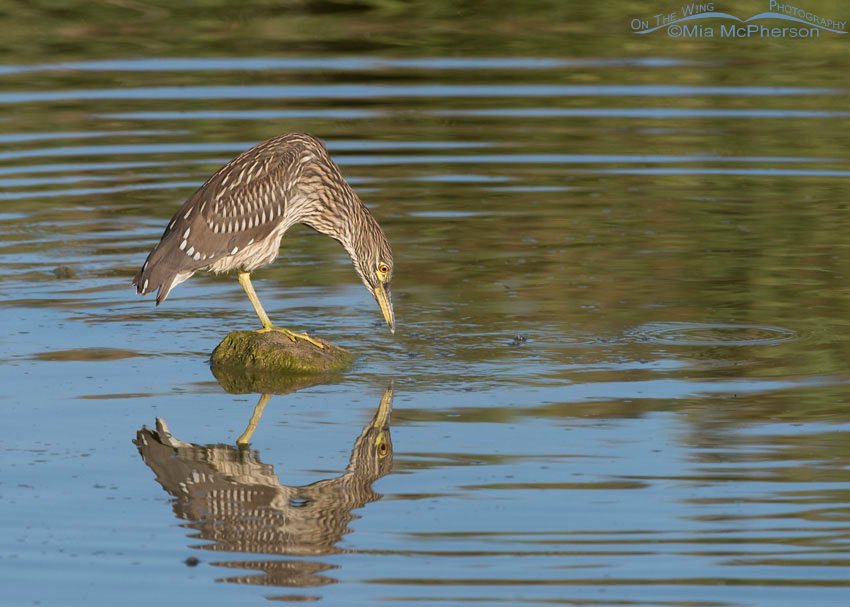
Last August I was able to spend time observing and photographing this juvenile Black-crowned Night Heron stalking prey at Bear River Migratory Bird Refuge.

I thought a comparison of adult and juvenile White-faced Ibis might be interesting for those of you who aren't familiar with this western species of ibis.

This American Pipit on a tuft of grass was photographed last November at Farmington Bay WMA and was only one of what appeared to be hundreds of pipits feeding on small insects.
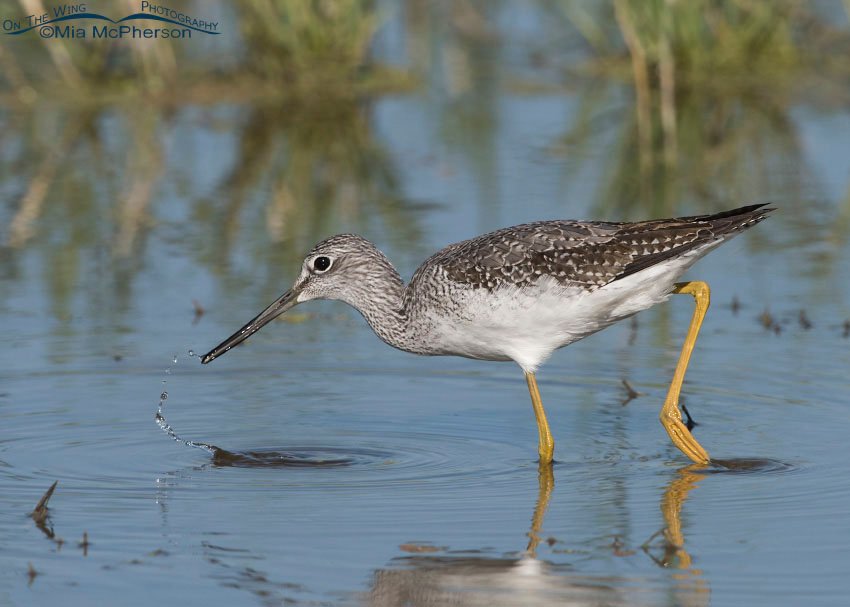
I've been able to photograph several shorebird species the past week and although Greater Yellowlegs are common at Farmington Bay WMA I still think they are quite lovely.
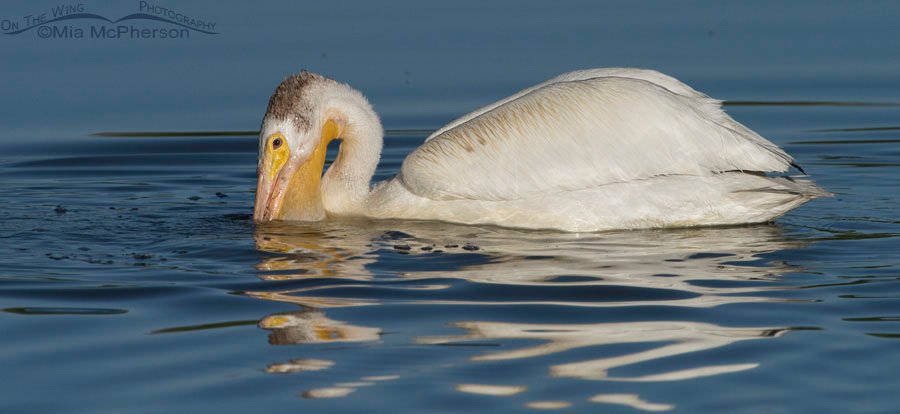
This American White Pelican image was taken in July near the auto tour loop at Bear River Migratory Bird Refuge and I like how it shows the pelican fishing for food.
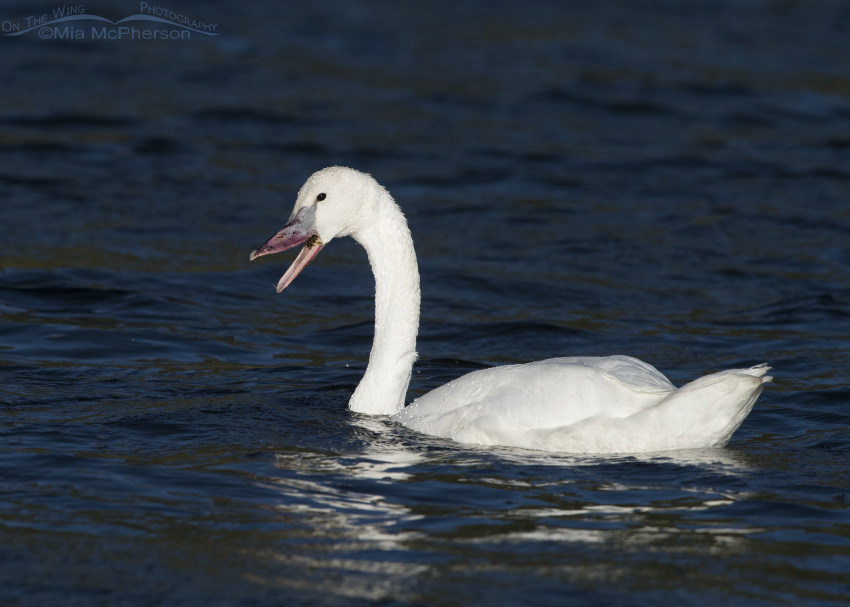
I am totally enamored by Trumpeter Swans, they are not only graceful and beautiful but the adults seem like such caring parents and keep an ever watchful eye on their young.
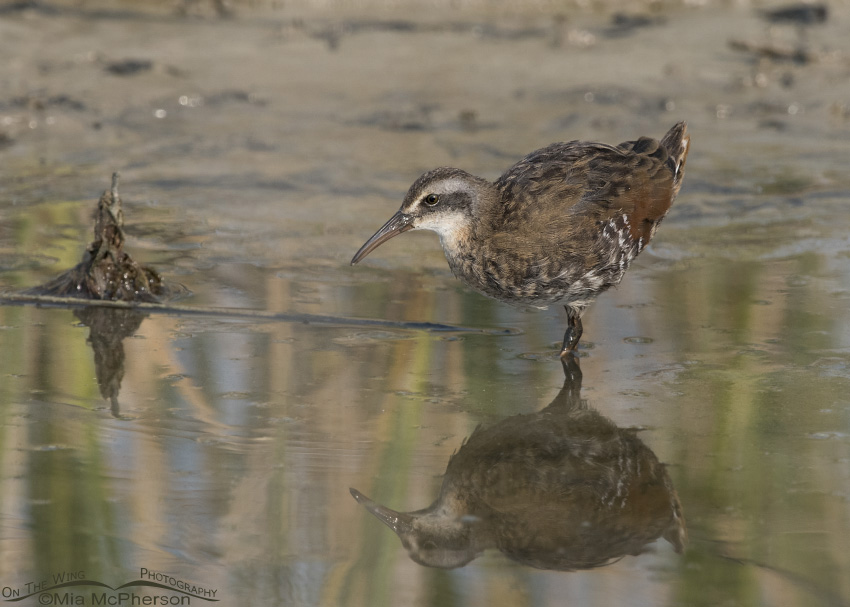
I am always thrilled when a Virginia Rail comes out into the open because typically they are shy, secretive marsh birds.
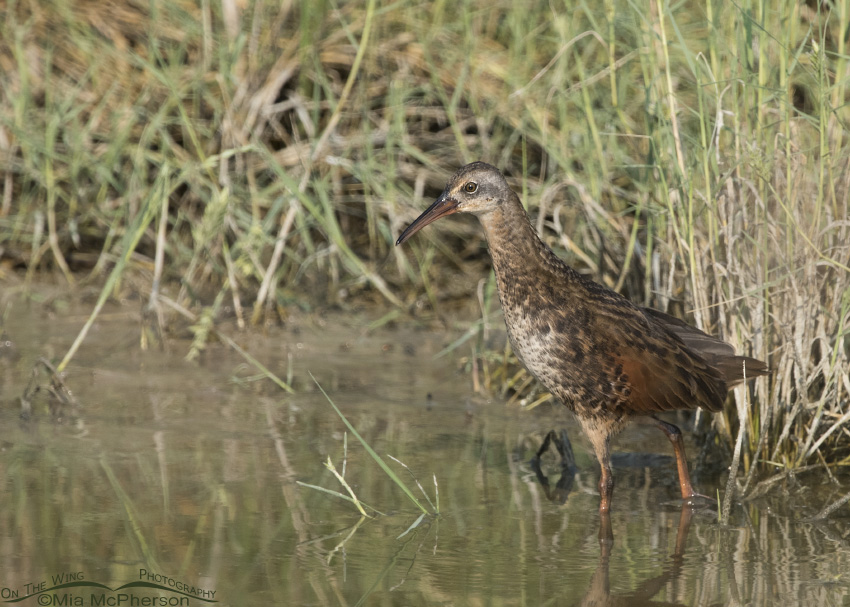
Virginia Rails are secretive marsh birds that can be found at the Bear River Migratory Bird Refuge during the breeding season and the can be very difficult to see let alone photograph.

The past few times I have gone to Bear River Migratory Bird Refuge I have seen Marbled Godwits flying over and I know that their migration to their wintering grounds has begun.
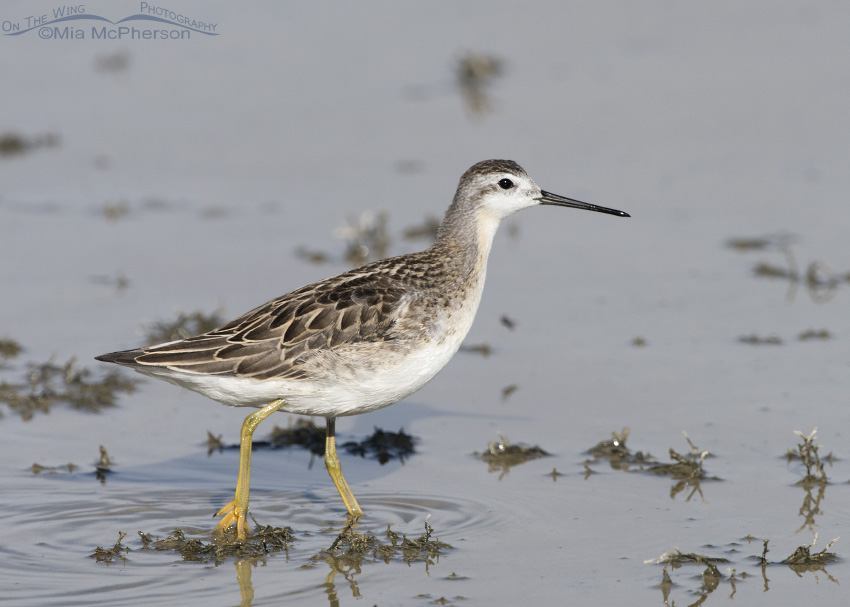
I am seeing more and more Wilson's Phalaropes at Bear River Migratory Bird Refuge and the majority of the birds I see are hatch year birds.

Owls are well known for being able to turn their heads 270 degrees, Long-billed Curlews aren't.

This is just a simple post of a foraging Western Sandpiper that I found while working on moving my images from their old galleries to the new ones yesterday.

The first bird I photographed on my recent trip to Idaho and Montana was a White-faced Ibis in full breeding plumage.

I'm sharing a simple Semipalmated Sandpiper image today that I photographed at Fort De Soto's north beach back in May of 2009.

I was surprised to see this Marbled Godwit on the island but over the years I have learned to expect the unexpected whenever I am out photographing birds!

It has been five and a half years since I photographed American Oystercatchers at Fort De Soto County Park in Florida and oddly enough I still dream about these shorebirds.

The Reddish Egrets I photographed that May morning were busy hunting and paid me almost no attention as they went about their daily business of find prey.
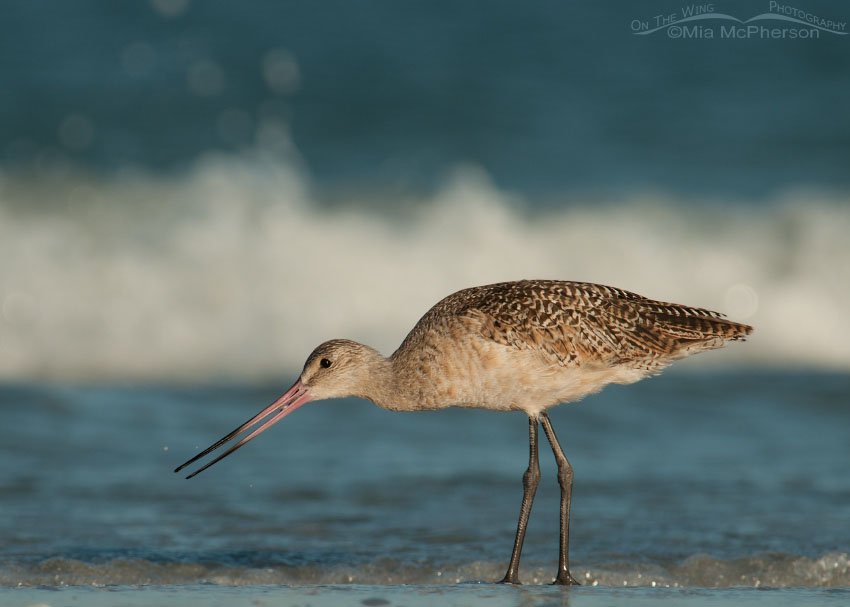
I have always thought of Marbled Godwits as graceful, elegant shorebirds and I still do.

Tricolored Herons are smaller than Great Blue Herons and larger than Snowy Egrets and all three of these wading birds hunt in many of the same locations along the Gulf Coast.