Northern Harriers Blending Into Their Habitat
For me this female Northern Harrier and the immature harrier in the other photo are a classic examples of what I like to call a hidden treasure type of image.



For me this female Northern Harrier and the immature harrier in the other photo are a classic examples of what I like to call a hidden treasure type of image.

The Great Blue Herons were hunkered down in the rushes with the warmth of the sunlight on them but they still looked cold.
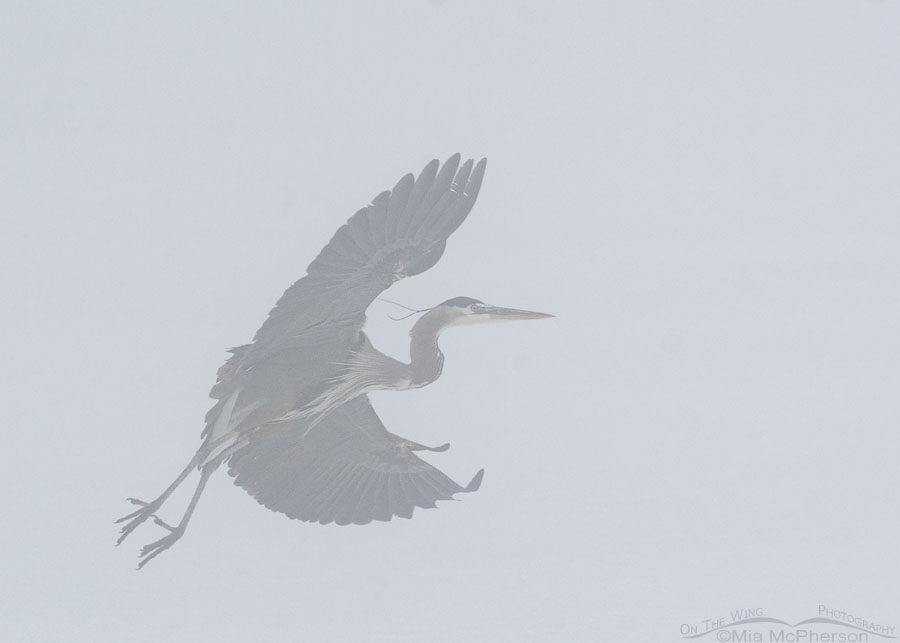
These Great Blue Heron images also help me to "see" what this species would have looked like as they lived their lives in primordial swamps, estuaries and marshes hundreds of thousands of years ago.
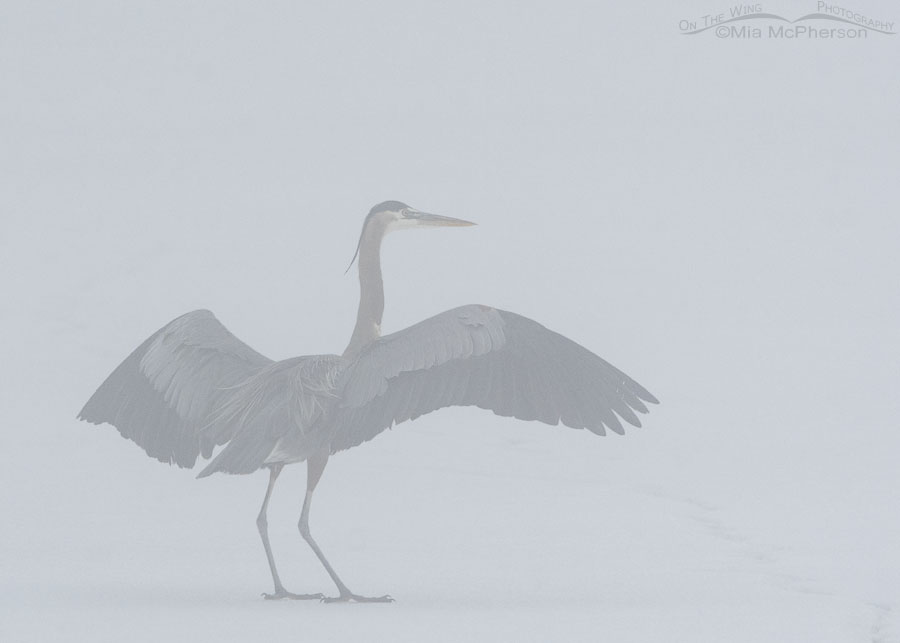
These foggy Great Blue Heron photos are probably the foggiest images in my portfolio and despite that I truly like how they turned out.

There were plenty of Great Blue Herons to photograph yesterday morning at Bear River Migratory Bird Refuge and I was more than happy to take photos of them.

I know some people don't get excited about gulls but I do and I was thrilled two days ago at Bear River MBR when I spotted and photographed my first Herring Gulls of this winter season.

Yesterday morning I spent time focusing on photographing Great Blue Herons on the frozen marshes of Bear River Migratory Bird Refuge.
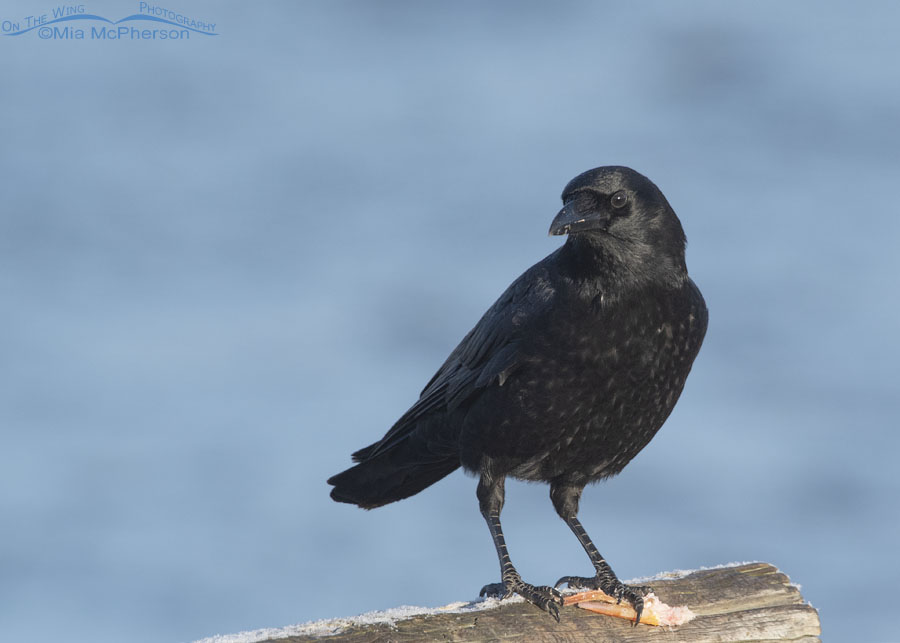
I always get excited about what the first bird will be that I see at the beginning of the new year and for two years in a row now my first birds of the year have been American Crows.

So if you don't enjoy the craziness that can happen at Farmington Bay WMA when the Bald Eagles arrive for the winter just pick an area and go for a relaxed drive to another location.

Two days ago when I stopped counting Rough-legged Hawks while at Bear River Migratory Bird Refuge the number had topped out at fifteen.

Two frames later the immature Northern Harrier tilted its head, looked directly towards my lens, and seemed to eyeball me and my gear.

On that bright winter afternoon one of my best avian subjects was this Great Blue Heron standing in water with a bank of fresh, white snow behind it.

I was thrilled to have this big, white wading bird where I could take photos of it in what was on that day a winter wonderland.

I probably see Song Sparrows more often and in more habitats than any other sparrow species here in Utah. I am delighted by that.
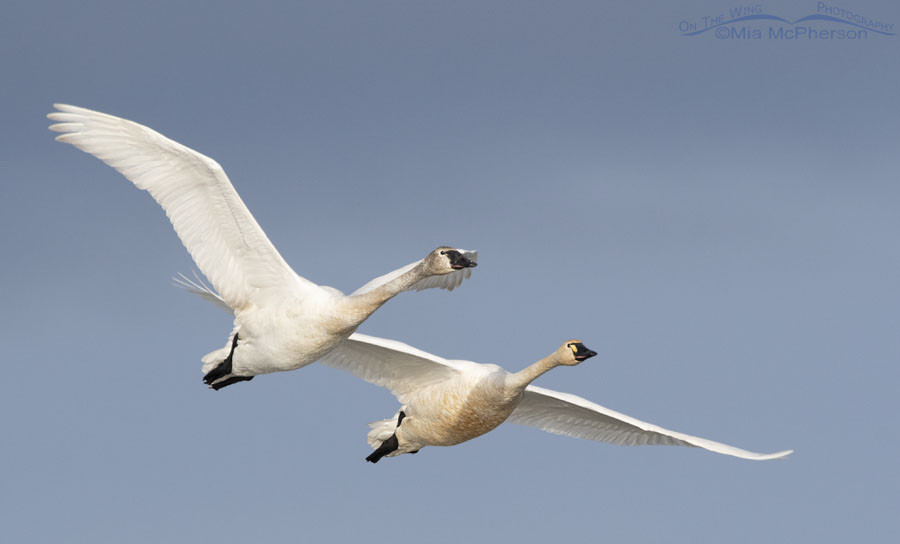
I need to get to Bear River MBR soon because I have visions of Tundra Swans drifting through my mind and I'd love to see them in person on the marshes of the refuge again.

Having this male House Finch perched in a frost kissed Greasewood a few days ago with blue sky behind it did make him stand out well.
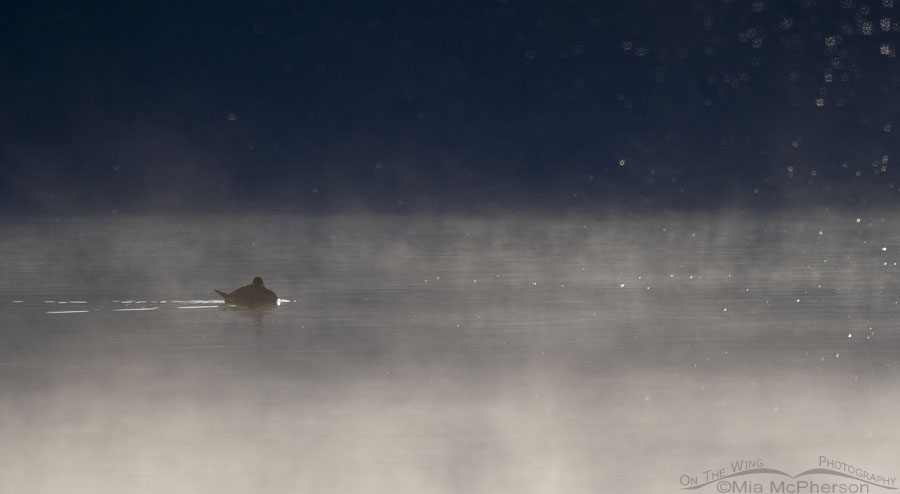
I'm really glad I looked at these ducks in the fog and decided to take photos of them even though I was looking towards the sun instead of away from it like I typically do when photographing birds.
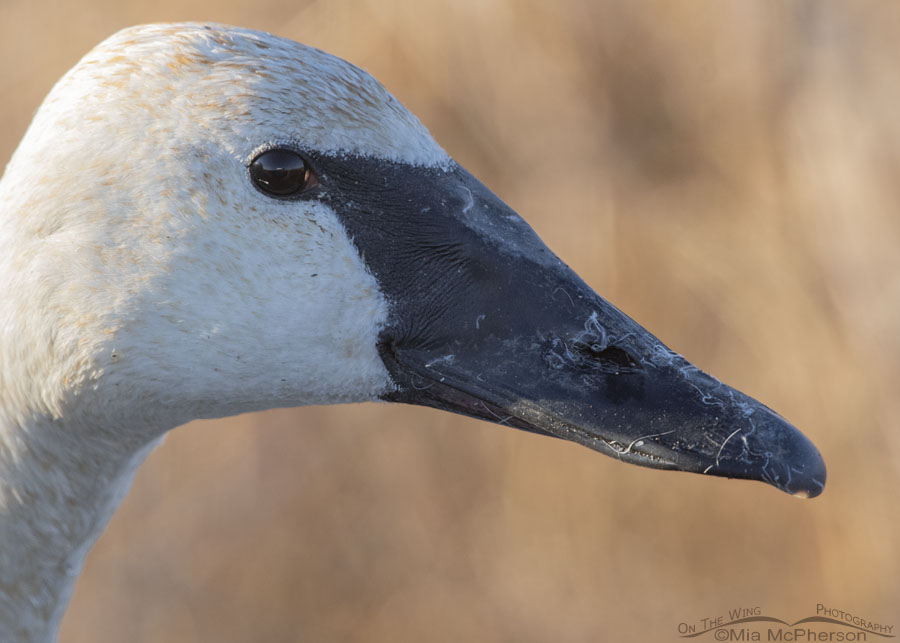
As I look at this Trumpeter Swan photo and see my Jeep reflected in its eyes I feel a sense of loss. I know that I won't forget the swan that I couldn't rescue.
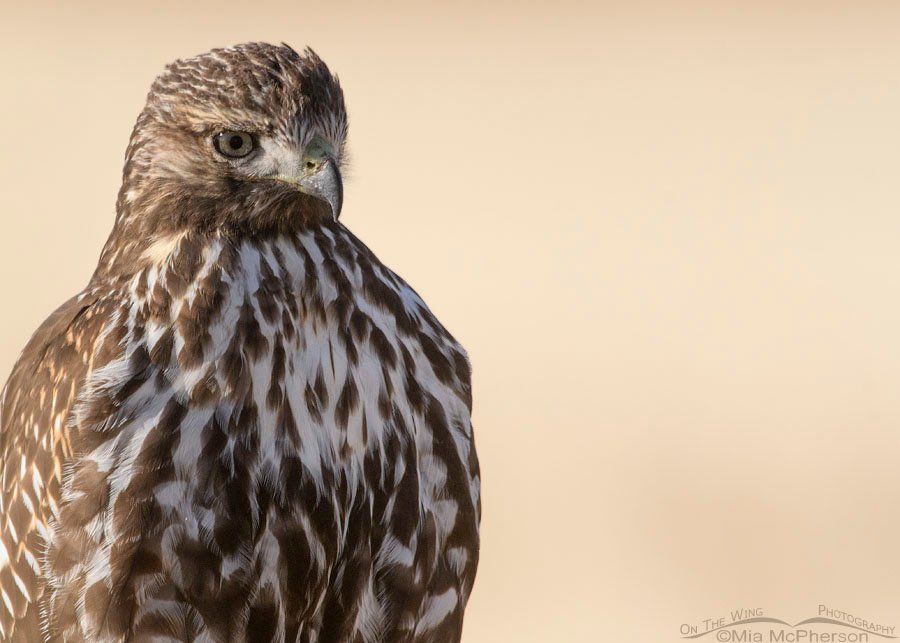
The thing about this immature Red-tailed Hawk photo is this: I don't like the background color because I see these colors, tones and hues so frequently where I live in northern Utah.

With scores of pipits flying in, flying out and moving around on the rocks it was a challenge to decide which bird to have in my viewfinder.
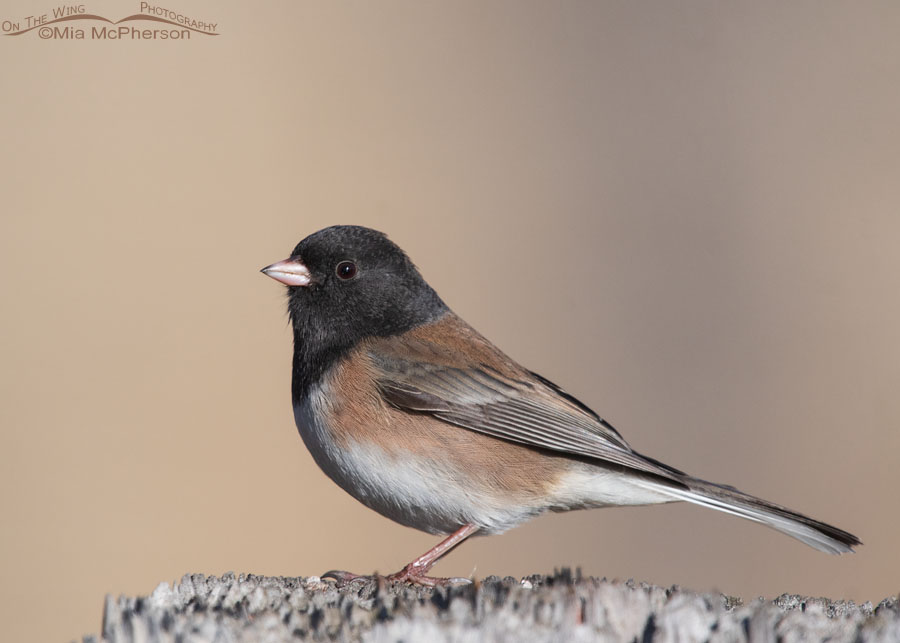
As common as Dark-eyed Juncos are I have surprisingly few photos of them in my galleries and that is why I get excited when I can add a new photo of them to my portfolio.

I don't see nearly as many harriers over the marshes at Farmington Bay as I used to five to ten years ago but the marshes have changed some since I moved to northern Utah.

I'd watched the Greater Yellowlegs foraging and most of the time the prey was too tiny to see but this little fish was a nice catch for the shorebird and for me.
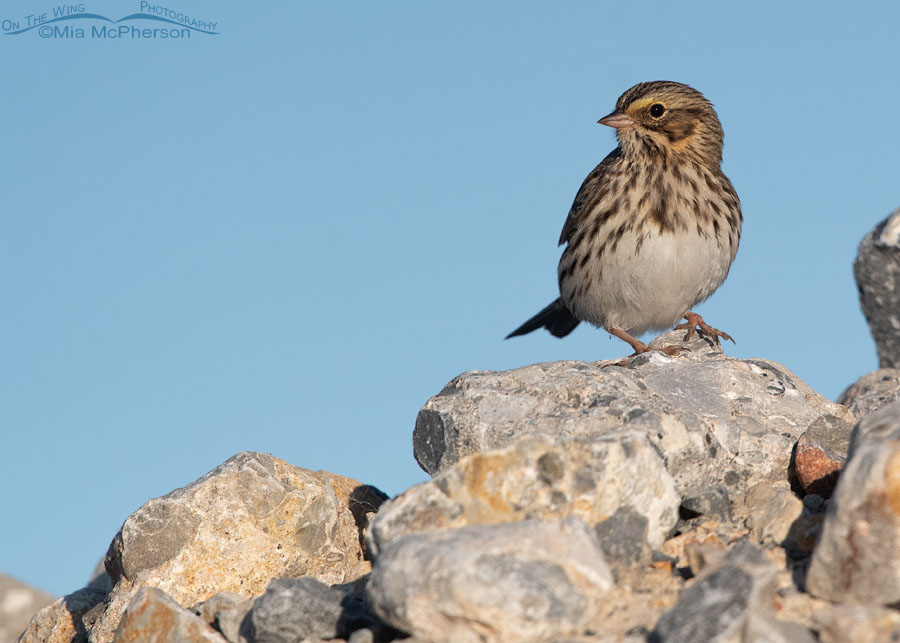
Usually when I see and photograph Savannah Sparrows they are on barbed wire, fence posts, railings or on the ground so seeing a Savannah on rocks was a nice change for me.
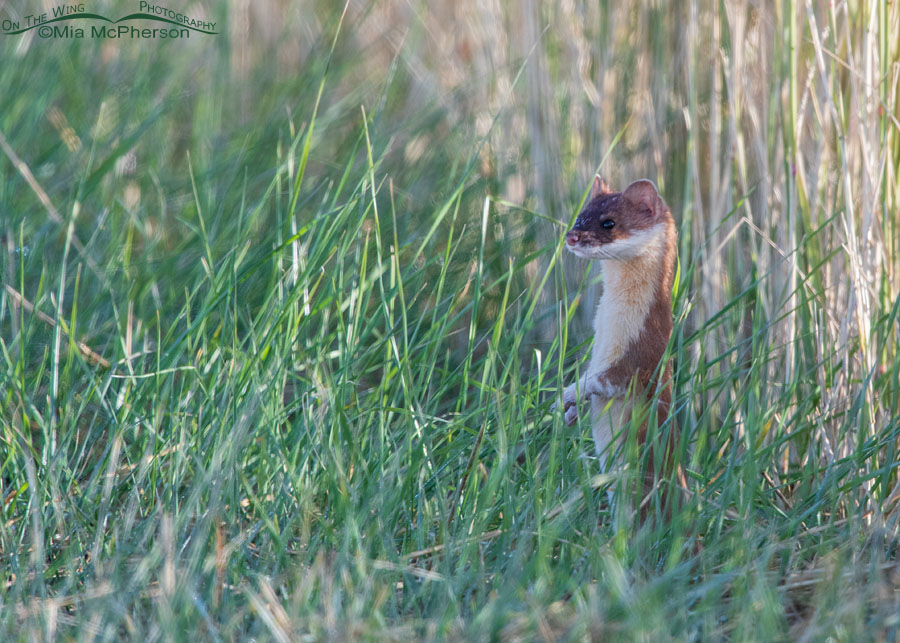
The Long-tailed Weasel stood up, looked around and then made a mad dash back to the west side of the road before I lost sight of it in the vegetation.
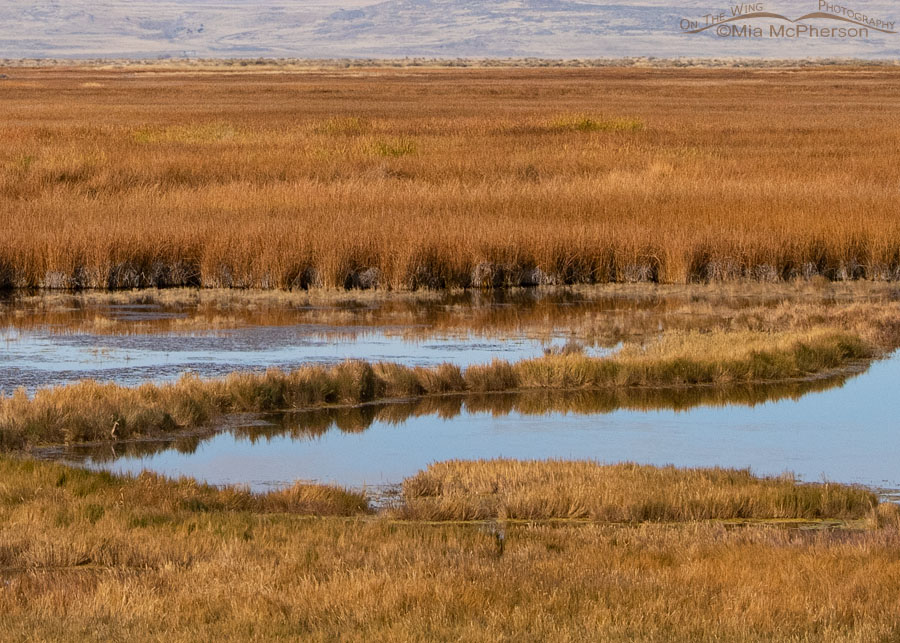
American Bitterns can be very hard to spot at times since they blend into their habitat so well because of their cryptic plumage patterns and because they are so skulky.

Our Clark's and Western Grebes will be leaving here soon and except for a few downy feathers on this one's forehead it looks like it is ready to take on its first migration.
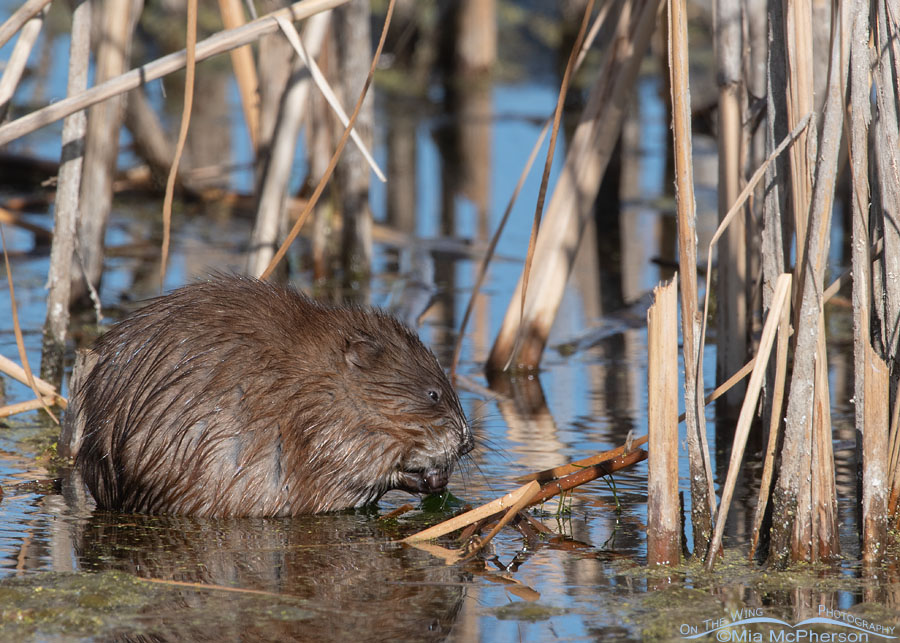
Yesterday I photographed a muskrat I found eating green filamentous algae at Farmington Bay WMA which I thought was interesting because I had never seen one eating algae before.

When autumn arrives White-crowned Sparrows are one of the sparrow species that I look forward to photographing at Farmington Bay WMA each year as they move down to lower elevations.
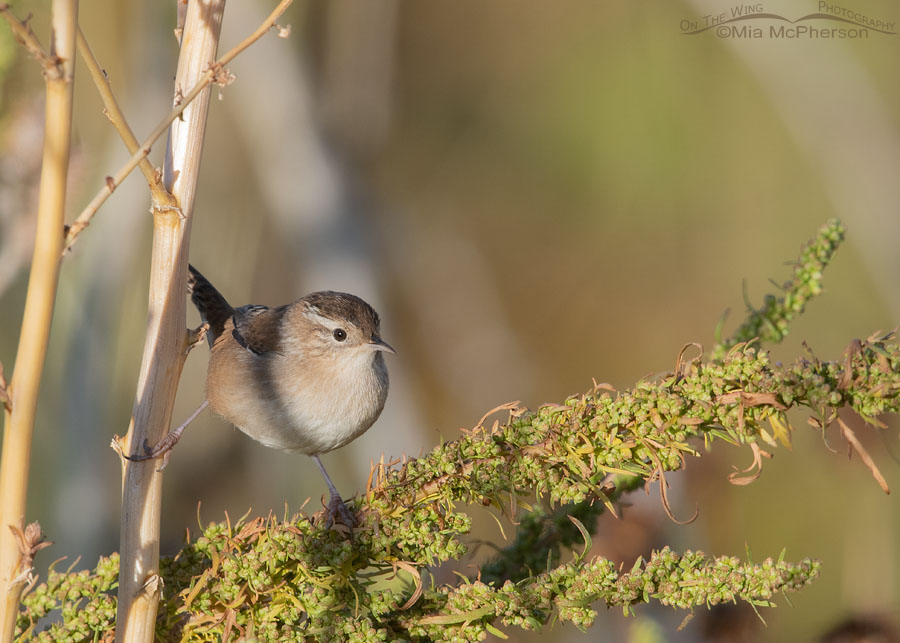
Marsh Wrens are year round residents here in northern Utah and this week I've photographed them in the marshes of both Farmington Bay WMA and Bear River Migratory Bird Refuge.