Prairie Willet And The Gulf Of Mexico
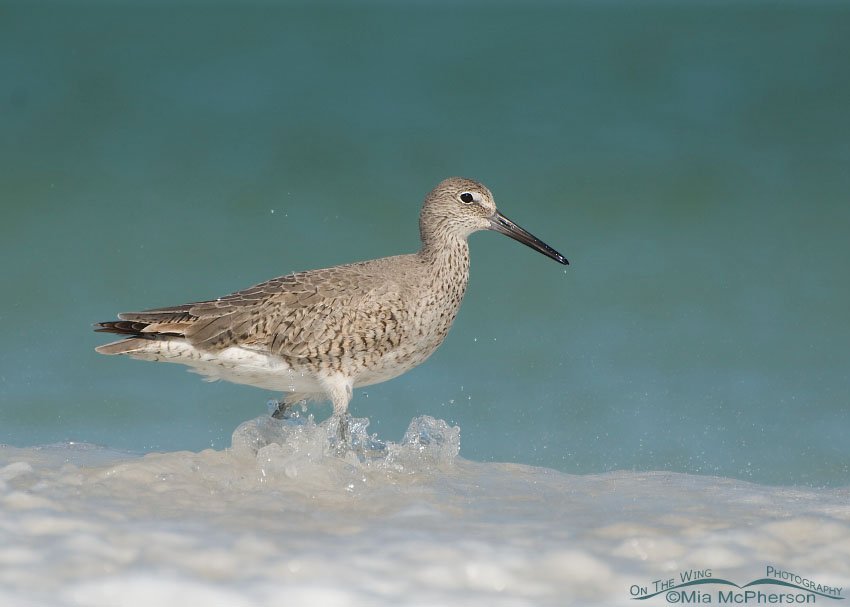
I dug way back into my archives for this photo of a willet with waves rolling in from the Gulf of Mexico, taken in 2008 at Fort De Soto County Park in Florida.



I dug way back into my archives for this photo of a willet with waves rolling in from the Gulf of Mexico, taken in 2008 at Fort De Soto County Park in Florida.
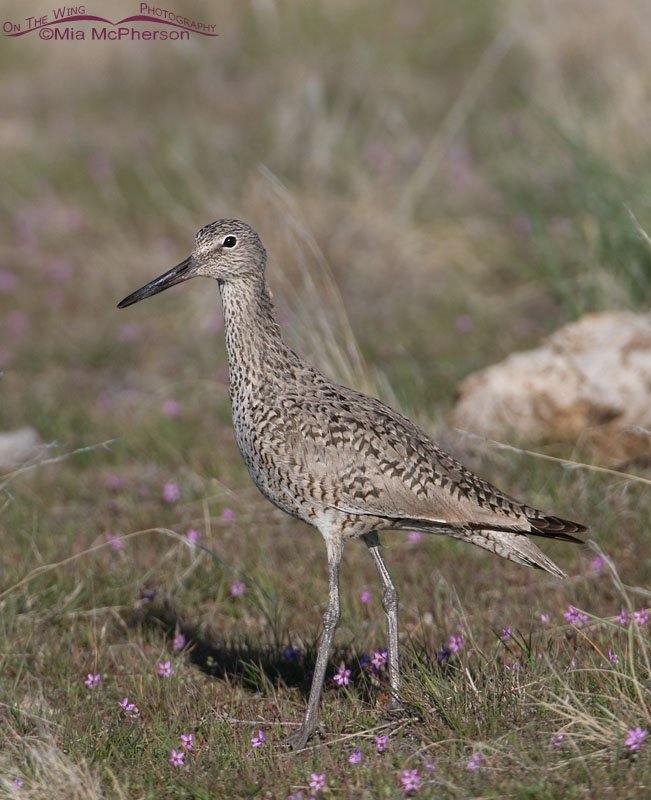
Two days ago I was able to photograph a Prairie Willet on Antelope Island calling from some rocks and foraging in the grasses and blooming Redstem Filaree.
Yesterday for the first time this season I saw and heard Prairie Willets on Antelope Island State Park.
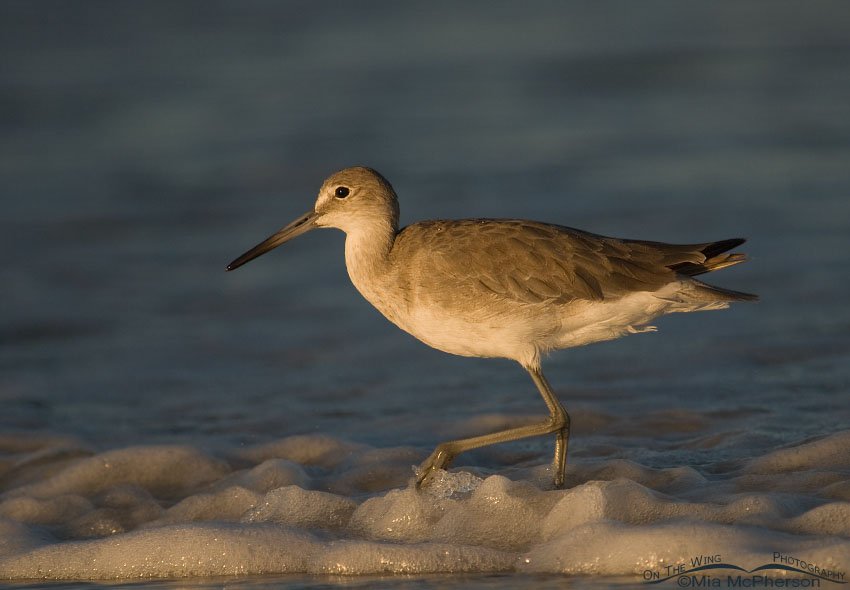
For those of us; including myself, who are tired of gray, cold days I thought this Prairie Willet photographed in Florida might delight in the sweet light, sea foam and warm Gulf waters the image contains.
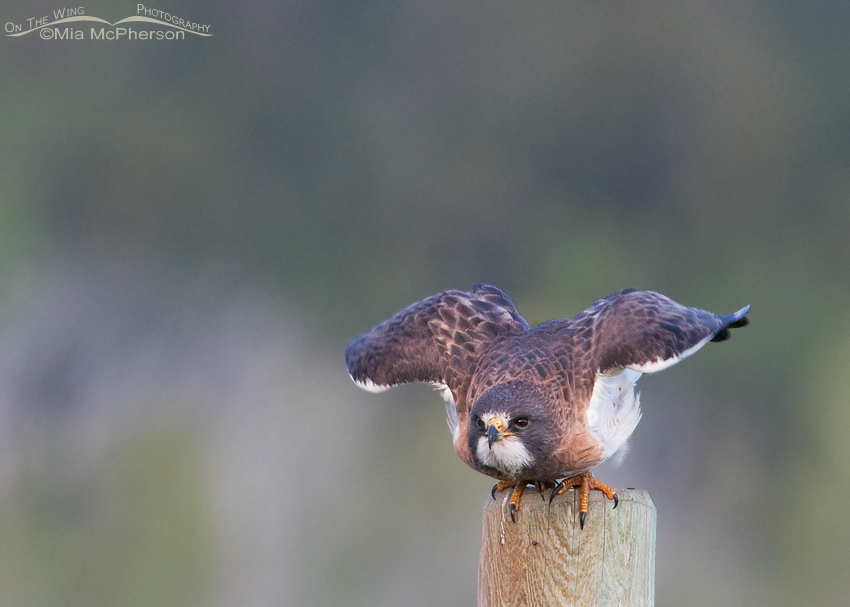
I wanted to share some bird lift off images today so I rounded up a few that showed different styles of lift offs.

It won't be long before I start seeing juvenile Prairie Willets that are about the size of the one pictured here.
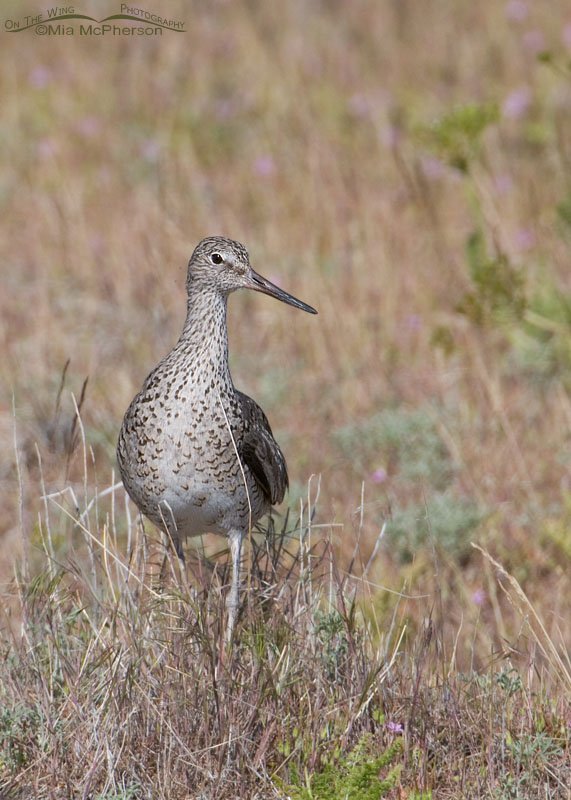
Just a simple Prairie Willet image today that I took on Antelope Island State Park earlier this month.

The Prairie Willets are moving into their nesting territory on Antelope Island State Park and I am excited about that. What I am not excited about is that the biting gnats (no-see-ums) are back too.
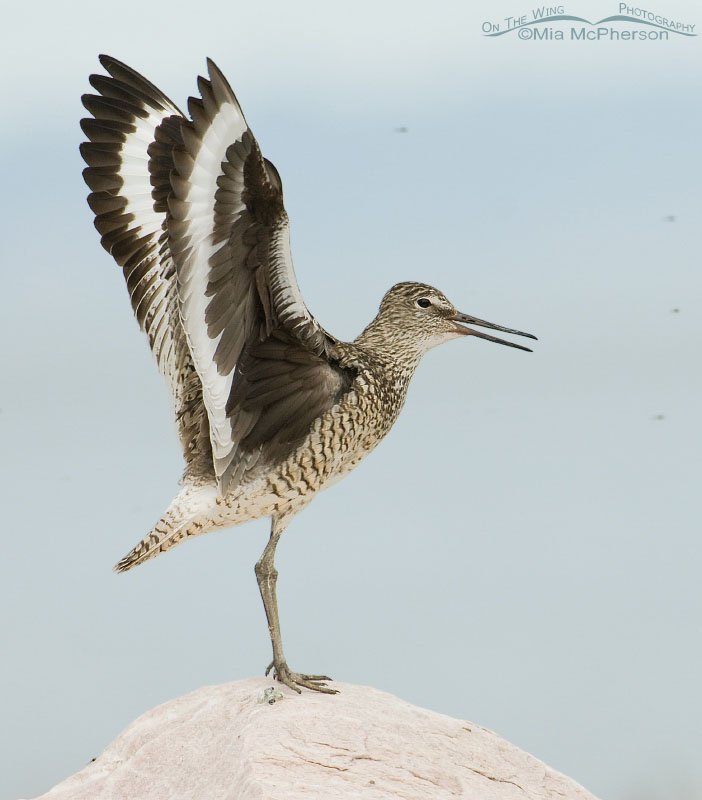
March is a month when I begin to anticipate the arrival of Prairie Willets. I've been listening carefully for them and hoping to catch sight of them along the causeway to Antelope Island any day now.

Gray skies, freezing temps and the inversions are beginning to get to me so I thought I would share some bird images from warmer days on Fort De Soto County Park's north beach in sunny Florida.

I've had the good fortune to photograph both the Saltmarsh and Prairie Willets in breeding plumage in Florida and in Utah and Montana.

Four years ago today Hurricane Ike was out in the middle of the Gulf of Mexico and the waves that it generated made a strong splash at Fort De Soto County Park.

These images were taken at Red Rock Lakes National Wildlife Refuge in southwestern Montana. There were two juvenile Prairie Willets plus an adult on the shoreline of the lower lake that delighted me.

On the first day of my recent trip to southwestern Montana I came across two Prairie Willets near a lake shore, one was an adult and one was a juvenile.
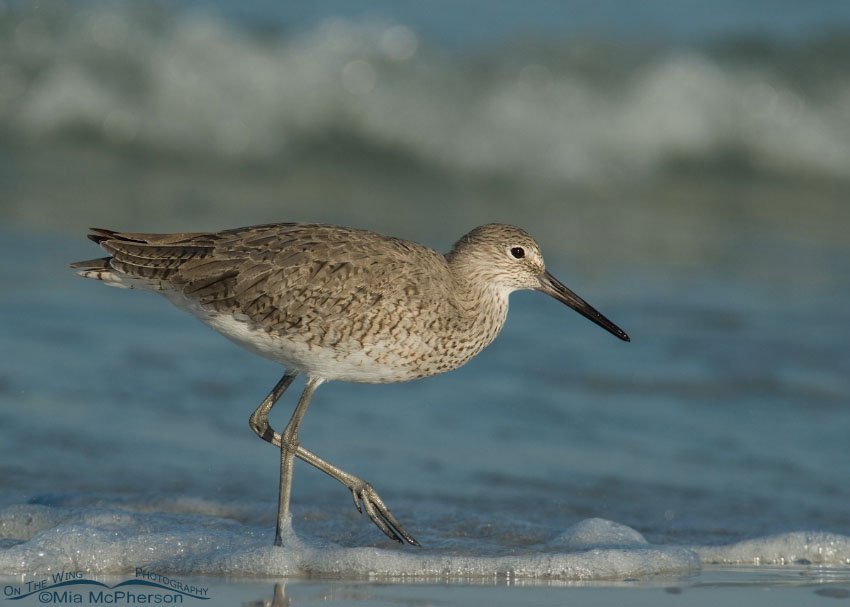
Getting "Down & Dirty" pays off when photographing shorebirds like this Prairie Willet in the surf I photographed in Florida as it walked along the shoreline of the Gulf of Mexico.
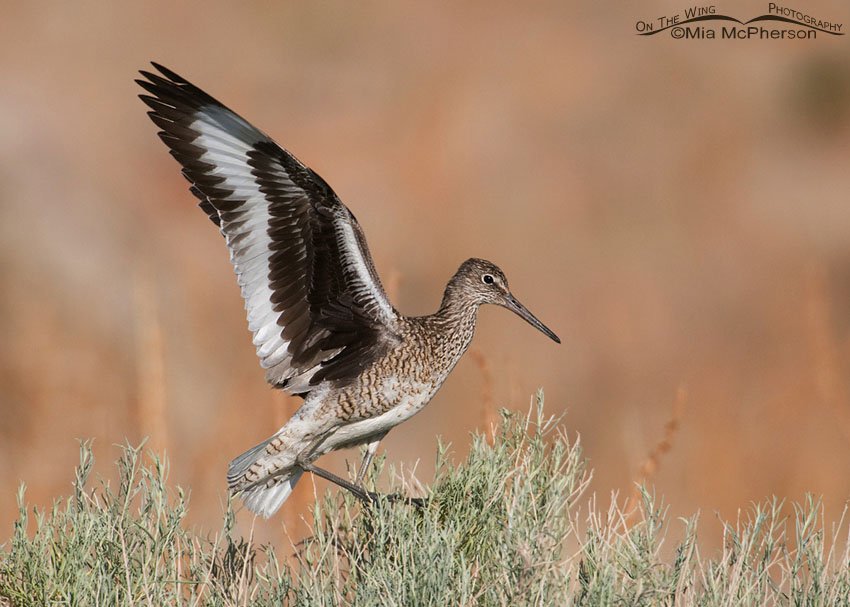
I've heard people call Prairie Willets "Plain Brown Birds". I reckon they may have never seen one looking like this willet.

I bet you are wondering what I mean by "Poopy perches", I know I would be if I saw that title. Am I talking about perches that are man-made and ugly? Or perches that are just not all that appealing visually?

In Utah I see Prairie Willets in much different habitats than I saw them in Florida, here they stand on rocks, perch precariously on shrubs, and forage in grasslands.
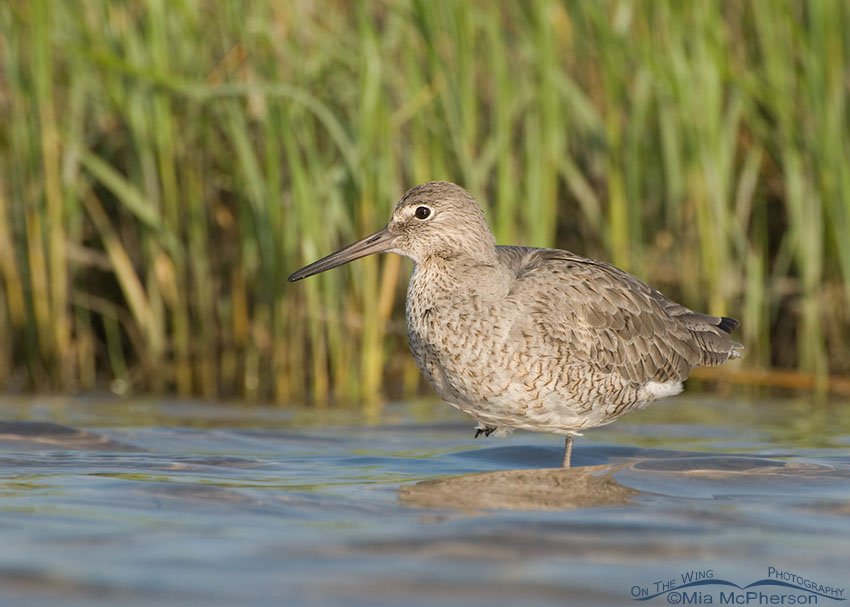
My Nikkor 80-400mm VR was being repaired when I photographed this Prairie Willet and I was using my 70-300mm VR.

Yesterday I observed an adult Prairie Willet defending its young from a group of Black-billed Magpies that were near the willet's chicks.

One of the habits I have developed after becoming a serious bird photographer is observing and learning about bird behavior and the habitats
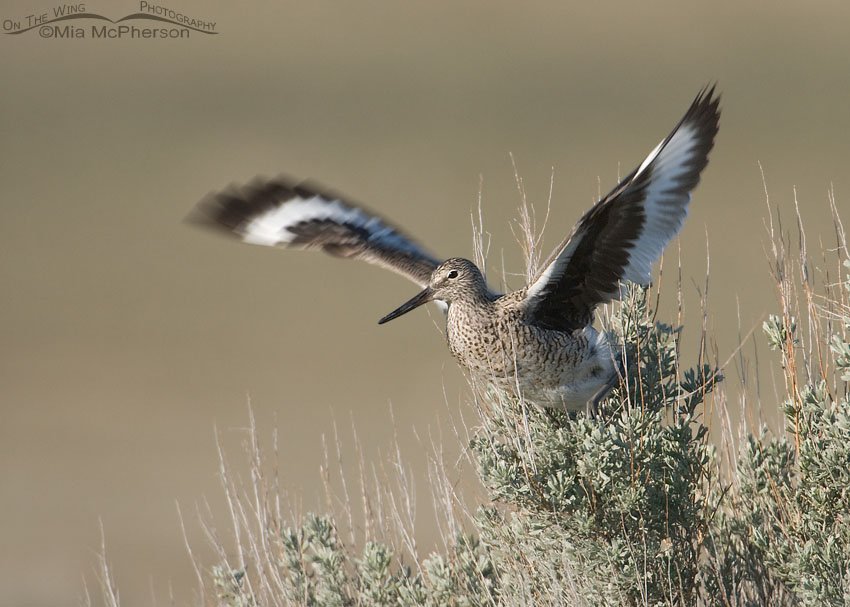
I hereby put the millions of biting gnats on Antelope Island on notice: No matter how many times you break through my insect repellent shield, I am still going to photograph birds on Antelope Island.

Auto levels in Photoshop must be used with a light touch. Using auto levels can create too much contrast in an image, can cause color casts, it can brighten an image too much, it can strip the light and can make some images look very unnatural.