Song Sparrows In The Marsh Of Farmington Bay
I probably see Song Sparrows more often and in more habitats than any other sparrow species here in Utah. I am delighted by that.



I probably see Song Sparrows more often and in more habitats than any other sparrow species here in Utah. I am delighted by that.

Having this male House Finch perched in a frost kissed Greasewood a few days ago with blue sky behind it did make him stand out well.
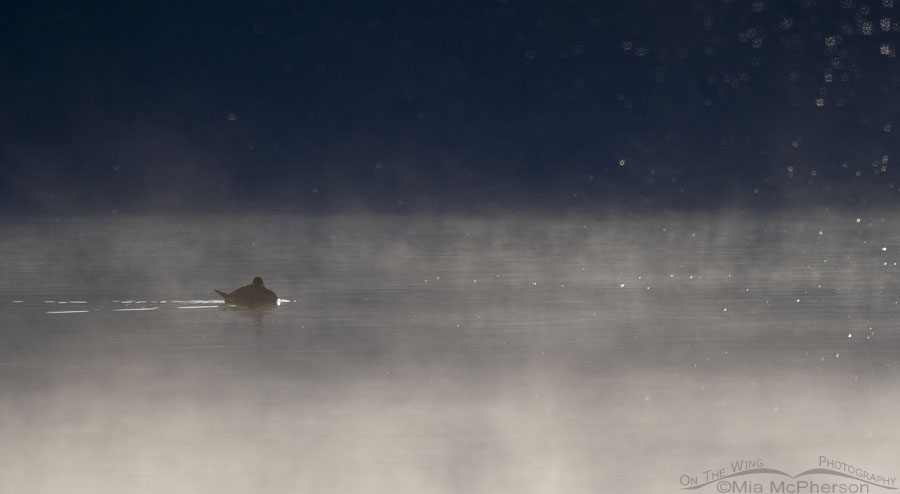
I'm really glad I looked at these ducks in the fog and decided to take photos of them even though I was looking towards the sun instead of away from it like I typically do when photographing birds.

Three days ago there was a little bit of fog at Farmington Bay WMA while the sun was coming up over the Wasatch Mountains which set up the conditions I needed to take this Northern Shoveler photo.
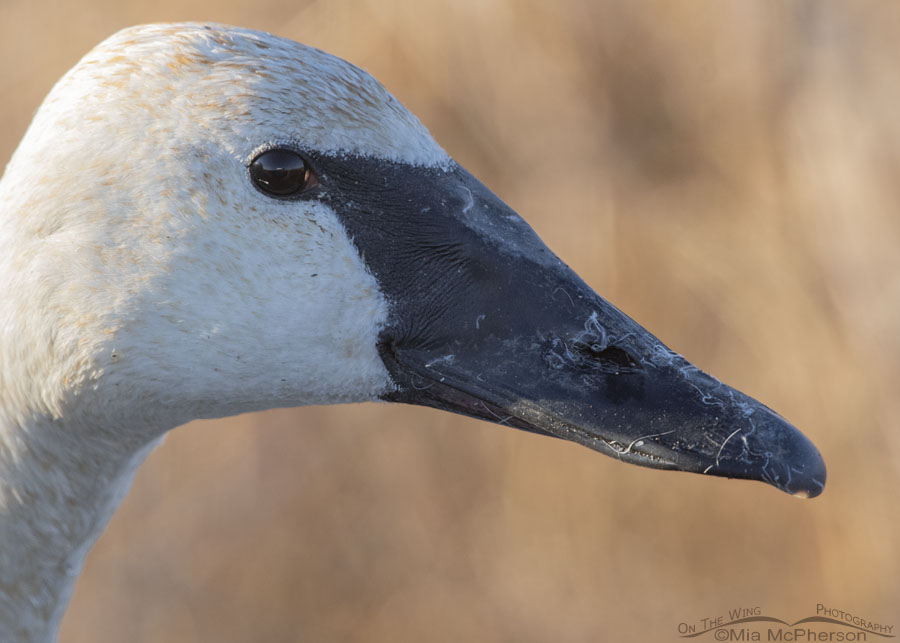
As I look at this Trumpeter Swan photo and see my Jeep reflected in its eyes I feel a sense of loss. I know that I won't forget the swan that I couldn't rescue.

With scores of pipits flying in, flying out and moving around on the rocks it was a challenge to decide which bird to have in my viewfinder.
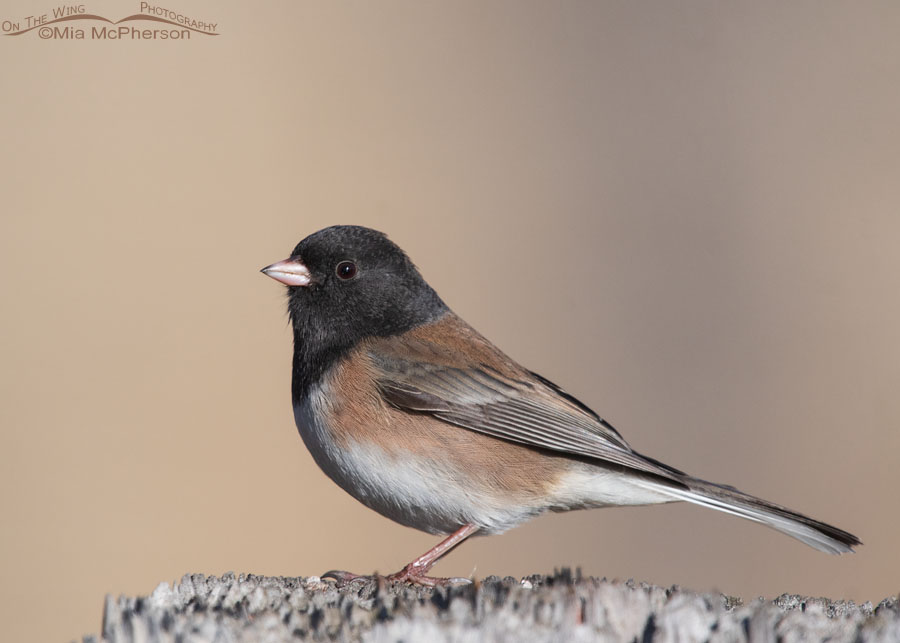
As common as Dark-eyed Juncos are I have surprisingly few photos of them in my galleries and that is why I get excited when I can add a new photo of them to my portfolio.

I'd watched the Greater Yellowlegs foraging and most of the time the prey was too tiny to see but this little fish was a nice catch for the shorebird and for me.

I photographed this young male Red-winged Blackbird singing at the top of a Russian olive tree at Farmington Bay WMA nine days ago.
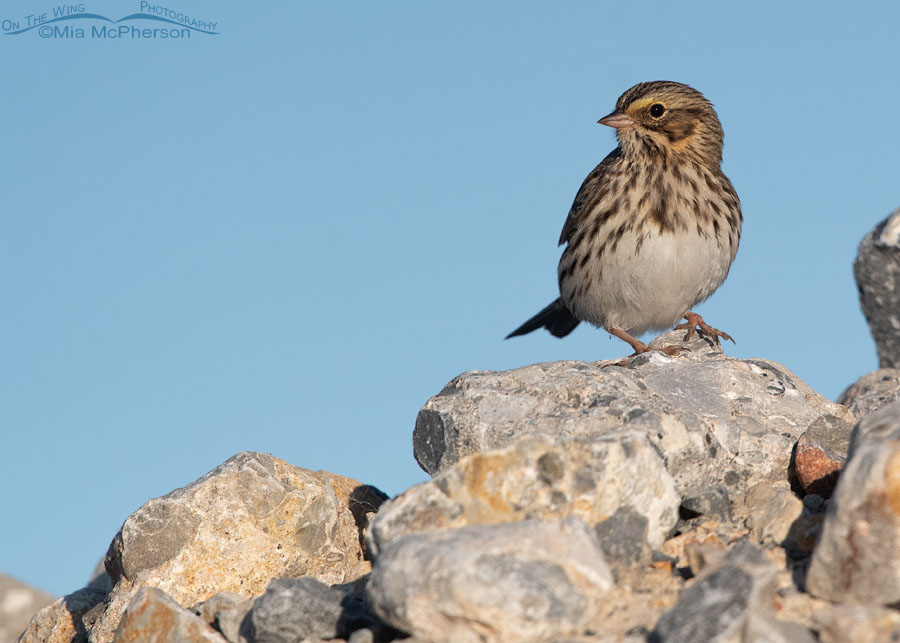
Usually when I see and photograph Savannah Sparrows they are on barbed wire, fence posts, railings or on the ground so seeing a Savannah on rocks was a nice change for me.
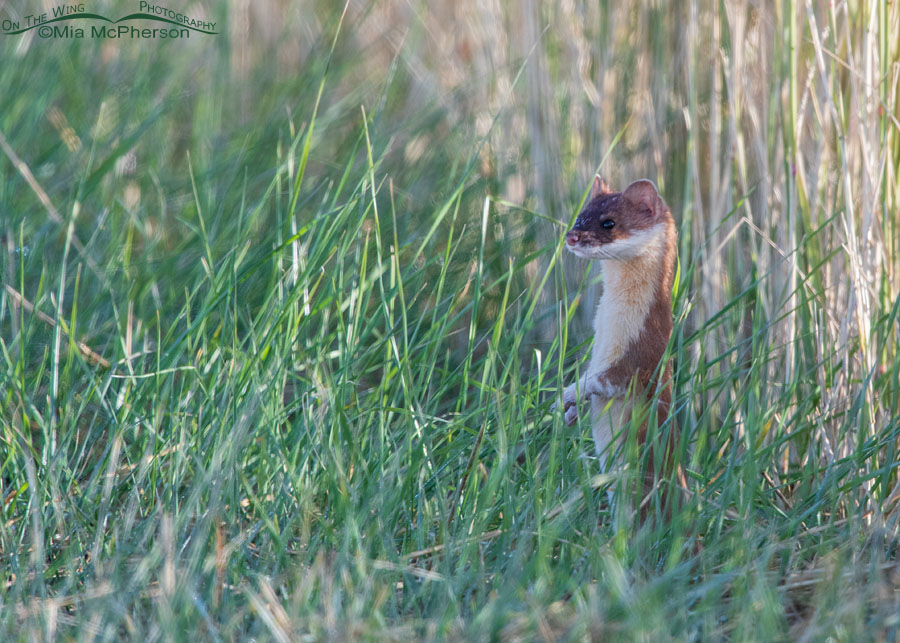
The Long-tailed Weasel stood up, looked around and then made a mad dash back to the west side of the road before I lost sight of it in the vegetation.
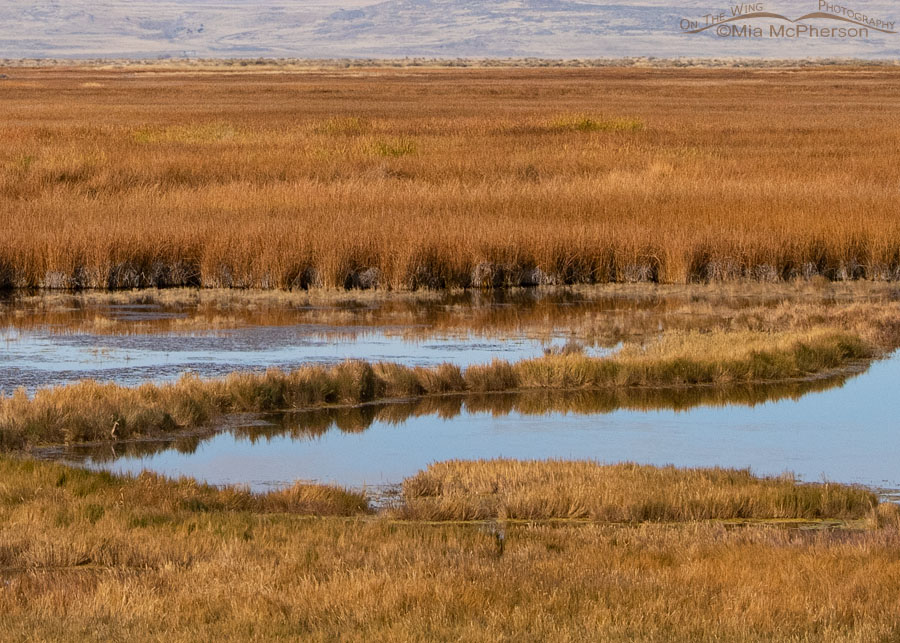
American Bitterns can be very hard to spot at times since they blend into their habitat so well because of their cryptic plumage patterns and because they are so skulky.

Our Clark's and Western Grebes will be leaving here soon and except for a few downy feathers on this one's forehead it looks like it is ready to take on its first migration.

When autumn arrives White-crowned Sparrows are one of the sparrow species that I look forward to photographing at Farmington Bay WMA each year as they move down to lower elevations.

These nine Snowy Egret photos are just a fraction of the images I took of a small flock of these snowy, white birds with golden slippers yesterday morning on the marshes of Farmington Bay WMA.

I took this White-faced Ibis on the wing over the marsh at Farmington Bay WMA photo last week and at first I thought the bird was too small in the frame but the more I look at it the more I like it.

Not only was this Ring-billed Gull in molt it was molting in a remarkably symmetrical pattern which I found interesting. Because the gull was in flight the symmetry was very visible.

I didn't see or photograph as many Rough-legged Hawks last winter as I have in previous years but I did have a close up, extraordinary experience with one who was expelling a pellet on a snowy, foggy day at Bear River MBR.

The lighting I had wasn't the best but for some reason I really like this photo of the American White Pelican on the wing over the refuge because of the contrasts between the whites and blues in the frame.
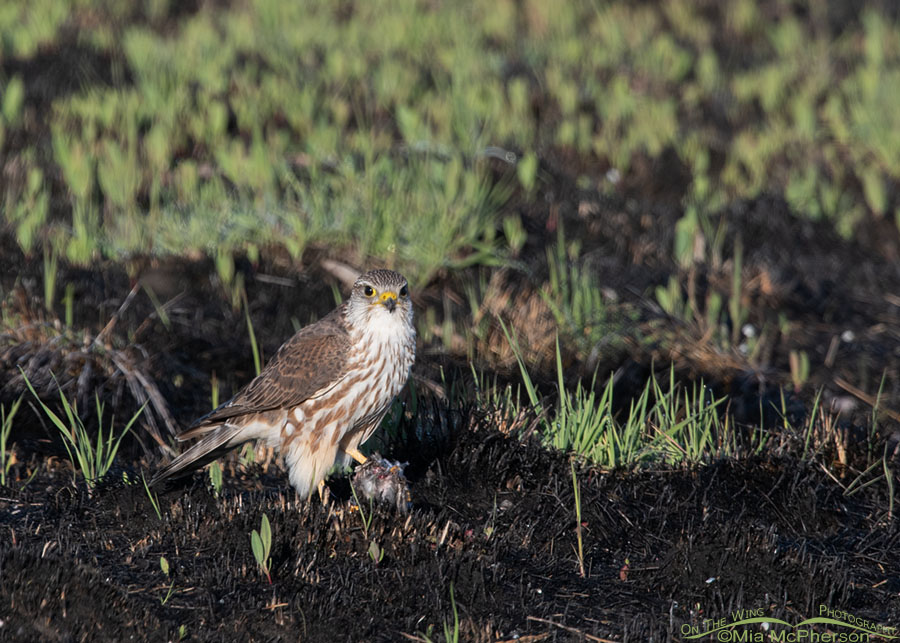
In my experience Merlins are already hard to find in the state of Utah but because of our climate crisis they could become even more difficult to locate or they might even disappear from the state altogether.
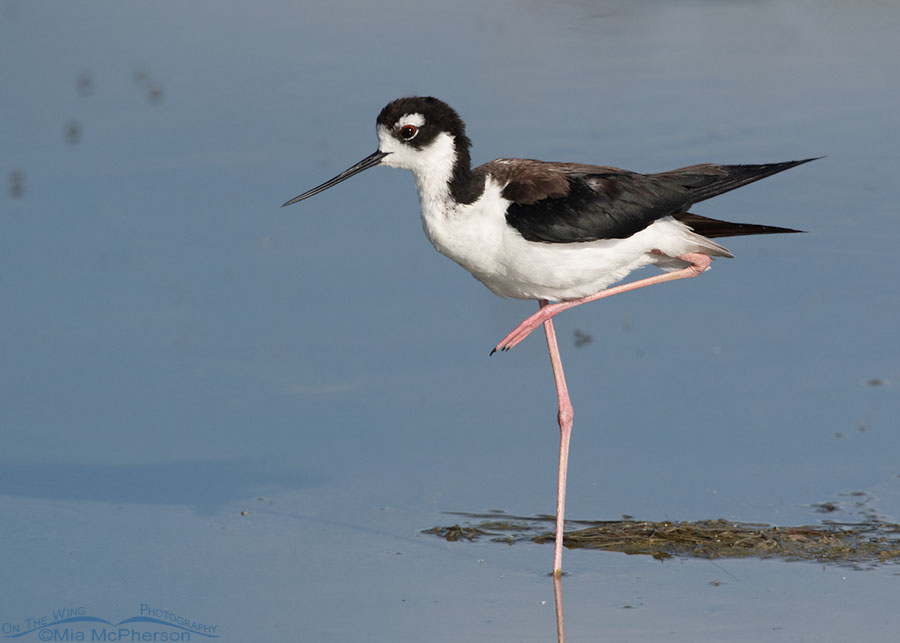
These two Black-necked Stilt photos were taken 9 days ago at Bear River Migratory Bird Refuge and I thought they could easily show the difference between the female and male of this species.
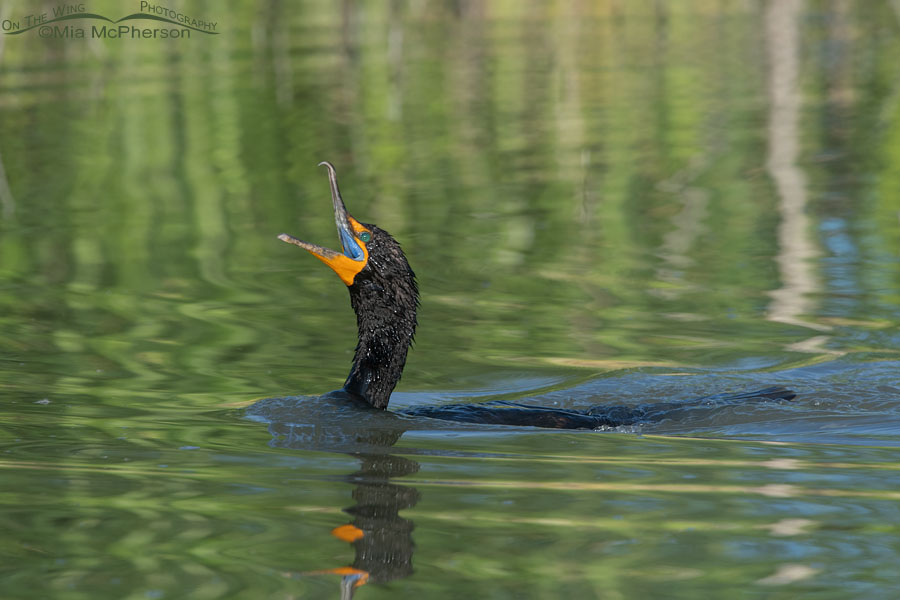
During the breeding season even the inside of the mouths of Double-crested Cormorants show changes, the lining inside their mouths turns into a deep, electric or cobalt blue.
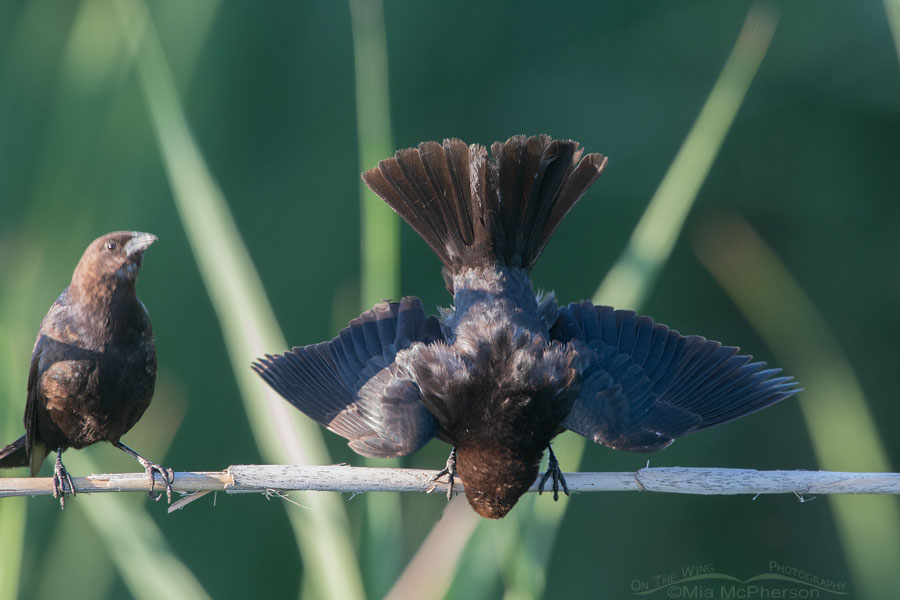
This photo of a displaying male Brown-headed Cowbird in a goofy upside down pose is not a good photo technically but I absolutely love the behavior it shows.

I know that is probably anthropomorphizing but I do allow myself to giggle about birds I think look "angry" and if any of them do this Western Grebe certainly does.

The soft, early morning light was beautiful when I took these juvenile Cliff Swallow images and I am pleased with how the photos came out.

Three days ago I was tickled to finally see some American Avocet chicks on the marsh at Bear River Migratory Bird Refuge, I've been waiting to see these little puff balls this year!

It seems I also photographed an odd, little hitchhiker on the lore and bill of the White-faced Ibis when I took these photos.

Both the female and male Killdeer incubate so there is no way for me to tell what the gender of this Killdeer is but it stayed on the scrape while I photographed it and didn't move.

When I opened this adult Cliff Swallow image on my computer at home the first thought I had was that it looked like the Cliff Swallow was surfing on a phragmites "wave".

It really is a simple Great Blue Heron photo with the marsh, a stationary wading bird, vibrant spring growth and water at the top of the frame but it is also a very calming image for me because for a few seconds time stood as still as the heron.