Tyrannus verticalis
Western Kingbirds are grayish on top, have whitish chests and throats, yellow bellies, black tails edged in white, large heads with heavy, straight bills.


Tyrannus verticalis
Western Kingbirds are grayish on top, have whitish chests and throats, yellow bellies, black tails edged in white, large heads with heavy, straight bills.

Not every trip I make into the field is filled with joy, butterflies, and rainbows. Sometimes, I come across injured or sick birds, like this Western Kingbird.
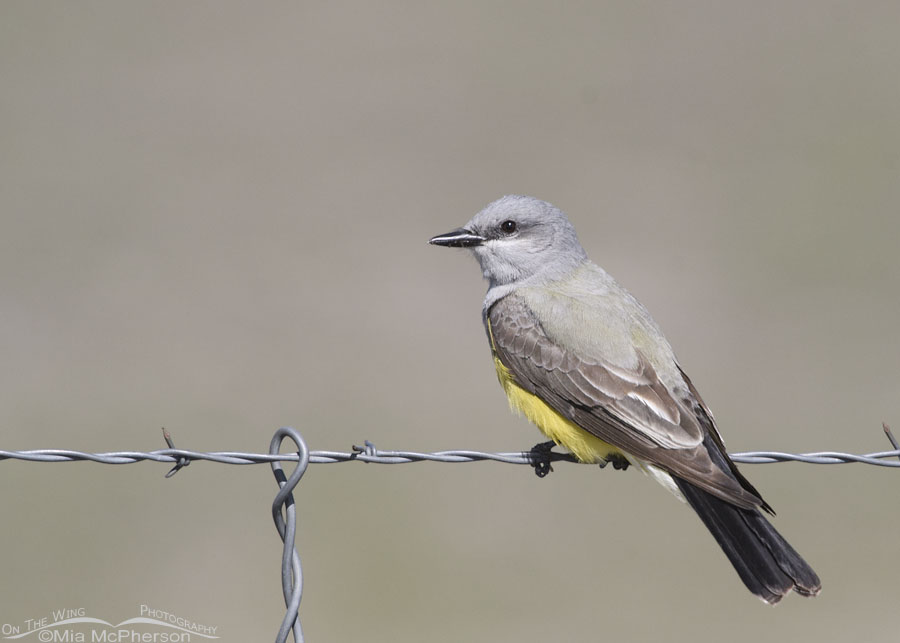
On my last trip to Bear River Migratory Bird Refuge I was tickled to take my first of year Western Kingbird photos when I was heading back to the interstate.
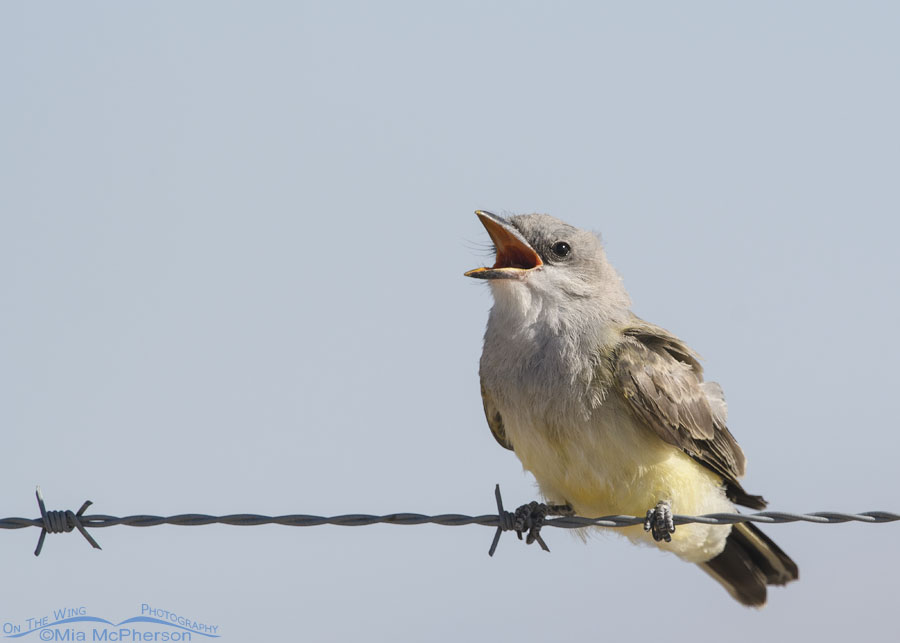
While I was out exploring in the West Desert three days ago I spotted this young Western Kingbird perched on a barbed wire fence close to the road.

At times I see some odd things in the field and two days ago that was what appeared to be a Western Kingbird attempting to take over a Bullock's Oriole nest.

Last week I made two trips out to the West Desert and today I am sharing a medley of recent birds that I found while I was out there.

While I was up in Box Elder County, Utah four days ago I spotted my first of season Western Kingbirds chasing each other around in flight near a ranch.

Juvenile Western Kingbirds may look sweet like this one does perched on a fence but they can be rather pushy when it comes to demanding food from their parents and they are also quite noisy too while they are begging.
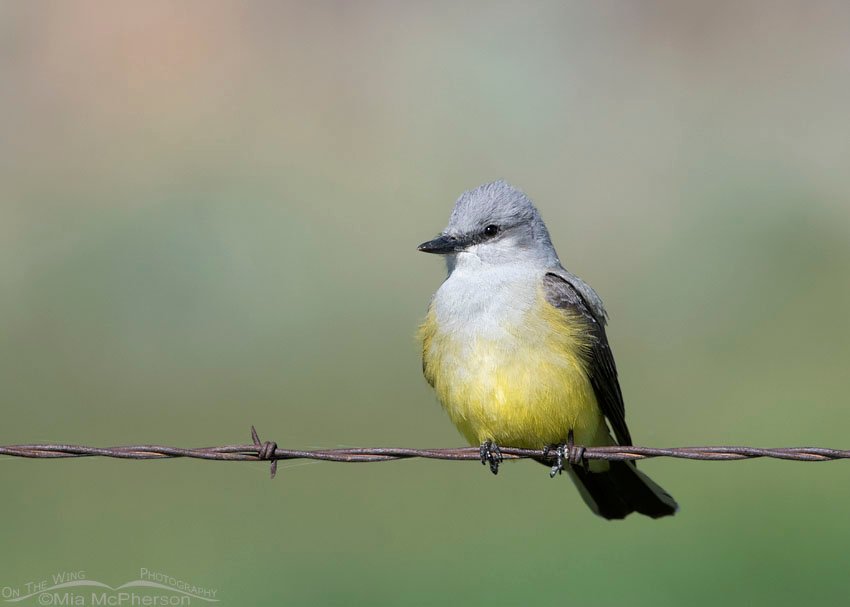
Last week I photographed this adult Western Kingbird perched on rusty barbed wire up in northern Utah with spring greenery behind it and I liked the greens, yellows, grays and whites in the photo.

I did see a Western Kingbird two days ago but the only photos I have of that bird were taken on a barbed wire fence and I have more of those type of images than I know what to do with and nothing about those images were appealing, unique or all that interesting.

This image kind of looks like I photographed a two-headed juvenile Western Kingbird but it is really an optical illusion.

The ranges for these two species of kingbirds overlap here in northern Utah but I see more of the Western Kingbirds than I do the Eastern Kingbirds.

Winter is clashing with spring right now in northern Utah and those seasonal changes can make bird photography interesting.

Yesterday morning while in Box Elder County I was delighted to photograph a Western Kingbird with a Hint of Black Mustard in the background as it perched on a fence near the road.
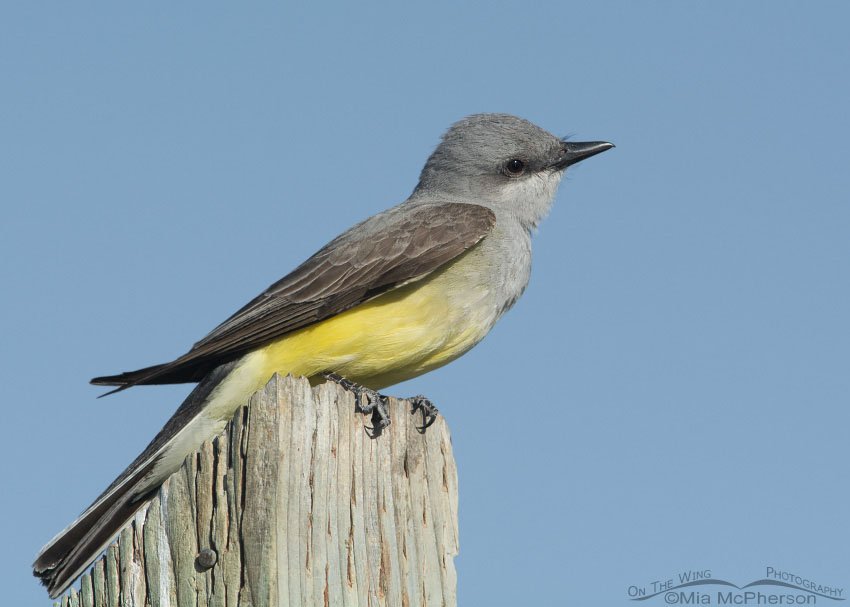
This adult Western Kingbird close up was photographed two years ago on Antelope Island State Park as it perched on a sign post close to a nest site.

I feel fortunate that I am able to see and photograph both the Western and Eastern Kingbird juveniles here in northern Utah.
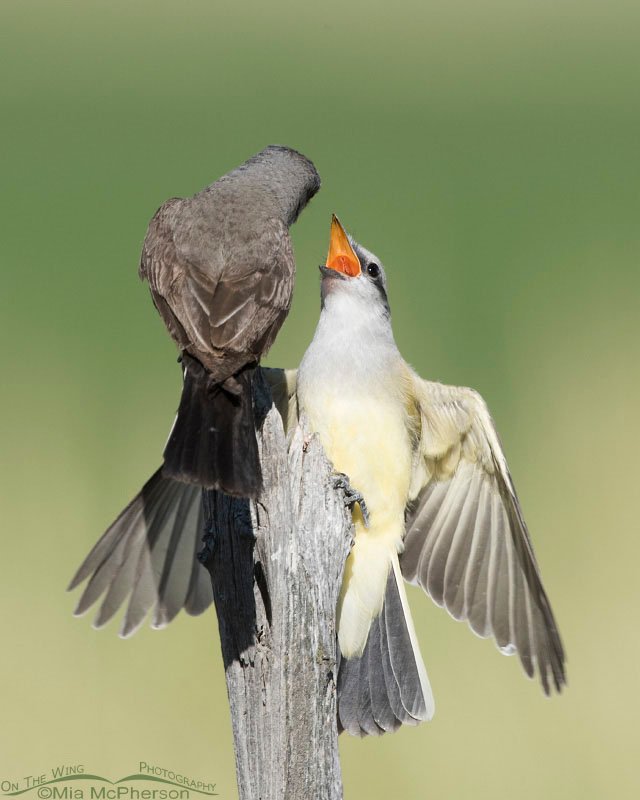
Late last month I photographed a Western Kingbird family in Box Elder County where the juveniles kept begging for food from the adult.

So even though I didn't come home with many Burrowing Owls images yesterday these Western Kingbird images more than made up for it!

I had fun photographing Western Kingbirds again yesterday on Antelope Island State Park and hours later I was still hearing their calls in my mind.

By the third or fourth visit to the area where the Western Kingbirds were located the sun was shining and the light was great. I felt like singing along with the kingbird to celebrate the clearing sky.

This morning I was looking through some images that I had taken in August of 2014 and came across this juvenile Western Kingbird photo that I hadn't touched at all.

In June I published several posts about a pair of Western Kingbirds nesting on Antelope Island State park but unfortunately that nesting attempt failed.
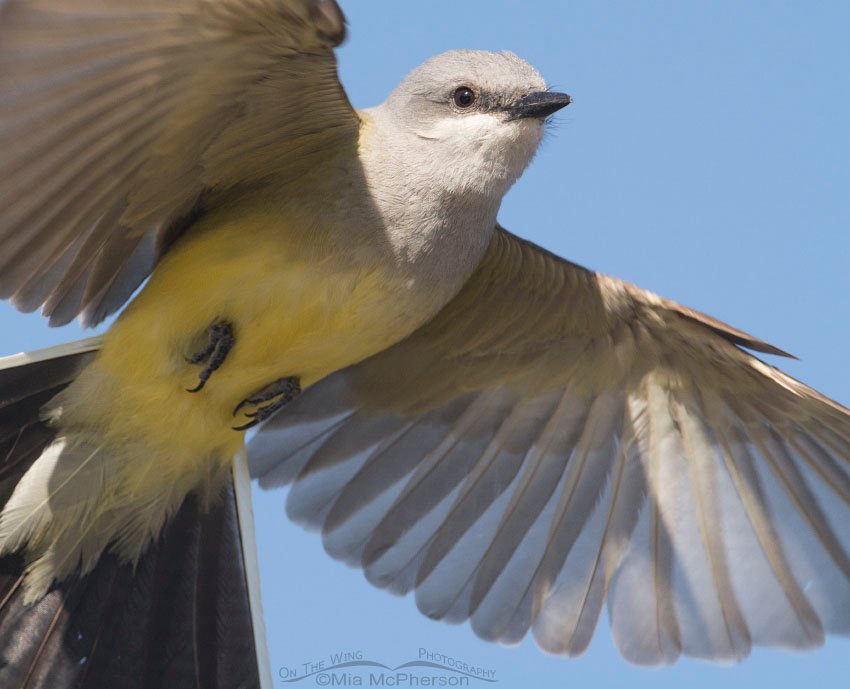
Three days ago I was caught off guard when this Western Kingbird flew in and hovered up close to me, almost too close actually.
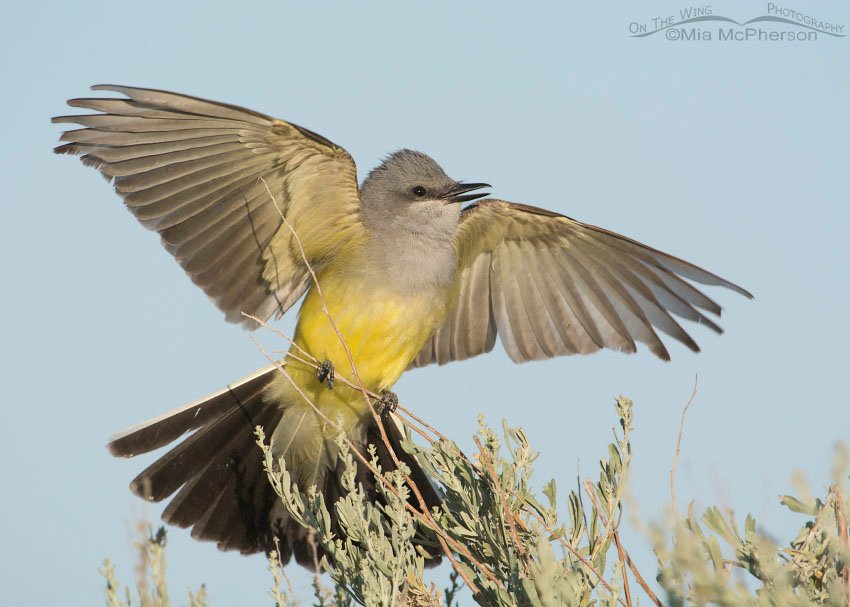
Yesterday morning I had Western Kingbirds and Long-billed Curlews in my viewfinder on Antelope Island State Park.
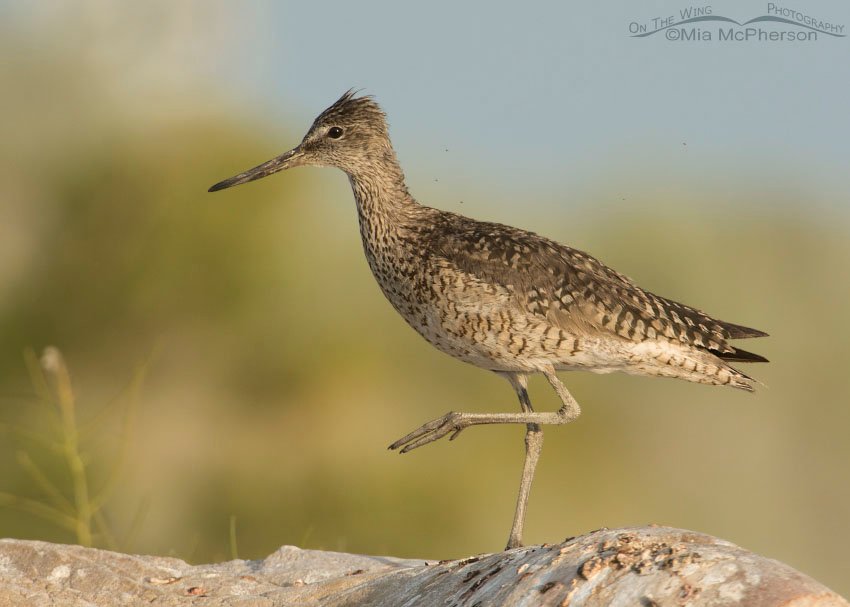
It was delightful to have light and a six-pack (plus) of birds out on Antelope Island yesterday to test my new Nikon D7100.

Western Kingbird After several days of not being able to photograph birds because of bad weather I was pleasantly surprised to have a medley of birds to photograph on Antelope Island Monday.
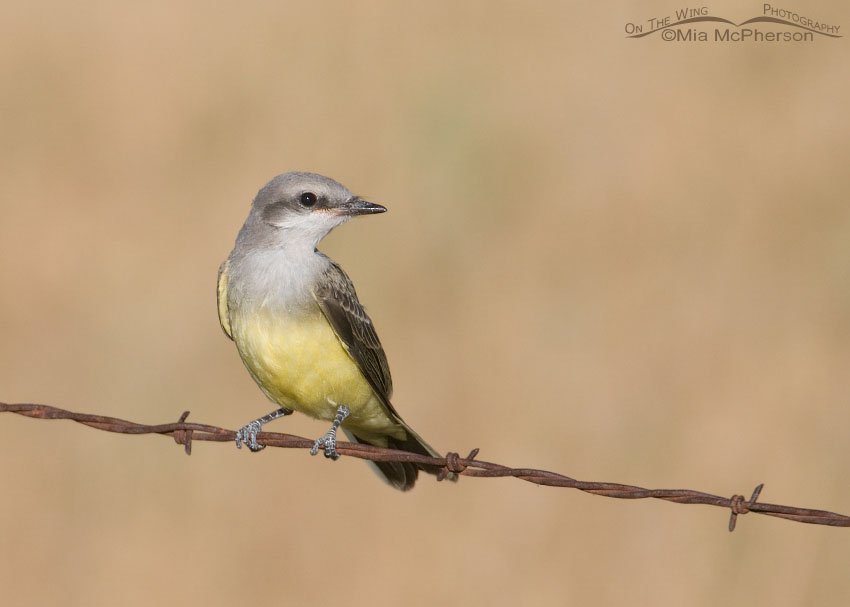
I don't often have the opportunity to photograph juvenile Western Kingbirds but last week I did at Bear River Migratory Bird Refuge in Box Elder County.

One of my favorite locations to photograph birds in northern Utah is Bear River Migratory Bird Refuge. I've selected some of the birds there that delight and entertain me while I observe and photograph them.
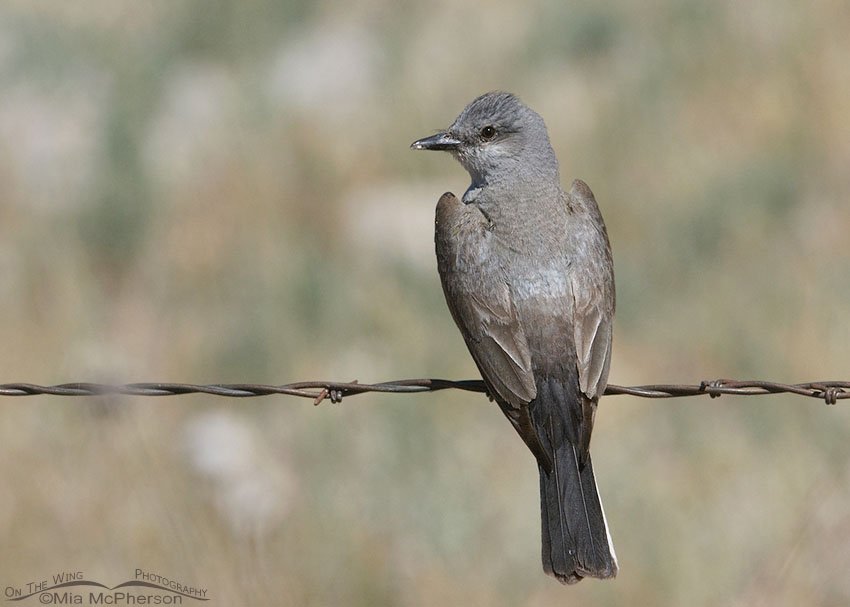
Western Kingbirds appear to have had a wonderful nesting season here in Utah because there are plenty of young birds perching on wires and branches loudly demanding food from the frazzled looking adults.

There are times when I go out to photograph a specific species but come home with images of birds I didn't expect to see.
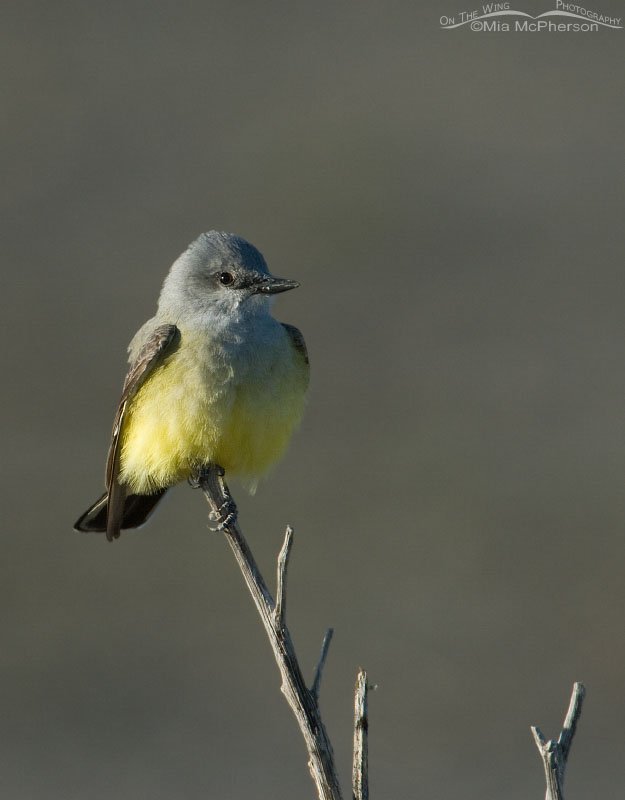
While I observed them one of the Western Kingbirds was actively hawking insects, swooping towards a bug then perching until it saw the next insect.