Great Blue Herons At The Farmington Bay WMA Rookery
Yesterday morning, I was surprised to find Great Blue Herons already at the nests of the rookery at Farmington Bay WMA. There were more than twenty herons.


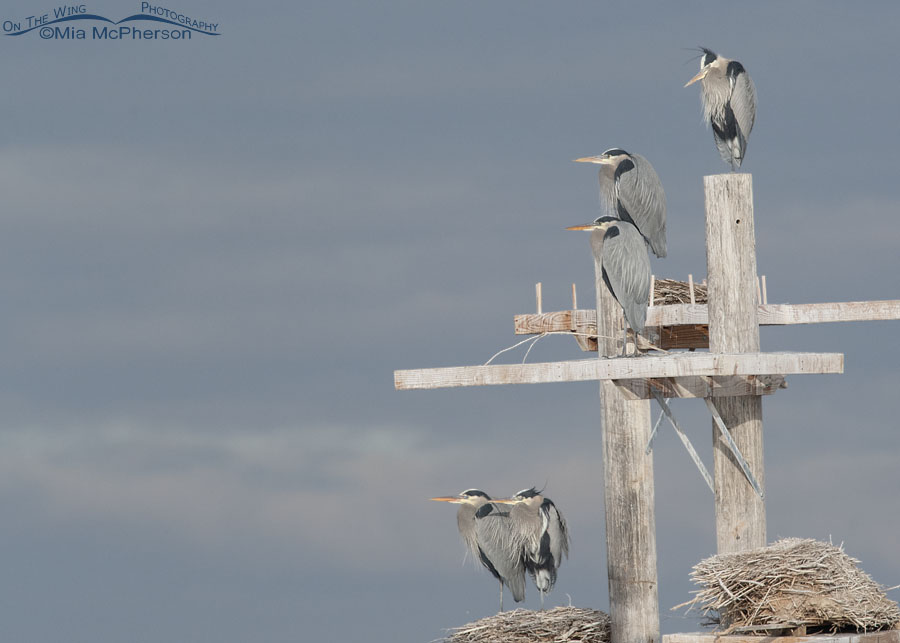
Yesterday morning, I was surprised to find Great Blue Herons already at the nests of the rookery at Farmington Bay WMA. There were more than twenty herons.
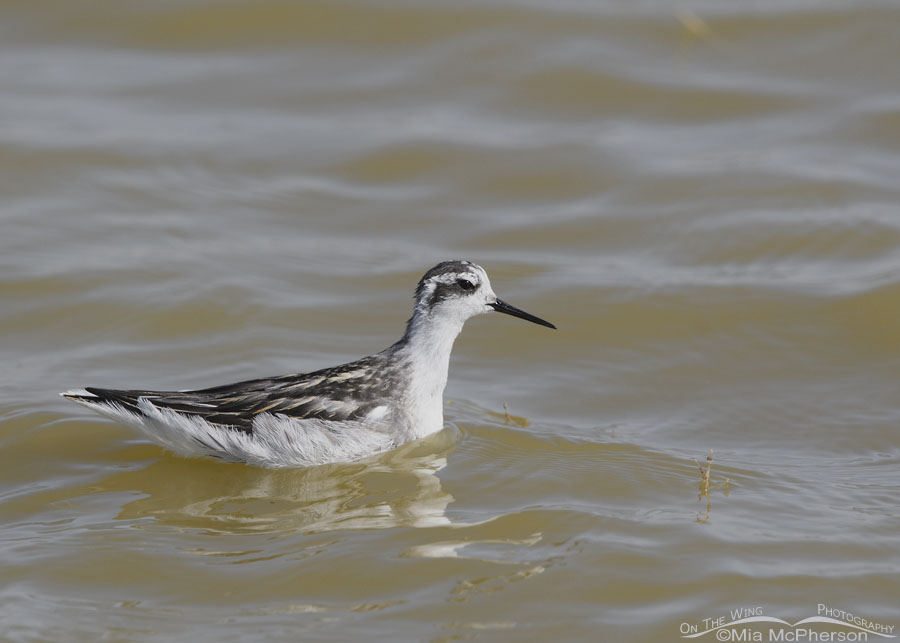
Two days ago after leaving the auto tour route at Bear River MBR I was able to photograph two phalarope species in a wetlands that were feeding side by side.
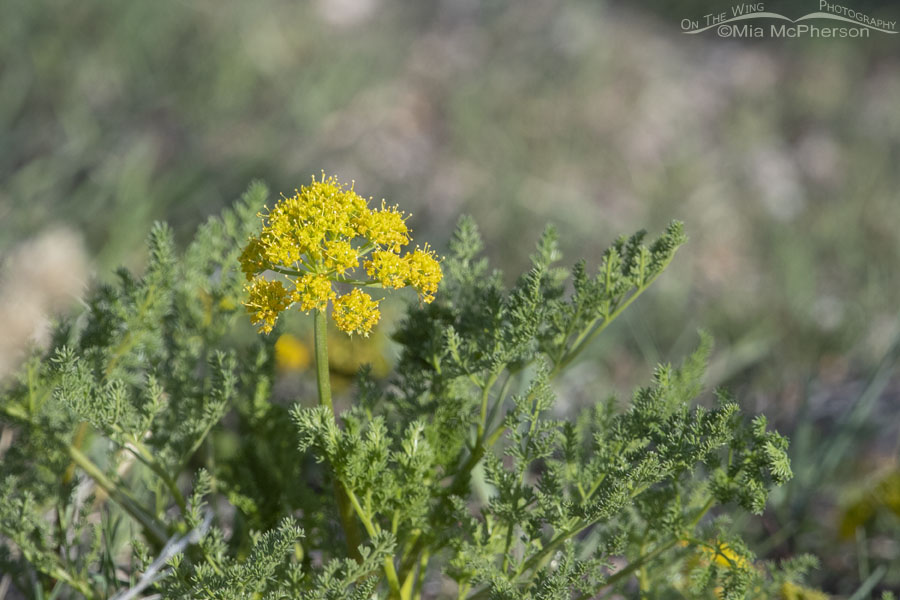
The first wildflowers I photographed this spring were some Gray's Biscuitroot that I found blooming on the north end of Antelope Island last week.
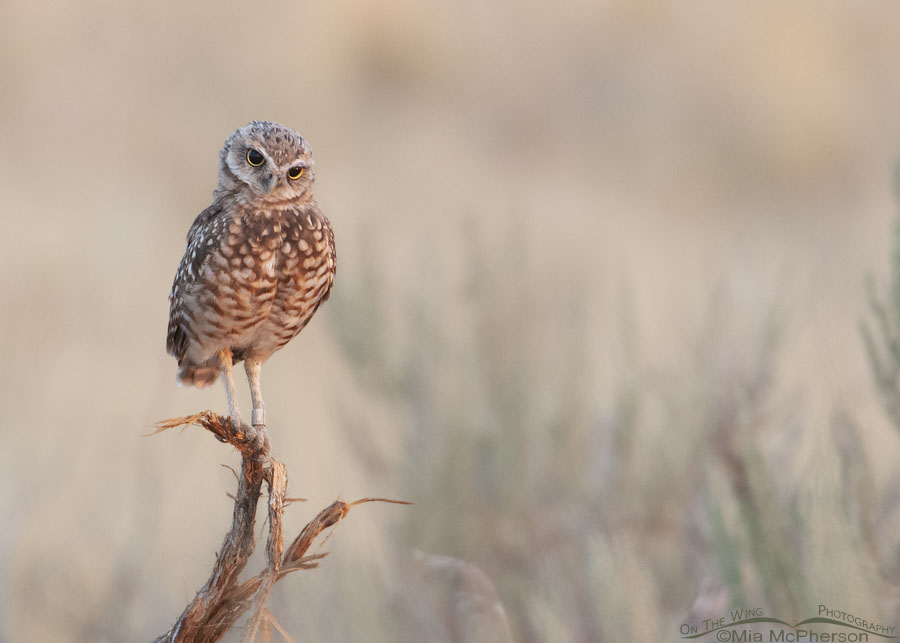
It was announced yesterday that the Burrowing Owl is the 2022 ABA Bird of the Year! Burrowing Owls are small, long-legged, sandy-colored, charismatic owls with bright yellow eyes.
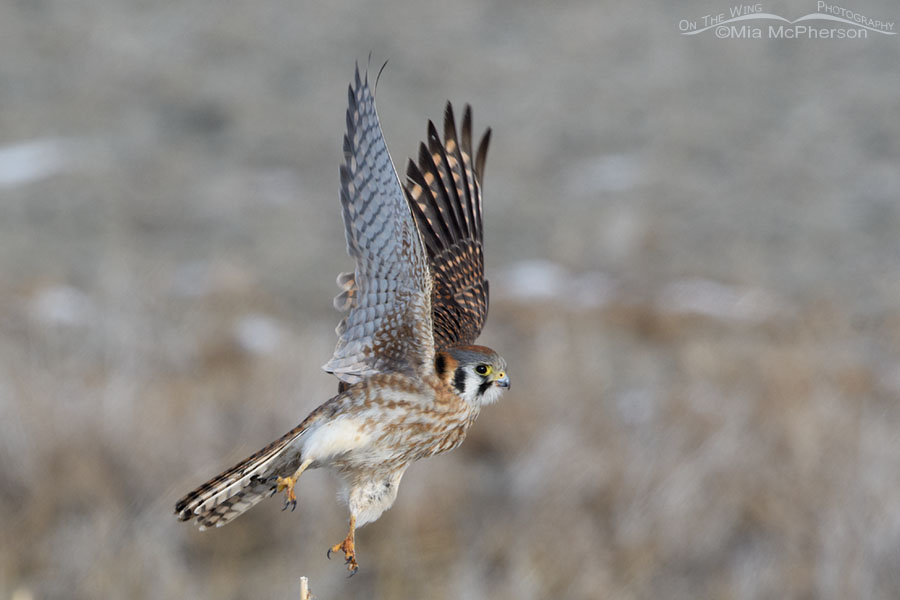
Yesterday morning I was able to take female American Kestrel photos from the causeway to Antelope Island State Park twice.
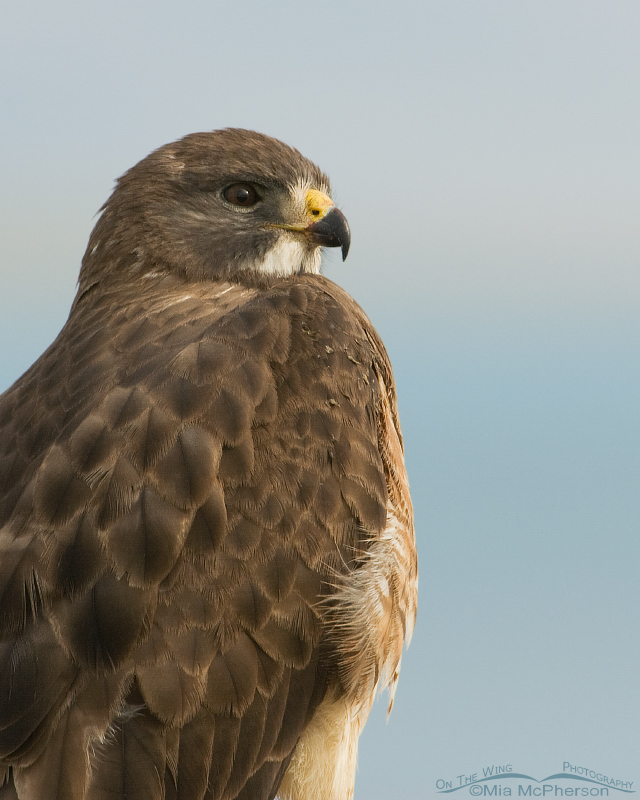
The other day I came across that post and felt very embarrassed because on that post I realized I had incorrectly ID'd this bird as a Red-tailed Hawk.
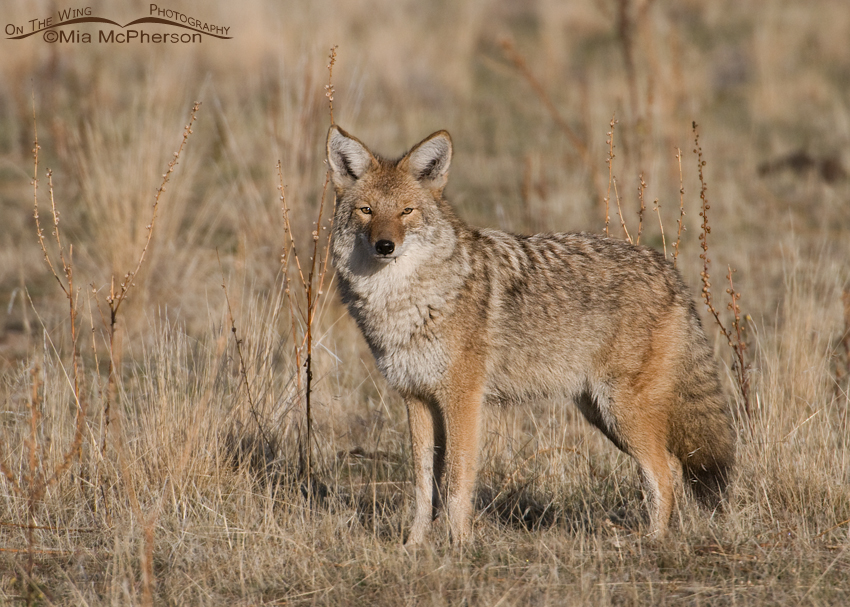
I wanted to share these images because today is Earth Day.
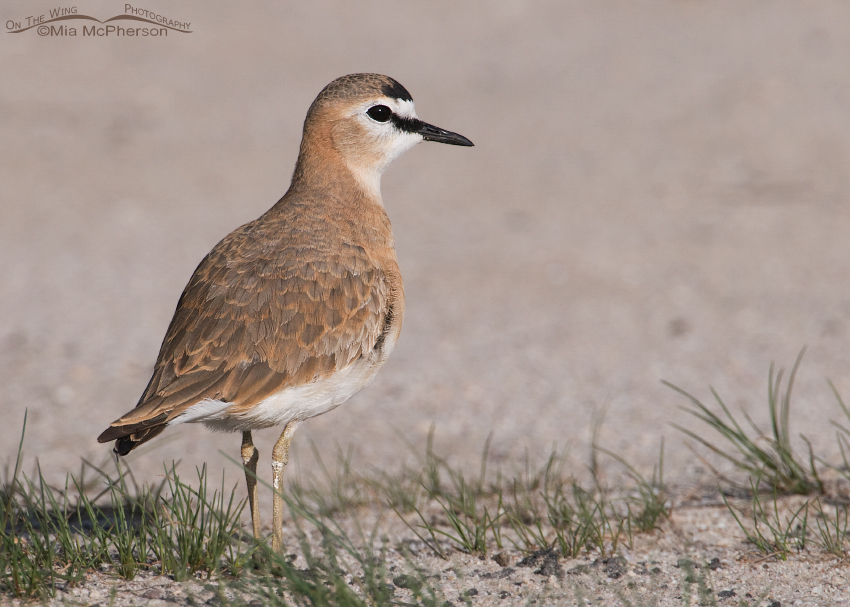
What I saw through my lens was a Mountain Plover, a bird I have long dreamed of seeing. A rarity here in Utah.
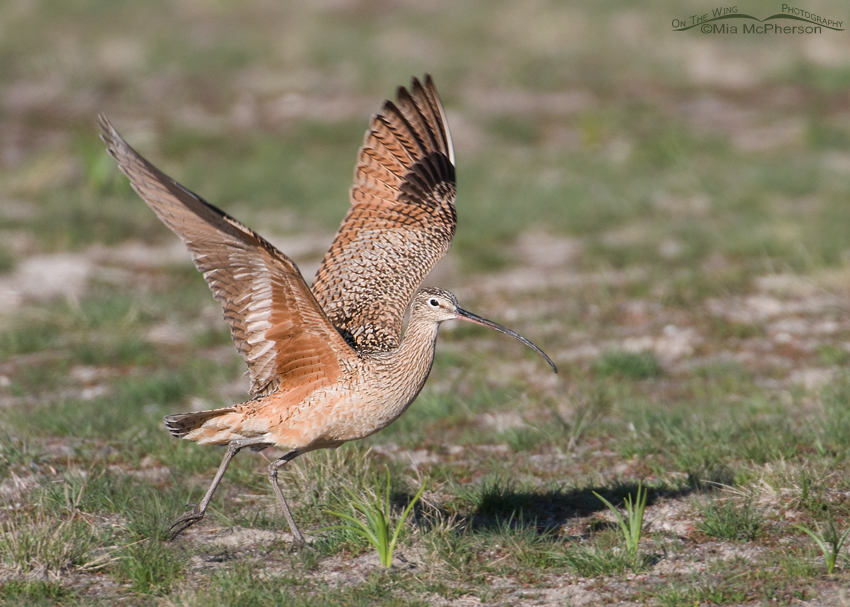
I photographed this male Long-billed Curlew last week as he was starting to lift off.

This Bison bull weighs in at about 1,500 pounds, he is wild and you don't want to tick him off like one man did on Antelope Island last weekend.
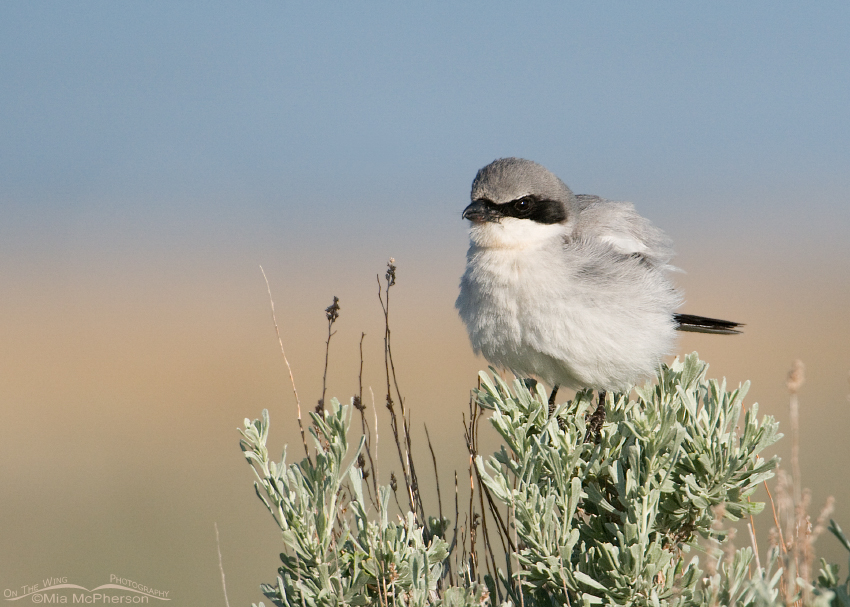
I'm used to seeing Loggerhead Shrikes all year round here in northern Utah but they have been MIA for quite some time.
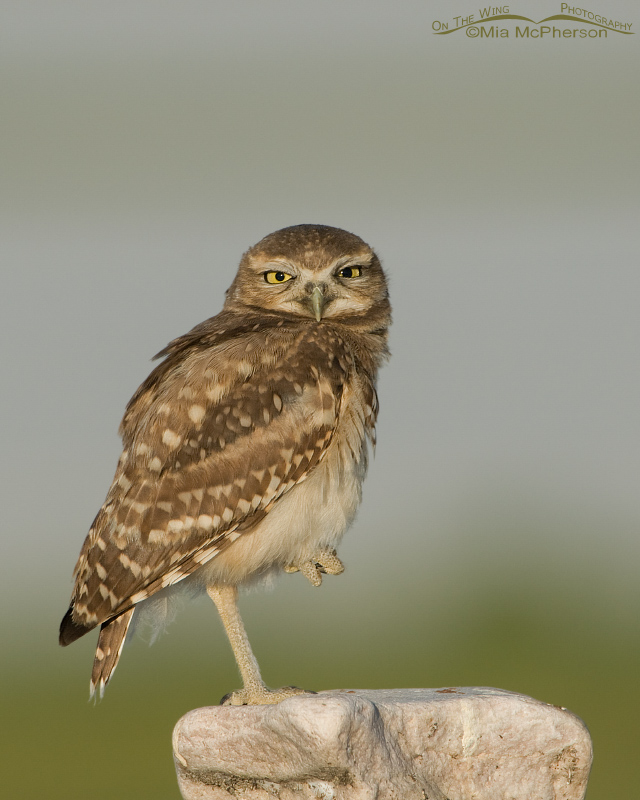
Last week I spotted my first Burrowing Owl of the year, it was a distance away and I didn't take any images of it but I had to do a wiggle dance in my seat because I was excited seeing one again.
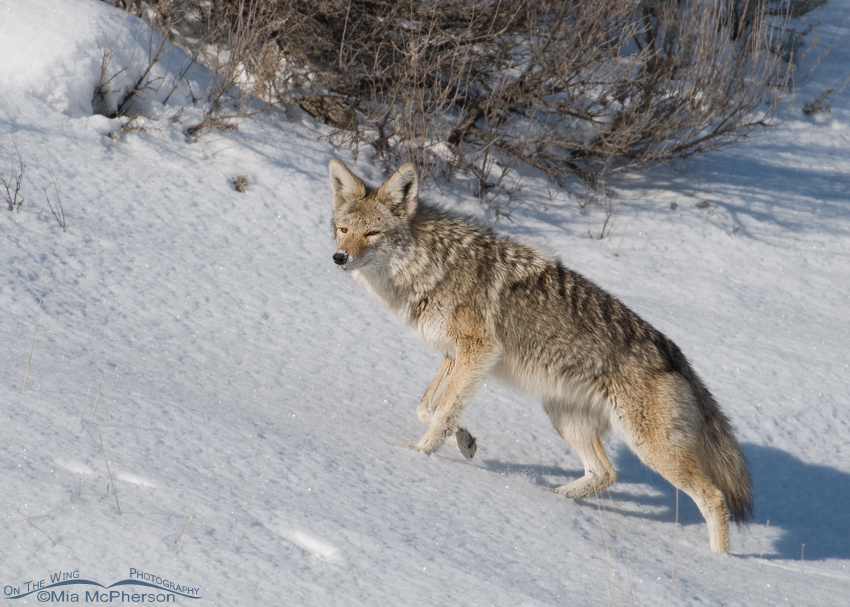
Yesterday I spotted this lone Coyote walking in the snow on a hillside on Antelope Island State Park and stopped to take some images of it before it disappeared into the brush.
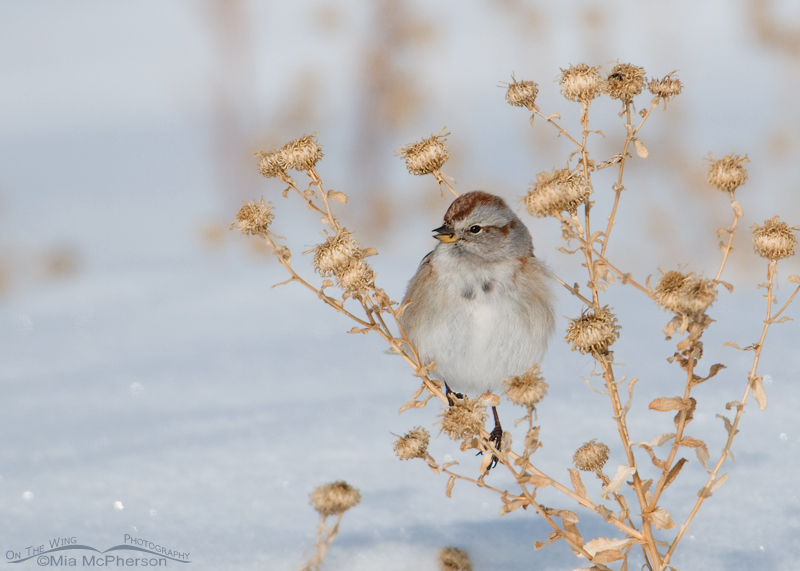
Last month I was able to take images of American Tree Sparrows on two different days in very different conditions in about the same location on Antelope Island State Park.
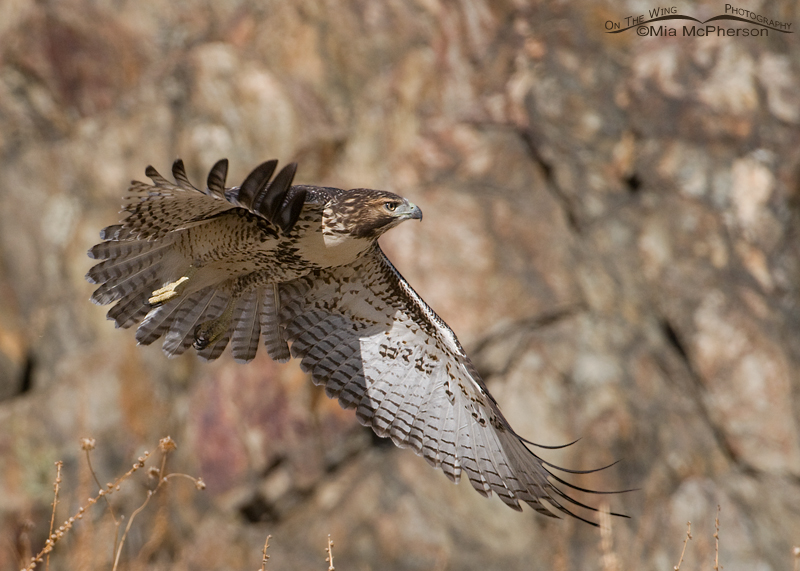
Just a simple juvenile Red-tailed Hawk this morning that I took last year on Antelope Island State Park as it flew past me with the dark Farmington complex rocks in the background.
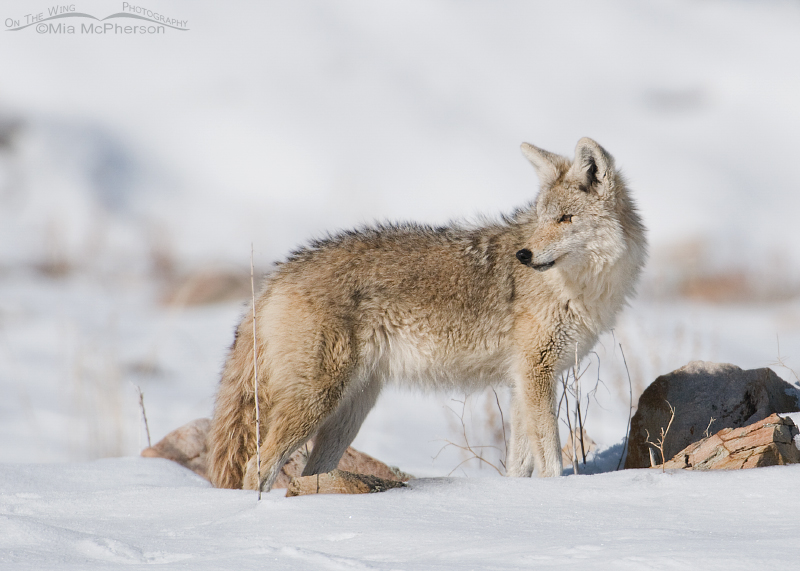
Yesterday I spotted a Coyote on Antelope Island, it was down a slope near a herd of Pronghorn and not in the best of light. I noticed almost right away that the Coyote was limping rather badly.
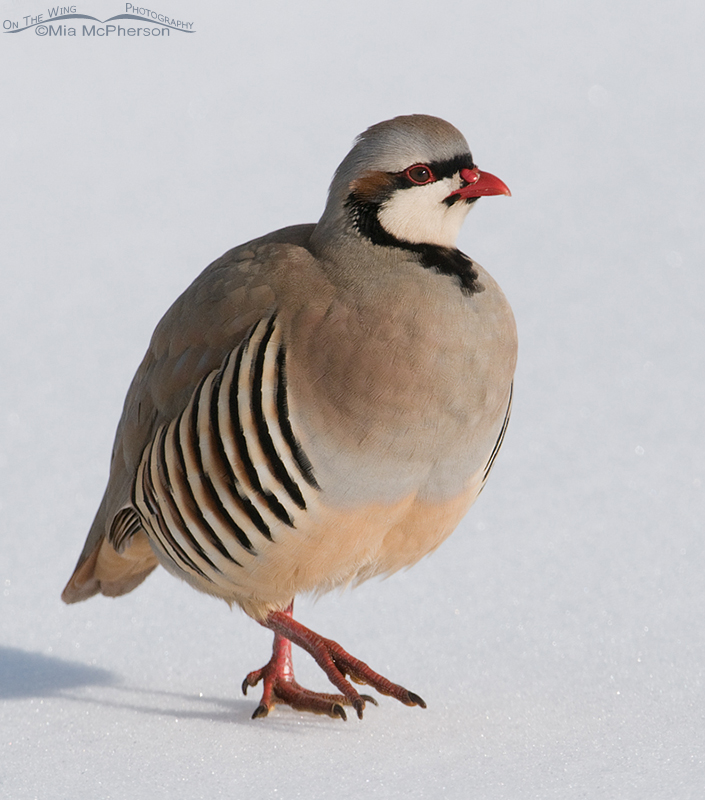
You might wonder why I have used this title but since the 25th of January changes have been made to Google Image Search that have infuriated webmasters, photographers, artists and many more.
Because of image theft I have made some changes to my blog, one of the first that will be noticed by people who have subscribed to my blog is that I will only be using a summary for my published posts from now on.
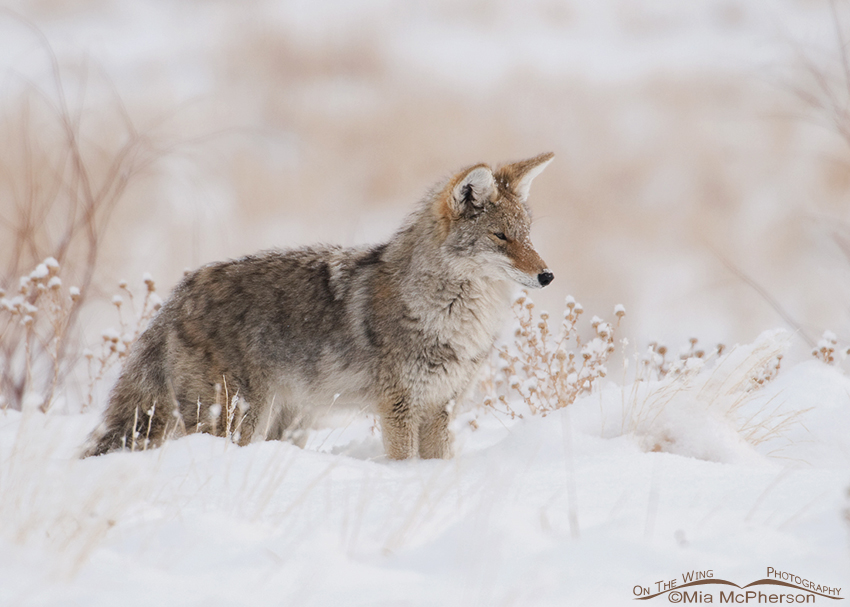
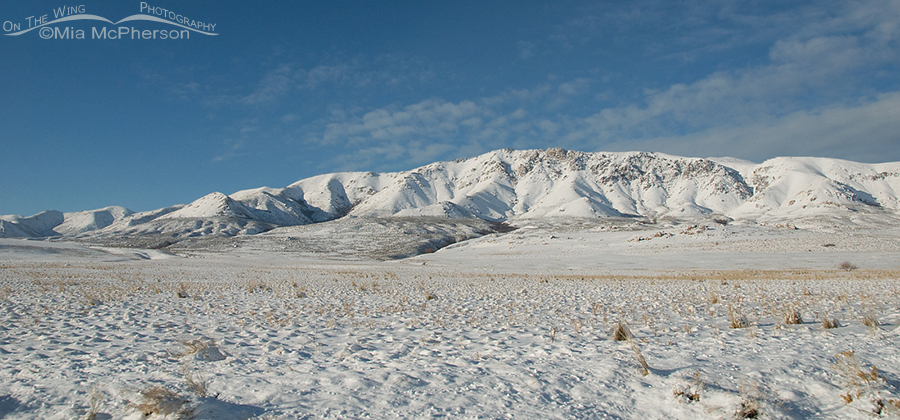
The weather forecast for yesterday was "mostly sunny" and once again the weather forecasters were wrong, at least for the period of time I was out photographing on Antelope Island State Park.
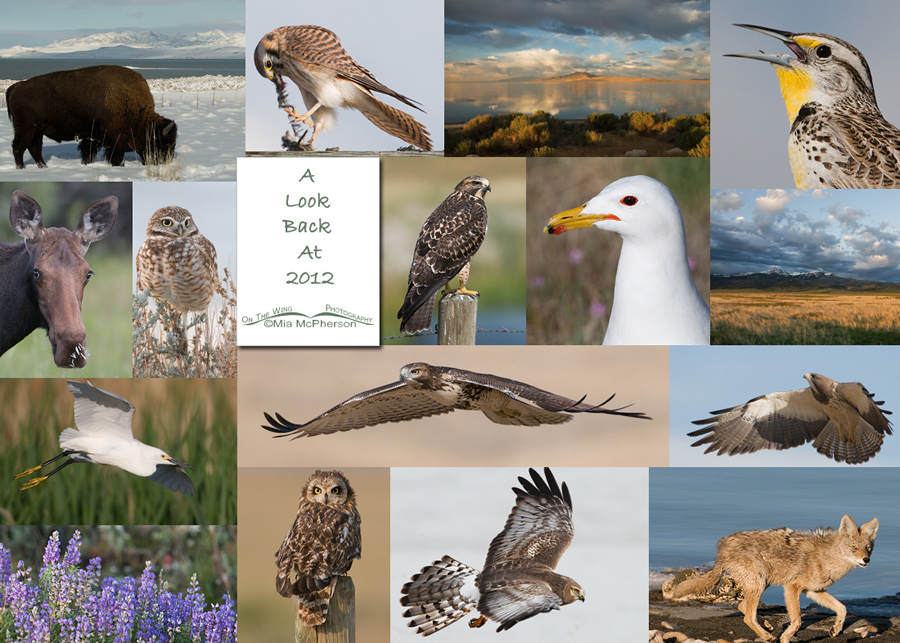
2012 was a fantastic year for me as a photographer and I am looking forward to the joys that 2013 will bring. Happy New Year to all.
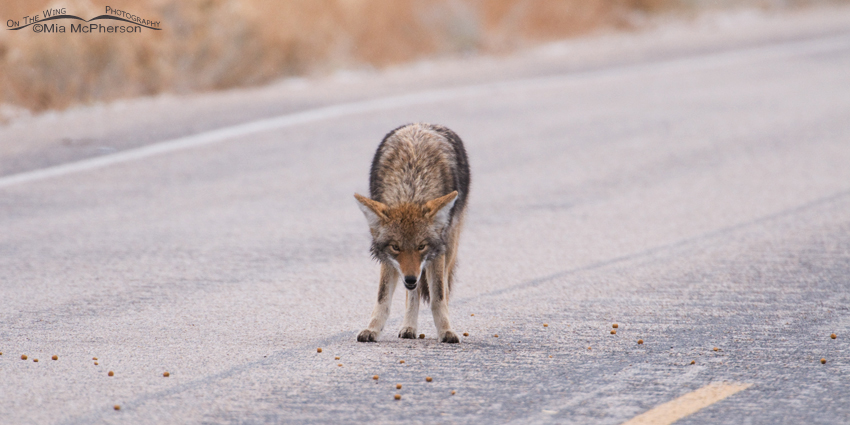
That is dog food on a road on Antelope Island State Park. Someone threw it onto the road it didn't just fall from the sky.
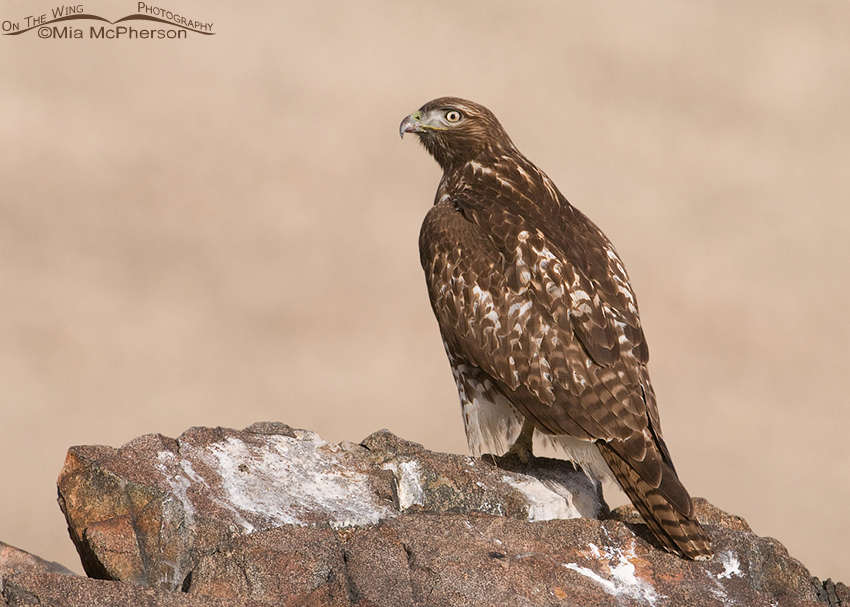
I recall that when I first started photographing the juvenile Red-tailed Hawks in this area back in August that they missed their prey more times than they would capture it and now they seem to have gone the other way, they are catching the prey more than they are missing it.
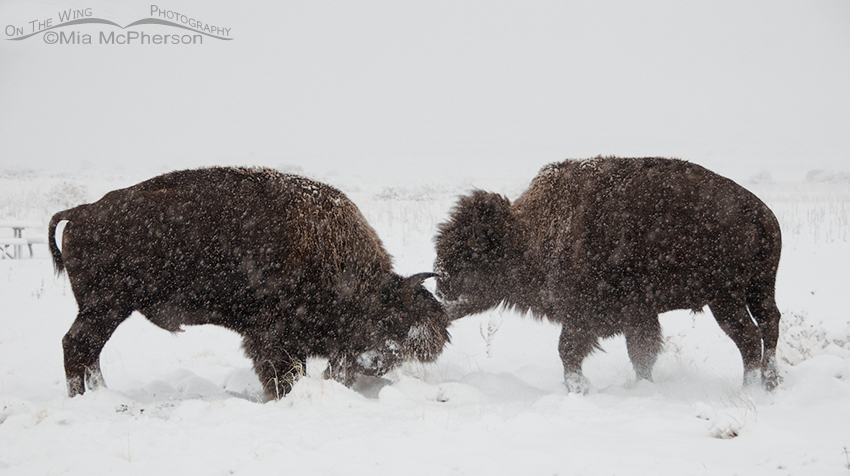
We've gotten a lot of snow in the Salt Lake Valley since Friday, I swept at least a foot of snow off my vehicle yesterday and about 3 to 4 inches on Friday, as I write this the snow is still falling.
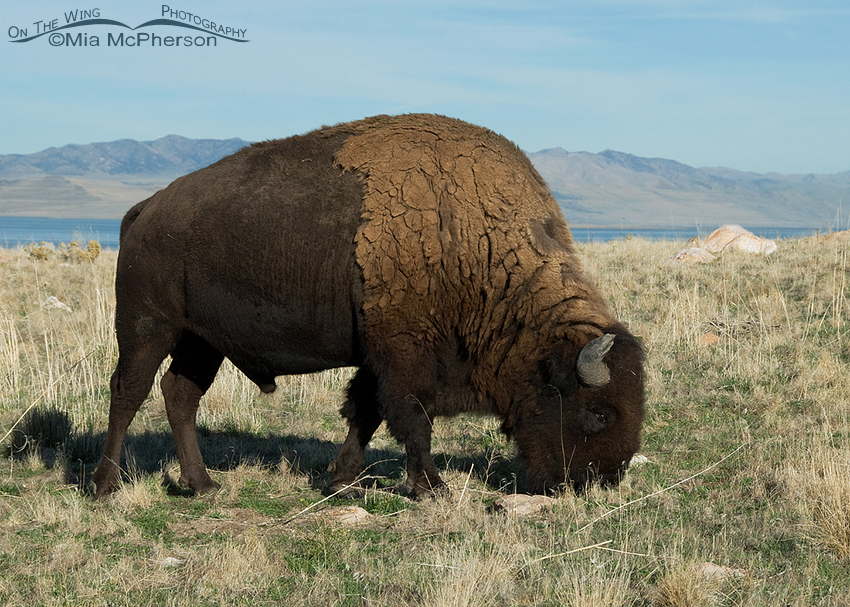
Yesterday I had an opportunity to photograph this Bison bull grazing on Antelope Island State Park with the mountains of Promontory Point in the background with just a small bit of the Great Salt Lake showing too.
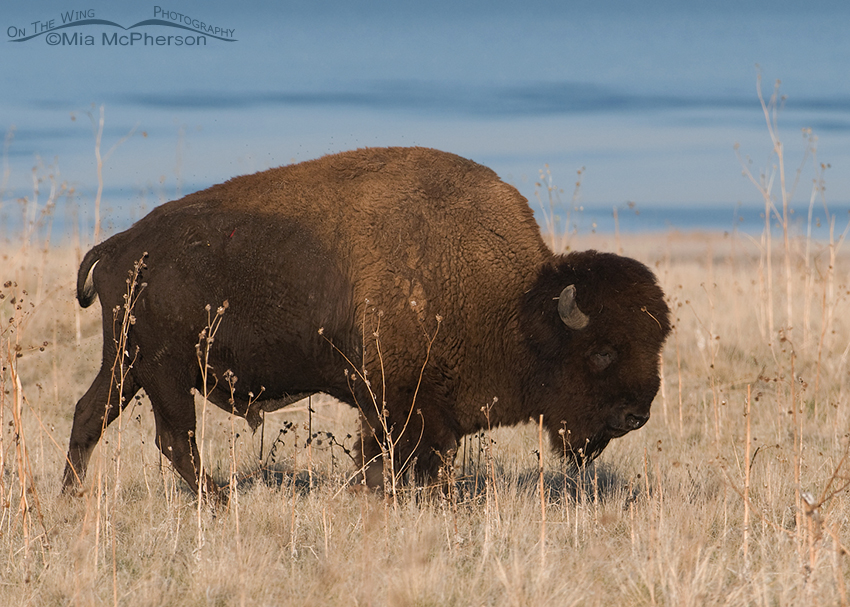
I photographed this Bison bull feeding peacefully yesterday out on Antelope Island State Park with the Great Salt Lake in the background.
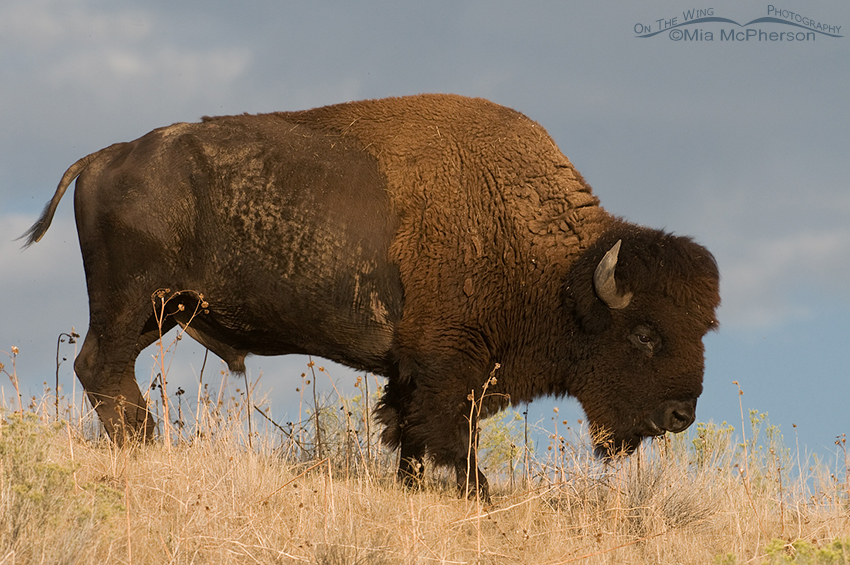
Three days ago things finally fell into place, a bull on a hill top, good light, eye contact and a clouds in the background.
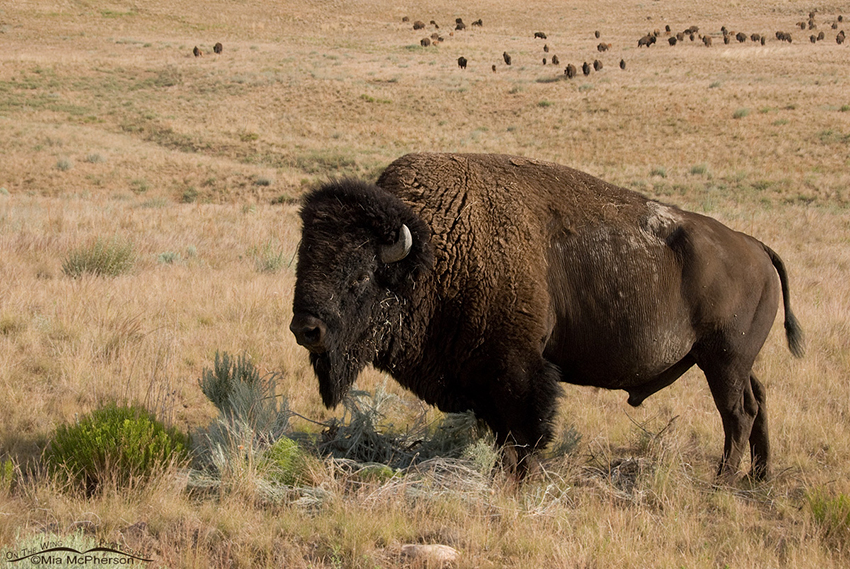
During the heat of summer the Bison on Antelope Island State Park wander down from the hillsides to the freshwater springs on a daily basis, can't say I blame them because it has been plenty hot here.
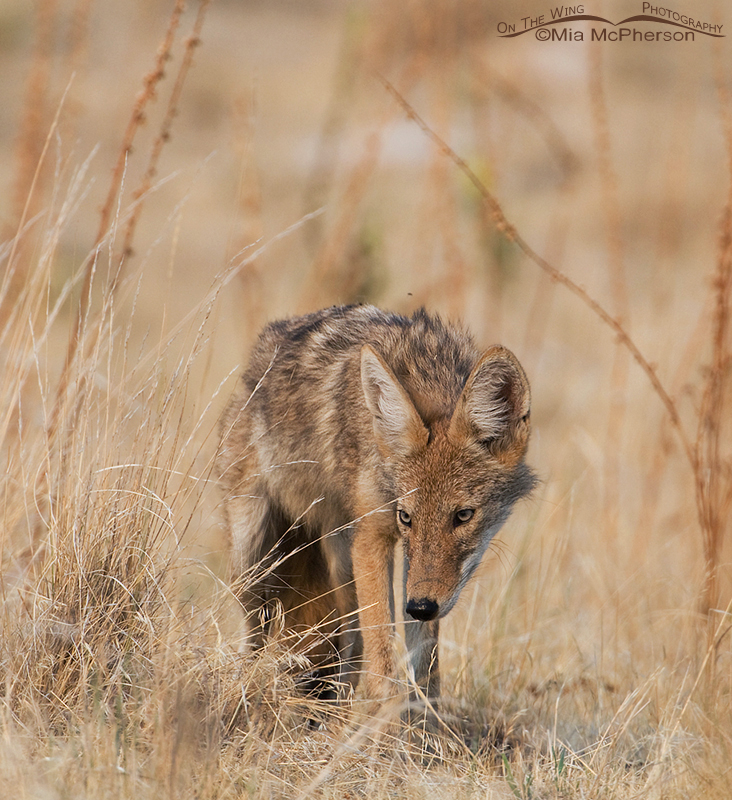
It might have been slow on Antelope Island State Park yesterday as far as birds go but it was a Coyote kind of day with 9 as a total tally for just a few hours spent on the island.
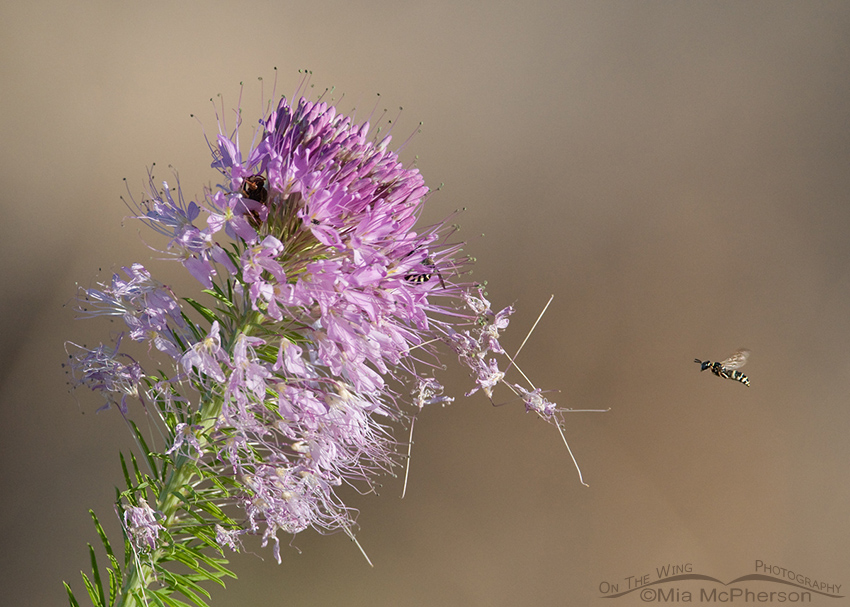
Rocky Mountain Bee Plants (Cleomella serrulata) are one of the wildflowers that are currently in bloom on Antelope Island State Park in some locations, they aren't as widespread as the Moth Mulleins so I treasure finding them.
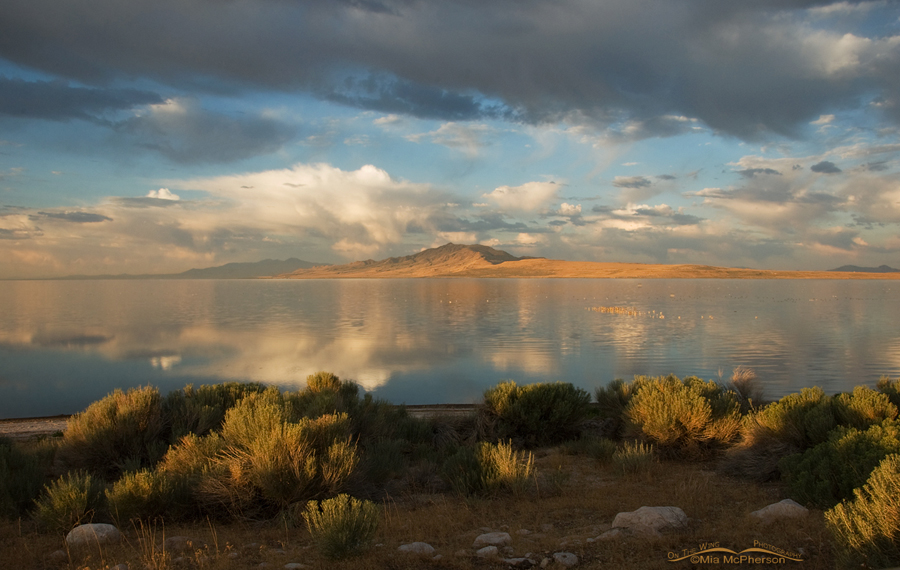
I went out to Antelope Island State Park yesterday hoping to put my newly repaired D300 through its paces and although I did get some images of birds and mammals, the light wasn't very good for most of the morning because of storm clouds.