Plain Brown Bird?? Pfflllt…
I've heard people call Willets "Plain Brown Birds". I reckon they may have never seen one looking like this Willet.


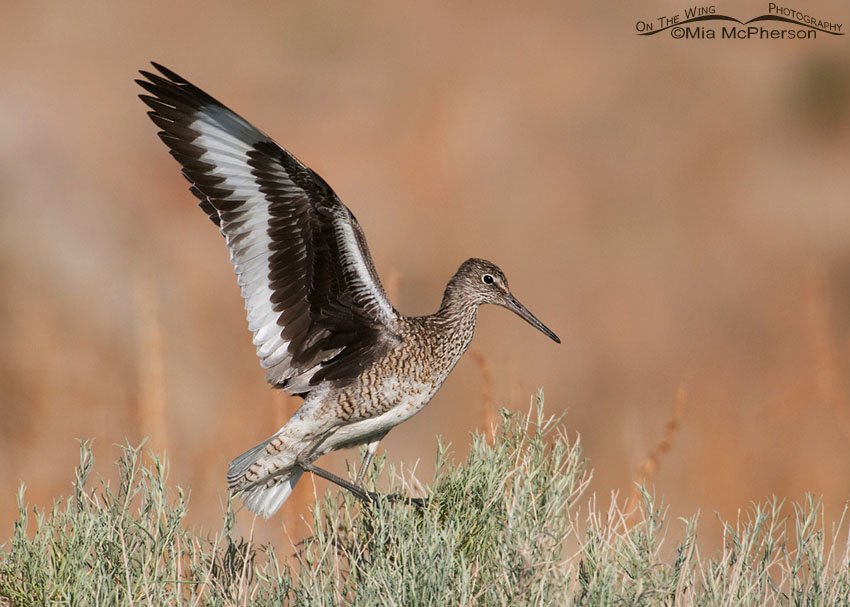
I've heard people call Willets "Plain Brown Birds". I reckon they may have never seen one looking like this Willet.
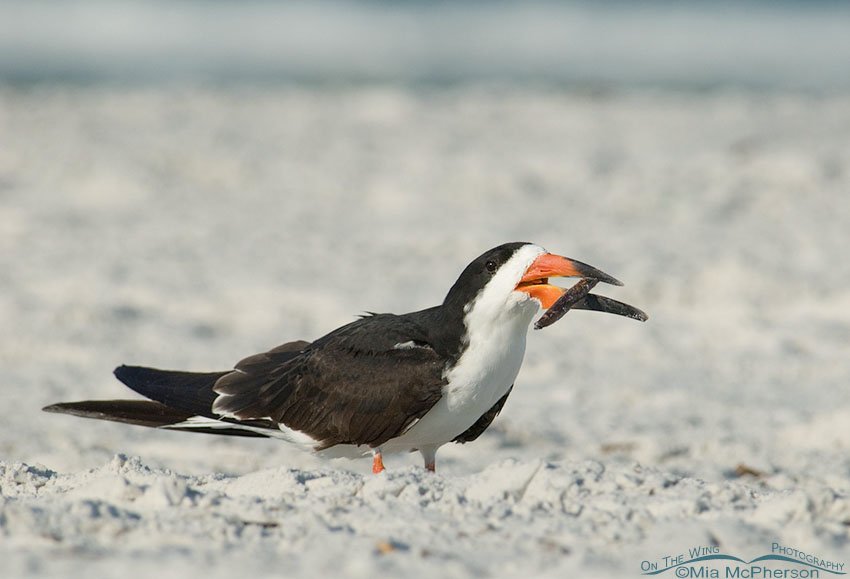
The Black Skimmer had a Mangrove seed pod in its bill and it was twirling the seed pod with its bill, at times the seed pod even went over the top of the bill but unfortunately I didn't get any images of that.

Grebe chicks are showing up all over at Bear River Migratory Bird Refuge (aka Bear River National Wildlife Refuge) in northern Utah and they are just adorable to see and photograph.
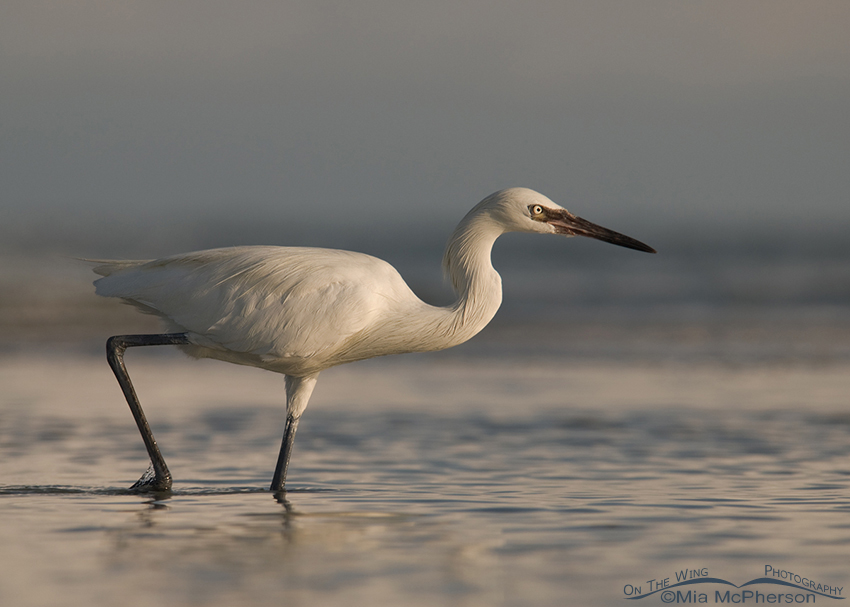
In my two previous posts of a Snowy Egret and a Great Egret I mentioned how the early morning light and a nearby storm gave those images a feeling of drama. These white morph Reddish Egret images were taken that same morning not long after I created the Great Egret photos.

Yesterday I posted a Snowy Egret hunting in early morning light and mentioned that early morning or late afternoon light can add drama to an image, in today's post I will explain a bit more about the dramatic light in the Snowy Egret image and these images of a Great Egret (Ardea alba).

Light plays a huge part in my photography, I try to be at my location just before the sun comes up or goes down to take advantage of the beautiful light that occurs at those times of the day.
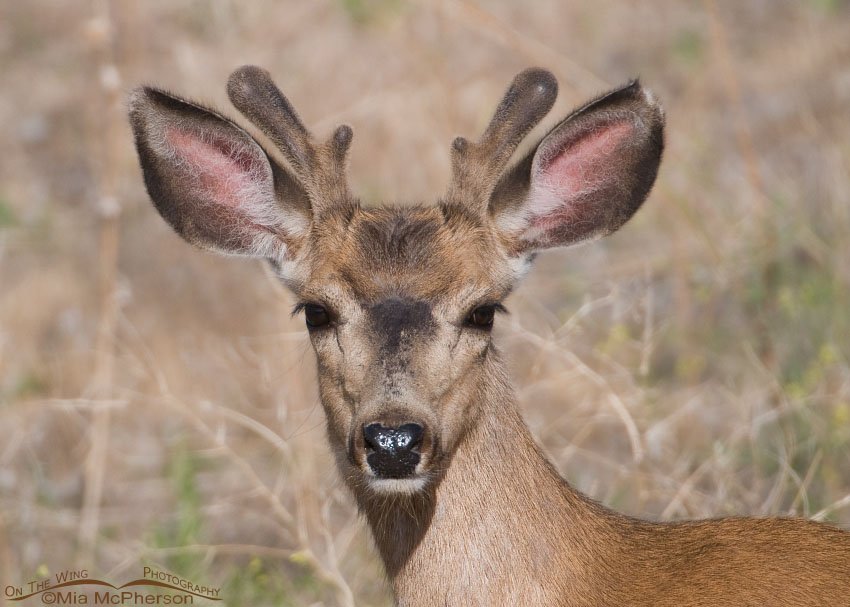
While out on Antelope Island State Park the other day I spotted a Mule Deer (Odocoileus hemionus) that was almost hidden by tall grasses and stopped to get some images.

Bear River Migratory Bird Refuge is an excellent location for finding and photographing American White Pelicans who have wing spans of over nine feet.

I believe these to be Mallards but if I am wrong I don't mind being corrected, I do have trouble with female duck ID at times and I appreciate all the help I can get with them.

Recently I spent two days in a row photographing birds at Bear River Migratory Bird Refuge (aka Bear River National Wildlife Refuge) and found plenty of birds to aim my lens at.

Burr Trail winds its way through some of Utah's most stunning scenery, from the small town of Boulder to Bullfrog near Lake Powell. Along the way the scenery makes me feel tiny but I also feel very much in touch with the earth and the geology of the area.
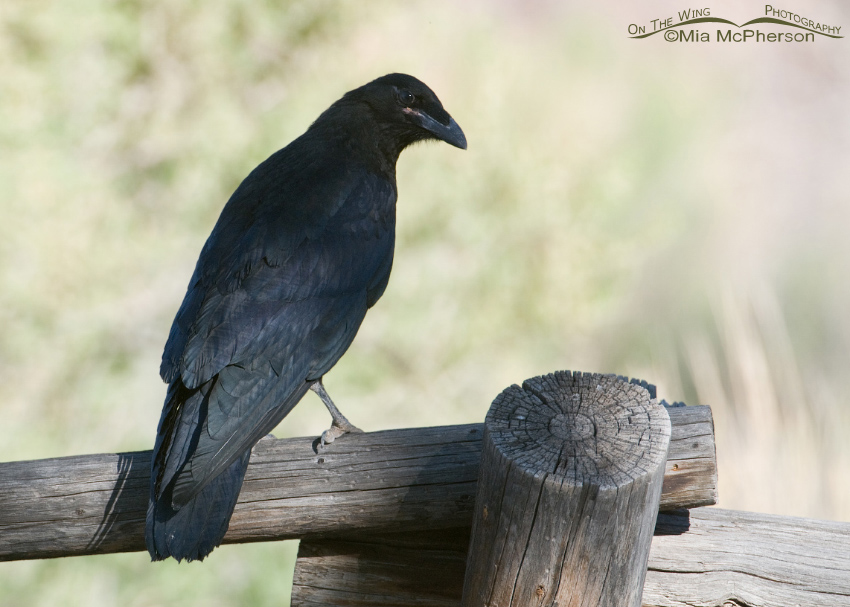
This bird is easily identifiable as a juvenile Common Raven because of the short tail, the pink on the gape and the violet-blue eyes.

Two Herring Gulls (Larus argentatus) at different stages of life, one an adult in breeding plumage, the other an immature gull in flight.

Okay. At least this female Osprey (Pandion haliaetus) is landing with flared wings and tail!

One of the shorebird species I am able to see in Utah during migration that I photographed often while I lived in Florida are the lovely Black-bellied Plovers (Pluvialis squatarola).
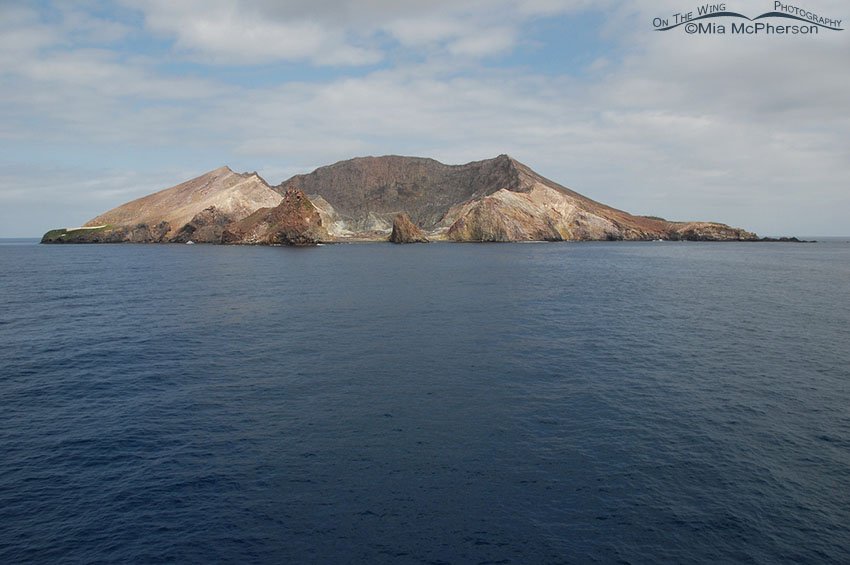
In January of 2008 I was onboard a cruise ship for a tour of New Zealand that included time spent viewing Whakaari / White Island which is an active andesite stratovolcano that rises 1,053 feet above the Bay of Plenty.

There are times when I go out to photograph a specific species but come home with images of birds I didn't expect to see.
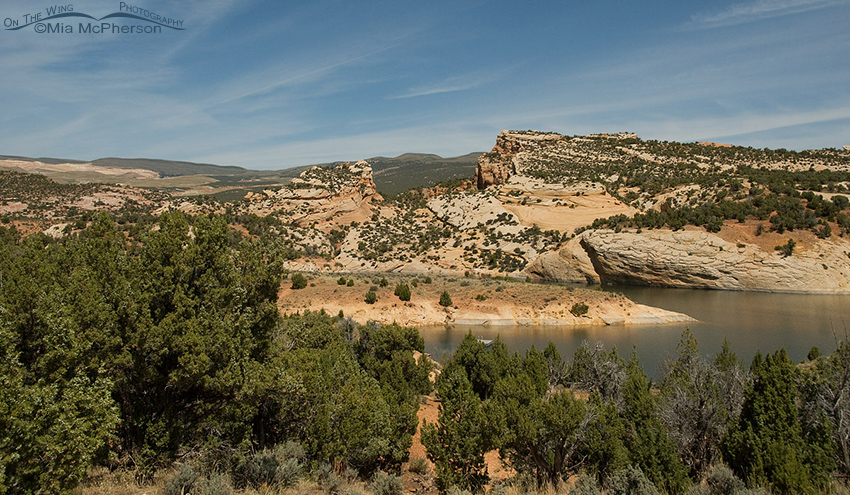
I recently visited Red Fleet State Park in north-eastern Utah near Vernal and came away with a few landscape images that I liked.

White-winged Doves (Zenaida asiatica) are one of the larger gray-colored dove species in North America and they are more at home in semi-arid and desert areas than Mourning Doves.

I bet you are wondering what I mean by "Poopy perches", I know I would be if I saw that title. Am I talking about perches that are man-made and ugly? Or perches that are just not all that appealing visually?
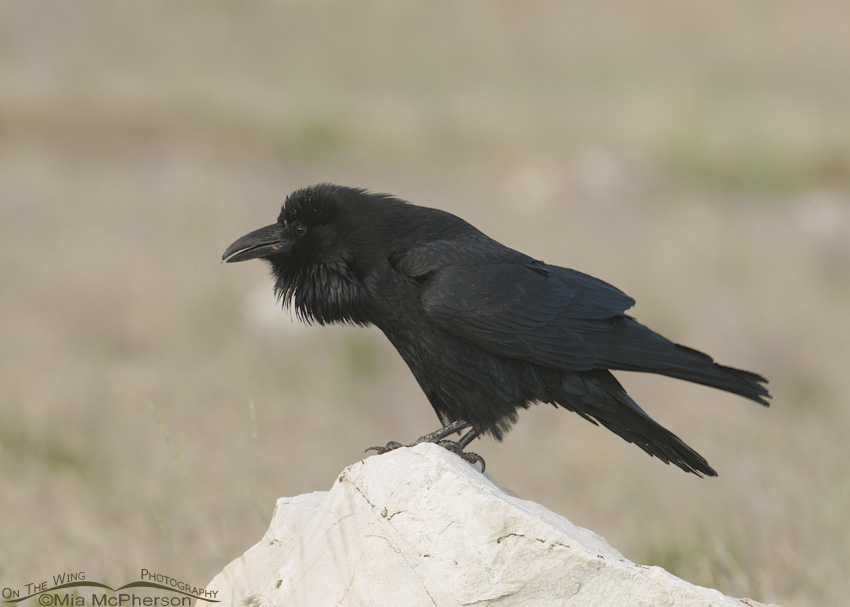
I came across this Common Raven perched on a small rock in an open field that had been feeding on roadkill on the shoulder of the road.

It dawned on me this morning that I haven not posted an image of a Western Sandpiper here yet so I pulled this one out of my archives that I photographed at Fort De Soto as the small shorebird ran in front of me on the shoreline.

I had some luck with a cooperative Lark Sparrow this past Sunday where the handsome bird stuck around for quite a bit on several different perches.
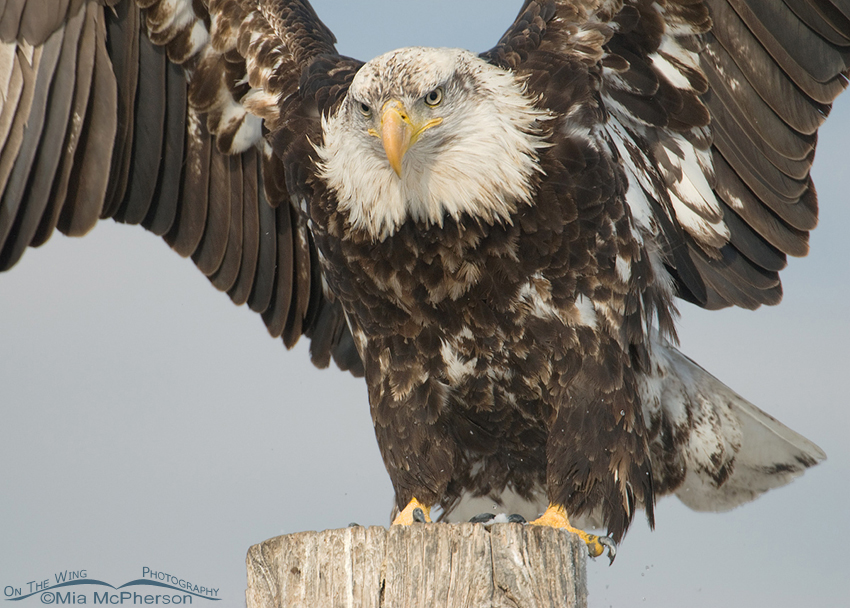
A few years ago I had some wonderful photo ops with this 4-year-old Bald Eagle at Farmington Bay Waterfowl Management Area

Sometimes a picture says more than words so I'll just say Flaming Gorge is awesome at sunrise with storm clouds moving in.

Cheatgrass is invasive but I sure think it can be pretty especially with a lovely bird amongst it like this male Long-billed Curlew that I photographed on Antelope Island State Park recently.

This Snowy Egret image was taken just after the sun had risen above the horizon in about the same location as the egret image I posted yesterday but at a completely different time of the year.
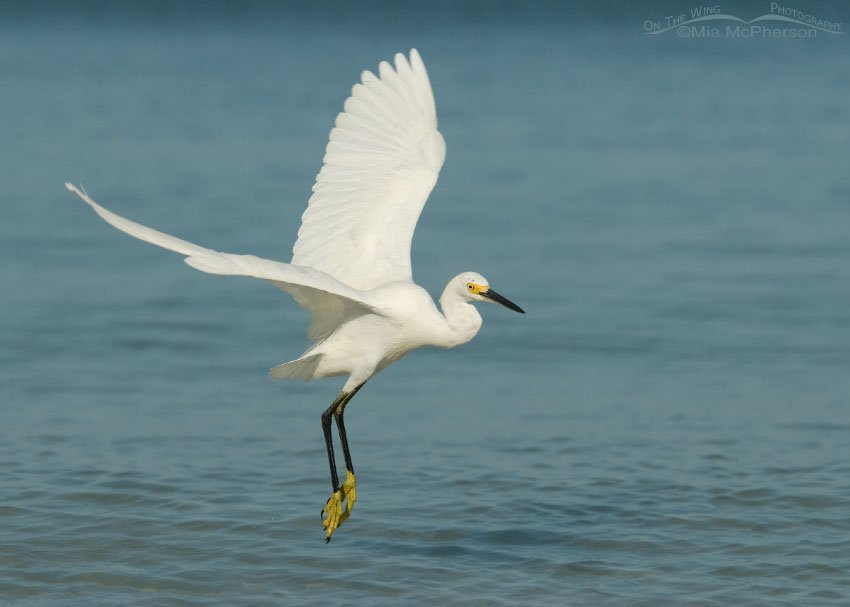
I was photographing at Fort De Soto's north beach on May 30th, 2008 when I had a very cooperative Snowy Egret start fishing in the warm waters of the Gulf of Mexico right in front of me.

I was able to take a nice series of images of the Black-crowned Night Heron lift off and when the heron was in flight as it flew past me

This Piping Plover image reminds me to try to photograph birds in other than perfect light. Sidelit and backlit images can be spectacular so I don't like passing up taking the chance that I might just get a great shot despite what some photographers think of as bad light.