Adult American Oystercatcher Among Sea Purslane
I like to include habitat in my images when I am able to do so, especially when the habitat doesn't obstruct the view of my subject or when the habitat helps to define a sense of place.



I like to include habitat in my images when I am able to do so, especially when the habitat doesn't obstruct the view of my subject or when the habitat helps to define a sense of place.

I was digging through my image files yesterday and came across a series of Tricolored Heron images that I had never edited from a May morning in 2009 when I was photographing birds at Fort De Soto's north beach.

Fluffy little chicks are adorable, they make people "ohh" and "aww" and those that hit the ground running not long after hatching are especially appealing to some folks. But they need respect and they need space so we don't endanger them.

Summertime is upon us now and with it comes loads of people participating in outdoor activities like hiking, sports, camping and activities on the water. Everyone looks forward to warmer weather after winter but some of those activities can impact birds and wildlife.

There are two subspecies of Willets which Western and Eastern, here in Utah I only see the Western subspecies but in Florida I could see both during the course of a year.

I actually like the backgrounds in each of these images, all of them show the habitat that Tricolored Herons might be found in and highlight the birds too.
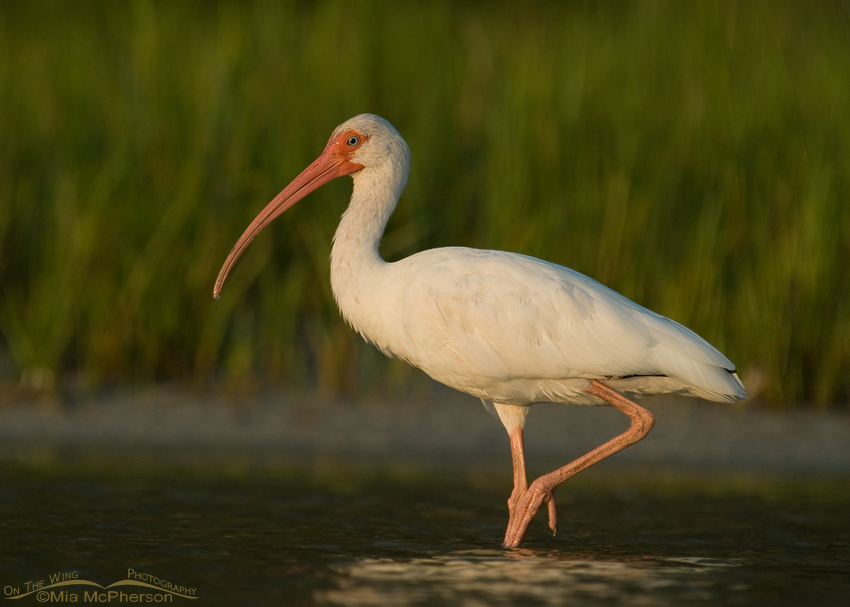
White Ibis can be strange looking birds to people who have never seen them before, they have soft, sky blue eyes, skinny legs, long necks and a bill that could be compared to Jimmy Durante's nose.

Royals Terns make amazing dive bombs for their prey which are usually small baitfish running close to the surface and sometimes if you are lucky you get to see them "Tern Over" in mid air.
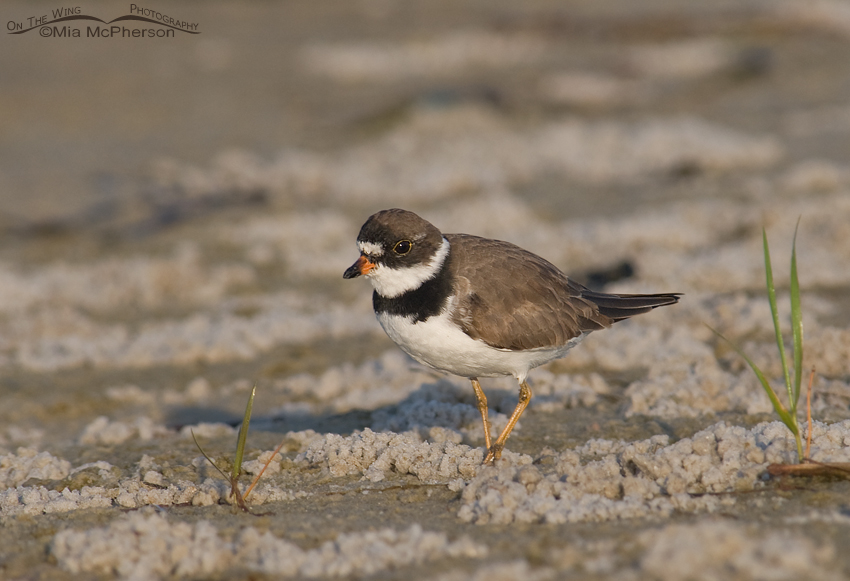
Besides, to have gotten any lower than the Semipalmated Plover I would have had to have crawled down the burrow of one of those crabs

This Snowy Egret was photographed as it stood in the shallow water of the Gulf of Mexico at Fort De Soto County Park's north beach one early August morning in 2007.

It really isn't too hard to spot this Spotted Sandpiper on the seawall, I just thought it was a catchy title. I saw my FOY (first of year) Spotted Sandpiper this past week and that got me excited.

There are a few similar species that occur in Utah and surrounding states that could be confused with Mountain Plovers.
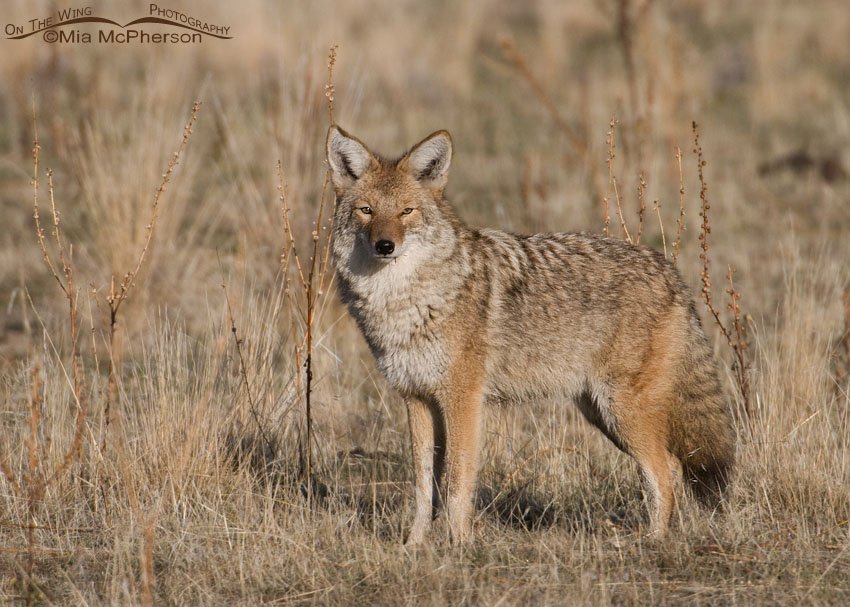
I wanted to share these images because today is Earth Day.

Five years ago today I was laying in the warm wet sands of Fort De Soto County Park's north beach as the salty water from the Gulf of Mexico soaked my skin while photographing a Ruddy Turnstone doing what they do best, turning things.
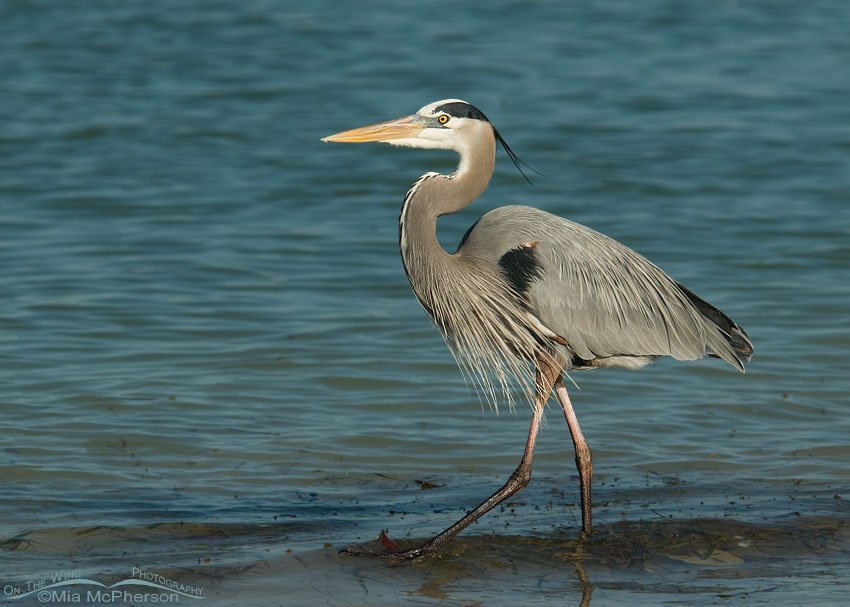
Last week I was Thinking Pink so this week I thought I would focus on the shades of blues found in wildflowers, birds, the sky and seas.

American Oystercatchers were among my favorite shorebirds to photograph at Fort De Soto County Park's north beach when I lived in Florida.

I'm not sure why I wanted to do a post using images with pinks but here they are, a flower, a bird and pink kissed clouds.

Who knew that one day my photos would be in a book published by National Geographic? I am truly honored.
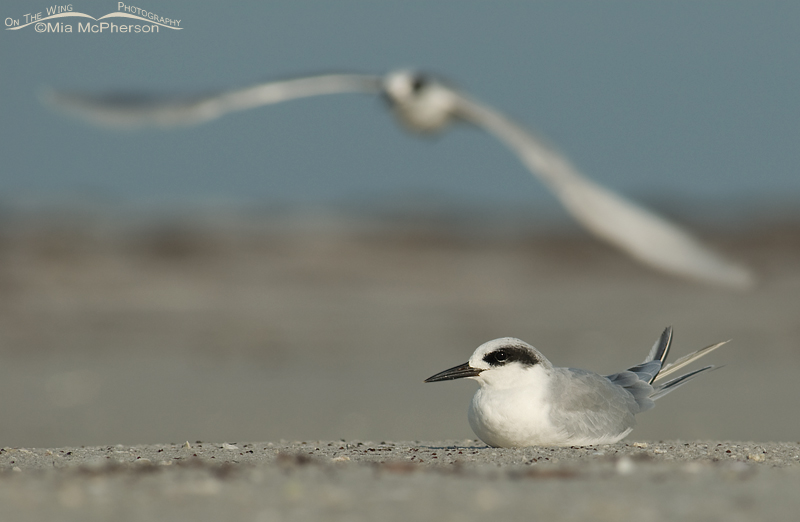
This Forster's Tern image was taken several years ago on Fort De Soto County Park's north beach while it was resting on the sand as another tern was flying towards us both.

Early morning light is a delight and adds a nice mood to images like this one of a Willet in flight.

Several years ago while I was photographing at Fort De Soto's beautiful north beach I saw a Marbled Godwit flying in with a dark tubeworm in its bill and took a few images of it from a distance.
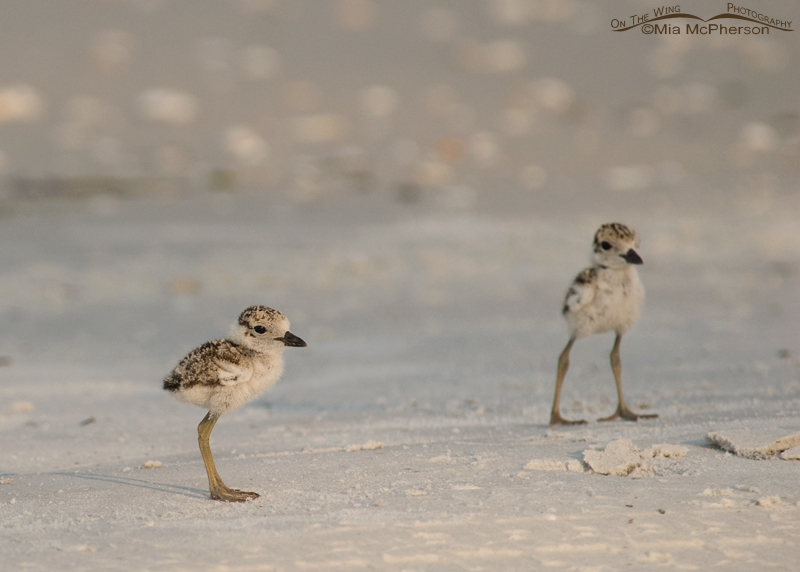
I enjoyed my brief, long distance opportunity to photograph and observe these Wilson's Plovers and chicks, it was a small window into their life.

I photographed this Ruddy Turnstone in early morning light at Fort De Soto County Park in Florida several years ago as it stood on the sandy beach.

The forecast is calling for snow today and there is already a heavy cloud cover so looked back through my files and found some Brown Pelican images taken on a warm February morning in Florida to post today.

This photo shows a Roseate Spoonbill and Wood Stork on the shoreline of a tidal lagoon at Fort De Soto County Park in Florida and it shows how the Wood Stork can dwarf the Roseate Spoonbill in height.

I can recall clearly the day I took this photograph of Sandwich Terns mating. I was sitting very low in a tidal lagoon on the north beach of Fort De Soto County Park in Florida.

Great Blue Herons are year round residents in both Florida and Utah although conditions during the winter months can be starkly different for these large wading birds in the two locations and climates.

I've always liked this image of a Tricolored Heron in breeding plumage that flew past me while I sat in the water of a tidal lagoon near a Spartina marsh in Florida. Warm water, a sea breeze, birds, nature and photography.

Awhile back someone told me that Mergansers don't change their plumage seasonally, which is of course incorrect as all three species of mergansers that live in North America do.

I love winter, I love seeing snow on the mountains and feeling the crispness in the air but I am getting tired of gray cloudy days and heavy fog so I thought I would post a few bird images from warmer and sunnier days that I took while I lived in Florida.