Rough-legged Hawk And Thoughts About The Upcoming Winter
I came across this image of a male Rough-legged Hawk taken this past February and it caused me to wonder what this upcoming winter will be like.


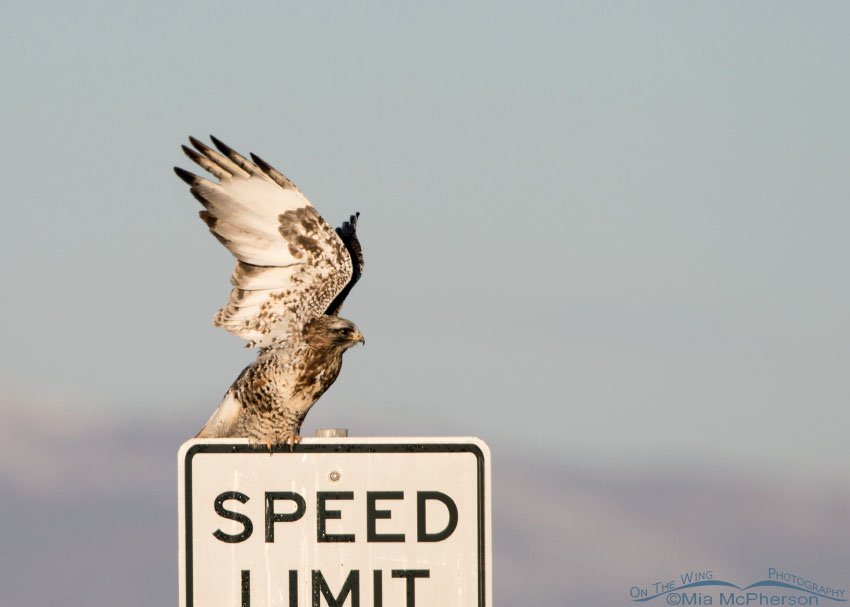
I came across this image of a male Rough-legged Hawk taken this past February and it caused me to wonder what this upcoming winter will be like.

Two days ago at Bear River Migratory Bird Refuge I found a couple of Western Grebes preening in an area where the reflections on the water are always wonderful so I took a series of images.

On a clear day this Great Blue Heron image would have shown the Promontory Mountains in the distant background instead of the dull gray seen here.
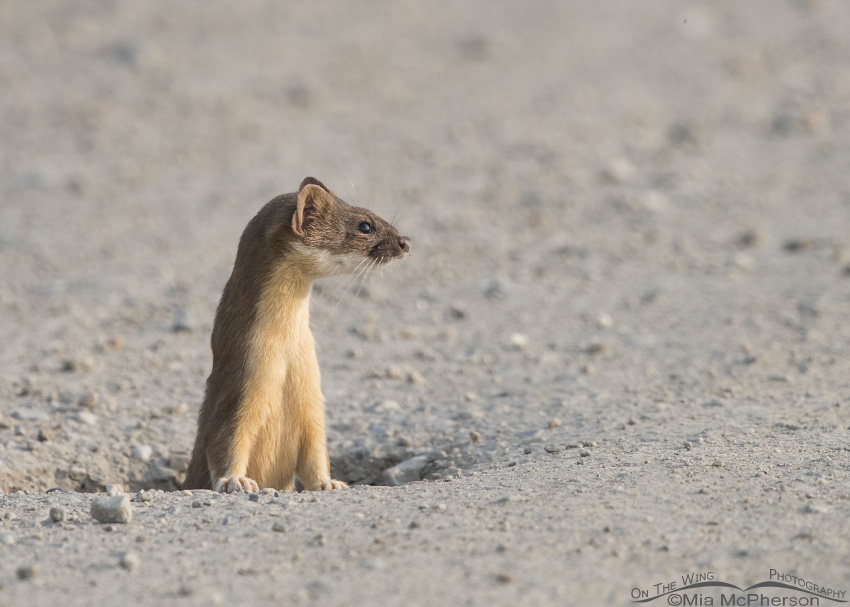
And this one of the Long-tailed Weasel at the side of the road that shows its face, dark eyes and cute rounded ears but it also shows that the weasel appears to be injured on the left of its nose.

There were plenty of Western Grebes to be seen and photographed yesterday morning at Bear River National Wildlife Refuge and I took tons of images of them.

This Western Grebe was preening and flapping on the Bear River in that glowing, smokey light not long after dawn.
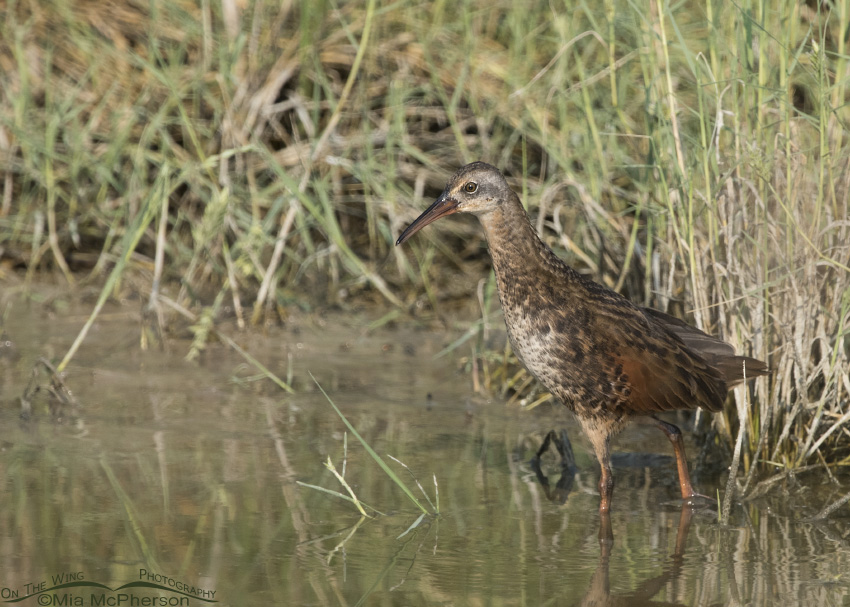
Virginia Rails are secretive marsh birds that can be found at the Bear River Migratory Bird Refuge during the breeding season and the can be very difficult to see let alone photograph.
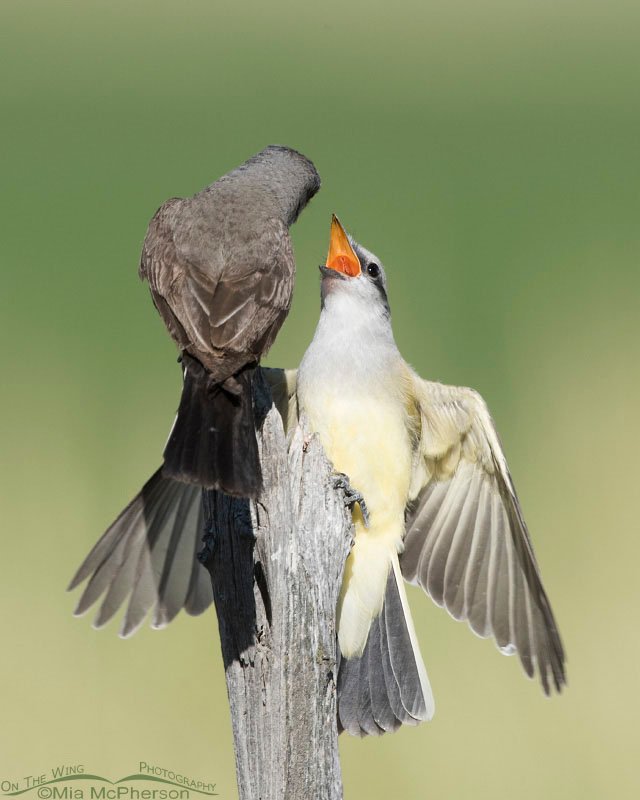
Late last month I photographed a Western Kingbird family in Box Elder County where the juveniles kept begging for food from the adult.
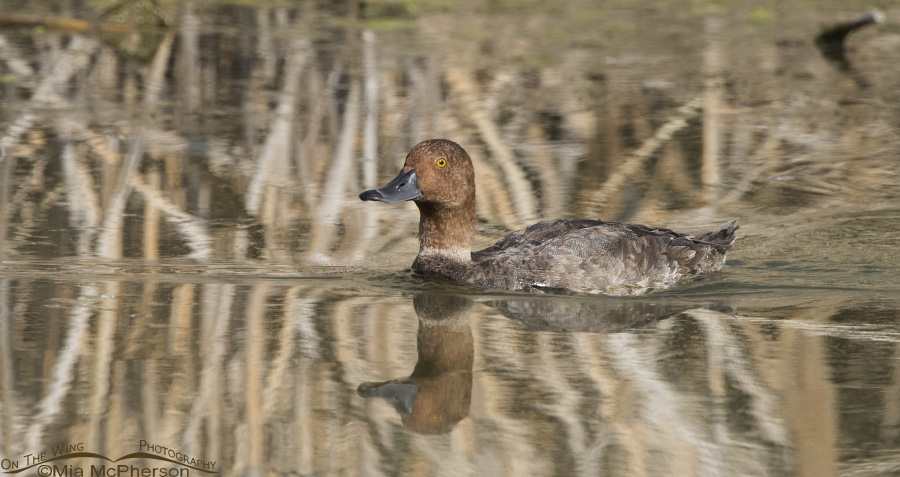
Over the past couple of weeks I have noticed that Bear River Migratory Bird Refuge is getting duckier. I am seeing more ducks in the water and flying over head now than I had in July.

A few days ago a Western Grebe popped up from under the water very close to me and I was able to take a quick series of portraits of it before it moved away.

In my post yesterday I mentioned that the Snowy Egrets that I photographed at the Bear River Migratory Bird Refuge were avoiding a juvenile Black-crowned Night Heron, this is that heron.

There was lots of bird activity yesterday at Bear River Migratory Bird Refuge and a flurry of Snowy Egrets kept things interesting early in the morning.
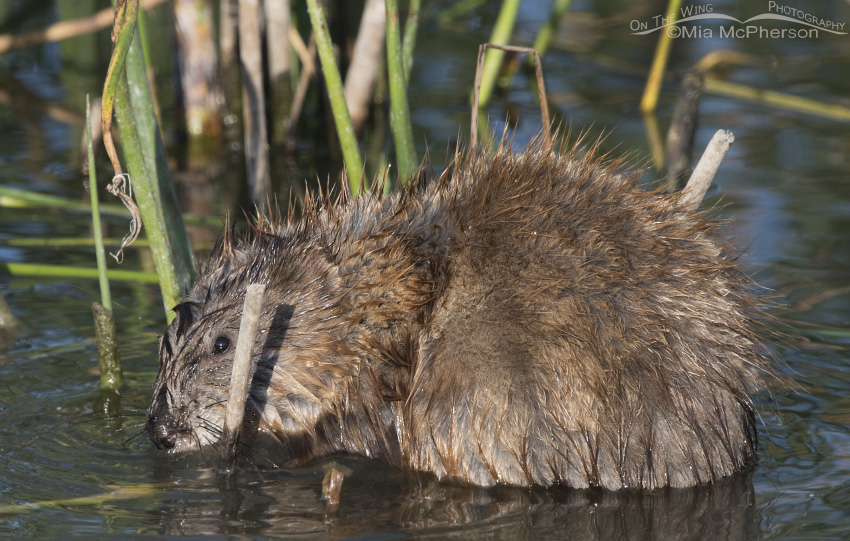
It isn't often that I can capture images of Muskrats out of the water so I was delighted to spot this one a few days ago at the Bear River Migratory Bird Refuge.
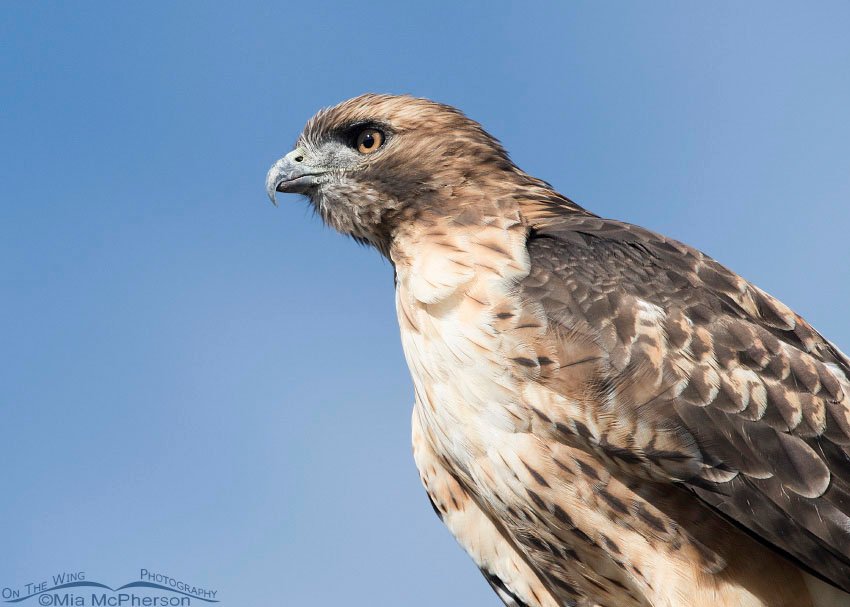
Yesterday I spent the morning in Box Elder County driving along the Promontory Mountain Range and Red-tailed Hawks were the most numerous raptors I saw.
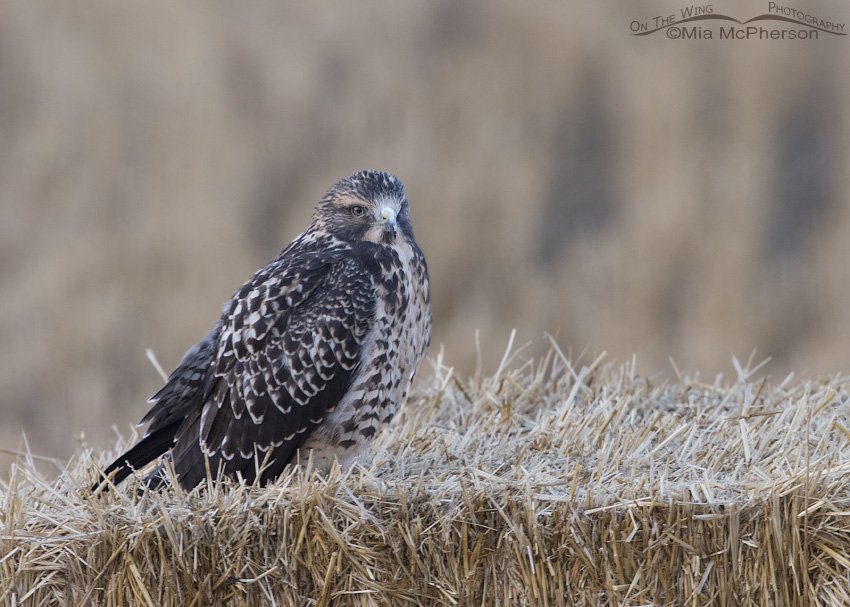
I created this juvenile Swainson's Hawk image two days ago before the sun rose over the mountains and I liked how it turned out despite the low light.

If the Bear River is dammed upstream I have to wonder if we will see history repeating itself but made even worse by climate change, reduced snow pack and rising temperatures and how that will impact the refuge.

The young Burrowing Owls I have been following and photographing are growing up but many of them still stay close to the burrows they hatched in.
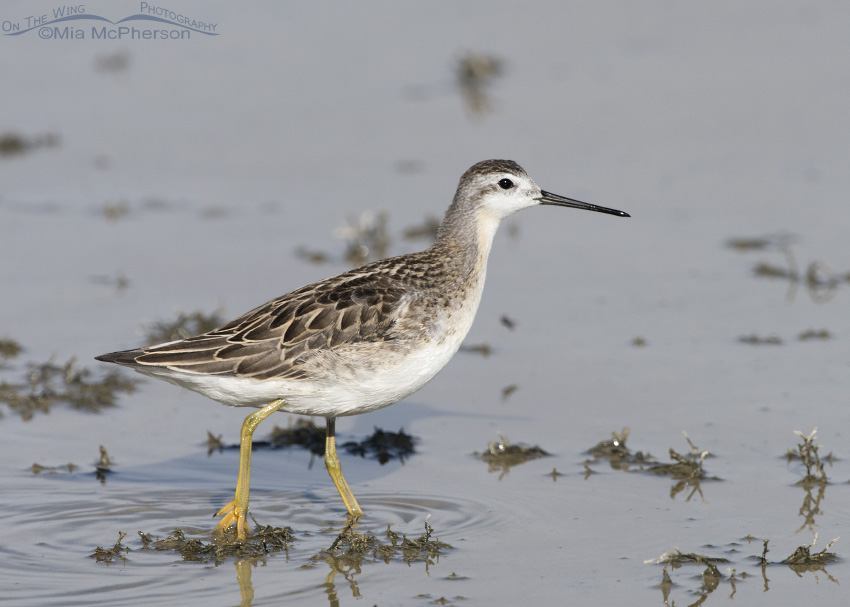
I am seeing more and more Wilson's Phalaropes at Bear River Migratory Bird Refuge and the majority of the birds I see are hatch year birds.

I was in far northern Utah yesterday and saw the hawks I expected to see but finding this Great Horned Owl was a bit of a surprise since I wasn't looking for Great Horned Owls.

So even though I didn't come home with many Burrowing Owls images yesterday these Western Kingbird images more than made up for it!
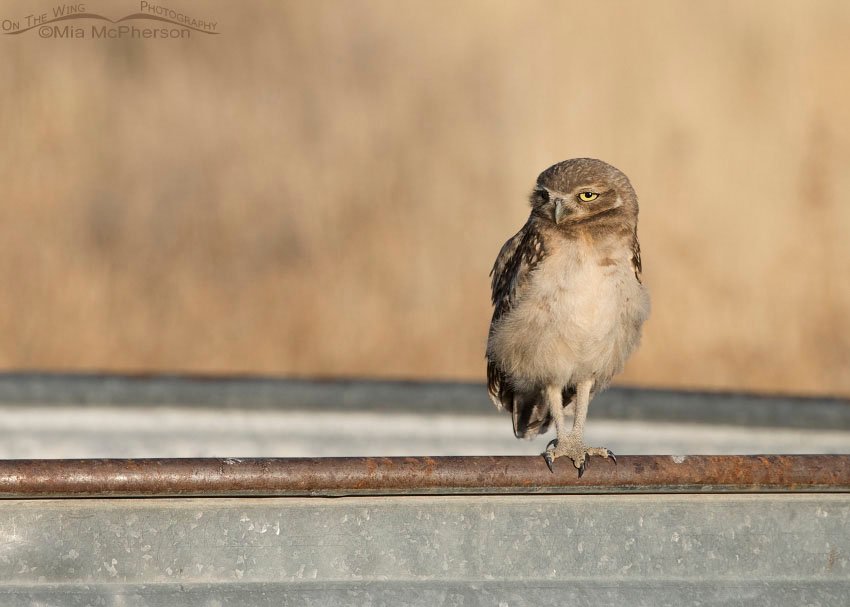
You might wonder why I think it is tough being a bird photographer when it comes to Burrowing Owls.

Yesterday I posted a juvenile Wilson's Phalarope and today I am posting an assortment of others birds I photographed the same day at Bear River NWR.
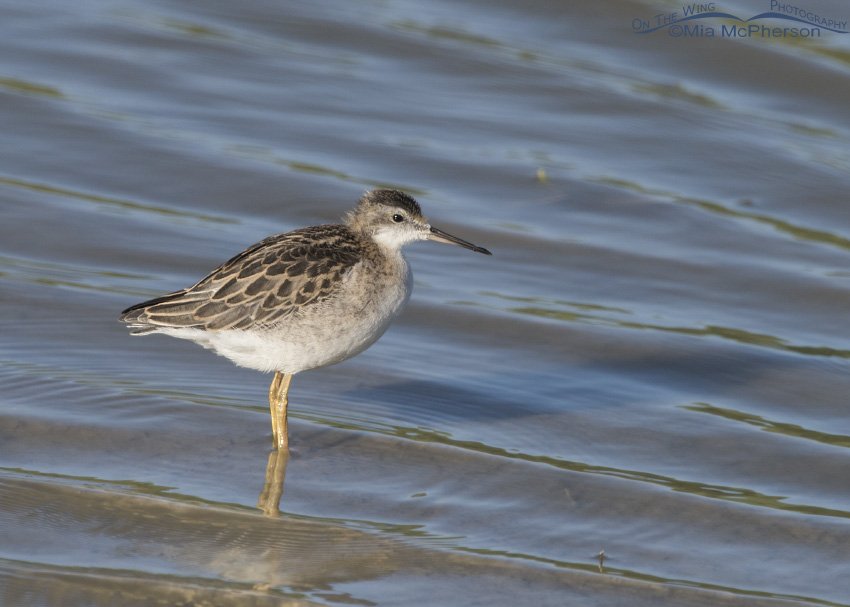
Bear River National Wildlife Refuge was lovely yesterday morning and one of the nice surprises I found was this juvenile Wilson's Phalarope on the west side of the auto tour route.

Every once in a while I find myself attracted to an image not just because of the subject but also because of reflections and this American White Pelican image is one of those.
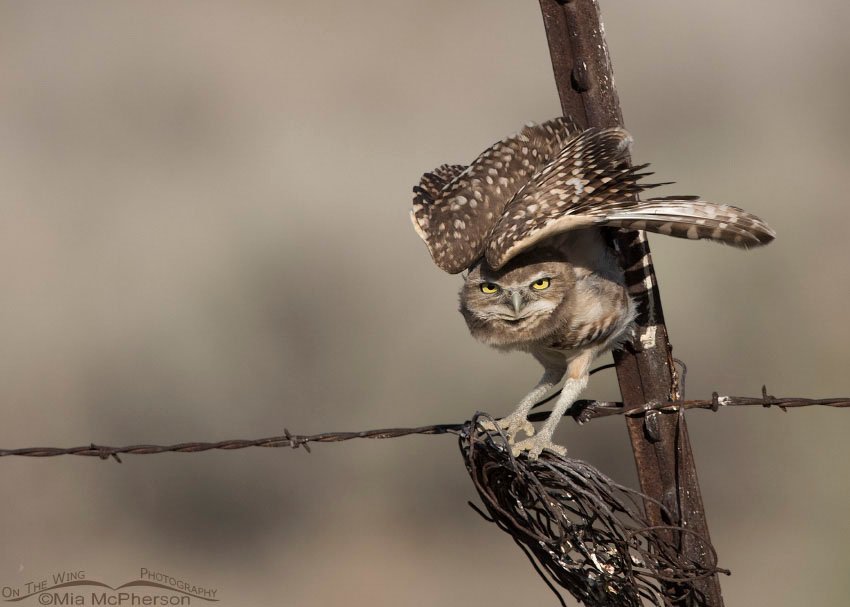
I think I could photograph juvenile Burrowing Owls for two months straight and not get bored with them.
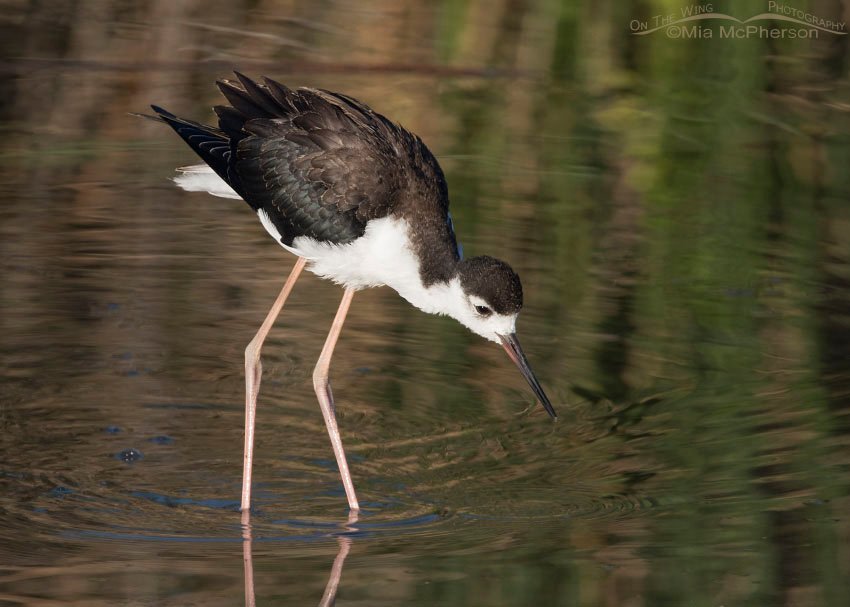
I headed up to Bear River Migratory Bird Refuge yesterday morning and I am very glad I did because of the wonderful birds I saw.

Leopards don't change their spots but juvenile Burrowing Owls do change their spots on their chests as they mature.

Burrowing Owls and American Robins are about the same size but they are two very different species of birds.

When I looked at this Burrowing Owl image on my monitor I had to chuckle because in a strange way it reminded me of myself when I first dove off of a 10 meter platform and how my toes were the last to let go.
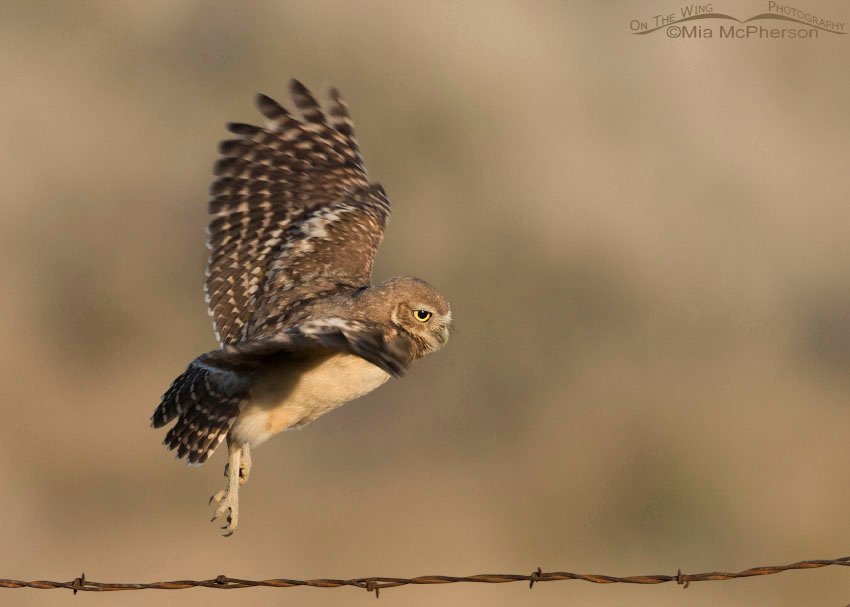
I thought I would share some images I have taken of Western Burrowing Owls that I took over several days spent with them in Box Elder County, Utah.